标签: Asia

亚洲

  • India shuts five streaming platforms showing ‘obscene’ content

    India shuts five streaming platforms showing ‘obscene’ content

    The Indian government has implemented a comprehensive ban against five over-the-top (OTT) streaming services for disseminating content deemed obscene and in violation of national digital media regulations. The prohibited platforms—MoodXVIP, Koyal Playpro, Digi Movieplex, Feel, and Jugnu—were officially shut down following an inter-ministerial consultation process.

    India’s Ministry of Information and Broadcasting clarified that the regulatory action stems from existing information technology laws rather than an attempt to suppress creative expression. ‘The primary objective of these restrictions is to enforce compliance with established legal frameworks while safeguarding viewers from exposure to harmful or illegal material,’ the ministry stated in an official release. The government emphasized its commitment to maintaining public decency, protecting national interests, and upholding ethical standards across digital journalism platforms.

    The decision followed extensive consultations with multiple government entities including the Ministries of Home Affairs, Women and Child Development, Electronics and Information Technology, and Law and Justice. Industry representatives from the Federation of Indian Chambers of Commerce and Industry (FICCI) and the Confederation of Indian Industry (CII), alongside experts in children’s and women’s rights, contributed to the evaluation process.

    This enforcement action references India’s Information Technology (Intermediary Guidelines and Digital Media Ethics Code) rules, which explicitly prohibit content characterized as obscene, pornographic, privacy-invasive, gender-based harassment, racially objectionable, or promoting hate speech and violence. The government noted that intermediaries failing to observe these legal obligations forfeit their immunity under Section 79 of the IT Act, becoming subject to full legal consequences.

    The recent ban continues India’s pattern of digital content regulation, following July’s blocking of 25 OTT platforms allegedly distributing vulgar and pornographic media. Officials noted that despite previous warnings, the prohibited services persisted in publishing objectionable content through alternative domains. India’s self-regulatory body, the Digital Publisher Content Grievances Council—comprising approximately 40 OTT members—had previously identified several platforms exhibiting ‘distasteful and bizarre’ scenes.


  • DoorDash exits 4 markets, including Japan, to focus on growth elsewhere

    DoorDash exits 4 markets, including Japan, to focus on growth elsewhere

    DoorDash Inc. announced on Wednesday its strategic decision to cease operations across four international markets: Qatar, Singapore, Japan, and Uzbekistan. This move follows an extensive multi-month evaluation of market-specific conditions and competitive landscapes.

    The San Francisco-based food delivery giant stated that this consolidation will enable the company to concentrate its investment resources on territories where it can achieve sustainable scaling and establish long-term market dominance. Miki Kuusi, Head of DoorDash International, emphasized that the company’s immediate priority is ensuring a structured transition process for affected employees and partner networks.

    DoorDash entered several of these markets considerably later than established competitors. Its 2021 launch in Japan placed it five years behind rival Uber Eats, while its acquired subsidiary Deliveroo (purchased in 2023) only commenced Qatar operations in 2022—nearly a decade after regional leader Talabat began serving the Qatari market.

    The company faces intensely competitive environments in these exiting markets, including opposition from GrabFood and Foodpanda in Singapore, and Russia’s Yandex Eats in Uzbekistan.

    Despite these operational withdrawals, DoorDash confirmed that the closures will not affect its existing financial guidance. Investor response appeared positive, with company shares rising approximately 5% during midday trading following the announcement.

    While DoorDash maintains market leadership in the United States, it continues to pursue international expansion through strategic acquisitions, including the 2021 purchase of Finland’s Wolt Enterprises Oy which facilitated its European market entry.

  • Iran rejects US claims on missile programme as ‘big lies’

    Iran rejects US claims on missile programme as ‘big lies’

    Iran’s Foreign Ministry has vehemently rejected recent United States claims regarding its military capabilities and domestic unrest, characterizing the allegations as deliberate falsehoods. Ministry spokesman Esmaeil Baqaei utilized social media platform X to formally denounce what he termed ‘big lies’ perpetuated by American leadership.

    The strong rebuttal came in direct response to statements made by President Donald Trump during his State of the Union address, where he asserted that Tehran was actively developing long-range missile systems capable of reaching American territory. Trump additionally reiterated his administration’s firm stance against Iranian nuclear weapons development, accusing Iranian leaders of pursuing ‘sinister nuclear ambitions.’

    Contrary to these claims, Iranian officials maintain that their nuclear program remains exclusively peaceful in nature. Foreign Minister Abbas Araghchi previously clarified in an Al Jazeera interview that while Iran lacks the technical capability to target the United States directly, it would respond to any American military aggression by striking US bases throughout the Middle East region.

    A significant point of contention emerged regarding casualty figures during January’s civil unrest. Trump alleged that Iranian authorities had killed approximately 32,000 protesters, while Iranian officials acknowledge approximately 3,000 fatalities, attributing these to what they describe as US and Israel-fueled ‘terrorist acts.’ Independent verification from the US-based Human Rights Activists News Agency documents over 7,000 deaths, with warnings that the actual toll may substantially exceed this figure.

    The escalating war of words occurs amidst heightened regional tensions, with Iran maintaining military alertness against potential US or Israeli operations. This exchange represents the latest chapter in the ongoing diplomatic confrontation between Tehran and Washington, with both nations presenting starkly contradictory narratives regarding Iran’s military programs and internal affairs.

  • Eid Al Fitr 2026: Oman residents likely to get 5-day public holiday; here’s why

    Eid Al Fitr 2026: Oman residents likely to get 5-day public holiday; here’s why

    Oman stands poised to grant its residents an extended five-day public holiday for Eid Al Fitr in 2026, potentially offering one of the region’s longest festive breaks. This anticipated extension stems from the Sultanate’s unique lunar calendar observations that diverged from neighboring Gulf nations.

    The foundation for this extended celebration dates to February 17, 2026, when Oman joined 26 other countries in announcing the Ramadan crescent had not been sighted, consequently establishing February 19 as the commencement of the holy month. This astronomical positioning means Oman will attempt to sight the Shawwal crescent on Thursday, March 19, 2026, which marks the conclusion of Ramadan and the beginning of Eid celebrations.

    According to Oman’s official holiday decree 88/2022, the Eid Al Fitr holiday traditionally spans from Ramadan 29 to Shawwal 3. Crucially, the regulation stipulates that if either Eid Al Fitr or Eid Al Adha commences on a Friday, citizens receive compensatory time off. Multiple Omani media outlets, referencing astronomical projections, indicate Eid will likely begin on Friday, March 20, 2026.

    This celestial alignment would create an official holiday period from Thursday, March 19 through Sunday, March 22, with the compensatory day off on Monday, March 23—collectively forming a five-day break. Final confirmation remains subject to the actual moon sighting by Omani authorities, maintaining the Islamic tradition of empirical lunar observation.

    Meanwhile, regional comparisons reveal varying holiday schedules. The United Arab Emirates has announced a four-day public sector holiday from March 19-22, while private sector employees receive March 19-21 off, with Sunday workers returning on March 22 unless Ramadan extends to 30 days.

  • Xizang’s annual air passengers top 8 million for first time

    Xizang’s annual air passengers top 8 million for first time

    Xizang’s civil aviation sector achieved unprecedented growth in 2025, surpassing eight million annual passengers for the first time in history. According to regional aviation authorities, the autonomous region handled 71,000 flights throughout the year while moving 8.06 million passengers and 56,000 tons of cargo and mail. These figures represent substantial year-on-year increases of 6.9%, 6%, and 8% respectively, demonstrating remarkable expansion in regional air connectivity.

    The growth trajectory—adding approximately one million passengers compared to 2024—has been fueled by strategic infrastructure development. The expansion centers around Lhasa Gonggar International Airport, supported by seven regional feeder airports. New routes connecting Lhasa with Chengdu and Guangzhou were established, alongside connections from Ngari prefecture and Lhokha to Chengdu. Authorities resumed popular routes linking Fujian and Chongqing with Lhasa while increasing flight frequencies to major hub cities including Chengdu, Chongqing, and Xi’an.

    Xizang’s aviation network now encompasses 204 air routes operated by 12 airlines, connecting the region to 84 domestic and international destinations. This enhanced connectivity has significantly strengthened ties between Xizang and other Chinese regions while dramatically improving accessibility for residents in remote areas.

    Technological advancements have played a crucial role in supporting this growth. Lhasa’s Terminal 3 has implemented paperless check-in systems, facial recognition boarding, and AI-assisted image screening technology. Additional passenger convenience measures include multilingual translation devices, priority security services, and expanded cabin options, collectively elevating the travel experience for the growing number of passengers.

  • Aid groups petition Israeli court to halt work bans in Gaza, West Bank

    Aid groups petition Israeli court to halt work bans in Gaza, West Bank

    Seventeen international humanitarian organizations have filed an urgent petition with Israel’s Supreme Court seeking to overturn a government order that would force them to cease operations in Gaza, the West Bank, and East Jerusalem by next month. The controversial directive, issued in December, affects 37 NGOs including prominent groups like Oxfam International, Doctors Without Borders (MSF), and the Norwegian Refugee Council.

    The legal challenge argues that Israel’s demand for comprehensive staff lists—including Palestinian and international personnel—creates unacceptable security risks for aid workers. Petitioners contend the ban demonstrates “extreme unreasonableness and lack of proportionality” and exceeds Israel’s jurisdictional authority in territories nominally under Palestinian Authority control.

    Humanitarian organizations warn the March shutdown deadline would trigger catastrophic consequences for millions of Palestinians dependent on external assistance. In Gaza, where renewed strikes compound existing aid restrictions, and in the West Bank, where military operations and settler violence escalate needs, the termination of services would cause immediate humanitarian collapse.

    The dispute highlights the deadly environment for aid workers in conflict zones. According to Human Rights Watch, 543 humanitarian personnel have been killed in Israeli attacks on Gaza since hostilities began. Investigations reveal multiple incidents of aid workers being targeted despite providing their coordinates to Israeli authorities, including a March 2023 incident where 15 paramedics were shot dead execution-style.

    This latest ban follows Israel’s earlier termination of UNRWA operations, including the demolition of its East Jerusalem headquarters despite an International Court of Justice ruling ordering cooperation with UN humanitarian providers. Israeli authorities maintain the staff disclosure requirement is necessary to “rule out any links to terrorism,” but aid organizations remain unwilling to compromise staff security despite attempted negotiations.

  • When horses lose their old jobs, a frontier county in Xinjiang finds new ones

    When horses lose their old jobs, a frontier county in Xinjiang finds new ones

    In the snow-blanketed valleys beneath western Tianshan Mountains, a centuries-old tradition undergoes remarkable economic transformation. Zhaosu County, nestled within Xinjiang’s Ili River Valley, has successfully redefined the role of horses in its regional economy as traditional functions faded into obsolescence.

    The region, historically celebrated for its legendary ‘Tianma’ (heavenly horses) and strategic position along the Grassland Silk Road, faced economic challenges as modernization rendered equine transport and military applications increasingly irrelevant. Rather than allowing this cultural cornerstone to diminish, local authorities implemented a comprehensive strategy to reinvent the animal’s economic value through diversified applications.

    By late 2025, Zhaosu maintained approximately 122,300 horses within a broader regional population exceeding 500,000—representing nearly one-seventh of China’s total equine population. This substantial herd now serves revamped purposes across multiple sectors including recreational riding, competitive sports, and specialized breeding for dual-purpose milk-and-meat production.

    The county established sophisticated infrastructure including state-owned breeding farms, artificial insemination networks, and Xinjiang’s inaugural performance-testing center specifically designed for sport- and leisure-oriented breeding programs. A advanced equine hospital featuring operating theaters, serology laboratories, and molecular diagnostics facilities represents China’s veterinary cutting-edge, collaborating with prestigious institutions including China Agricultural University.

    Competitive events have flourished, with over 420 races and equestrian competitions hosted since 2021. The internationally recognized Super Derby International Equestrian TREC Endurance on Silk Road attracted participants from multiple nations including the United States, Italy, and Spain, featuring routes extending 500 kilometers.

    Tourism integration has proven particularly successful, with seasonal spectacles like summer’s ‘horses bathing in the river’ and winter’s ‘heavenly horses treading snow’ generating substantial visitor numbers. The county welcomed approximately 9.4 million tourists in 2025—remarkable figures for a region with under 200,000 permanent residents.

    Downstream economic diversification includes biotechnology ventures processing horse fat into cosmetics and traditional medicines, integrating local production into national supply chains. The equine industry now generates 1.53 billion yuan ($220.47 million) annually, sustaining thousands of local families through processing operations, cultural tourism, and professional services.

    Policy support from Jiangsu’s Taizhou municipality under China’s regional assistance program has injected over 55.81 million yuan since 2023, reinforcing breed improvement, product processing, and brand development initiatives. This strategic reinvention demonstrates how traditional assets can find renewed economic relevance through innovation and market-oriented adaptation.

  • Retired athlete ignites youth ski dreams, fuels winter economy in Xinjiang

    Retired athlete ignites youth ski dreams, fuels winter economy in Xinjiang

    In the snow-covered landscapes of Xinjiang’s Ili Kazak Autonomous Prefecture, retired cross-country skier Yeersen Shenwohen is shaping the future of winter sports while transforming the regional economy. The 36-year-old Kazakh athlete, who missed his Olympic opportunity due to injury in 2022, has channeled his unrealized competitive ambitions into coaching young talent and developing sustainable tourism initiatives.

    Following his retirement from professional competition, Shenwohen returned to his hometown in Narat’s alpine valley grassland and established a youth ski development program. His trainees, including 16-year-old Sayahat Elyasbek who had never skied before joining the team, now aspire to national and international competitive success. “If the children we train can win national or even world championships, that will also be my honor,” Shenwohen stated.

    The athlete’s impact extends beyond sports development. In December 2022, he founded a herders’ cooperative that has grown from 10 to 300 members, utilizing over 400 horses during peak tourism seasons. This initiative has fundamentally altered local economic patterns, eliminating the traditional ‘winter slack season’ that previously limited income opportunities for herders.

    Yeryen Mijit, a cooperative member, reported earning up to 10,000 yuan monthly during summer and over 6,000 yuan in winter—a significant improvement from relying solely on livestock sales. The economic transformation is further evidenced by performance metrics from local ski resorts. Wan Junhui, manager of a Narat ski facility, reported 12,100 visitors in the first three weeks of the winter season—a 106.3% year-on-year increase—with revenue reaching 2.2 million yuan, representing 225% growth compared to the same period last year.

    Shenwohen’s professional expertise also contributes to resort safety operations through his training of emergency rescue teams. His multifaceted approach to regional development aligns with Xinjiang’s emergence as a premier winter tourism destination, with 72 skiing venues and five national-level ski tourism resorts established across the region by the end of 2024, according to official reports.

    Now a father, Shenwohen maintains a balanced perspective on athletic achievement, noting that while he would support his son’s interest in sports, he recognizes the challenges of professional competition. His story represents a compelling model of athletic legacy transforming into community development, demonstrating how personal dreams can evolve into broader regional advancement.

  • Hong Kong targets city-wide AI use: financial secretary

    Hong Kong targets city-wide AI use: financial secretary

    Hong Kong has announced a comprehensive artificial intelligence adoption initiative aimed at achieving universal AI literacy and integration across all sectors. Financial Secretary Paul Chan declared the city’s ambitious plan during his presentation of the 2026-27 budget on Wednesday, outlining a vision where every resident becomes proficient in AI technology utilization.

    The centerpiece of this technological transformation is the establishment of a high-level Committee on AI+ and Industry Development Strategy, which Chan will personally chair. This expert body will develop strategic frameworks and create optimal conditions for AI to drive industrial transformation and economic development. The committee will bring together leading experts, academics, corporate representatives, and industry park companies to formulate implementation roadmaps.

    Initial implementation will prioritize two cutting-edge domains: life and health technology applications and embodied AI systems. This focused approach reflects Hong Kong’s strategic positioning in high-value technological sectors where it can leverage existing research capabilities and market advantages. The initiative represents one of the most comprehensive government-led AI adoption programs globally, positioning Hong Kong as a pioneer in mainstreaming artificial intelligence across both public and private sectors.

  • Saudi Arabia imposes total ban on poultry, egg imports from 40 countries

    Saudi Arabia imposes total ban on poultry, egg imports from 40 countries

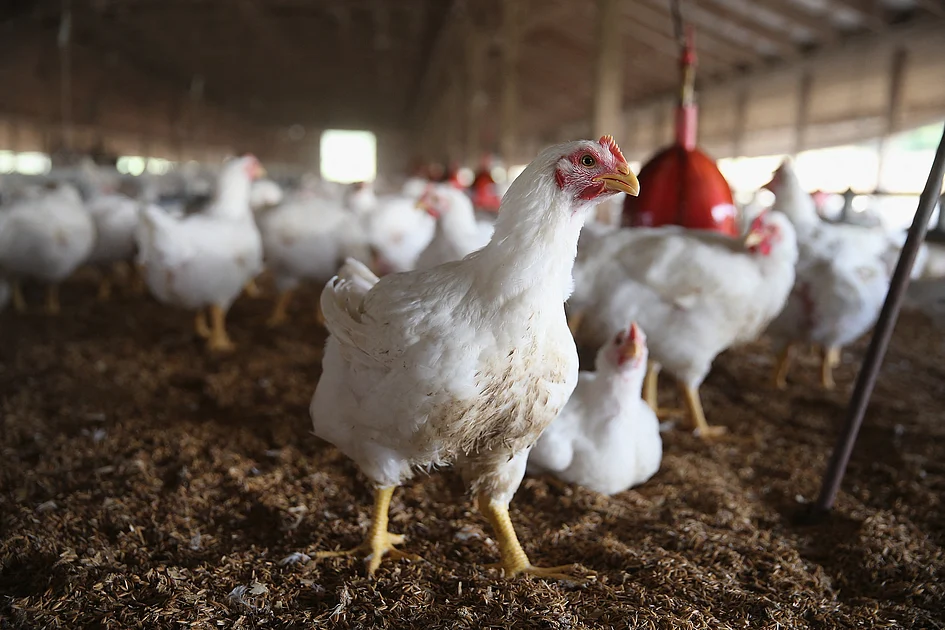
    In a significant move to safeguard its food supply chain, Saudi Arabia has implemented a sweeping temporary prohibition on poultry and egg imports originating from 40 nations. This decisive action, announced by the Saudi Food and Drug Authority (SFDA), directly responds to the escalating global spread of highly pathogenic avian influenza (HPAI), specifically the H5N1 strain.

    The extensive list of affected countries includes major trading partners such as India, China, the United Kingdom, Germany, Japan, and South Korea. The SFDA’s updated advisory clarifies that the embargo does not apply to heat-treated poultry products or those processed using methods scientifically proven to eliminate the Avian Influenza and Newcastle viruses, provided they are accompanied by an official health certificate from the exporting country’s competent authorities and originate from approved establishments.

    Furthermore, the regulatory measures extend beyond nationwide bans. Authorities have instituted targeted regional restrictions affecting specific provinces and states within 16 additional countries. Notably, this includes the U.S. states of Delaware, Kentucky, and Minnesota, as well as regions in Canada, Australia, Italy, France, and Malaysia, indicating a highly granular approach to risk management based on localized outbreak data.

    The current HPAI outbreak, traceable to 2021, has presented unprecedented challenges by crossing species barriers. It now affects over 50 different mammal species, including recent detections in dairy cattle, complicating traditional containment paradigms. While public health agencies acknowledge sporadic human infections, they maintain that the risk of sustained human-to-human transmission remains low, though vigilant monitoring for viral adaptation continues.