标签: Asia

亚洲

  • What does a war win look like for US, Israel and Iran?

    What does a war win look like for US, Israel and Iran?

    The Middle Eastern military confrontation enters its third week with escalating intensity as Iran demonstrates unexpected resilience against combined US-Israeli operations. The conflict, initiated on February 28 as a voluntary military engagement by Washington and Jerusalem, has evolved into a protracted struggle with no clear resolution in sight.

    Tehran’s Islamic regime is engaged in a battle for survival while simultaneously executing a strategy of asymmetric warfare designed to inflict maximum regional and global economic disruption. Despite inferior conventional military capabilities compared to the US-Israeli alliance, Iranian forces have maintained operational continuity and institutional stability, rapidly appointing Mojtaba Khamenei as successor to the slain supreme leader.

    The American position, characterized by contradictory objectives and unclear strategic goals, contrasts sharply with Israel’s explicitly stated ambition to dismantle both the Iranian regime and diminish Iranian state sovereignty. Prime Minister Netanyahu has further articulated expansionist territorial ambitions based on biblical references to ‘greater Israel,’ receiving unexpected endorsement from US Ambassador Mike Huckabee.

    Military analysts observe that the conflict has entered a critical phase where missile and interceptor inventories may determine the eventual outcome. Meanwhile, Iran continues to leverage regional proxy networks and economic pressure tactics, attempting to transform the bilateral confrontation into a broader regional crisis that might compel Gulf Arab states to intervene diplomatically.

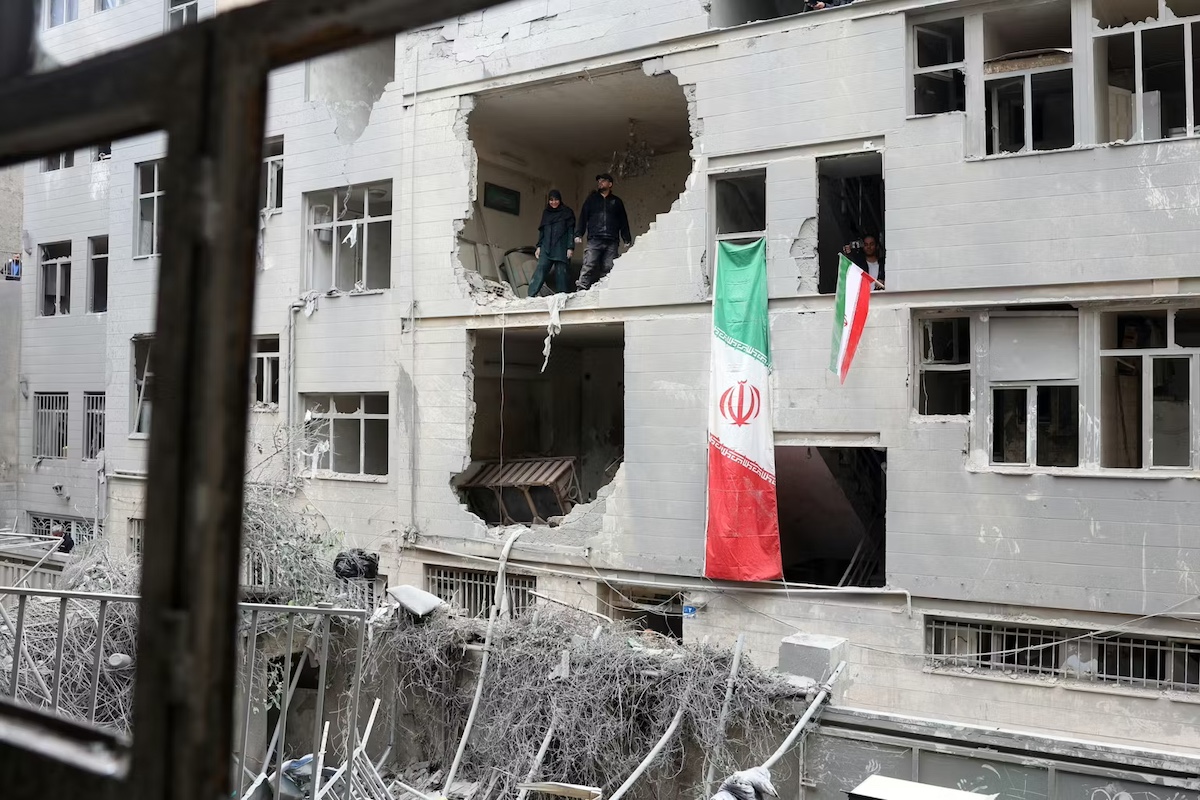
    The humanitarian consequences continue to mount, with Iranian and Lebanese civilian populations bearing disproportionate casualties. The conflict has already triggered global energy market disruptions through attacks on critical infrastructure including Kharg Island’s oil export facilities, though Trump administration officials maintain these economic impacts remain temporary.

    As the war progresses without clear exit strategies, international observers anticipate either material exhaustion or political declaration of victory as potential conclusion scenarios, though neither outcome promises regional stability in the polarized post-conflict landscape.

  • Sichuan college announces dates of annual Spring Holiday

    Sichuan college announces dates of annual Spring Holiday

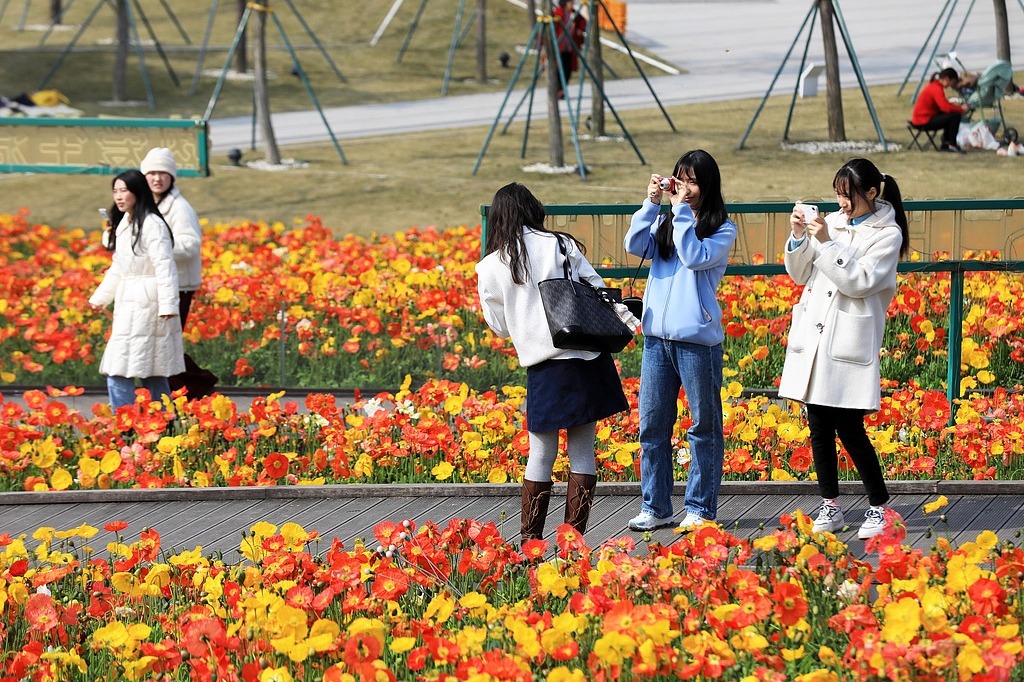
    CHENGDU – Sichuan Southwest Vocational College of Civil Aviation has unveiled its 2026 Spring Holiday schedule, continuing an innovative tradition that grants students and faculty six consecutive days for familial bonding and personal rejuvenation. The break, scheduled from April 1 to April 6, strategically incorporates the Qingming Festival and adjacent weekends to create an uninterrupted respite period.

    Initiated in 2019, this marks the eighth consecutive year the institution has implemented its distinctive Spring Holiday program. College administrators emphasize that the arrangement doesn’t reduce actual instructional time, but rather consolidates existing breaks and festival days into a cohesive wellness period. The initiative has become an integral component of the academic calendar, with both students receiving class-free days and faculty enjoying paid leave during this interval.

    Beyond mere leisure, the holiday incorporates structured developmental activities. Participants will engage in creative assignments including video production, reflective journaling, and handicraft projects – all designed to foster personal growth and cultural appreciation. These projects will be formally exhibited following the holiday period, creating opportunities for shared learning experiences.

    College representatives indicate the program addresses growing concerns about student mental health and work-life balance in China’s education system. By providing dedicated time for family interaction and nature immersion during the critical spring season, the institution aims to combat burnout while maintaining academic rigor. The model has garnered attention from educational policymakers nationwide as a potential blueprint for balancing academic demands with holistic student development.

  • China issues further extension to rural land contracts

    China issues further extension to rural land contracts

    In a landmark move to safeguard agricultural stability and protect farmer interests, China has announced a comprehensive 30-year extension for rural land contracts upon their expiration. The policy directive, jointly issued by the General Offices of the Communist Party of China Central Committee and the State Council on March 18, 2026, establishes detailed frameworks affecting hundreds of millions of rural residents.

    The guideline outlines 15 specific measures centered on preserving collective land ownership, maintaining the household-based contract system, and ensuring social stability across rural communities. This extension represents a critical component of China’s ongoing rural reform initiatives, building upon pilot programs that have been progressively expanded since 2020 under the supervision of the Ministry of Agriculture and Rural Affairs.

    Implementation will commence with large-scale pilot programs across 29 provincial-level regions throughout 2026. The policy explicitly prohibits the redistribution of farmland between villages and mandates that existing land arrangements remain fundamentally unchanged. No organization or individual may illegally adjust or reclaim contracted land, ensuring stability for current landholders.

    The extension process will follow standardized procedures including formation of specialized working groups, verification of land data, public consultation on extension plans, contract signing ceremonies, and certificate updates. Particular attention is given to protecting vulnerable groups including women affected by marital status changes and farmers who have migrated to urban areas.

    Notably, the guidelines introduce mechanisms for voluntary and compensated withdrawal from land contract rights, while imposing strict limits on reserve land management—capping such allocations at 5% of total collective farmland. Local authorities are instructed to complete all contract extensions within one year following expiration of existing agreements, with emphasis on coordinated implementation and transparent ownership clarification.

  • Wuhan University, Durham University launch joint institute

    Wuhan University, Durham University launch joint institute

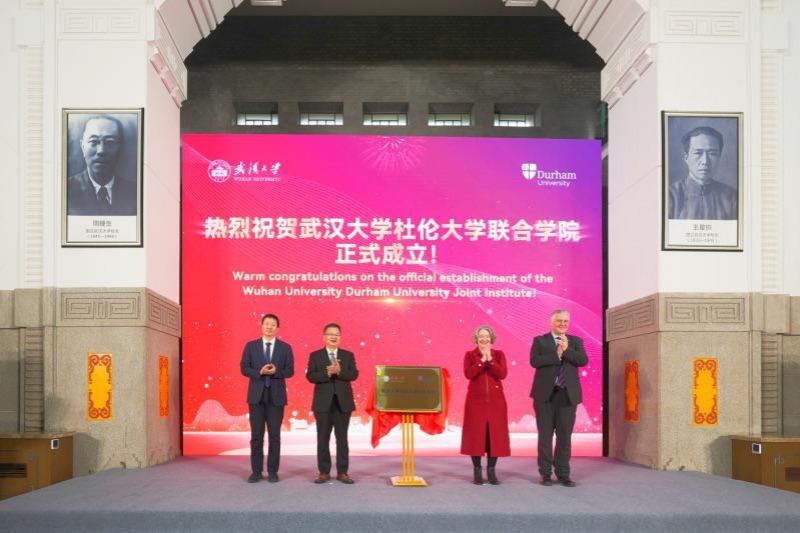
    In a significant advancement for international education collaboration, Wuhan University and Britain’s Durham University officially inaugurated their joint academic institute on Monday, elevating their existing partnership to a fully institutionalized level. The ceremony, held in Wuhan, Hubei province, was attended by senior leadership from both institutions and diplomatic representatives.

    The establishment follows formal approval from China’s Ministry of Education in December 2025 and represents a strategic response to the nation’s opening-up policy in higher education. The joint institute will initially offer six specialized undergraduate programs: Geophysics, Earth Science, Smart Water Management, Mechanical Design, Manufacturing and Automation, Electronic Information Engineering, and Electrical Engineering and Automation.

    During the inauguration, Wuhan University President Zhang Pingwen engaged in substantive discussions with Durham University Vice-Chancellor Karen O’Brien regarding operational frameworks and academic governance. British Consul General in Wuhan Dominic McAllister extended congratulations, noting the institute’s alignment with the foundations laid during Prime Minister Keir Starmer’s January visit to China and anticipating the arrival of the first student cohort in September.

    The educational model will feature a four-year curriculum delivered entirely at the Wuhan campus, with students receiving instruction from faculty members of both universities. Upon successful completion, graduates will be awarded dual degrees recognized by both institutions.

    Concurrent with the launch ceremony, academics and education experts participated in a high-quality development forum focused on innovation and excellence in Sino-foreign cooperative education, providing strategic recommendations for the new institute’s development.

  • Children of Amman get taste of Chinese culture

    Children of Amman get taste of Chinese culture

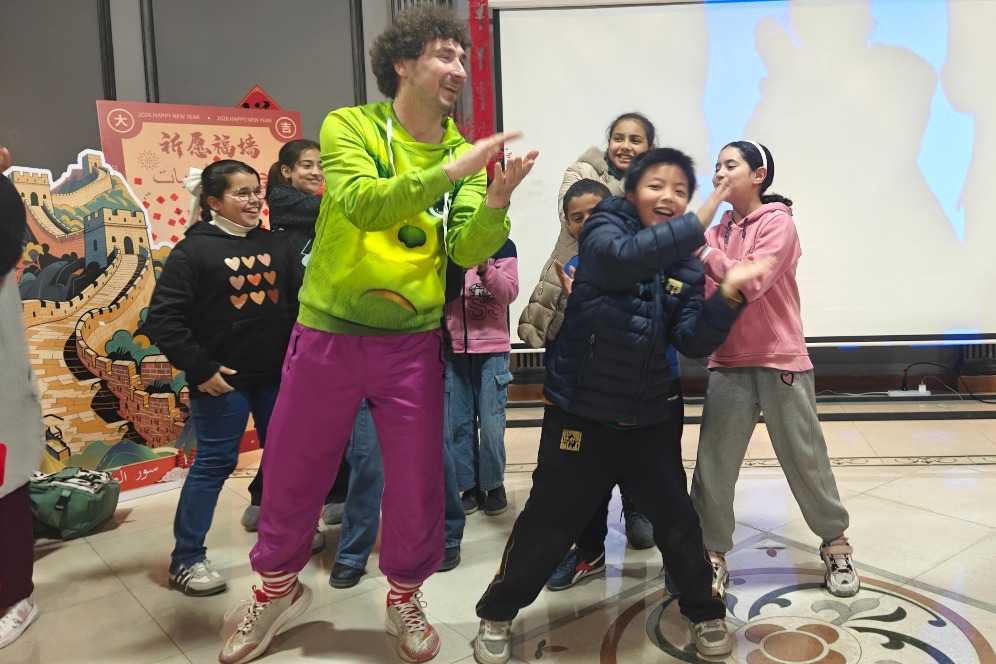
    AMMAN — A special cultural exchange event titled “Light of Kindness — Chinese Cultural Night” brought Chinese cultural experiences to Jordanian children on Tuesday. The event, organized by the China Cultural Center in Amman alongside local organizations Kindly Initiative and I Learn Volunteer Group, created a bridge between cultures through immersive activities and shared experiences.

    More than 100 participants, including refugee children and volunteers, engaged with Chinese traditions in a welcoming environment. The program featured multiple interactive segments designed to educate and inspire through direct participation.

    Zhao Xiaoqiang, Cultural Counselor of the Chinese Embassy in Jordan and Director of the China Cultural Center in Amman, highlighted the importance of such exchanges. “Cultural interaction serves as a vital conduit for strengthening friendships and deepening mutual understanding between nations,” he stated. “We are dedicated to creating opportunities for Jordanian youth to gain meaningful insights into China’s rich cultural heritage.”

    The evening’s programming included a performance of “Steps of Truth,” a children’s drama adapted from traditional Chinese folklore and presented by Jordanian performers. The theatrical piece was met with enthusiastic applause from attendees.

    An interactive quiz on Chinese culture, facilitated by center staff member Abeer, introduced children to Chinese festivals and customs through storytelling and participatory learning. The educational segment allowed young participants to discover cultural similarities and differences in an engaging format.

    The “Hands-on Heritage” workshop showcased Chinese paper-cutting artistry. Volunteers Zhao Yixuan and Hai Yiguang demonstrated the historical significance and techniques of this traditional craft before guiding children through their own creative paper-cutting and coloring projects.

    Beyond cultural activities, the event incorporated practical health education with a dental hygiene session conducted in partnership with the Kindly Initiative. The demonstration provided children with essential oral healthcare knowledge and techniques.

    As daylight faded, participants shared a traditional Ramadan iftar meal, beginning with dates and beverages before enjoying a communal dinner that fostered deeper connections and cultural exchange.

    The event successfully blended cultural immersion with humanitarian outreach, enhancing cross-cultural appreciation while strengthening people-to-people ties between China and Jordan.

  • AI drone breaks new ground on Sichuan rail line

    AI drone breaks new ground on Sichuan rail line

    A groundbreaking artificial intelligence system is transforming construction oversight along the Chengdu-Deyang intercity railway in Sichuan province, representing a significant technological advancement in China’s rail infrastructure development. The innovative approach combines autonomous drone technology with sophisticated AI algorithms to enhance safety monitoring and operational efficiency.

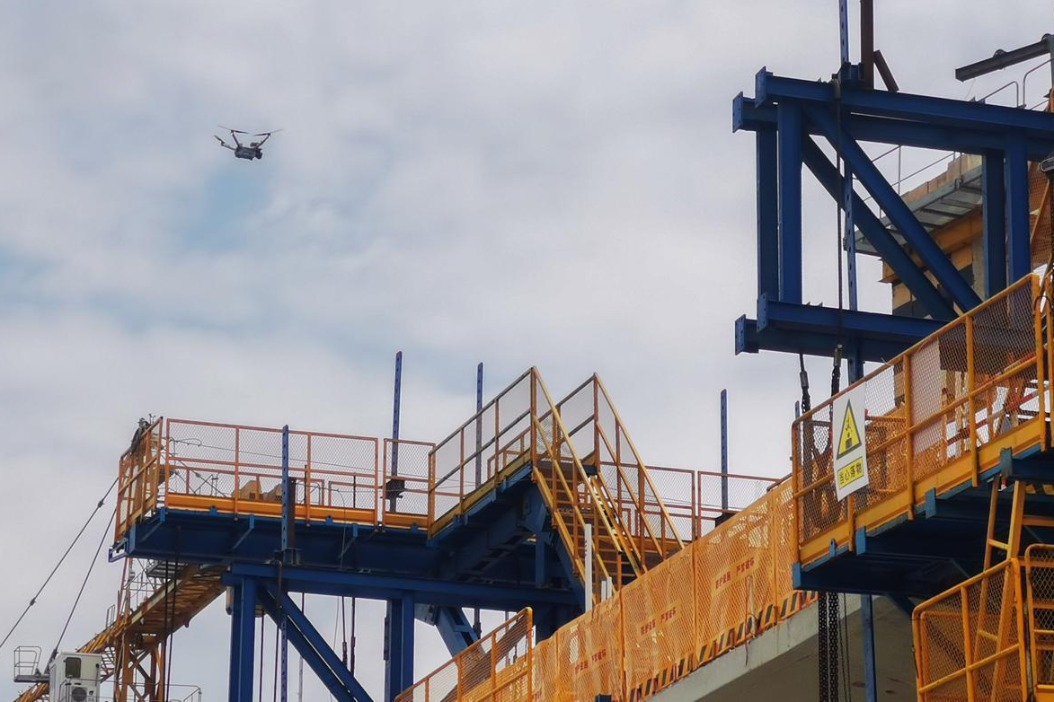
    The integrated system employs self-piloting drones that operate independently from automated charging stations, conducting regular patrols without requiring direct human intervention. These advanced devices are equipped with intelligent capabilities that extend beyond conventional aerial photography, featuring what engineers describe as an ‘AI brain’ for comprehensive hazard detection.

    At the project’s Tianxun intelligent command center, a large display screen presents real-time visual data transmitted from the drone fleet, providing complete visibility across all elevated sections of the railway. The AI software automatically analyzes captured imagery to identify potential safety concerns including deep foundation pit risks, unauthorized smoke sources, missing protective barriers, and improper hoisting operations.

    When the system detects hazards, it immediately broadcasts audible warnings to alert construction personnel on-site while simultaneously transmitting alert notifications to managers’ mobile devices. The technology also generates detailed 3D models of the construction environment using real-time dynamic positioning modules, enabling precise progress tracking for individual structural components.

    According to project officials, the 18-kilometer elevated section in Chengdu previously required hundreds of workers conducting continuous inspections during peak construction periods. The new drone system has dramatically improved operational efficiency, with just two units capable of completing a comprehensive patrol in approximately 30 minutes—representing an efficiency improvement exceeding 80 percent.

    Developed specifically for this railway project from its initial planning stages, the technology has now been deployed across critical areas including elevated segments and underground tunnel sections. Engineers anticipate that as application scenarios expand, the system’s AI capabilities will continue to evolve with increasing intelligence and accuracy.

  • Iran tells Saudi Arabia, Qatar and UAE to evacuate energy facilities after Israel hits gas plant

    Iran tells Saudi Arabia, Qatar and UAE to evacuate energy facilities after Israel hits gas plant

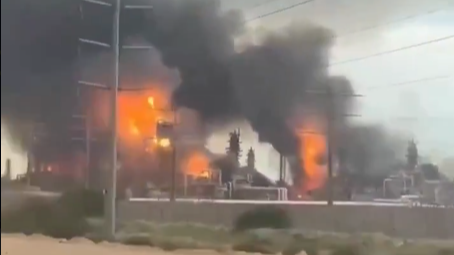
    Iran has issued a direct evacuation order for key petrochemical facilities across Saudi Arabia, Qatar, and the United Arab Emirates, signaling imminent retaliatory strikes. The warning, disseminated through official state media channels, comes in direct response to a recent joint U.S.-Israeli offensive targeting Iran’s crucial South Pars gas field infrastructure.

    Specific facilities identified as potential targets include Saudi Arabia’s Samref Refinery and Jubail Petrochemical Complex, the UAE’s Al Hosn Gas Field, and multiple Qatari installations including the Mesaieed Petrochemical Complex and Ras Laffan Refinery. Iranian authorities explicitly stated these sites “have become direct and legitimate targets” and urged all personnel to “immediately leave these areas and move to a safe distance without any delay.”

    An Israeli official confirmed to journalist Barak Ravid that the initial strike on Iranian energy infrastructure was conducted with explicit U.S. approval and coordination. Following the attack, former President Donald Trump amplified tensions through his Truth Social platform, branding Iran as “the NUMBER ONE STATE SPONSOR OF TERROR” and boasting about “rapidly putting them out of business.”

    The escalating conflict has already triggered significant disruptions in global energy markets. Brent crude futures surged over 4% to exceed $108 per barrel following Iran’s threats. Qatar, which had already completely suspended its liquefied natural gas production due to the conflict—removing approximately 20% of global LNG supplies—warned that additional facility damage could extend production outages beyond May.

    Qatari Foreign Ministry spokesperson Majed al-Ansari condemned the targeting of energy infrastructure, warning that such actions “constitute a threat to global energy security” and endanger regional populations and environments. Through official channels, Qatar called for all parties “to exercise restraint, adhere to international law, & work toward de-escalation in a manner that preserves the security and stability of the region.”

  • Defense spokesman: Philippine ‘farce’ won’t shake China’s resolve on Huangyan Island

    Defense spokesman: Philippine ‘farce’ won’t shake China’s resolve on Huangyan Island

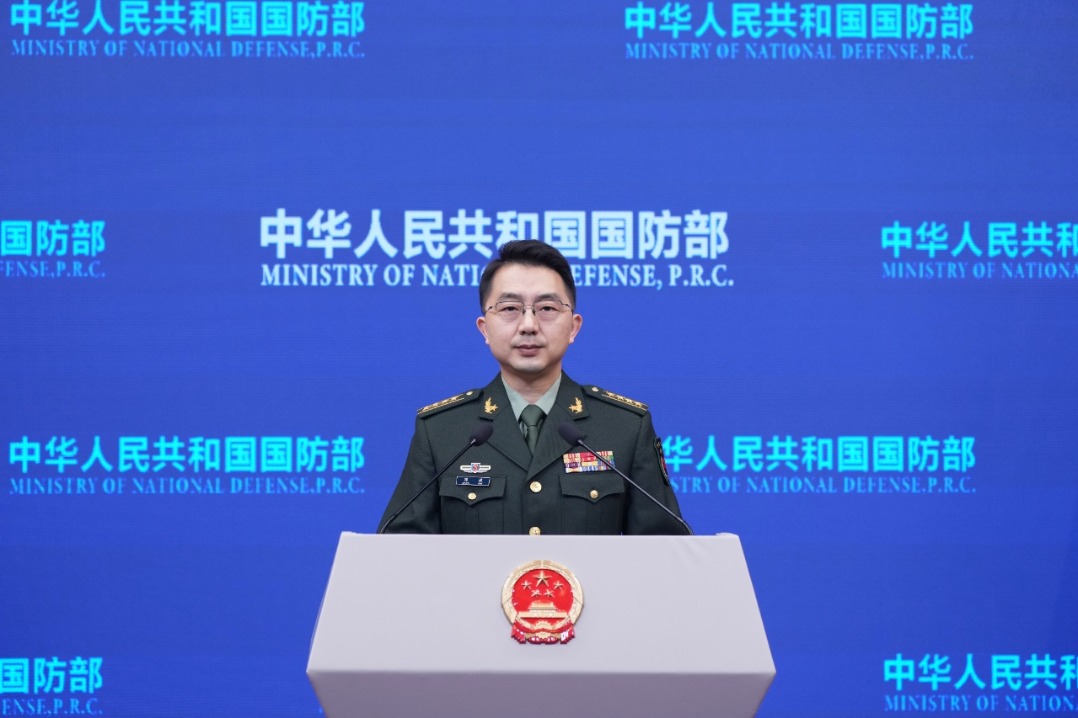
    China’s Ministry of National Defense has issued a strong condemnation of recent Philippine Coast Guard activities near Huangyan Island (also known as Scarborough Shoal), characterizing them as carefully orchestrated propaganda efforts rather than legitimate maritime operations. Senior Colonel Jiang Bin, speaking as defense spokesman, delivered Beijing’s official response to what he described as Manila’s provocative tactics in the disputed waters.

    The criticism specifically addresses an incident on March 7 when a Philippine reconnaissance aircraft carrying journalists allegedly received warnings from Chinese naval vessels while conducting patrols near the island. The Philippine Coast Guard had announced intentions to increase transparency through enhanced public communication and additional patrols, claiming these measures would counter Chinese assertiveness in the region.

    Jiang dismissed these actions as ‘self-directed farces’ designed to fabricate a false narrative of victimhood. ‘Edited footage and fabricated lies can never change China’s sovereignty over our islands and reefs in the South China Sea, including Huangyan Island,’ he stated during Wednesday’s briefing. The spokesman emphasized that China considers its sovereignty over the island and adjacent waters ‘indisputable’ under international law.

    The defense spokesman further asserted that China’s response to Philippine maneuvers remained ‘legitimate, professional and restrained’ given the circumstances. Jiang confirmed that China would continue implementing ‘effective countermeasures’ against any actions deemed violations of Chinese rights or provocations in the region, underscoring Beijing’s determination to safeguard its territorial claims through appropriate legal and military channels.

  • ‘We are crazy radicals’: Israel’s anti-war protesters struggle against ruling consensus

    ‘We are crazy radicals’: Israel’s anti-war protesters struggle against ruling consensus

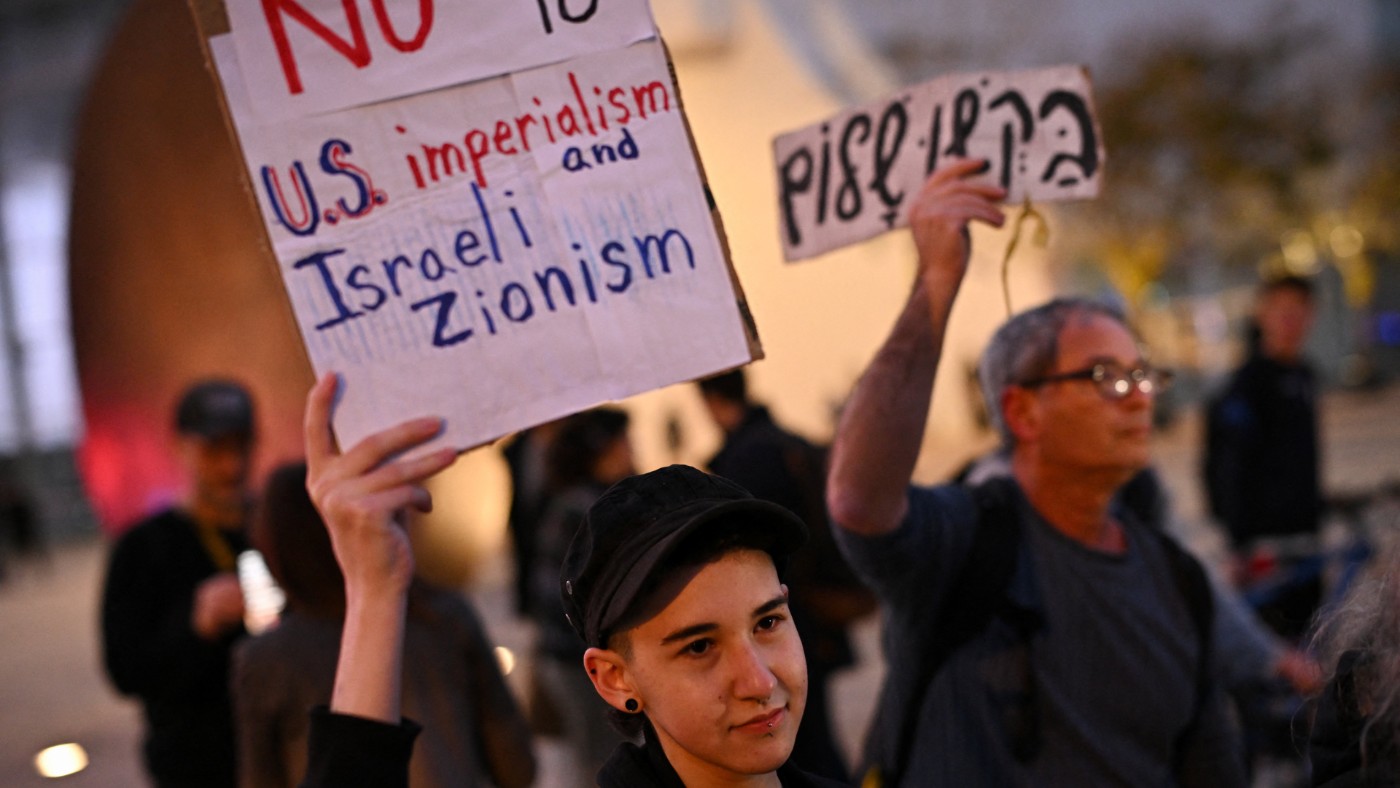
    A small but determined anti-war movement is beginning to surface in Israel as the military conflict with Iran enters its third week, presenting a stark contrast to the overwhelming national consensus supporting the campaign. Despite facing widespread public opposition and official scrutiny, dissenting voices are organizing modest demonstrations in major cities including Jerusalem and Tel Aviv.

    Recent protests, typically numbering fewer than one hundred participants, have featured activists wearing orange jumpsuits and masks depicting Prime Minister Benjamin Netanyahu while chanting anti-war slogans. These demonstrations have drawn criticism from passersby and faced rapid dispersal by police authorities, with several activists reportedly arrested in Haifa and Tel Aviv.

    The dissent emerges against a backdrop of significant human cost. Israeli casualties currently stand at fifteen fatalities, including nine victims of a direct strike on Beit Shemesh, while Iranian and Lebanese casualties number in the thousands with millions displaced across the region.

    According to recent polling data from the Israel Democracy Institute, 92.5% of Israeli citizens support Operation Roaring Lion, the codename for the current military campaign. Support among Palestinian citizens of Israel is significantly lower, with 65% expressing opposition.

    A coalition of eighty Jewish and Arab organizations recently delivered an open letter to both Netanyahu and U.S. President Donald Trump, criticizing the operation as pursuing “unattainable goals” while lacking “a clear exit strategy.” The letter was coordinated by It’s Time, a peacebuilding coalition whose creative director Mika Almog (granddaughter of former Prime Minister Shimon Peres) argues the conflict has created severe domestic consequences including school closures, economic disruption, and constant danger for Israeli children.

    Almog traces regional instability to the unresolved Israeli-Palestinian conflict, noting that seven million Palestinians “living under occupation” without future prospects creates inevitable deterioration. She emphasizes that since the 1995 assassination of Prime Minister Yitzhak Rabin, peace negotiations have not been presented to the public as realistic options.

    Political opposition has largely reinforced rather than challenged the government’s position. Main rival Naftali Bennett expressed full support for military leadership, while opposition leader Yair Lapid advocated for destructive strikes on Iran’s oil infrastructure. Mainstream media has predominantly echoed establishment views, with Haaretz columnist Gideon Levy noting that “raising doubts about the war is not legitimate” in current discourse.

    Despite the challenging environment, protesters like 23-year-old Orthodox Jew Lawrence Shenkin maintain that “war is a temporary measure with temporary solutions” until genuine peace is achieved. Analysts suggest that if the conflict extends for months, criticism may gain broader traction as domestic costs increase.

  • Israeli strikes on Lebanon leave a classroom of children dead or wounded every day, UN says

    Israeli strikes on Lebanon leave a classroom of children dead or wounded every day, UN says

    A senior United Nations official has issued a stark condemnation of the human cost of the ongoing conflict in Lebanon, revealing that the equivalent of an entire classroom of children is being killed or wounded daily. Ted Chaiban, UNICEF Deputy Executive Director, made the declaration during a briefing in Beirut, underscoring the devastating impact on the youngest population.

    According to data from Lebanon’s health ministry, Israeli military operations have resulted in the deaths of at least 111 children and injuries to 334 others since the escalation of hostilities two weeks ago. The broader casualty figures are even more grim, with over 900 fatalities and more than one million people displaced, including an estimated 350,000 children.

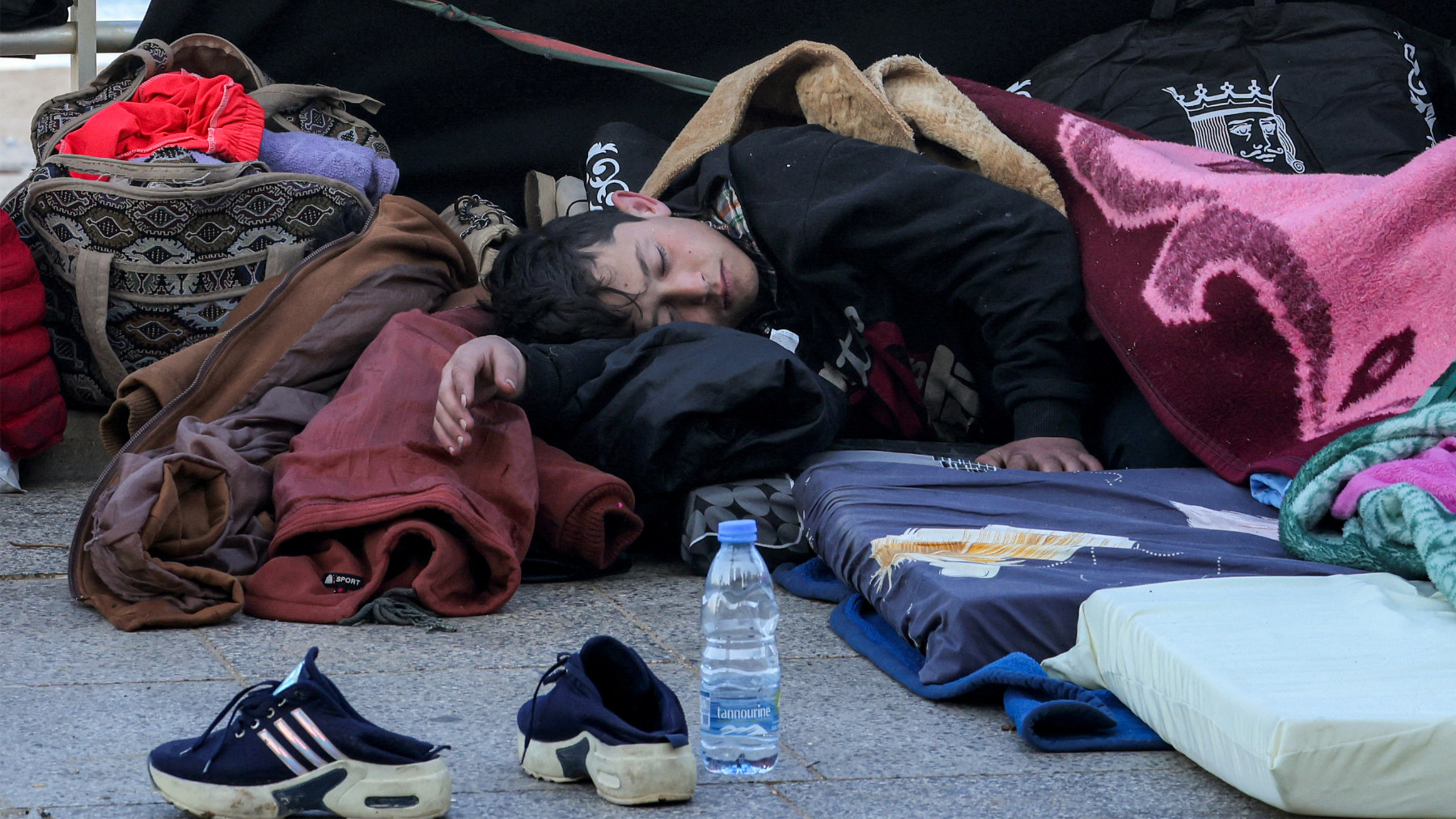
    The humanitarian crisis extends beyond immediate casualties. Displaced families, interviewed by Reuters, report dire conditions in shelters, including severe shortages of electricity, heating, and adequate sanitation facilities. The destruction of civilian infrastructure has been widespread, with at least 38 healthcare workers among the dead and essential services like water and education systems deliberately targeted—a violation of international humanitarian law, as highlighted by Chaiban.

    The current phase of conflict was triggered on February 28th when Hezbollah launched strikes in retaliation for the killing of an Iranian supreme leader in a joint US-Israeli operation. This shattered a tenuous ceasefire established in November 2024, which Israel had already violated hundreds of times through near-daily attacks and military occupation of southern territories.

    Israeli officials have signaled an intent to intensify the offensive. Finance Minister Bezalel Smotrich threatened that Beirut’s southern suburbs would resemble the decimated city of Khan Younis in Gaza. Defense Minister Israel Katz further warned that attacks would continue until Hezbollah is disarmed, vowing to inflict increasing damage on Lebanese national infrastructure.

    This hardline stance faces international skepticism and opposition. France’s special envoy for Lebanon stated that forcibly disarming Hezbollah under bombardment is an unrealistic short-term goal, a task that eluded Israel during its 18-year occupation of southern Lebanon. The leaders of Canada, France, Germany, Italy, and the UK issued a joint statement warning that a significant Israeli ground offensive would have ‘devastating humanitarian consequences’ and ‘must be averted.’ Hezbollah, for its part, maintains that disarmament is impossible as long as Israel poses a threat to the region.

    With the Norwegian Refugee Council reporting that 14% of Lebanon’s territory is now under Israeli evacuation orders, and critical infrastructure like the bridge over the Litani River being destroyed to cut off the south, the crisis shows no signs of abating. Aid organizations like Save the Children emphasize that the numbers represent young lives cut short and futures forever scarred by war.