标签: Asia

亚洲

  • They survived the bombs, but not the virus: Fatal illness spreads in Gaza

    They survived the bombs, but not the virus: Fatal illness spreads in Gaza

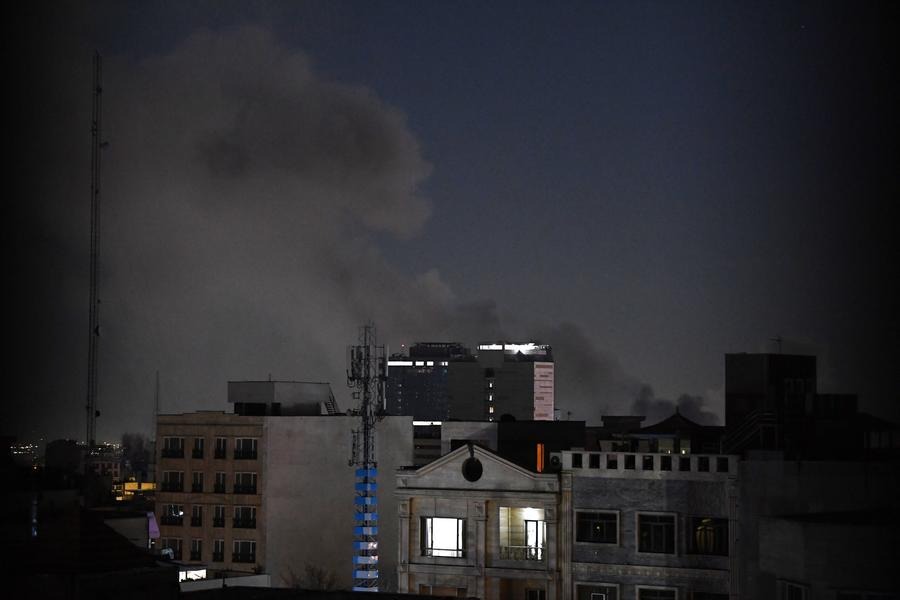
    A devastating health crisis is unfolding in Gaza as a mysterious and aggressive virus claims lives amidst the territory’s collapsed medical infrastructure and widespread malnutrition. The tragic case of eight-year-old Mariam Kalloub exemplifies this catastrophe—a child who survived two years of intense bombardment only to succumb to what began as flu-like symptoms.

    Medical authorities report an unprecedented surge in emergency admissions, exceeding 200% of normal capacity, with patients presenting severe respiratory infections, dangerously high fevers, and debilitating joint pain. The director of al-Shifa Medical Complex, Mohammed Abu Salmiya, confirms that hospital bed occupancy has reached 150-200% capacity, creating impossible conditions for effective treatment.

    The World Health Organization’s recent assessment reveals the systemic collapse: 55% of essential medicines are completely unavailable while 71% of basic medical supplies remain out of stock. This critical shortage coincides with a malnutrition crisis that has severely compromised immune systems across the population, particularly affecting children, elderly residents, and those with chronic illnesses.

    Doctors struggle to identify the precise nature of the virus due to destroyed laboratory facilities and inadequate testing equipment. Medical professionals note concerning patterns where symptoms briefly subside before returning with increased severity, especially among pediatric patients. The situation is further exacerbated by overcrowded displacement camps, contaminated water sources, and leaking temporary shelters that facilitate rapid disease transmission.

    Despite the October ceasefire, UN agencies report that 77% of Gaza’s population continues to face acute food insecurity, creating conditions where routine illnesses become life-threatening. Families describe impossible choices between enduring hours-long waits in overwhelmed clinics or watching loved ones suffer without access to antibiotics, pain relief, or even basic nutritional support.

    The healthcare collapse represents the culmination of two years of destruction that targeted medical facilities and created a public health disaster now claiming lives through preventable diseases and treatable conditions.

  • UAE hospital performs first robotic breast cancer reconstruction surgery

    UAE hospital performs first robotic breast cancer reconstruction surgery

    Abu Dhabi’s Cleveland Clinic has achieved a medical breakthrough by performing the United Arab Emirates’ first robotic-assisted breast reconstruction surgery. This revolutionary procedure marks a significant advancement in women’s healthcare and reconstructive surgery techniques.

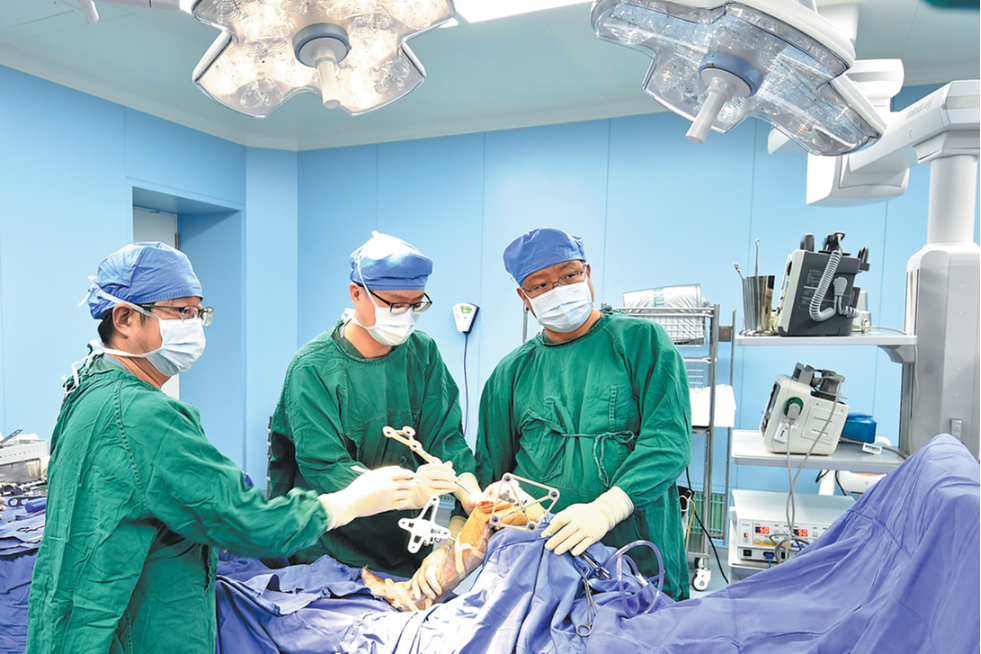
    The pioneering surgery was conducted on a breast cancer survivor by a multidisciplinary team led by Dr. Raffi Gurunian, Dr. Ahmad Matalkah, and Dr. Mario Cherubino. The surgical team utilized state-of-the-art robotic technology that provided three-dimensional visualization and ultra-precise instrumentation, enabling meticulous handling of blood vessels and minimal tissue trauma.

    Unlike traditional Deep Inferior Epigastric Perforator (DIEP) flap reconstruction—considered the current gold standard—this robotic approach allowed surgeons to harvest abdominal tissue through significantly smaller incisions while preserving muscle integrity. The harvested tissue was then successfully used to recreate a natural-looking breast with optimal aesthetic results.

    The patient experienced substantially reduced postoperative pain and accelerated recovery compared to conventional surgical methods. This breakthrough is particularly significant given breast cancer’s status as the most prevalent cancer among women in the UAE and worldwide.

    Dr. Gurunian emphasized the procedure’s transformative potential: ‘Robotic-assisted reconstruction represents the future of reconstructive surgery, providing minimally invasive solutions that reduce pain, abdominal complications, and recovery time. Completing this complex, high-precision surgery without complications demonstrates the tremendous potential of robotic technology in advancing patient care.’

    The successful implementation of this technique offers new hope for breast cancer survivors seeking natural reconstruction options while avoiding the abdominal weaknesses, hernia risks, and extended recovery periods associated with traditional methods.

  • China’s top political advisor stresses boosting new five-year plan off to a good start

    China’s top political advisor stresses boosting new five-year plan off to a good start

    In a pivotal economic symposium convened in Beijing, China’s senior political leader Wang Huning has issued a comprehensive directive for the nation’s strategic planning apparatus to ensure a robust commencement of the 15th Five-Year Plan (2026-2030). The high-level gathering, attended by numerous national policy advisors and economic specialists, focused on aligning China’s developmental trajectory with the guiding principles established during recent key Party assemblies.

    Wang, who serves on the Standing Committee of the Political Bureau of the Communist Party of China Central Committee and chairs the National Committee of the Chinese People’s Political Consultative Conference (CPPCC), emphasized the critical need for translating theoretical frameworks into practical economic policies. The symposium served as a platform for addressing fundamental theoretical and practical challenges anticipated during the forthcoming five-year developmental cycle.

    Eleven distinguished political consultants and one prominent economic analyst delivered presentations covering multifaceted aspects of China’s economic modernization. Key discussion points included the strategic integration of technological innovation with industrial advancement, synergistic stimulation of consumer markets and investment flows, and the systematic construction of a contemporary industrial ecosystem.

    Vice-Chairman Wang Yong of the CPPCC National Committee presided over the proceedings, which underscored the consultative body’s intensified commitment to conducting field investigations and research missions. These efforts are specifically designed to generate premium policy recommendations that will underpin China’s economic and social development objectives throughout the critical initial phase of the 2026-2030 planning period.

  • Over 1,000 media professionals register to cover Asian Beach Games in Sanya

    Over 1,000 media professionals register to cover Asian Beach Games in Sanya

    Sanya, Hainan Province is poised to become the epicenter of international sports media as over 1,000 media professionals from across the globe have officially registered to cover the upcoming Sixth Asian Beach Games. The massive media registration was confirmed during the World Press Briefing and World Broadcasters Meeting that concluded on January 20th in the coastal city.

    The two-day preparatory event brought together media delegates from numerous countries including Argentina, Bahrain, the Czech Republic, Finland, France, and Italy. These professionals gathered to finalize coverage strategies and conduct comprehensive assessments of the competition venues and media facilities.

    Zhou Jian, Director of the Olympic Council of Asia’s media and broadcasting department, emphasized the critical importance of the briefing session. “This gathering provided an invaluable opportunity for international media representatives to evaluate competition venues, assess broadcast infrastructure, and review the overall operational readiness for the Games,” he stated.

    International Sports Press Association President Gianni Merlo, in a video address, expressed strong confidence in China’s capability to host major sporting events. “China’s extensive experience in organizing multi-sport events has generated significant trust within the global media community,” Merlo remarked. He further characterized broadcasting as “a vital bridge between nations” and confirmed his anticipated attendance at the April event.

    Beyond the sporting spectacle, local officials highlighted the Games’ role in showcasing Hainan’s development as a free trade port. Li Xuanliang, Deputy Director of the Games’ executive committee, noted that the media gathering serves as a platform for regional exchange, enabling global audiences to appreciate both the athletic competitions and Hainan’s economic openness.

    Zhang Changfeng, Sanya’s Vice-Mayor and deputy secretary-general of the organizing committee, indicated that preparations have entered their crucial final phase. He extended an invitation to international media to help convey the city’s vibrant sporting atmosphere and traditional hospitality.

    Journalists participating in the briefing toured key venues including the Games Park at Tianya Haijiao and the Sanya Sports Center, where they inspected broadcast facilities and media workspaces. Many international correspondents reported experiencing Hainan’s visa-free entry policy under the island’s special customs operations, with several praising the convenience and efficiency of the process.

    As the first major international sports event in Hainan following the implementation of special customs operations, the Games are positioned to demonstrate the free trade port’s openness, policy advantages, and unique appeal to Asian and global audiences alike.

  • Around 4,000 cyberattack incidents originating from Taiwan investigated in 2025

    Around 4,000 cyberattack incidents originating from Taiwan investigated in 2025

    Chinese authorities disclosed on Wednesday that approximately 4,000 cyberattack incidents originating from Taiwan were investigated throughout 2025, marking a significant 25% increase compared to previous years. The announcement came from State Council Taiwan Affairs Office spokesman Peng Qing’en during a regular press briefing in Beijing.

    According to official statements, these coordinated cyber operations primarily targeted mainland China’s critical infrastructure sectors including transportation networks, financial systems, technological enterprises, and energy facilities. The attacks were allegedly orchestrated by Taiwan’s military intelligence agencies and specialized cyber units operating under the direction of the Democratic Progressive Party administration.

    Peng asserted that these activities were designed to both steal sensitive information and disseminate unlawful content across mainland digital platforms. The spokesman further condemned what he characterized as a pattern of deliberate provocation from Taiwanese authorities, accusing them of fabricating narratives about mainland cyber aggression to divert attention from domestic governance challenges and rising public dissatisfaction.

    These revelations follow previous cybersecurity disclosures involving Taiwanese military organizations, including units identified as ‘psychological warfare’ divisions and the group known as ‘Anonymous 64.’ The mainland’s cybersecurity infrastructure has reportedly been enhanced to detect and neutralize these cross-strait digital threats, though specific technical countermeasures were not detailed in the public announcement.

    The increased cyber hostilities occur amid ongoing political tensions between Beijing and Taipei, with cybersecurity emerging as a new frontier in cross-strait relations. Chinese officials emphasized their commitment to safeguarding national digital sovereignty while calling for peaceful resolution of differences through established diplomatic channels.

  • Looking for a job in UAE? Key sectors and in-demand roles in 2025 revealed

    Looking for a job in UAE? Key sectors and in-demand roles in 2025 revealed

    The United Arab Emirates has established itself as the Gulf region’s most balanced labor market in 2025, according to Naukrigulf’s Year End Report. This equilibrium stems from simultaneous hiring for both scale and specialized skills, creating diverse opportunities across multiple sectors.

    Construction and real estate sectors led hiring demand, closely followed by IT, telecommunications, internet services, and the oil, gas, and energy industries. This multi-sector growth has created one of the region’s most evenly distributed job markets.

    The most sought-after positions included engineering, sales, and software/IT roles, with particular demand for project managers, sales executives, and customer service representatives. The report identified HVAC expertise, accounting proficiency, and customer support capabilities as critical skills that provide competitive advantages for job seekers.

    GCC-wide analysis revealed traditional industries continued to dominate regional recruitment, with construction and energy sectors accounting for over 4.6 million candidate searches throughout the year. Employers across the Gulf showed heightened demand for engineering talent (850,000+ searches), sales professionals (800,000+ searches), and project management experts (775,000+ searches), reflecting the region’s execution-focused growth strategy.

    Despite robust hiring activity, employees faced significant negotiation challenges. Approximately 46% of job seekers cited salary expectation mismatches as their primary obstacle, while 32% struggled with articulating their personal value proposition. Additional challenges included handling counteroffers (18%) and negotiating benefits packages (4%).

    UAE professionals demonstrated evolving priorities beyond compensation, with professional development opportunities emerging as the most valued non-monetary benefit. This was followed by vacation time, comprehensive health benefits, and flexible working arrangements, indicating a growing emphasis on long-term career growth and work-life balance.

    The findings are based on insights from more than 9 million hiring interactions on Naukrigulf’s platform throughout 2025, supplemented by jobseeker sentiment data collected through monthly Gulf Pulse surveys across all GCC nations.

  • Sanya hosts international dragon, lion dance competition

    Sanya hosts international dragon, lion dance competition

    The coastal city of Sanya in Hainan Province transformed into a vibrant stage for traditional Chinese cultural arts as it hosted the 2026 Sanya Cup International Dragon and Lion Dance Elite Competition from January 18-19. The event brought together approximately 300 elite athletes representing 24 international teams at the picturesque Dadonghai scenic area.

    Competitors showcased extraordinary skill and artistry across multiple disciplines, including traditional dragon dance performances alongside both southern and northern styles of lion dancing. The two-day spectacle demonstrated the global appeal and evolving nature of these ancient performance traditions, which have become symbolic of Chinese cultural heritage worldwide.

    The international gathering served not only as a competitive platform but also as a cultural exchange forum, with participants from across the globe converging in Sanya’s tropical setting. The event highlighted China’s ongoing efforts to promote and preserve its intangible cultural heritage while fostering international appreciation for these dynamic art forms.

    The competition’s location in Sanya, a popular tropical destination, provided a striking backdrop that enhanced the visual impact of the colorful performances. Organizers successfully created an event that balanced competitive excellence with cultural celebration, drawing attention to the continuing relevance and adaptation of traditional arts in contemporary global contexts.

  • Mosuo boaters sing amid ethereal winter fog at Yunnan’s Lugu Lake

    Mosuo boaters sing amid ethereal winter fog at Yunnan’s Lugu Lake

    In the highland region of Yunnan province, Lugu Lake awakens each winter morning shrouded in an ethereal mist. As dawn breaks over the surrounding mountains, a timeless cultural tradition emerges from the fog. Local Mosuo ethnic community members navigate the tranquil waters in traditional dugout canoes, their ancient mountain songs reverberating across the lake’s surface.

    The Mosuo boaters provide visitors with an immersive cultural experience, blending natural beauty with living tradition. The combination of the lake’s atmospheric winter fog and the haunting melodies creates a surreal spectacle that has become a signature attraction of the Lijiang area. This daily ritual represents more than tourism—it’s a preservation of Mosuo heritage and connection to their ancestral environment.

    Photographers like Chen Fei have captured these mesmerizing scenes, showing how the Mosuo people maintain their cultural practices while sharing them with outsiders. The images reveal the perfect harmony between human activity and natural beauty, with the dugout canoes gliding effortlessly through the misty waters as songs echo against the mountainous backdrop.

    The phenomenon has gained attention as both a tourist attraction and an example of cultural preservation. Visitors to the region can experience this atmospheric performance firsthand, gaining insight into the Mosuo way of life while witnessing one of Yunnan’s most breathtaking natural settings.

  • Folk-themed train takes international tourists to China’s far north

    Folk-themed train takes international tourists to China’s far north

    A specialized cultural immersion experience unfolded aboard train K7041 as it departed Harbin Railway Station on Monday evening, transporting over 100 international tourists from Singapore, Malaysia, and various other nations toward Mohe—China’s northernmost urban center in Heilongjiang province.

    Operated by China Railway Harbin Group, this folk-themed journey transforms conventional rail travel into a mobile cultural showcase. Throughout the expedition, passengers engaged with the rich tapestry of Northeast China’s indigenous traditions through interactive demonstrations and participatory activities.

    The immersive experience featured authentic presentations of Ewenki birch bark pyrography, an ancient artistic practice utilizing heated tools to create intricate designs on tree bark. Travelers also enjoyed live performances of Oroqen folk music and observed delicate embroidery techniques passed down through generations.

    Beyond passive observation, the journey encouraged hands-on participation in traditional Northeast yangko dance—a vibrant folk dance style—alongside craft workshops including paper-cutting and dumpling making sessions. The cultural exploration extended to a traditional Manchu folk game, providing visitors with comprehensive insight into the region’s diverse ethnic heritage.

    This innovative travel concept represents China’s growing emphasis on experiential tourism that combines transportation with cultural education, offering international visitors an authentic encounter with remote regional traditions while showcasing the country’s ethnic diversity to global audiences.

  • Indonesian handprints are the oldest cave art found yet

    Indonesian handprints are the oldest cave art found yet

    A groundbreaking archaeological discovery in the caves of Sulawesi, Indonesia, has unveiled what researchers now identify as the world’s oldest known cave art. Meticulous analysis by a joint Indonesian-Australian research team has determined that distinctive hand stencils adorning the cave walls date back an astonishing 67,800 years, predating all previously studied rock art.

    The tan-colored artifacts were created through an sophisticated technique whereby prehistoric artists blew pigment over hands pressed against the cave surface, leaving behind precise negative outlines. Intriguingly, some stencils feature intentionally modified fingertips crafted to appear more pointed, suggesting symbolic or artistic intention beyond mere representation.

    This extraordinary find, detailed in Wednesday’s edition of Nature, positions Sulawesi as a cradle of ancient artistic culture. To establish the precise chronology, researchers employed advanced dating methods on mineral crusts that had formed over the artwork through millennia.

    Study author Maxime Aubert of Griffith University emphasized the significance of these stencils as evidence of a complex artistic tradition that potentially represented shared cultural practices among early human populations. While simpler markings on bones and stones exist from earlier periods, these Sulawesi creations represent the earliest emergence of figurative cave art.

    The discovery fuels ongoing scientific debate regarding which human species created these artworks. Potential creators include Denisovans—an ancient human group inhabiting the region—or early Homo sapiens migrants from Africa. The distinctive anatomical details preserved in the stencils strongly suggest human authorship.

    Separate figurative drawings found in the same cave system, depicting human forms, birds, and equine animals, were determined to be significantly younger at approximately 4,000 years old, indicating a long-standing artistic tradition.

    Researchers believe additional, potentially older artworks may await discovery throughout Indonesia’s island network. This finding not only pushes back the timeline of human artistic expression but opens new avenues for understanding how creative traditions spread across ancient human populations.

    As Aubert stated: ‘This discovery represents not an endpoint, but an invitation to continue our exploration of humanity’s artistic origins.’