标签: Asia

亚洲

  • Pakistani Taliban announces 3-day ceasefire after Pakistan, Afghanistan pause fighting ahead of Eid

    Pakistani Taliban announces 3-day ceasefire after Pakistan, Afghanistan pause fighting ahead of Eid

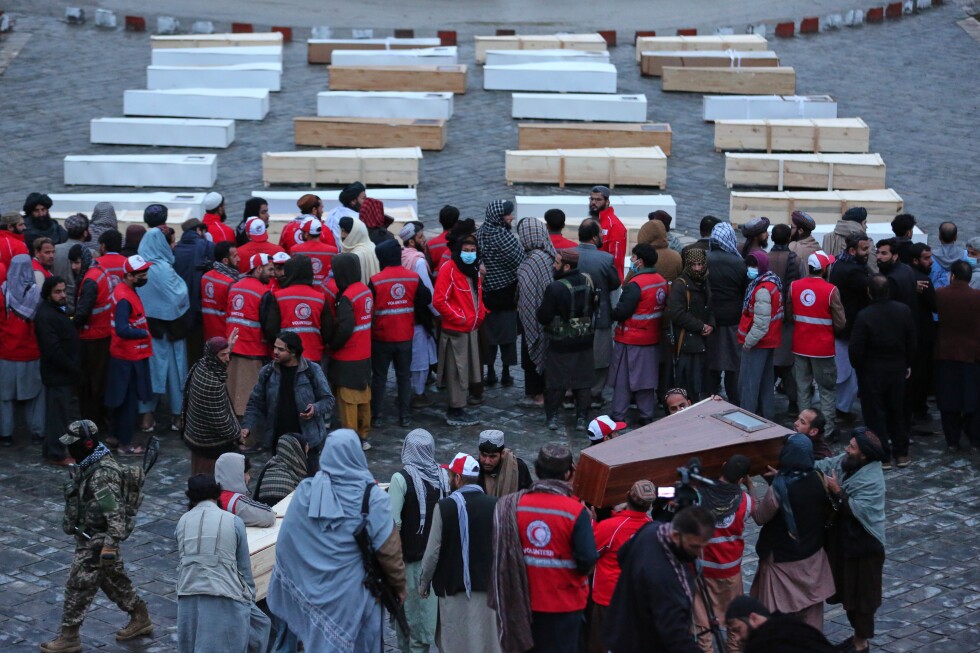
    A significant de-escalation has emerged along the Pakistan-Afghanistan border as both nations and a key militant faction announced separate ceasefire agreements ahead of the Eid al-Fitr holiday. The Tehrik-e-Taliban Pakistan (TTP), an outlawed militant organization responsible for numerous attacks, declared an unexpected three-day truce early Thursday to enable peaceful observance of the religious celebration.

    This development follows Pakistan and Afghanistan’s simultaneous announcement Wednesday of a temporary cessation of hostilities until Monday night, mediated through diplomatic efforts by Saudi Arabia, Turkey, and Qatar. The ceasefire marks the first period of calm since late February when cross-border clashes reignited between the neighboring countries.

    Mohammad Khurasani, TTP spokesperson, confirmed the militant group’s ceasefire would commence with the first day of Eid al-Fitr, expected to begin Friday pending moon sighting. The TTP, designated as a terrorist organization by both the United States and United Nations, has intensified operations within Pakistan since the Afghan Taliban’s return to power in 2021.

    The diplomatic breakthrough comes amid heightened tensions following recent airstrikes in Kabul. Afghan Taliban authorities reported 408 fatalities and 265 injuries from strikes targeting a drug rehabilitation center, though these figures remain unverified independently. Pakistan’s Information Minister Attaullah Tarar maintained that military operations specifically targeted ammunition depots, not medical facilities.

    The temporary truce represents the most significant diplomatic achievement since October, when the same mediating nations previously brokered a ceasefire arrangement between the conflicting parties.

  • India’s ceramic hub grinds to a halt as Iran war chokes gas supply

    India’s ceramic hub grinds to a halt as Iran war chokes gas supply

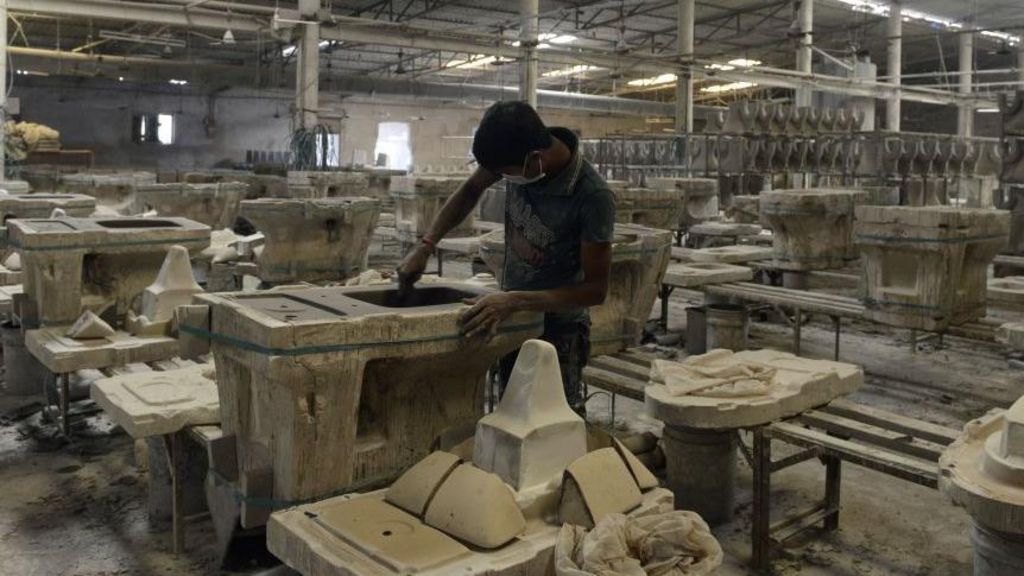
    India’s ceramics manufacturing heartland faces an unprecedented production halt as geopolitical tensions in the Middle East disrupt critical energy supplies. The industrial cluster of Morbi in Gujarat state—responsible for approximately 80% of the nation’s ceramic output—has witnessed approximately 550 factories suspending operations since late February.

    The manufacturing paralysis stems from severe disruptions in propane and natural gas deliveries, essential fuels for maintaining the high-temperature kilns required for ceramics production. This supply chain crisis originated from military exchanges between the US-Israel coalition and Iran in late February, which subsequently impaired maritime transit through the strategically vital Strait of Hormuz.

    Industry representatives indicate that while three Indian-flagged vessels have successfully navigated the conflict zone, at least 21 other ships remain stranded awaiting safe passage. The manufacturing standstill has created ripple effects across multiple dimensions:

    Economic Impact: With the ceramics sector valued at approximately ₹750 billion ($8.1 billion), the shutdown threatens both domestic supply chains and international export commitments. Morbi’s products regularly reach markets across the Middle East, Africa, and Europe.

    Workforce Consequences: Approximately 400,000 workers—including significant numbers of migrant laborers from northern and eastern India—face immediate livelihood challenges. Many are returning to their home regions as factory operations remain suspended until at least April 15th.

    Operational Challenges: Manufacturers report dual pressures—complete propane supply disappearance and highly volatile natural gas pricing—making production cost calculations impossible. The continuous nature of kiln operations means that abrupt shutdowns risk both equipment damage and product loss.

    Market Implications: Traders are currently relying on existing inventories, but warn of potential price increases and delivery delays if production doesn’t resume promptly. The industry’s extensive network of 3,000 distributors and sellers may face shortages by April if the situation persists.

    Government response has included prioritizing household, healthcare, and agricultural sectors for gas allocation while diplomatic efforts continue to stabilize energy imports. Foreign Minister S. Jaishankar has expressed optimism that negotiations with Iranian authorities will gradually restore normal shipping operations through the critical waterway.

  • China’s novel approach spreads its web

    China’s novel approach spreads its web

    A new literary phenomenon is sweeping across international publishing platforms as writers from diverse cultural backgrounds adopt Chinese web novel techniques to captivate global audiences. This emerging trend demonstrates how narrative structures originating from China’s digital publishing industry are resonating with creators and readers worldwide.

    Esther Akande, a 22-year-old Nigerian author writing under the pseudonym Lilac Everglade, represents this growing movement. Her fantasy work ‘Hades’ Cursed Luna’ – featuring werewolves, betrayal, and forbidden romance – has attracted millions of readers on WebNovel, the international platform operated by China’s publishing powerhouse Yuewen Group. What began as a personal creative outlet during difficult times has transformed into a sustainable career, with her writing income now funding education and home renovations.

    The distinctive appeal of these cross-cultural narratives lies in their unique structural elements. Chinese web fiction conventions emphasize rapid plot progression, reader satisfaction mechanisms, and elaborate world-building that maintain engagement. Even within darker thematic content, these stories typically incorporate humorous elements and complex relational dynamics that keep audiences invested.

    This literary cross-pollination extends beyond Africa. In Mexico, former biologist Daniel Dominguez (pen name Dagzo) has achieved notable success with ‘Weakest Beast Tamer Gets All SSS Dragons,’ where he creatively adapts Eastern spiritual cultivation concepts through a scientific biological perspective. This fusion of cultural frameworks demonstrates the versatility of Chinese narrative models when interpreted through different cultural lenses.

    The Shanghai International Online Literature Week, now in its fourth iteration, has become a gathering point for this global community of writers who are reshaping literary consumption patterns. These authors aren’t merely consuming Chinese popular culture but are actively employing its narrative frameworks to tell culturally hybrid stories that transcend geographical boundaries, creating a new paradigm in international digital literature.

  • Spring recruitment season highlights surging demand for talent in AI roles

    Spring recruitment season highlights surging demand for talent in AI roles

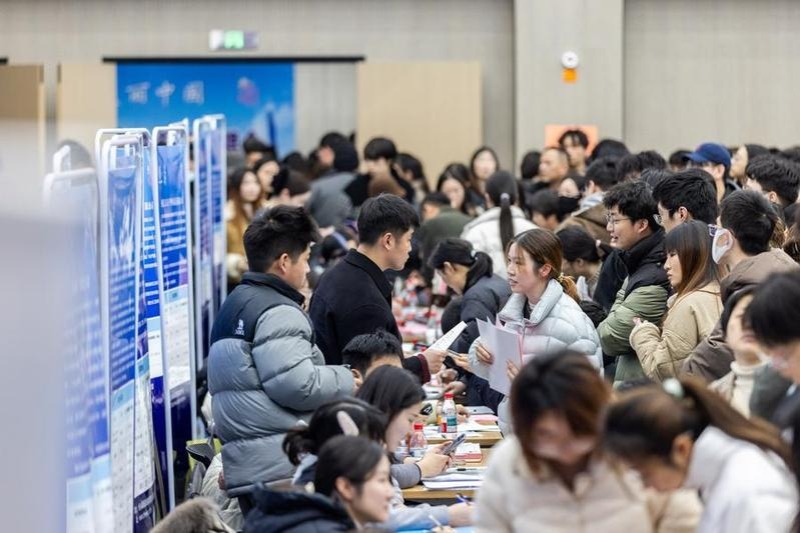
    China’s spring recruitment season has unveiled an unprecedented battle for artificial intelligence talent, with companies scrambling to secure skilled professionals amid explosive industry growth. Recent employment data reveals AI has become the most competitive sector in China’s job market, fundamentally reshaping recruitment strategies across the technology landscape.

    According to comprehensive reporting from domestic recruitment platform Maimai, AI-related job postings skyrocketed approximately twelvefold year-on-year during the first two months of 2026. This staggering growth dramatically outpaced the broader new economy sector, with AI positions now constituting 26.23% of all new economy jobs—a massive leap from just 2.29% the previous year.

    The intensifying competition has created severe talent shortages across specialized AI domains. High-performance computing engineers face the most critical deficit with a supply-demand ratio of 1:7, meaning only one qualified candidate exists for every seven open positions. Other roles experiencing acute shortages include simultaneous localization and mapping specialists, navigation algorithms engineers, and cloud computing experts.

    The recent emergence of OpenClaw’s open-source AI agent has further accelerated demand for AI application roles. Recruitment portal Zhaopin reported a 455% year-on-year surge in AI-related job postings during the first three weeks following the Spring Festival holiday.

    This demand translates into substantial financial incentives for qualified professionals. AI positions now offer average monthly salaries of 60,738 yuan ($8,837), representing a 26% premium over average compensation in the new economy sector.

    Industry experts attribute this hiring explosion to accelerating commercialization of large language models and expanding AI integration across business operations. Zhu Keli, founding director of the China Institute of New Economy, identifies three dominant trends reshaping internet industry employment: AI-centered specialization, vertically integrated scenarios, and increasingly hybrid skill requirements.

    “The job landscape is evolving from software-defined models toward hardware-software integration and physical-digital convergence,” Zhu noted. “Future employment value will be directly tied to technological implementation capabilities.”

    Major technology firms have responded with aggressive recruitment initiatives. Ant Group revealed that 85% of its current openings target technical roles, with over 70% specifically focused on AI including large model algorithms and multimodal generation. ByteDance announced its largest-ever internship program, planning to onboard more than 7,000 interns with over 60% allocated to AI-focused research and development. Meituan similarly launched recruitment programs emphasizing foundation models, AI applications, autonomous driving, and intelligent decision-making.

    Mo Rong, chief expert at the Chinese Academy of Labor and Social Security, emphasizes that AI literacy is becoming fundamental: “Digital proficiency and AI application capabilities are transforming into new ‘basic skills.’ Modern workers must understand AI principles and effectively utilize AI tools.”

    This shift is reflected in job requirements, with 34.39% of new positions explicitly mandating AI or large model-related skills—a significant increase from 22.35% year-on-year. Job seekers are actively adapting, with Liepin reporting a 139.67% year-on-year surge in resumes highlighting AI tool proficiency during the post-Spring Festival period.

    As technological evolution continues to shorten skill shelf lives, experts stress that continuous learning and adaptability have become professional necessities in China’s rapidly transforming digital economy.
  • Experts: Too soon to predict El Nino effect

    Experts: Too soon to predict El Nino effect

    Climate specialists from China’s National Climate Center are advising the public to treat dire social media warnings about an impending super El Niño event with measured skepticism. While online discourse has been rife with predictions of record-breaking heat and extreme weather patterns for 2026-2027, experts emphasize that current scientific modeling cannot yet confirm these alarming forecasts.

    The administration’s monitoring data indicates that lingering La Niña conditions—characterized by cooler-than-average sea surface temperatures in the central and eastern equatorial Pacific—are gradually weakening. This transition suggests the tropical Pacific could potentially shift toward an El Niño state later this year, though significant uncertainties remain regarding the timing, intensity, and specific characteristics of such an event.

    Liu Yunyun, Director of the Climate Prediction Division at the National Climate Center, clarified the current scientific understanding: ‘While probability models indicate a strong possibility that the central and eastern equatorial Pacific will enter an El Niño phase during the latter half of this year, accurately predicting its precise onset or overall intensity remains beyond our current capabilities.’

    The El Niño-Southern Oscillation (ENSO) represents a naturally recurring climate pattern involving complex interactions between ocean temperatures and atmospheric conditions across the tropical Pacific. This phenomenon typically cycles every three to seven years and exerts considerable influence on global weather systems.

    Scientific classification of ENSO phases relies on meticulous measurement of sea surface temperature anomalies in the central and eastern tropical Pacific. A sustained three-month average anomaly exceeding 0.5°C for at least five consecutive months indicates El Niño conditions, while a consistent anomaly below -0.5°C signifies La Niña.

    Chen Lijuan, Chief Forecaster at the center’s climate prediction division, provided additional context: ‘Historical data confirms that El Niño events frequently correlate with increases in global average temperatures. However, the magnitude of warming and the severity of extreme weather events depend critically on the specific strength, type, and regional climate responses to any developing event. At this preliminary stage, declaring that a super El Niño will materialize and inevitably produce the hottest year on record would be scientifically premature.’

    Experts specifically cautioned against uncritical acceptance of social media narratives predicting ‘the hottest year’ or catastrophic weather scenarios, noting that such discussions often exaggerate or misrepresent the nuanced findings of climate science. Chen emphasized the importance of interpreting climate predictions with appropriate caution, given the substantial uncertainties surrounding the timing, intensity, and regional impacts of any potential El Niño development.

  • The Datong Code EP.2 | Intangible cultural heritage micro-drama series | PKU presents

    The Datong Code EP.2 | Intangible cultural heritage micro-drama series | PKU presents

    Peking University has unveiled the second episode of its groundbreaking micro-drama series “The Datong Code,” creating an innovative fusion of cultural heritage preservation and digital storytelling. The production follows protagonist Kai (portrayed by Abdelquoddousse Kailil from PKU School of Chinese as a Second Language) as he navigates a mysterious world where losing means permanent disappearance.

    In this latest installment, Kai mistakenly identifies a discovered element as Fire, only to learn that the universe of The Datong Code operates under its own distinct rules. Guided by Yuwen (played by Hou Shuyue from PKU School of Journalism and Communication) while evading pursuit by enigmatic hunters, Kai’s journey leads him to an extraordinary encounter with Guangling paper-cutting artistry.

    The narrative strategically introduces Master Artisan Zhang Duotang, the representative inheritor of this ancient technique. Guangling paper-cutting holds prestigious recognition as part of Chinese paper-cutting, which UNESCO has designated as an item of Intangible Cultural Heritage. The episode creatively explores the ambiguous nature of this art form—challenging characters and viewers alike to determine whether it constitutes painting, sculpture, or something entirely unique within the artistic spectrum.

    The production masterfully incorporates suspenseful elements, emphasizing how a single touch could irrevocably alter the course of events. This approach not only maintains dramatic tension but also symbolically represents the fragile nature of cultural preservation—where each action carries significant consequences for heritage conservation.

    Peking University’s initiative represents a pioneering approach to cultural education, utilizing digital media to engage global audiences with China’s rich intangible cultural heritage. By embedding authentic cultural elements within an accessible narrative framework, the series demonstrates how academic institutions can innovatively contribute to heritage preservation and cross-cultural understanding.

  • Olympic cyclist who ran over wife under fire over Porsche post

    Olympic cyclist who ran over wife under fire over Porsche post

    Former Olympic cyclist Rohan Dennis has drawn severe criticism from victim advocacy groups for a social media post featuring a Porsche described as an “absolute weapon,” just over a year after receiving a suspended sentence for his role in the death of his wife, fellow Olympian Melissa Hoskins.

    The controversial Instagram post, showing a freshly cleaned black Porsche with the caption “What an absolute weapon,” appeared on Dennis’ account despite his current driving ban. South Australia’s Victims’ Rights Commissioner Sarah Quick condemned the post as “deeply offensive” and demonstrating “a clear lack of insight into the real and lasting impact” of his actions.

    The incident occurred in December 2023 outside the couple’s Adelaide home following an argument about kitchen renovations. Court proceedings revealed that Dennis entered his vehicle to depart during the dispute, prompting Hoskins to jump onto the bonnet and later cling to the car door as Dennis continued driving. She subsequently fell and was struck by the vehicle, sustaining fatal injuries.

    Although initially facing more serious charges of dangerous driving causing death, Dennis ultimately pleaded guilty to the lesser charge of creating the likelihood of harm. Judge Ian Press acknowledged Dennis’ remorse and sense of responsibility while noting his attempt to de-escalate the argument by driving away didn’t excuse continuing to operate the vehicle with his wife positioned dangerously.

    Dennis received a 17-month suspended sentence with no criminal conviction recorded for Hoskins’ death. The court recognized that the champion cyclist wasn’t criminally responsible for her death but had disregarded her safety.

    Following media coverage of the Porsche post, Dennis made additional social media content describing his children as “absolute weapons” and criticizing journalists seeking comment. His Instagram account had remained largely inactive since the tragedy, with the last family photo posted just days before the fatal incident.

    Both athletes had distinguished cycling careers—Hoskins as a 2015 world champion in team pursuit and two-time Olympian, while Dennis earned Olympic silver and bronze medals across multiple Games before retiring at the end of the 2023 season.

  • Iran’s nuclear materials and equipment by no means ‘obliterated’

    Iran’s nuclear materials and equipment by no means ‘obliterated’

    Despite President Trump’s declaration that military strikes had ‘completely obliterated’ Iran’s nuclear capabilities, emerging evidence suggests Tehran’s enriched uranium stockpiles remain largely intact within fortified underground facilities. The ongoing conflict has created a precarious nuclear standoff with no clear resolution strategy from the administration.

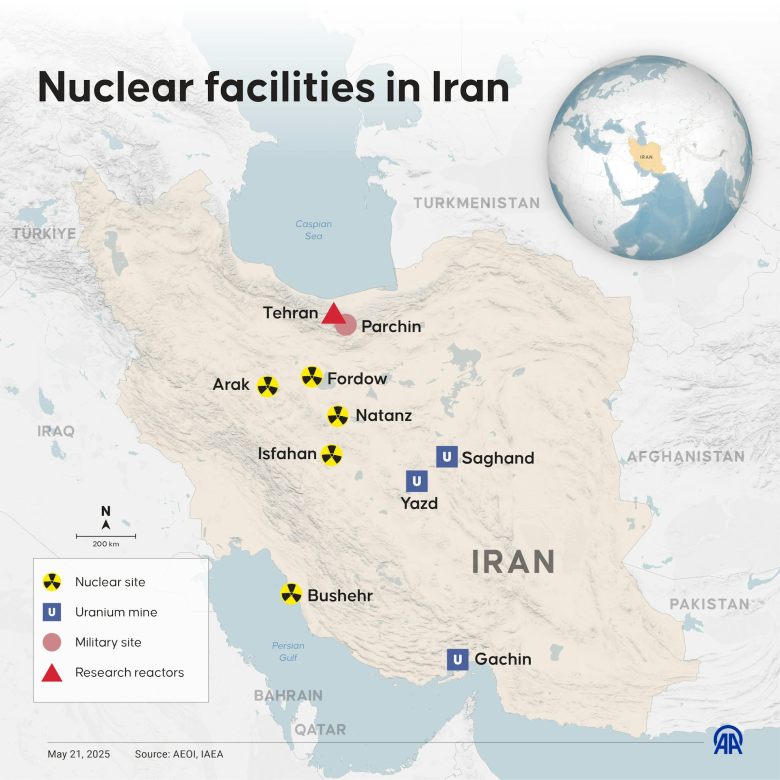
    According to intelligence assessments, approximately 441 kilograms of 60% enriched uranium—material capable of weapons conversion—survived the June 2025 bombings. These critical stockpiles are believed to be secured within deep tunnel networks near Isfahan, the Pickaxe Mountain facility at Natanz, and the previously targeted Fordow site. Military officials acknowledge the practical impossibility of destroying these deeply buried facilities using conventional bunker-buster munitions.

    The survival of these materials presents multiple security dilemmas: Iran could potentially weaponize existing stocks within weeks, unauthorized transfers could occur during governmental instability, or terrorist organizations might eventually access the materials. The situation echoes post-Soviet collapse concerns regarding loose nuclear materials.

    Options for addressing the threat range from diplomatic engagement to high-risk military operations. Cooperative removal, similar to Project Sapphire’s 1994 operation in Kazakhstan, remains theoretically possible but politically challenging. Alternatively, special forces operations could attempt secure or disable the materials, though defense experts warn such missions would be ‘very perilous’ and require substantial military commitment.

    Complicating matters further, Iran maintains additional nuclear assets including 6 tons of 5% enriched uranium, centrifuge arrays, weapons design documentation, and scientific expertise—all essentially immune to aerial bombardment. The persistence of these capabilities suggests the military campaign may have inadvertently strengthened Iran’s determination to pursue nuclear weapons while failing to eliminate the fundamental threat.

    The current impasse highlights the limitations of military solutions against distributed nuclear programs. Many experts argue that durable security ultimately requires diplomatic frameworks similar to the 2015 JCPOA agreement, which the Trump administration abandoned in 2018. The ongoing conflict has likely diminished prospects for such diplomatic solutions for the foreseeable future, creating enduring nuclear security challenges in the region.

  • Indonesia detains four soldiers over acid attack on activist

    Indonesia detains four soldiers over acid attack on activist

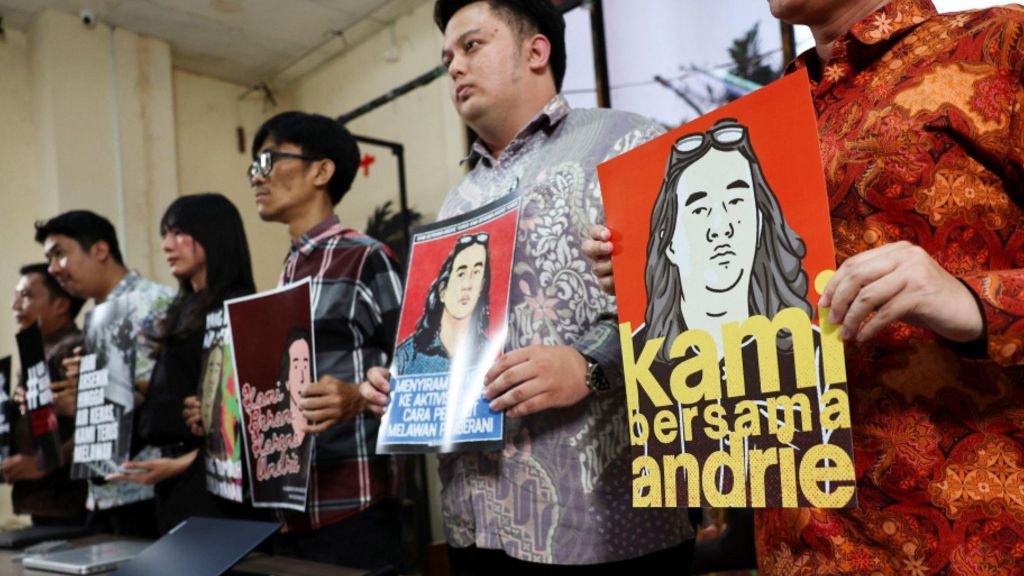
    Indonesian military authorities have taken four intelligence personnel into custody following their alleged involvement in a brutal acid assault on prominent human rights advocate Andrie Yunus. The attack occurred last week when two assailants on a motorcycle doused Yunus with corrosive liquid while he was riding his motorcycle in Jakarta.

    Yunus, a leading investigator with KontraS (Commission for the Disappeared and Victims of Violence), sustained severe chemical burns covering approximately 20% of his body, including his hands, facial area, chest region, and eyes. The assault transpired shortly after Yunus had recorded a podcast discussing the military’s expanding influence within Indonesia’s political landscape.

    The incident has triggered widespread condemnation from international human rights organizations and domestic civil society groups. Volker Türk, the United Nations High Commissioner for Human Rights, expressed profound concern regarding the attack, while KontraS characterized it as a deliberate attempt to suppress critical voices against military overreach.

    Military Police Commander Yusri Nuryanto confirmed that investigations are underway to establish the precise motive behind the assault. The detained soldiers belong to military intelligence units, raising serious questions about institutional accountability.

    Human rights organizations have documented that Yunus had received multiple threatening communications from unidentified sources in the days preceding the attack. The Civil Society Coalition, an umbrella organization representing various rights groups, revealed that Yunus had been investigating authorities’ handling of violent anti-government demonstrations that occurred last year.

    President Prabowo Subianto, a former military general, faces mounting pressure to authorize an independent probe into the incident. While the president has not personally addressed these demands, his spokesperson announced on Tuesday that Subianto has mandated an “objective, transparent, and expedited investigation” into the matter.

    This attack highlights ongoing concerns about the safety of activists in Indonesia, where rights defenders have repeatedly reported intimidation tactics including threatening messages, animal carcasses, and incendiary devices directed at those criticizing government policies.

  • Overnight storm in Pakistan’s largest city, Karachi, kills at least 15 people and injures several

    Overnight storm in Pakistan’s largest city, Karachi, kills at least 15 people and injures several

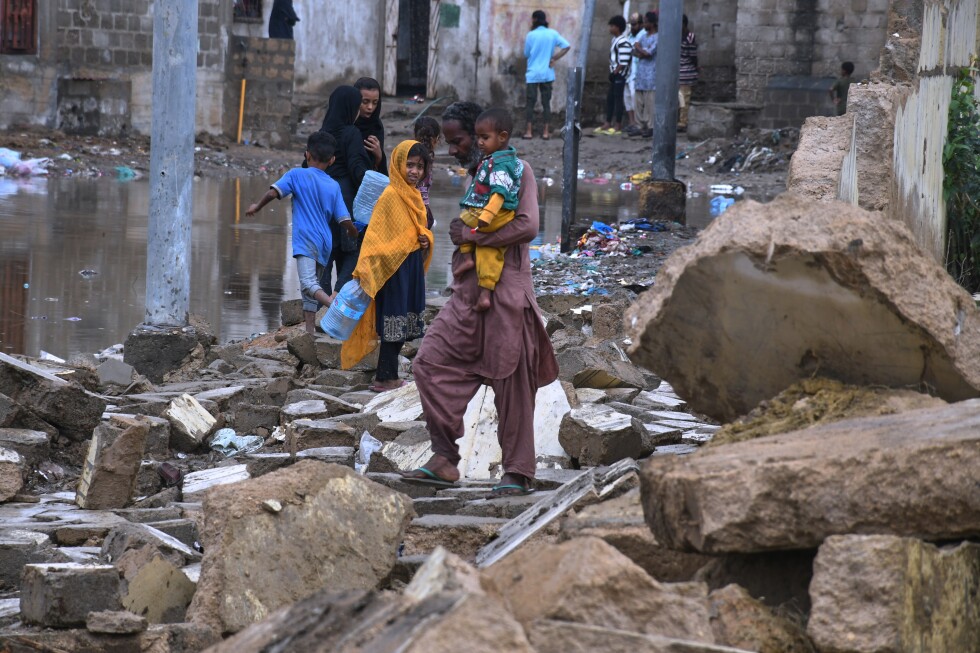
    A severe weather system pummeled Pakistan’s port metropolis of Karachi overnight, resulting in significant casualties and widespread disruption. Emergency services confirmed a death toll of at least 15 individuals, with more than two dozen others sustaining injuries, following a night of torrential rains and destructive winds exceeding 90 kilometers per hour (56 mph).

    The tempest, which commenced on Wednesday and persisted through the night, triggered multiple structural failures across the city. Officials reported that the fatalities and injuries were primarily caused by the collapse of residential walls and roofs under the force of the storm. The main city hospital received numerous casualties as the emergency response was activated.

    Beyond the human toll, the powerful winds wreaked havoc on urban infrastructure. Countless roadside trees were uprooted, blocking major thoroughfares and bringing traffic to a standstill. Municipal crews, under the direction of Karachi Mayor Murtaza Wahab, initiated large-scale clearance operations to restore access. Authorities issued repeated advisories, urging the city’s millions of residents to remain indoors and avoid all non-essential travel to facilitate rescue efforts and prevent further accidents.

    The Pakistan Meteorological Department attributed the extreme conditions to a westerly weather system moving across the southern region. Forecasters have issued further warnings, predicting continued rain and thunderstorms with strong gusts and potential isolated hailstorms for Karachi and surrounding areas of Sindh province. Similar severe weather was also reported impacting other regions across the nation, indicating a widespread climatic event.