TOKYO – New developments in a cross-border legal case have added another layer of tension to already frayed relations between China and Japan, after Japanese government officials confirmed Wednesday that Chinese authorities have taken two Japanese citizens into custody on suspicion of smuggling prohibited import and export goods. Multiple sources indicate the case centers on rare earths — the strategically critical industrial materials whose global supply chain is overwhelmingly dominated by Beijing.
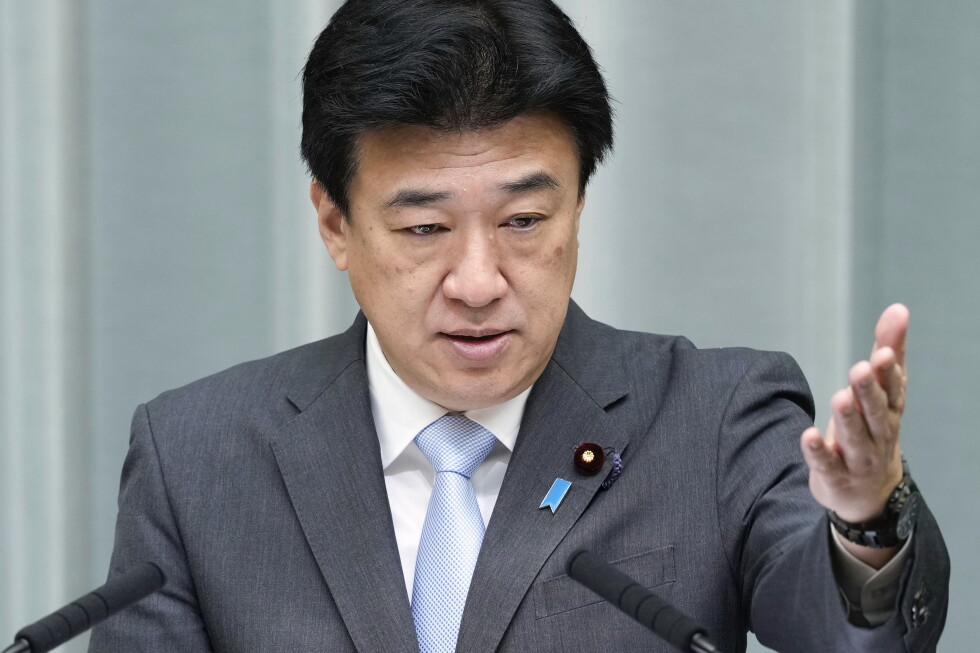
Japan’s top government spokesperson, Chief Cabinet Secretary Minoru Kihara, told reporters in Tokyo that Chinese customs officials notified Japanese consular missions in the northeastern Chinese cities of Shenyang and Dalian of the detentions. The first individual was taken into custody on May 18, with the second apprehended one week later as part of the same investigation, Kihara confirmed. While Kihara stated that both detained Japanese nationals are reported to be in good health, he declined to disclose additional personal information about the pair or further details of the ongoing probe, citing protections for personal privacy and the active status of the investigation.
In Beijing, Chinese Foreign Ministry spokesperson Guo Jiakun has formally confirmed the detentions, confirming that the two men are held on suspicion of violating Chinese national laws. Guo offered no specific information on the nature of the prohibited items involved, but urged the Japanese government to take steps to educate and remind all Japanese citizens and companies operating within Chinese borders of the requirement to comply fully with Chinese laws and regulations in all commercial and personal activities.
Japan’s Kyodo News Agency, citing unnamed sources familiar with the case, has reported that the two detainees are employees of a major Japanese manufacturing firm, with one working at the company’s local Chinese subsidiary. The report added that the alleged smuggling attempt involves rare earth-related materials, whose unauthorized cross-border transport violates Chinese trade control regulations.
This latest legal incident comes five months after Beijing implemented a formal ban on exports of certain dual-use goods — materials that can be repurposed for both civilian and military applications — to Japan. While Chinese authorities have stressed that the new export controls do not disrupt legitimate commercial trade, official trade data has already recorded a measurable drop in Chinese exports of rare earth magnets to Japan since the policy took effect.
Bilateral relations between the two major Asia-Pacific economies have been under growing strain for months. The most significant rift opened late last year, when Japanese Prime Minister Sanae Takaichi broke with decades of Japanese strategic ambiguity on the Taiwan issue, suggesting that a Chinese military move against the self-governing island of Taiwan — which Beijing claims as an inalienable part of its territory — would justify a Japanese military response. This incident was not the only source of tension in recent years; last year, a Japanese national detained in China since March 2023 was sentenced to three and a half years in prison on charges of espionage, further eroding trust between the two governments.
Associated Press correspondent Ken Moritsugu contributed reporting from Beijing for this article.