标签: Asia

亚洲

  • At least 8 killed in huge blast at a police station in Indian-controlled Kashmir

    At least 8 killed in huge blast at a police station in Indian-controlled Kashmir

    A devastating explosion at a police station in Srinagar, the main city of Indian-administered Kashmir, has resulted in at least eight fatalities and 27 injuries, according to authorities. The incident occurred late Friday in the Nowgam area when forensic experts and police officers were examining a cache of confiscated explosives. The powerful blast destroyed the police station, ignited fires across the compound, and damaged multiple vehicles. Rescue efforts were hampered by subsequent smaller explosions, delaying the bomb disposal squad’s response. Most of the victims were police and forensic personnel, with several injured individuals reported to be in critical condition. This tragedy follows a car explosion in New Delhi earlier in the week, which claimed eight lives and was labeled a terror attack by Indian officials. The Srinagar explosion is believed to be connected to an ongoing investigation into a suspected militant cell operating from Kashmir to the outskirts of New Delhi. Recent raids in Kashmir have led to arrests and the seizure of weapons and bomb-making materials. The explosive material involved in the police station blast was reportedly part of the evidence collected during these operations. The Kashmir region remains a contentious issue between India and Pakistan, with both nations claiming sovereignty over the territory. Militants in Indian-controlled Kashmir have been resisting New Delhi’s rule since 1989, with India accusing Pakistan of sponsoring terrorism, a claim Pakistan denies. Many Kashmiris view the conflict as a legitimate struggle for freedom.

  • German Baumkuchen ‘tree cake’ survived a disaster and world wars to become a Japanese favorite

    German Baumkuchen ‘tree cake’ survived a disaster and world wars to become a Japanese favorite

    Baumkuchen, a traditional German cake, has found an unexpected home in Japan, where it has evolved into a symbol of longevity and prosperity. This culinary journey began over a century ago on the small island of Ninoshima, near Hiroshima, where Karl Juchheim, a German prisoner of war, first introduced the treat during World War I. Today, Baumkuchen is celebrated across Japan, with festivals dedicated to the cake and various Japanese adaptations, such as those incorporating matcha and sweet potatoes, becoming popular gifts for weddings and birthdays. The cake is widely available, from luxury department stores to convenience stores, reflecting its deep integration into Japanese culture. However, the origins of Baumkuchen in Japan are intertwined with the island’s wartime history. Ninoshima served as a quarantine station during Japan’s militarist expansion and later as a treatment center for victims of the Hiroshima atomic bombing. Juchheim’s resilience and dedication to his craft, despite the devastation of war, left a lasting legacy. His story, as told by Kazuaki Otani of the Juccheim Ninoshima Welcome Center, serves as a poignant reminder of the human desire for peace and the power of cultural exchange. Visitors to Ninoshima can now participate in Baumkuchen-making activities while learning about the island’s historical significance. Juchheim’s journey from prisoner to confectionery pioneer highlights the enduring impact of his work, which continues to bring joy and reflection to people across Japan.

  • China’s investment drop highlights property-driven pressures

    China’s investment drop highlights property-driven pressures

    China’s fixed asset investment (FAI) experienced a significant downturn in October, reflecting mounting pressures on the real economy as the ongoing property crisis continues to dampen economic activity. According to the National Bureau of Statistics (NBS), the cumulative FAI for the first ten months of 2023 stood at 40.89 trillion yuan ($5.7 trillion), marking a 1.7% year-on-year contraction. This represents a sharp deterioration compared to the 0.5% decline recorded in the first nine months of the year. In October alone, FAI plummeted by 12% to 3.74 trillion yuan, down from 4.25 trillion yuan in the same period last year. All three major sectors—primary, secondary, and tertiary industries—registered declines, with residential property development investment dropping 13.8% year-on-year to 5.66 trillion yuan in the first ten months. The property sector’s slump has been a significant drag on overall investment, accounting for a three-percentage-point reduction in growth. Despite these challenges, NBS spokesperson Fu Linghui emphasized that excluding real estate, FAI grew by 1.7% during the same period. He also highlighted robust expansion in high-tech industries, with aerospace manufacturing up 19.7% and information services investment surging 32.7%. However, analysts caution that China’s economy is entering the final quarter on a weakening trajectory, with softer industrial output and sluggish household consumption exacerbating the slowdown. The property market’s downward spiral, triggered by the Evergrande Group debt crisis in 2020, continues to weigh heavily on consumer confidence and investment. Home prices in major cities have shown broad-based declines, with first-tier cities experiencing a 4.4% year-on-year drop in October. Experts predict further adjustments in housing prices over the next three years, with some regions potentially hitting historic lows. The prolonged correction in the property sector reflects a deliberate policy shift away from property-led growth, but a genuine recovery will depend on rebuilding fundamentals such as employment, income growth, and social protections. Meanwhile, falling home prices are eroding household wealth, with over 70% of family assets tied to property, leading to reduced consumption and job market pressures. As China navigates these challenges, policymakers face the delicate task of balancing structural reforms with short-term stabilization measures.

  • UAE: Will Smith excited to dig into ‘thousands of years of stories in Middle East’

    UAE: Will Smith excited to dig into ‘thousands of years of stories in Middle East’

    The Sharjah International Book Fair (SIBF) witnessed an electrifying evening as Hollywood icon Will Smith graced the event, captivating audiences with his insights on storytelling and personal growth. The 57-year-old actor, dressed in a crisp white shirt and radiating his trademark charm, engaged in a heartfelt conversation with Emirati entrepreneur Anas Bukhash, leaving the crowd inspired and reflective. Smith’s appearance was met with enthusiastic cheers, with children perched on shoulders and attendees standing on seats to catch a glimpse of the star. A montage of his iconic film moments set the stage for his entrance, building anticipation for the evening’s dialogue. Smith, who authored the bestselling memoir ‘Will’ in 2021, described the writing process as a transformative experience that deepened his humility and self-awareness. ‘I encourage everyone to write your story,’ he urged. ‘It’s an enlightening process to articulate your experiences.’ He emphasized the universal power of storytelling, noting that narratives transcend cultural and racial boundaries. ‘There are universally relatable ideas that connect us all,’ he said. ‘My gift is identifying those elements that don’t require language to resonate.’ Smith expressed his excitement about the Middle East’s untapped storytelling potential, describing the region as a treasure trove of narratives spanning thousands of years. ‘I’m thrilled to collaborate with creatives here, uncover these stories, and bring them to the world,’ he shared. Reflecting on his personal journey, Smith spoke candidly about the pitfalls of social media and the importance of self-esteem. ‘Success in the material world doesn’t equate to happiness,’ he observed. ‘True fulfillment comes from knowing your work and gifts benefit others.’ He advised the audience to disconnect from digital distractions and embrace solitude for mental clarity. Smith also revealed his ongoing quest to reclaim his self-esteem from external validation, a process he described as a quiet but profound transformation. The event concluded with resounding applause, as attendees left with a renewed appreciation for storytelling and self-discovery.

  • Prashant Kishor: Why India’s political start-ups rarely succeed

    Prashant Kishor: Why India’s political start-ups rarely succeed

    Prashant Kishor, once India’s most sought-after political strategist, faced a stark reality when his newly formed party, Jan Suraaj (People’s Good Governance), failed to secure a single seat in the Bihar state elections. Despite his extensive two-year grassroots campaign and a well-organized effort to field candidates across all 243 seats, Jan Suraaj garnered only a fraction of the votes, while the BJP-led alliance swept to power. Kishor’s transition from a behind-the-scenes strategist to a frontline political leader proved challenging, as his party struggled to convert media attention into electoral success. Political analysts attribute this failure to the lack of a deep-rooted social base and the absence of a mass movement or crisis that typically propels new parties to relevance. Unlike successful new parties such as the Aam Aadmi Party (AAP), which emerged from a strong anti-corruption movement, Jan Suraaj was perceived as a strategic project rather than an organic political force. Kishor’s decision not to contest a seat himself further raised doubts about his commitment. The Bihar elections underscored a critical lesson in Indian politics: media hype and visibility alone cannot substitute for ground strength and a loyal constituency. However, some experts believe that if Jan Suraaj can sustain its grassroots presence and cultivate local leadership, it may gradually build influence in Bihar’s evolving political landscape.

  • From nukes to AI-powered drones: Saudi Arabia’s sophisticated wishlist for Washington

    From nukes to AI-powered drones: Saudi Arabia’s sophisticated wishlist for Washington

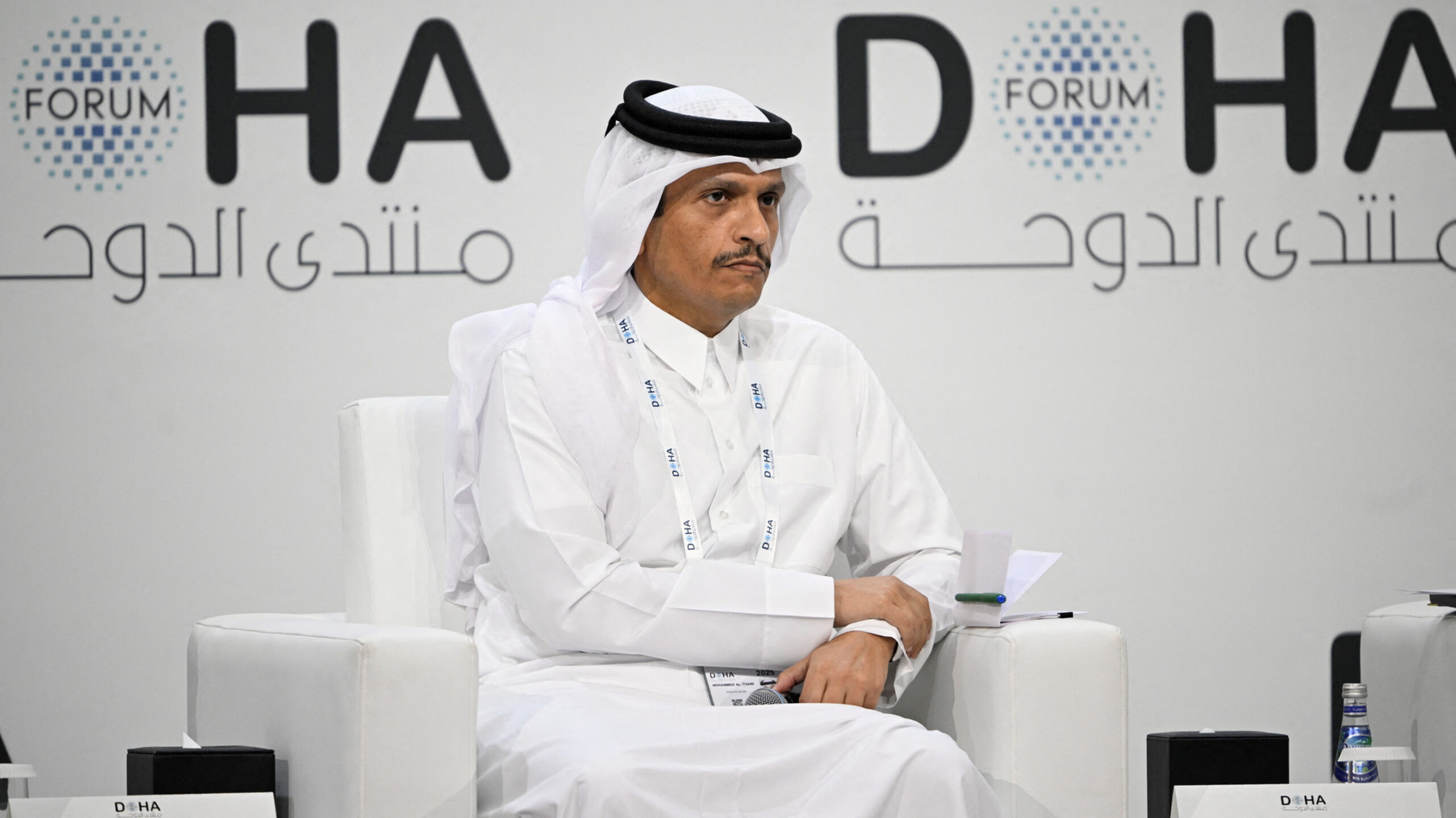
    Saudi Arabia’s Crown Prince Mohammed bin Salman (MBS) is set to embark on a high-stakes visit to Washington, aiming to secure a landmark defense agreement that surpasses Qatar’s recent deals. His ambitious agenda includes acquiring advanced AI chips, AI-powered drones, and potentially positioning American nuclear weapons on Saudi soil. This visit underscores MBS’s growing confidence as a regional leader, having navigated intense geopolitical pressures, including calls to normalize ties with Israel amid the ongoing conflict in Gaza and maintaining neutrality during the Israel-Iran tensions earlier this year.

    On the other side of the negotiating table is President Donald Trump, who appears willing to leverage America’s cutting-edge nuclear and AI technologies to forge a robust partnership with Saudi Arabia. Analysts suggest that Trump’s focus on boosting foreign sales aligns with Saudi Arabia’s financial capacity to invest heavily in defense and technology, despite global economic uncertainties.

    MBS’s visit marks a departure from traditional Middle Eastern leaders’ approaches to Washington. Unlike past deals that primarily benefited American defense contractors like Boeing and Lockheed Martin, MBS’s sophisticated wishlist reflects Saudi Arabia’s vision of a modern, forward-thinking kingdom. Ayham Kamel, Middle East president at Edelman Public and Government Affairs, notes that MBS seeks to strengthen long-term US-Saudi cooperation, emphasizing a two-way flow of technology and trade.

    A key area of focus is Saudi Arabia’s push for inclusion under the US nuclear umbrella, a move that would elevate its strategic position in the region. This follows a recent defense pact with Pakistan, the only nuclear-armed Muslim state, which has raised eyebrows in Washington. Experts suggest that extending US nuclear protection to Saudi Arabia could serve as a counterbalance to Pakistan’s influence and enhance Riyadh’s regional standing.

    However, the negotiations are not without challenges. The Trump administration’s approval of an Israeli attack on Qatar in 2023 has undermined the US’s role as a regional security guarantor, prompting Saudi Arabia to seek more credible and binding defense arrangements. Riyadh is wary of symbolic gestures and is pushing for concrete commitments, including the potential deployment of US nuclear weapons systems on its soil.

    In addition to defense, Saudi Arabia is eyeing significant advancements in AI and nuclear energy. The kingdom aims to enrich uranium domestically, a move that aligns with its economic ambitions and national pride. While the US has historically opposed uranium enrichment in the region, experts speculate that Trump may offer concessions in exchange for lucrative business deals with American companies like Westinghouse and Bechtel.

    MBS’s visit also highlights Saudi Arabia’s efforts to decouple its bilateral agreements with the US from the contentious issue of normalizing ties with Israel. Despite Trump’s claims that Riyadh will establish diplomatic relations with Israel by year-end, Saudi officials remain reluctant, insisting on progress toward an independent Palestinian state.

    As MBS arrives in Washington with a delegation of 1,000 officials, the visit is poised to consolidate a raft of deals announced during Trump’s trip to the Gulf in May, including $142 billion in defense sales. Potential agreements on F-35 fighter jets, MQ-9 Reaper drones, and AI technologies are on the table, though concerns about maintaining Israel’s military edge and preventing Chinese access to US technology persist.

    This visit underscores Saudi Arabia’s strategic pivot to leverage its relationship with the US to bolster its defense capabilities, technological advancements, and regional influence, while navigating the complexities of Middle Eastern geopolitics.

  • Parking fees shock fans as Fifa charges up to $175 for World Cup 2026

    Parking fees shock fans as Fifa charges up to $175 for World Cup 2026

    As the 2026 FIFA World Cup approaches, fans are facing sticker shock not just for tickets but also for parking. FIFA’s official website has listed parking passes for the tournament at prices as high as $175, drawing widespread criticism from supporters. The Athletic first reported these figures, which have particularly stunned fans in the car-dependent United States, one of the three host nations alongside Canada and Mexico. A ‘general parking’ pass for the semi-final in Dallas on July 14 was priced at $175, while parking for group-stage matches was listed at $75. Quarter-final parking in Kansas City on July 11 was set at $125. FIFA employed dynamic pricing for the initial phase of ticket sales, with group-stage seats starting at $60. However, as of November 11, only a few of the 16 venues across the host countries had parking passes available online. Notably, Mexico City, which will host the tournament’s opening match, and New York/New Jersey, the site of the final, had yet to offer parking options. The high costs come despite overwhelming demand, with FIFA receiving over 1.5 million ticket applications within 24 hours of the presale launch in September.

  • Trump says he ‘stopped a war’ by preserving a ceasefire between Cambodia and Thailand

    Trump says he ‘stopped a war’ by preserving a ceasefire between Cambodia and Thailand

    In a recent development, former U.S. President Donald Trump asserted that he played a pivotal role in de-escalating hostilities between Cambodia and Thailand. Speaking to reporters aboard Air Force One en route to his Mar-a-Lago estate in Florida, Trump declared, ‘I stopped a war just today.’ He attributed this achievement to his strategic use of economic leverage, including the threat of imposing steep tariffs, which he believes enhances U.S. diplomatic influence. Trump revealed that he had engaged in phone conversations with the prime ministers of both nations, stating, ‘They’re doing great. They were not doing great,’ and expressed confidence that the situation would stabilize. The conflict, which erupted in late July over territorial disputes along the border, resulted in significant casualties, including dozens of soldiers and civilians. Trump’s intervention reportedly led to a temporary ceasefire, which was further solidified during an Association of Southeast Asian Nations summit in Malaysia last month. However, tensions flared again recently when Cambodian Prime Minister Hun Manet reported that a villager was killed in a border skirmish. The Thai military countered by alleging that Cambodian soldiers initiated the violence. The historical enmity between the two nations, rooted in centuries-old territorial claims, remains unresolved, with the ceasefire failing to address the underlying border disputes.

  • Dubai T100 Triathlon: Check out roads affected by world championship this weekend

    Dubai T100 Triathlon: Check out roads affected by world championship this weekend

    Dubai’s Road and Transport Authority (RTA) has issued a travel advisory for residents and motorists ahead of the T100 Triathlon World Championship, scheduled for November 15 and 16, 2025. The event, which attracts elite athletes from around the globe, will feature a 2km swim, an 80km desert bike ride, and an 18km city run. To ensure smooth traffic flow, the RTA has identified key roads that will experience delays and closures during the event. On Saturday, November 15, Al Athar Street – Al Hadiqa Road and Al Meydan Road will be affected from 6:45 am to 8:30 am, 11:30 am to 12:30 pm, and 1:30 pm to 2:30 pm. On Sunday, November 16, the same roads, along with Al Manama Street, will be impacted from 6:45 am to 12 noon. The RTA has urged motorists to plan their journeys in advance, check the affected routes, and allow extra travel time to avoid disruptions. Additionally, Salik, Dubai’s toll gate system, has announced revised toll rates for Sunday to accommodate the event. The RTA has shared a video detailing the affected routes and encouraged residents to follow their advisory updates for real-time information. The T100 Triathlon is a highlight of Dubai’s sporting calendar, showcasing the city’s commitment to hosting world-class events while ensuring minimal inconvenience to its residents.

  • Japan warned on Taiwan interference

    Japan warned on Taiwan interference

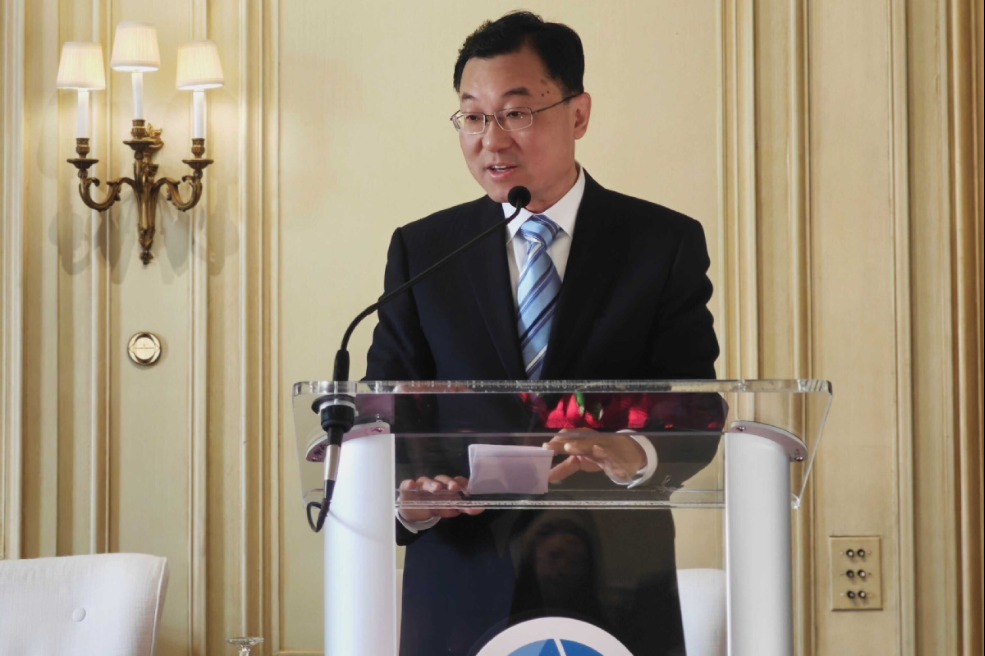
    China has issued a series of forceful warnings to Japan following Japanese Prime Minister Sanae Takaichi’s controversial remarks regarding potential military intervention in Taiwan Strait affairs. The Chinese government has emphasized that any such interference would result in severe consequences for Japan. These warnings were delivered through multiple diplomatic channels, including meetings between Chinese and Japanese officials.