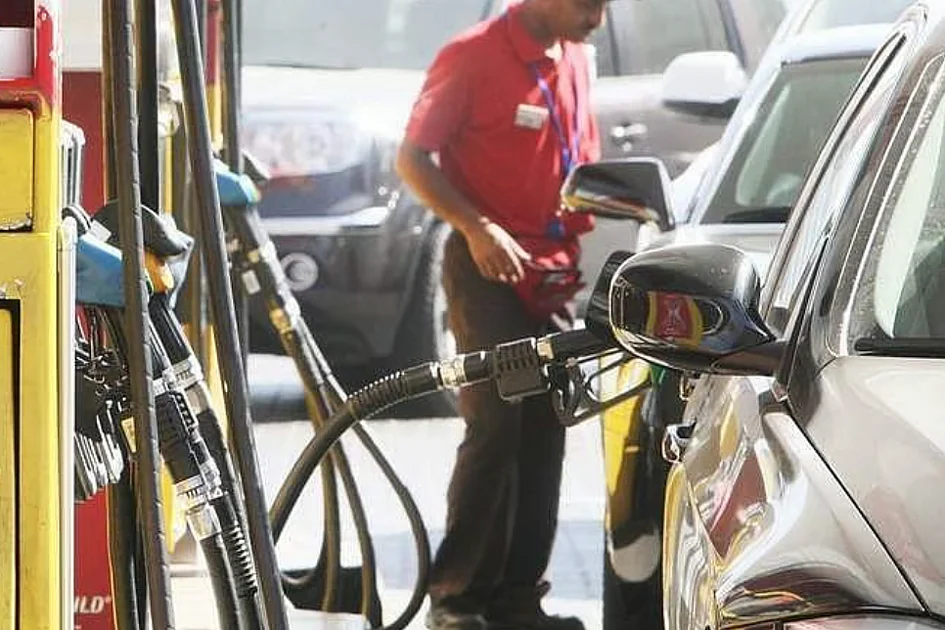
The UAE has officially announced a reduction in fuel prices for November 2025, offering a slight relief to motorists compared to October rates. The decision, made by the Fuel Prices Monitoring Committee and approved by the Ministry of Energy, reflects the monthly adjustment based on global oil price averages and operational costs of distribution companies. The new prices, effective from November 1, 2025, are as follows: Super 98 at Dh2.63 per litre, Special 95 at Dh2.51 per litre, and E-Plus 91 at Dh2.44 per litre. This marks a decrease from October prices, which were Dh2.77, Dh2.66, and Dh2.58 respectively. For drivers, this translates to savings ranging from Dh4 to Dh15 per full tank, depending on the vehicle type. Compact cars, sedans, and SUVs will see varying savings, with SUVs benefiting the most due to their larger fuel tank capacities. This price adjustment is part of the UAE’s ongoing efforts to align domestic fuel costs with international market trends, ensuring transparency and affordability for consumers.
标签: Asia
亚洲
-
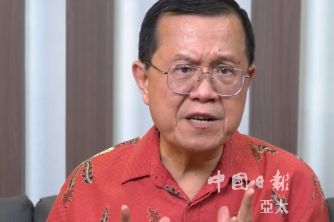
APEC should lead inclusive cooperation to rebuild supply chain resilience
As the Asia-Pacific Economic Cooperation (APEC) Economic Leaders’ Meeting commenced in Gyeongju, South Korea, on October 31, 2025, Ong Tee Keat, president of the Belt and Road Initiative Caucus for the Asia-Pacific and former Malaysian transport minister, emphasized the forum’s pivotal role in fostering free trade and inclusive supply chain collaboration. Speaking at the event, Ong stressed that APEC should act as a beacon for global economic cooperation, steering clear of trade weaponization aimed at specific nations. He highlighted the importance of rebuilding resilient supply chains to ensure sustainable economic growth across the region. The meeting, attended by leaders from 21 member economies, focused on addressing challenges posed by geopolitical tensions and the lingering impacts of global disruptions. Ong’s remarks underscored the need for collective action to enhance regional integration and promote equitable development. The discussions also explored strategies to mitigate risks associated with supply chain fragmentation, emphasizing the role of technology and innovation in driving economic recovery. As APEC continues to evolve, its commitment to fostering inclusive and resilient trade networks remains critical to achieving long-term prosperity in the Asia-Pacific region.
-
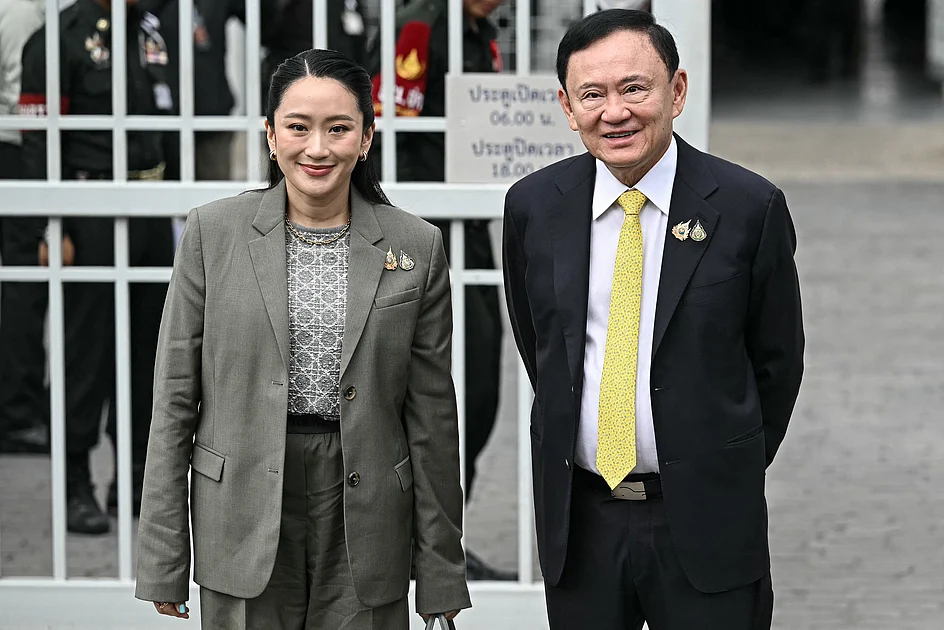
Thai ex-PM Thaksin’s party elects new leader after daughter’s exit
Thailand’s Pheu Thai Party, one of the nation’s most prominent political factions, has elected Julapun Amornvivat as its new leader following the resignation of Paetongtarn Shinawatra, the daughter of former Prime Minister Thaksin Shinawatra. Paetongtarn stepped down last week after a court ruling in August removed her from the prime ministerial position due to an ethics violation related to a border dispute with Cambodia. Analysts suggest her departure was a strategic maneuver to protect the party from potential legal repercussions, potentially signaling the end of the Shinawatra family’s long-standing influence in Thai politics. Julapun, a former deputy finance minister and son of veteran politician Sompong Amornvivat, was chosen during a vote livestreamed on the party’s official Facebook page. He expressed gratitude for the trust placed in him by party members. Julapun, 50, has been instrumental in promoting Pheu Thai’s key policies, including a proposed 10,000-baht ($300) stimulus package and the legalization of casinos. Despite the leadership change, observers believe the party will continue to be influenced by Thaksin Shinawatra, who founded the party in the late 1990s and remains a central figure in Thai politics. Thaksin, currently serving a prison sentence for corruption, was ousted in a 2006 coup and spent over a decade in exile. The Shinawatra family has long been at odds with Thailand’s pro-military and pro-royalty elite, who view their populist policies as a challenge to the traditional social order.
-
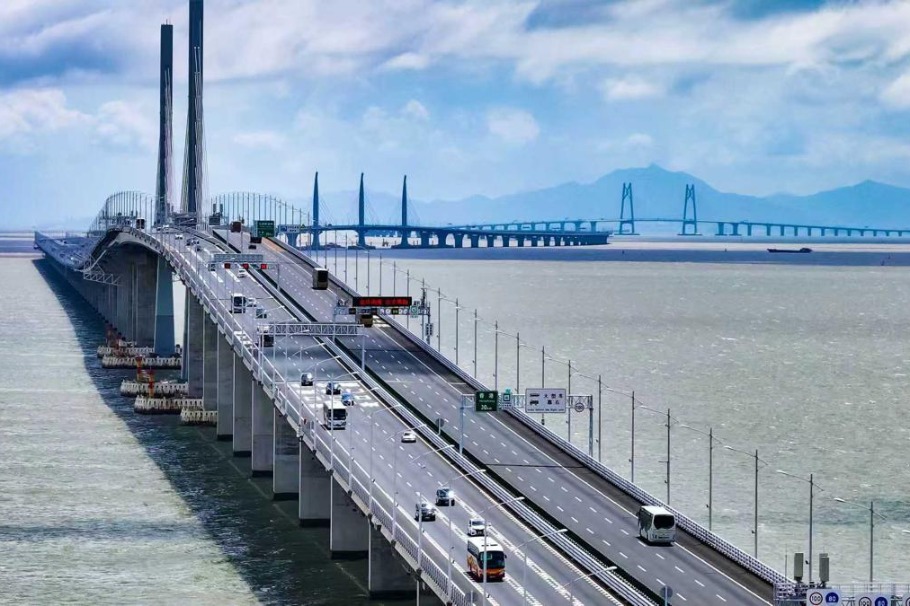
Plan to allow Guangdong vehicles to travel south to Hong Kong published
In a significant move to enhance regional connectivity, the ‘Southbound Travel for Guangdong Vehicles’ plan was officially unveiled on Friday, allowing private car owners from Guangdong province to travel to the Hong Kong Special Administrative Region. The initiative, announced by Guangdong’s provincial department of public security, aims to foster greater personnel exchanges and interaction between the two regions. The plan is structured in two phases: the first permits parking at Hong Kong border checkpoints, while the second allows vehicles to enter Hong Kong’s urban areas. Initially, the program will be available to residents of Guangzhou, Zhuhai, Jiangmen, and Zhongshan, with plans to expand to other Guangdong cities within six months. Starting November 1, eligible private car owners can apply for travel permits via the Hong Kong-Zhuhai-Macao Bridge. Approved vehicles will gain access to automated parking lots in border areas from November 15 and will be permitted to enter Hong Kong’s urban areas starting December 23. This initiative is expected to boost economic and cultural ties between Guangdong and Hong Kong, while also easing cross-border travel for residents.
-
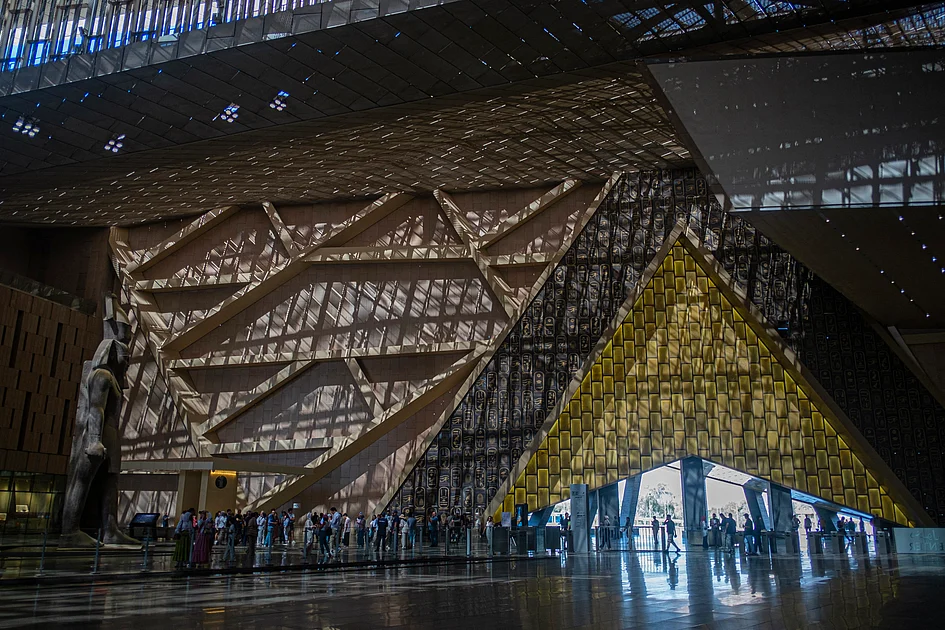
Tutankhamun treasures, Ramses statue: 5 major highlights at Grand Egyptian Museum
After two decades of meticulous planning and construction, the Grand Egyptian Museum (GEM) is set to open its doors on November 4, 2025, near the iconic Pyramids of Giza. This monumental $1 billion facility, spanning 24,000 square meters of exhibition space, is poised to become a global cultural landmark, attracting over 5 million visitors annually. Egyptian authorities have hailed it as “the largest cultural building of the 21st century.” The museum’s design, inspired by the nearby pyramids of Khufu, Khafre, and Menkaure, features a striking triangular glass structure created by Heneghan Peng Architects. It houses an impressive collection of 100,000 artefacts from Egypt’s 30 dynasties, with half on display and the remainder preserved for research and restoration. Among the highlights are the 11-meter granite statue of Ramses II, the complete collection of King Tutankhamun’s treasures, and the 4,600-year-old solar boat of Pharaoh Khufu. The museum also offers a panoramic view of the pyramids from its six-story staircase, lined with colossal statues and ancient tombs. With its state-of-the-art facilities, including laboratories and restoration workshops, the GEM aims to play a pivotal role in revitalizing Egypt’s economy while preserving its rich heritage.
-
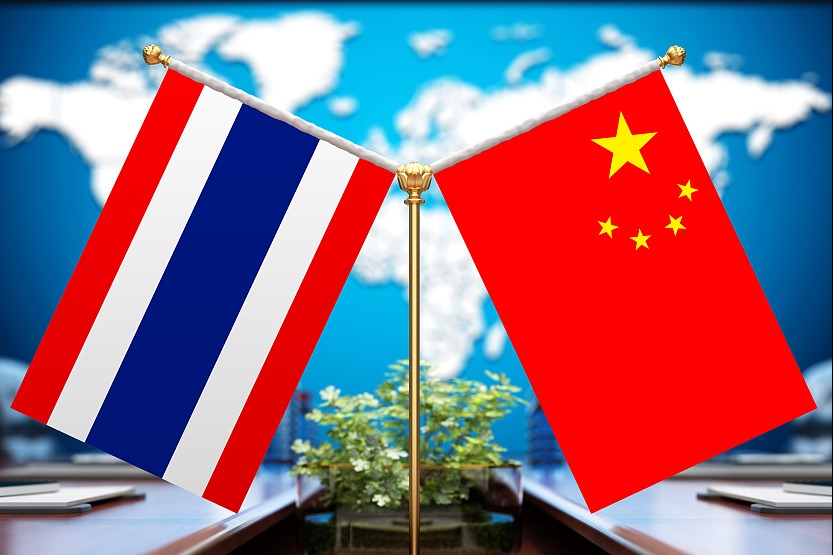
Xi meets Thai PM
On Friday, October 31, 2025, President Xi Jinping of China engaged in a significant bilateral meeting with Thai Prime Minister Anutin Charnvirakul. The encounter took place on the sidelines of the 32nd APEC Economic Leaders’ Meeting in Gyeongju, South Korea. This meeting underscores the ongoing diplomatic efforts between China and Thailand, two key players in the Asia-Pacific region. The discussions are expected to have focused on enhancing economic cooperation, regional stability, and mutual interests in the context of the APEC framework. Such high-level engagements are pivotal in fostering stronger ties and addressing shared challenges in the region.
-
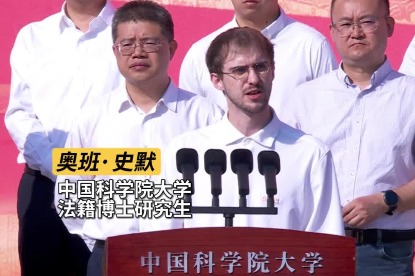
French PhD student at UCAS 2025: Cross-culture encounter awaits
Alban Schmoll, a French PhD student, is set to begin an exciting academic journey at the University of Chinese Academy of Sciences (UCAS) in 2025. Speaking at the university’s opening ceremony in Beijing, Schmoll shared his enthusiasm for joining a diverse and dynamic academic community. He expressed eagerness to engage with peers from various cultural backgrounds, emphasizing the value of cross-cultural learning and personal growth. The event marked the start of a new chapter for Schmoll, who is poised to contribute to and benefit from the rich academic environment at UCAS. His story highlights the increasing global appeal of Chinese educational institutions and the importance of fostering international collaboration in higher education.
-
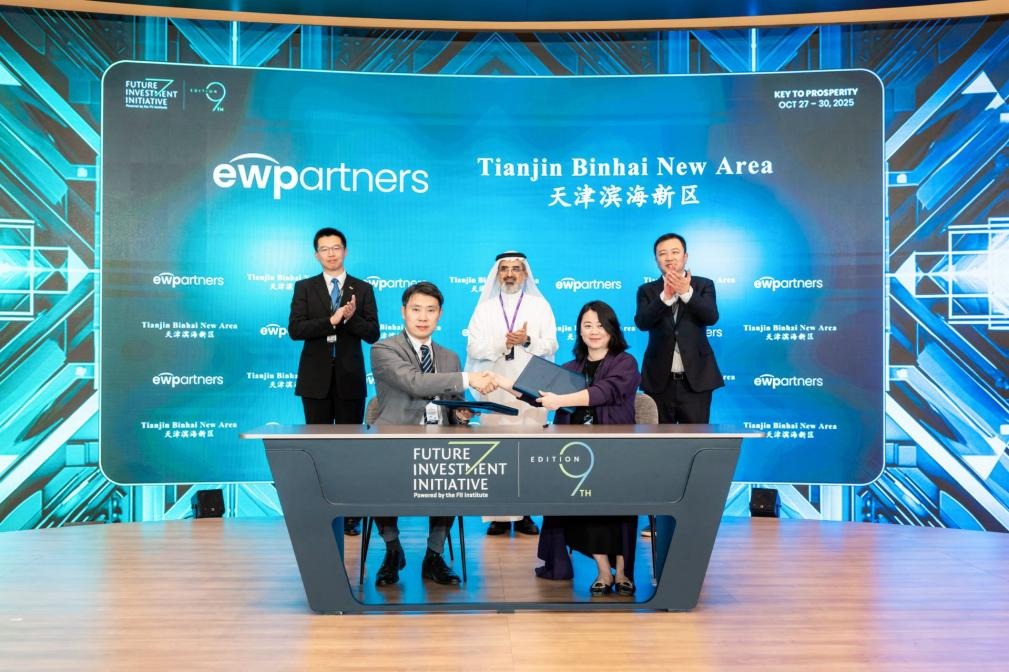
Tianjin inks $80m deal to introduce China’s industrial expertise to Middle East
Tianjin’s Binhai New Area has forged an $80 million investment partnership with Saudi Arabia’s global investment firm, ewpartners, aiming to export China’s advanced industrial systems and supply chain capabilities to bolster Saudi Arabia’s manufacturing sector. The agreement was formalized during the 9th Future Investment Initiative in Riyadh, with key officials from Saudi Arabia’s Public Investment Fund and Jada Fund of Funds in attendance. This collaboration aligns with Saudi Vision 2030, a national strategy focused on economic diversification and industrial transformation, while also supporting ewpartners Fund II, which targets digital, advanced manufacturing, logistics, and consumer sectors. For China, this marks a significant milestone in Tianjin’s industrial expertise ‘going global’ and reinforces the Belt and Road Initiative. Binhai New Area, with a GDP of $108 billion and hosting over 240 Fortune Global 500 companies, is a hub for petrochemicals, electronics, new energy, smart manufacturing, and the digital economy. Its world-class ports serve as a vital link between Asian and Middle Eastern industrial clusters. Wu Di, vice-chairman of the administrative commission of Tianjin Binhai Hi-tech Industrial Development Area, expressed optimism about leveraging Tianjin’s strengths in smart manufacturing, technology, and port logistics to deepen cooperation with Saudi Arabia and the broader Middle East. The initiative aims to integrate Binhai’s expertise in new energy and industrial logistics with ewpartners’ regional network to accelerate technology transfer and industrial upgrades in Saudi Arabia and the Gulf region. Bandr Mohammed Alhomaly, CEO of Jada Fund of Funds, highlighted the shared commitment to Vision 2030 and building a robust private capital ecosystem in Saudi Arabia. Jerry Li, co-founder and managing partner of ewpartners, emphasized that the partnership goes beyond capital, focusing on connecting industries and innovation capabilities to drive high-quality regional development.
-
CCG conducts law-enforcement patrols around Huangyan Island
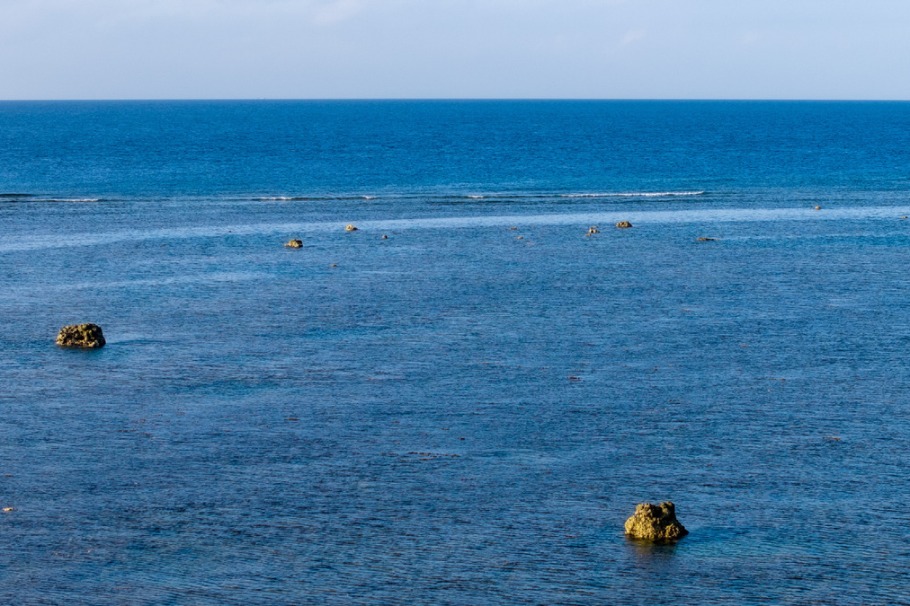
The China Coast Guard (CCG) has escalated its law-enforcement activities in the territorial waters and adjacent areas surrounding Huangyan Island in the South China Sea. According to an official statement released on Friday, the CCG has been conducting rigorous patrols since early October to ensure compliance with national laws and regulations. These operations include tracking, monitoring, issuing radio warnings, and expelling vessels and aircraft engaged in illegal activities or provocations. The intensified patrols aim to strengthen management and control over the region, reaffirming China’s commitment to safeguarding its territorial sovereignty and maritime rights and interests. The move underscores China’s proactive stance in maintaining stability and security in the South China Sea, a strategically significant area.
-

India’s Jemimah Rodrigues opens up on mental health struggles at Women’s World Cup
Indian cricketer Jemimah Rodrigues has revealed her battle with anxiety during the Women’s World Cup, crediting her resilience and support system for her triumphant return to form. Rodrigues, who was dropped earlier in the tournament, staged a remarkable comeback with an unbeaten 127 runs in the semi-final against Australia, propelling India to a historic five-wicket victory. This win, achieved at the DY Patil Stadium in Navi Mumbai on Thursday, secured India’s place in the final against South Africa on Sunday. The 25-year-old all-rounder, who missed the 2022 edition due to poor form, faced immense pressure playing on home soil. After inconsistent performances, including two ducks and a pair of 30s, she was benched for India’s group-stage match against England. Rodrigues admitted to breaking down in calls to her parents as she grappled with the stress. ‘I am so blessed to have friends and family I can call. It’s okay to ask for help,’ she said, holding back tears. A composed 76 not out against New Zealand restored her confidence, setting the stage for her semi-final heroics. Rodrigues emphasized that her sole motivation was to ensure India’s victory, not personal milestones. Both India and South Africa will compete for their first Women’s World Cup title, as no team outside Australia, England, or New Zealand has ever won the tournament since its inception in 1973.