标签: Africa

非洲

  • South Africa defiant after US threatens ‘consequences’ over refugee centre raid

    South Africa defiant after US threatens ‘consequences’ over refugee centre raid

    A significant diplomatic rift has emerged between the United States and South Africa following a contentious government raid on a refugee processing facility. The U.S. State Department issued a formal condemnation on Thursday, alleging that South African authorities had engaged in the harassment and intimidation of American officials during an operation targeting a center processing asylum applications for white South Africans.

    The incident occurred on Tuesday when South African immigration officials conducted a raid that resulted in the expulsion of seven Kenyan nationals accused of working illegally within the country. The U.S. government subsequently accused South African authorities of publishing passport details of American diplomatic personnel, characterizing this action as ‘unacceptable’ and warning of potential ‘severe consequences’ for bilateral relations.

    South Africa’s Department of Home Affairs has categorically denied these allegations, stating in an official response that no U.S. officials were arrested during the operation and emphasizing that the facility raided was not a diplomatic site. The department further asserted that South Africa ‘treats all matters of data security with the utmost seriousness’ and operates under ‘stringent legal and diplomatic protocols.’

    This diplomatic confrontation occurs against the backdrop of the Trump administration’s controversial policy offering refugee status to members of South Africa’s Afrikaner community, whom the U.S. claims face persecution. While the administration has dramatically reduced overall refugee admissions from 125,000 to 7,500 annually, it has designated Afrikaners—descendants primarily of Dutch and French settlers—as a priority group.

    South African authorities have expressed concern about apparent coordination between foreign officials and undocumented workers, noting that they have engaged both U.S. and Kenyan representatives to resolve the matter. The U.S. maintains that its refugee program operates within legal boundaries but has not directly addressed allegations regarding the Kenyan workers’ denied permit applications.

    The tension reflects broader deterioration in U.S.-South African relations since President Trump took office. Earlier this year, Trump claimed—without substantiating evidence—that Afrikaners face ‘genocide’ in South Africa, despite statistics showing white farmers are not disproportionately targeted compared to black counterparts. The refugee program initiative followed South African President Cyril Ramaphosa’s signing of land reform legislation allowing, in limited circumstances, government land expropriation without compensation.

    Approximately 50 Afrikaners have reportedly relocated to the U.S. via chartered flight, though total numbers remain unclear. The land reform issue remains particularly sensitive given that most privately owned farmland remains white-owned due to apartheid’s legacy, while the government faces pressure to redistribute land to black farmers.

    Despite South Africa’s efforts to improve relations, including a high-profile delegation to the White House earlier this year, tensions escalated when Trump confronted Ramaphosa with allegedly misleading media depicting white persecution. Recent months have seen the U.S. boycott the G20 summit hosted by South Africa and exclude South African officials from meetings of the world’s largest economies.

  • More British boxers will fight in Nigeria – Okolie

    More British boxers will fight in Nigeria – Okolie

    British-Nigerian boxing star Lawrence Okolie is spearheading a potential renaissance for African boxing as he prepares to make his continental debut in Lagos this Sunday. The former WBO cruiserweight world champion, who transitioned to heavyweight division, faces Ghanaian veteran Ebenezer Tetteh in what promoters are calling a ‘historic’ event that could reshape boxing’s geographical landscape.

    Okolie, born in London to Nigerian parents, believes his headline appearance will create a domino effect among British boxers with African heritage. He specifically mentioned heavyweight stars Anthony Joshua and Moses Itauma as likely successors who would experience ‘FOMO’ (fear of missing out) upon witnessing the passionate reception from Nigerian fight fans.

    The 33-year-old Olympian, whose career was inspired by Joshua’s 2012 Olympic gold medal victory, recently visited Nigeria and was astonished by his recognition there. ‘My face is in various gyms, people know who I am as I’m walking around,’ Okolie revealed, describing the overwhelming reception that awaits him.

    The event, promoted by Amir Khan and Frank Warren’s Queensberry, promises a cultural spectacle blending British boxing traditions with African flair. Okolie envisions ‘artists performing, colors, and what you expect from England, but with an African twist,’ highlighting the vibrant fight-fan culture in Lagos.

    Beyond the cultural significance, this fight represents a strategic move in Okolie’s career trajectory. Since moving up to heavyweight, he remains undefeated with two victories, including a unanimous decision over Kevin Lerena in July. The WBC has ordered Okolie to face unbeaten 20-year-old Itauma in a final eliminator, with the winner becoming mandatory challenger for the world title next year.

    The undercard features international talent including Harley Benn (son of Nigel Benn) facing Ghana’s Elvis Ahorgah, and French Olympic gold medalist Tony Yoka taking on German veteran Patrick Korte. Okolie sees this event as the beginning of infrastructure development that could unlock Nigeria’s ‘raw, natural talent’ in boxing over the next decade.

  • UN: Over 1,000 civilians killed in paramilitary’s April attack on Sudan displacement camp

    UN: Over 1,000 civilians killed in paramilitary’s April attack on Sudan displacement camp

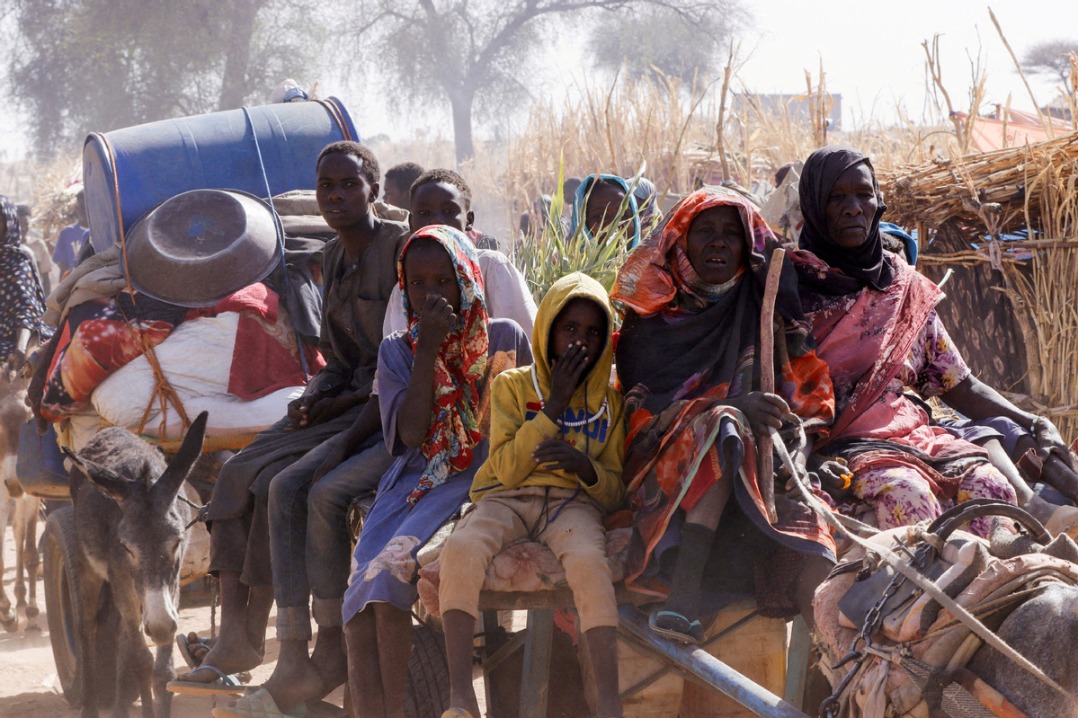
    A damning United Nations report has exposed the systematic massacre of civilians during a paramilitary assault on a displacement camp in Sudan’s Darfur region, revealing one of the conflict’s most brutal episodes.

    According to findings released Thursday by the UN Office of the High Commissioner for Human Rights (OHCHR), Sudan’s Rapid Support Forces (RSF) killed at least 1,013 civilians during a three-day offensive against the Zamzam displacement camp in North Darfur from April 11-13, 2025. The investigation uncovered a ‘consistent pattern’ of grave breaches of international humanitarian law and egregious human rights violations.

    The methodology of the killings demonstrates deliberate targeting of non-combatants. Among the victims, 319 individuals were summarily executed either within the camp confines or while attempting to flee the violence. Additional fatalities occurred during systematic house-to-house searches, with civilians slaughtered in their homes, as well as in public spaces including the main marketplace, educational institutions, medical facilities, and places of worship.

    The report further documented extensive conflict-related sexual violence, with at least 104 survivors—comprising 75 women, 26 girls, and three boys, predominantly from the Zaghawa ethnic group—enduring severe sexual abuse. These atrocities included rape, gang rape, and sexual slavery perpetrated both during the initial attack and along escape routes from the camp.

    In the preceding months, the RSF had imposed a crippling siege on Zamzam, deliberately severing access to food, water, fuel, and other essential supplies while targeting humanitarian aid convoys. The deprivation became so severe that families resorted to feeding their children animal feed to ensure survival.

    UN High Commissioner for Human Rights Volker Turk characterized the attacks as potential war crimes, stating that ‘deliberate killing of civilians or persons hors de combat may constitute the war crime of murder.’ He demanded an impartial, thorough investigation and emphasized that perpetrators of serious violations must face accountability through fair judicial proceedings.

    Turk described these ‘horrific violations, committed with impunity’ as consistent with patterns documented during the RSF’s takeover of El Fasher in October. He presented the findings as a ‘stark reminder’ of the urgent necessity to break cycles of atrocities, ensure accountability, and provide reparations to victims.

    The High Commissioner renewed appeals for international action, urging all states to prevent crimes under international law and pressure conflict parties to cease violence across Darfur, Kordofan, and other regions. He specifically called for halting arms transfers that fuel the conflict and sustained diplomatic engagement to achieve ceasefire agreements and lasting resolution.

    The OHCHR report draws from comprehensive monitoring activities, including interviews conducted in July 2025 with 155 survivors and witnesses in eastern Chad, where many sought refuge.

    Sudan has been embroiled in devastating conflict since April 15, 2023, when fighting erupted between the Sudanese Armed Forces and the RSF paramilitary group. The ongoing violence has claimed tens of thousands of lives and displaced millions both within Sudan and across its borders, creating one of the world’s most severe humanitarian crises.

  • ILT20: ADKR beat Gulf Giants for second straight win

    ILT20: ADKR beat Gulf Giants for second straight win

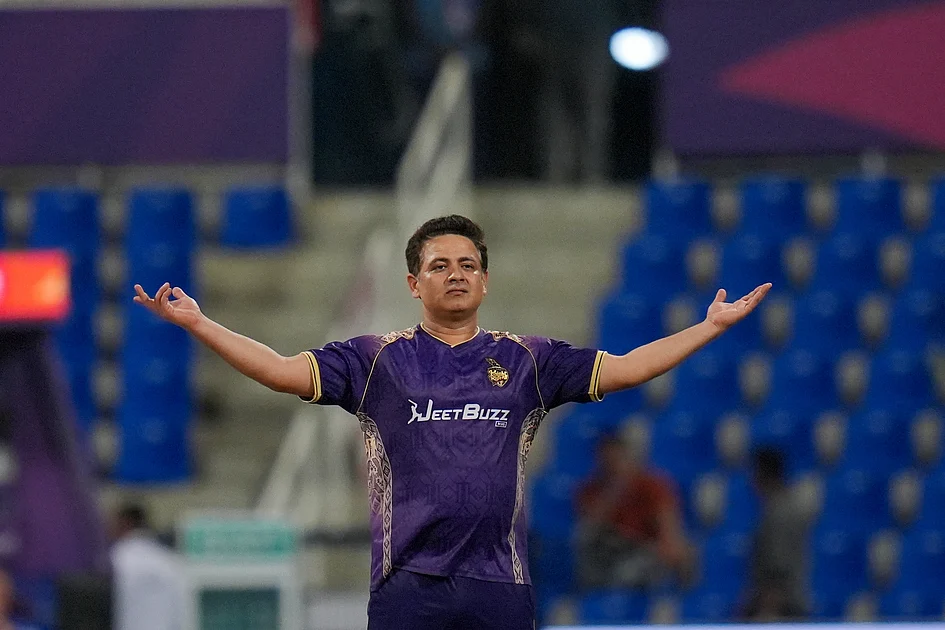
    In a thrilling International League T20 encounter at Abu Dhabi’s Zayed Cricket Stadium, the Abu Dhabi Knight Riders clinched their second consecutive victory with a four-wicket triumph over the Gulf Giants on Thursday. The match showcased exceptional cricketing prowess, particularly from veteran leg-spinner Piyush Chawla, whose devastating bowling performance earned him Player of the Match honors.

    The Knight Riders successfully chased down a target of 166 runs with four deliveries remaining, thanks to a formidable opening partnership between Alex Hales (46 off 39 balls) and Phil Salt (35 off 24 balls). Their aggressive 61-run stand in just 44 deliveries established a solid foundation for the chase. Despite a middle-order stumble caused by Tabraiz Shamsi’s impressive three-wicket haul (3/23), late fireworks from Sherfane Rutherford (30 off 22) and Andre Russell’s unbeaten 21 from 13 balls sealed the victory.

    Earlier, the Gulf Giants posted 165/7 in their allotted 20 overs, largely propelled by Rahmanullah Gurbaz’s explosive 72-run innings from 45 deliveries, featuring four boundaries and five maximums. However, Chawla’s masterful spin bowling, claiming four crucial wickets for just 27 runs, restricted the Giants from reaching a more competitive total. The 36-year-old spinner revealed post-match that he continues to refine his craft, focusing on leg-break variations to complement his natural googly delivery.

    Gulf Giants captain James Vince acknowledged his team’s batting shortcomings, noting they fell “20-30 runs short” of a defensible total. Despite Shamsi’s bowling brilliance bringing temporary hope, the Knight Riders maintained control of the required run rate throughout their chase. This victory elevates the Knight Riders from sixth to fourth position in the ILT20 standings, demonstrating their growing momentum in the tournament.

  • India to revamp M&A rules to protect retail investors, expedite deals

    India to revamp M&A rules to protect retail investors, expedite deals

    India’s capital markets regulator is implementing sweeping reforms to its merger and acquisition framework designed to enhance protection for retail investors and streamline corporate transactions. The Securities and Exchange Board of India (SEBI) is proposing significant amendments to its takeover code that would fundamentally reshape how acquisitions are conducted in the country’s rapidly growing market.

    The comprehensive regulatory overhaul includes prohibiting acquirers from negotiating preferential deals with large shareholders for a six-month period following public open offers. This measure directly addresses historical instances where major investors received exclusive benefits not available to smaller shareholders. Additionally, SEBI plans to substantially reduce the completion timeline for open offers from the current two months to just 30 days, implementing accelerated regulatory clearance mechanisms to facilitate faster deal execution.

    A key innovation in the proposed framework involves introducing mandatory external valuation requirements for private share sales between large shareholders and selected parties. This ensures transparent and fair pricing mechanisms that protect all investors’ interests. The reforms emerge against a backdrop of intensified M&A activity throughout 2025, driven by the Reserve Bank of India’s policy allowing domestic banks to finance acquisitions and increasing foreign investment in Indian enterprises.

    SEBI Chairman Tuhin Kanta Pandey confirmed the regulatory initiative following a board meeting, indicating that detailed proposals would soon be released for public consultation. The revisions also encompass potential modifications to ‘creeping acquisition’ norms, which currently permit existing investors to increase their stakes by up to 5% annually without triggering mandatory open offers. This review aligns with global standards, as Singapore maintains a 1% threshold every six months while Hong Kong allows 2% annual increases.

    The regulatory gap became particularly evident in December 2022 when Adani Group acquired a 27.26% stake in New Delhi TV Ltd, providing founders a 17% premium over the open-offer price offered to minority shareholders just 18 days after the public offer. Although Adani subsequently revised terms for minority investors, the incident highlighted structural vulnerabilities in the existing framework that these reforms aim to address.

  • ECB vindicates trader bets on no more rate cuts with upbeat economic view

    ECB vindicates trader bets on no more rate cuts with upbeat economic view

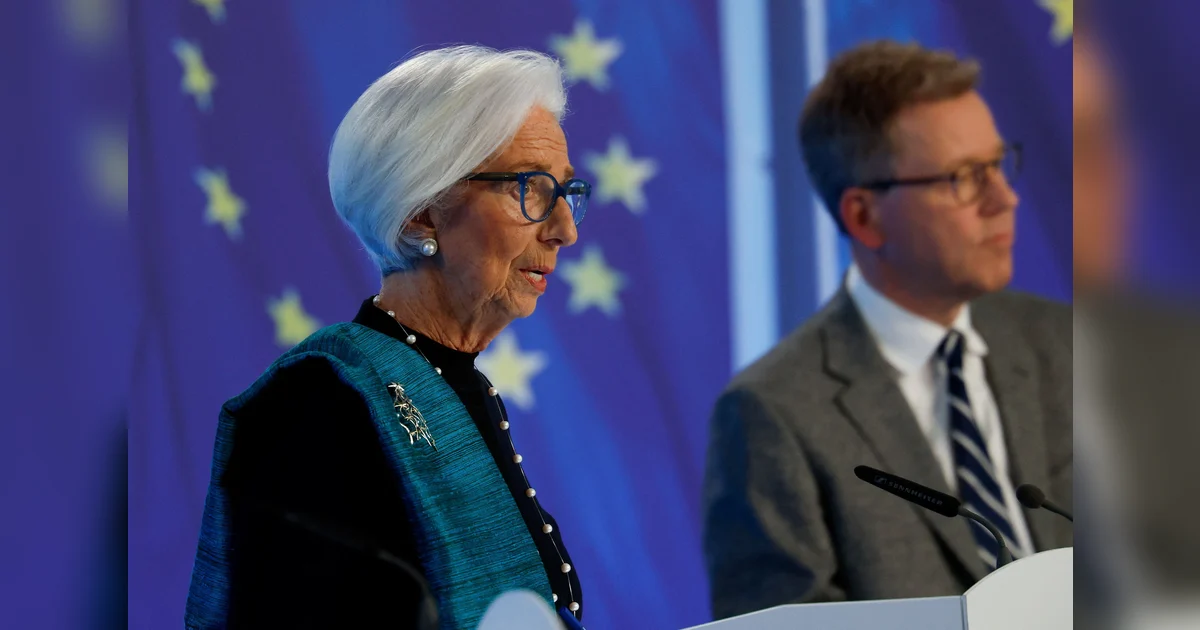
    The European Central Bank (ECB) has firmly aligned with market expectations by signaling an end to its interest rate cutting cycle, opting instead to maintain its current stance amid a significantly improved economic outlook. During its December meeting, the ECB Governing Council held its key deposit rate steady at 2.0% for the fourth consecutive meeting, marking a pivotal moment in the eurozone’s monetary policy trajectory.

    President Christine Lagarde reinforced the bank’s position that policy remains ‘in a good place,’ while explicitly acknowledging that neither rate cuts nor hikes were discussed during the deliberations. This stance comes as the ECB unveiled upgraded inflation projections for both 2025 and 2026, with the 2026 forecast notably revised upward to 1.9% from the previous 1.7% estimate.

    The bank’s inaugural 2028 inflation projection provided particularly significant insight, showing a return to the ECB’s coveted 2% target. Concurrent upward revisions to growth forecasts further strengthened the argument against additional monetary easing, effectively dismantling the dovish perspective that anticipated further cuts to address potential inflation undershooting.

    Market participants responded to the ECB’s communications with increased betting on the timing of the first rate hike, briefly pricing in more than a 50% probability of an increase by March 2027 before settling around 30%. This represents a dramatic reversal from earlier expectations that had anticipated potential cuts as recently as early December.

    The ECB’s hawkish pivot gained momentum following recent comments from policymaker Isabel Schnabel, who had suggested that the bank’s next move might indeed be a hike. Lagarde’s subsequent remarks served as measured pushback against these expectations, emphasizing the ‘highly uncertain’ outlook and the bank’s commitment to maintaining policy flexibility amid evolving economic conditions.

  • GCC set for stronger growth in 2026 as economies gain momentum

    GCC set for stronger growth in 2026 as economies gain momentum

    The Gulf Cooperation Council (GCC) economies are positioned for a notable growth acceleration in 2026, with projections indicating a robust expansion despite persistent challenges in global oil markets. According to the latest analysis from Oxford Economics, regional GDP growth is forecast to reach 4.4% in 2026, marking a significant improvement from the anticipated 4% growth in 2025.

    This optimistic outlook follows two years of subdued performance characterized by oil production constraints and volatile global economic conditions. The projected acceleration signals a fundamental strengthening across Gulf economies, driven primarily by resilient non-energy sectors, vigorous consumer activity, and gradually recovering hydrocarbon output.

    Consumer spending has emerged as a cornerstone of the region’s economic resilience. Favorable conditions including low inflation, tight labor markets, and growing disposable incomes are creating powerful tailwinds for household expenditure. With unemployment rates hovering at record lows and continued foreign investment inflows supporting diversification initiatives, consumer-led economic activity is expected to dominate the regional growth narrative throughout 2026.

    Financial sector dynamics are further supporting this expansion. GCC central banks, maintaining their dollar peg policies, are anticipated to mirror expected Federal Reserve rate cuts, thereby reducing borrowing costs across the region. This monetary environment is likely to sustain elevated credit growth while encouraging both household spending and business investment.

    The hydrocarbon sector presents a more complex picture. OPEC+ production constraints are expected to persist through the first half of 2026 amid elevated global inventories and softer oil prices, potentially dipping below $60 per barrel early in the year. This temporary limitation may particularly affect economies with higher dependence on oil extraction. However, analysts project a production rebound in the latter half of 2026 as inventory levels normalize and global demand strengthens. Qatar stands out as a regional exception, with substantial expansions in liquefied natural gas production expected to drive exceptional economic performance.

    Fiscal policies across the GCC are demonstrating strategic divergence in response to evolving revenue conditions. Saudi Arabia has outlined a 2026 budget featuring a 6% reduction in capital expenditure as part of deficit reduction efforts. Conversely, more diversified economies including the UAE are pursuing expansionary fiscal measures, with the federation’s 2026 budget envisioning a substantial 29% increase in both spending and revenues, reflecting confidence in non-oil sector performance and commitment to long-term economic transformation.

    Despite near-term risks associated with oil price volatility and global demand uncertainties, the GCC’s economic foundation appears increasingly solid. The convergence of consumer resilience, non-energy sector vitality, improving hydrocarbon dynamics, and strategic fiscal management suggests the region is entering one of its most balanced growth phases in recent years, with clear upward momentum in overall economic expansion.

  • UAE launches first electronic system to settle blood money claims

    UAE launches first electronic system to settle blood money claims

    The United Arab Emirates has entered a new era of judicial efficiency with the groundbreaking launch of an electronic system dedicated to processing blood money claims. This innovative platform represents a collaborative effort between the Central Bank of the UAE (CBUAE) and Dubai Public Prosecution (DPP), marking a significant milestone in the nation’s digital transformation journey.

    The newly implemented system establishes automated procedures and electronic integration between DPP and licensed insurance companies through CBUAE’s digital infrastructure. This technological advancement directly supports the government’s ‘Zero Bureaucracy’ initiative by streamlining previously complex administrative processes.

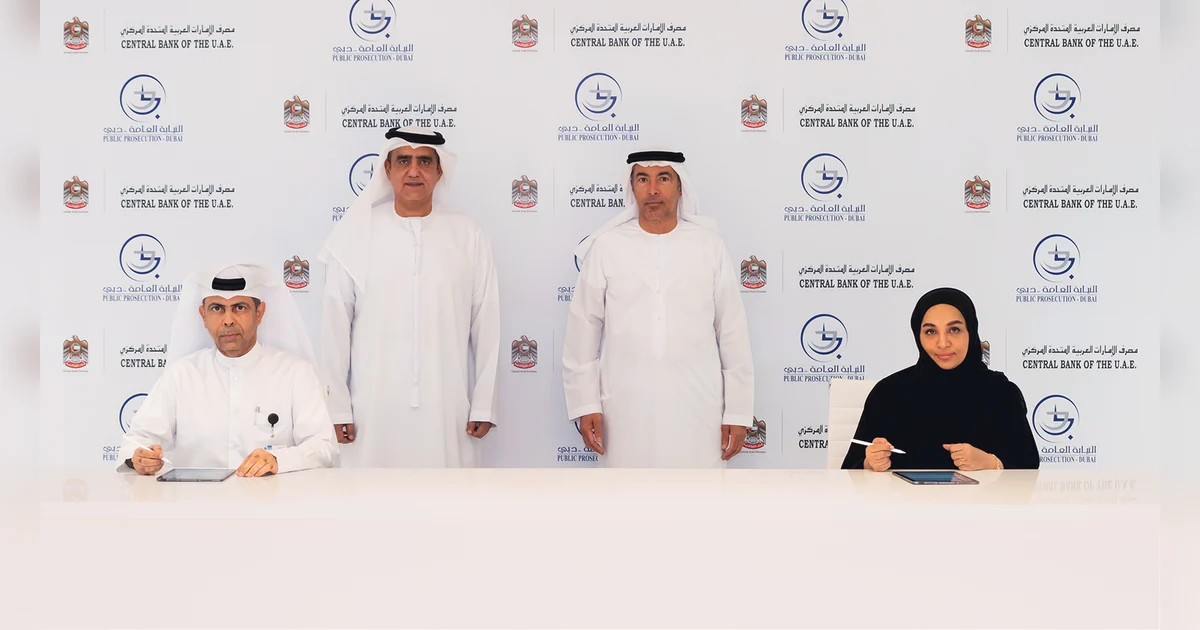
    During a formal ceremony attended by Khaled Mohamed Balama, Governor of CBUAE, and Essam Issa Alhumaidan, Attorney-General of Dubai, both institutions solidified their cooperation through a Memorandum of Understanding. The agreement was officially signed by Fatma Abdullah Aljabri, Assistant Governor for Financial Crime, Market Conduct and Consumer Protection, and Counselor Salah Boufrousha Alfalasi, Senior Advocate General and Head of Traffic Prosecution in Dubai.

    Officials emphasized that this pioneering project enhances service quality, improves customer experience, and strengthens consumer protection mechanisms. The system ensures seamless settlement of blood money claims while promoting stronger coordination between financial regulators, insurance providers, and judicial authorities.

    Ms. Aljabri stated that this initiative demonstrates CBUAE’s unwavering commitment to financial service development and digital transformation, aligning with broader objectives to eliminate bureaucratic barriers within the financial sector. Meanwhile, Counselor Alfalasi highlighted the project as a successful model of inter-agency cooperation that establishes robust foundations for accelerating procedures through advanced digital solutions.

  • Dubai: How the iconic Meydan prepares for big races

    Dubai: How the iconic Meydan prepares for big races

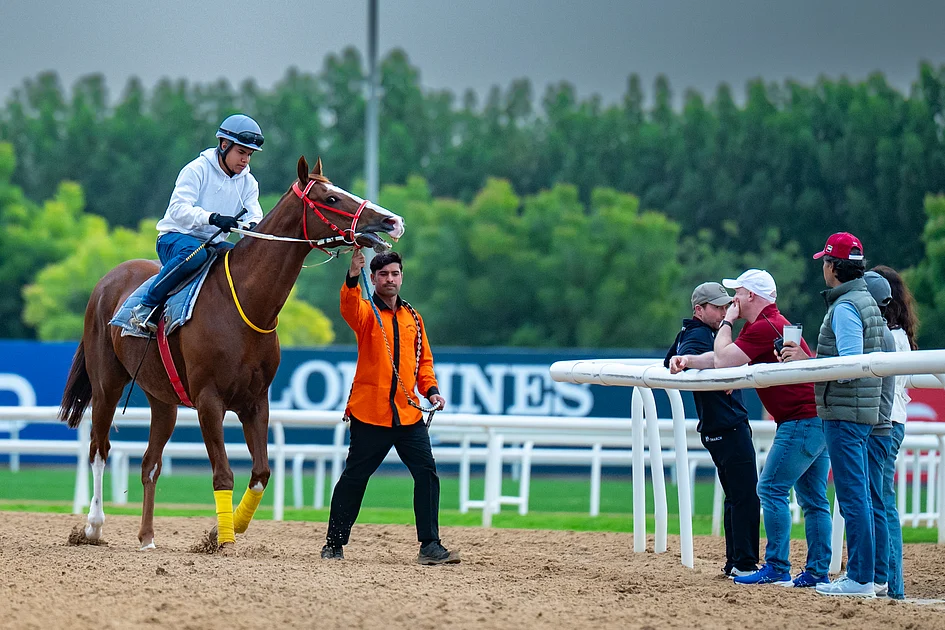
    As the first light of dawn breaks over Dubai, the Meydan Racecourse awakens to a symphony of rhythmic hoofbeats and the quiet hum of meticulous preparation. Each morning at 6 AM, this iconic sporting venue transforms into a theater of precision where champions are forged through an elaborate ballet of human dedication and equine athleticism.

    The morning tranquility is punctuated by the powerful strides of thoroughbreds circling the track, their breathing creating steam clouds in the cool morning air. Close behind, tractors perform a crucial maintenance ritual—smoothing the sand surface to erase hoof imprints and create optimal racing conditions. According to Mohamed Abbas Youssef, Racecourse Facility Manager, this daily resurfacing eliminates potential obstacles, allowing horses to achieve maximum performance without compromising safety.

    From a modest viewing deck typically reserved for VIPs, observers can witness the intimate details of training sessions—the visible exertion of muscles, the focused intensity in the animals’ eyes, and the distinctive sound of their heavy breathing resembling human exertion at peak performance.

    The preparation regimen begins far earlier than most realize. Veteran horse trainer Julio Olascoaga starts his day at 2:45 AM, a full hour before the first equine athletes arrive. His responsibilities encompass comprehensive fitness management—designing exercise programs, monitoring nutritional intake, and conducting physical assessments to determine race readiness.

    With 35 horses currently under his supervision, Olascoaga organizes them into five training groups. These athletes train daily with only one rest day per week, undergoing high-intensity “fast work” sessions every 7-10 days to evaluate competitive readiness. All training concludes by 8:30 AM to avoid Dubai’s intensifying heat and humidity.

    The international character of the Dubai Racing Carnival brings additional complexity to scheduling. “We accommodate horses from Europe, America, and South America,” Olascoaga explains. “International arrivals typically come pre-conditioned, requiring mainly maintenance training alongside our local Meydan thoroughbreds.”

    While the racing season officially runs from November through March to capitalize on cooler temperatures, the preparation cycle begins much earlier—typically in early July—demonstrating the extensive lead time required to develop championship-caliber performers. This hidden world of dawn preparations represents the unsung foundation upon which the glamour of international horse racing is built.

  • Why Gen-Z believes financial literacy goes beyond budgeting, credit rating

    Why Gen-Z believes financial literacy goes beyond budgeting, credit rating

    A profound generational shift in financial understanding is emerging as Generation Z challenges conventional notions of economic literacy. Moving beyond traditional concepts of budgeting and credit management, this digitally-native cohort embraces a more holistic perspective that acknowledges both technological opportunities and systemic constraints within global wealth structures.

    The contemporary financial landscape presents unprecedented accessibility through digital investment platforms and mobile trading applications. While previous generations faced significant barriers to market participation, Gen Z navigates an ecosystem where cryptocurrency tokens, stablecoins, and micro-investing opportunities are merely a smartphone download away. This technological democratization, however, exists within an unequal global framework where true financial empowerment remains constrained by geographic and socioeconomic factors.

    Digital platforms provide psychological gratification through immediate visual feedback on investment performance, creating dopamine-driven engagement patterns. Yet this accessibility simultaneously fosters disconnection from interpersonal financial relationships and community-based economic systems. The generation’s financial consciousness has been shaped by witnessing market volatilities portrayed as high-stakes entertainment rather than substantive economic activities.

    Gen Z’s financial philosophy recognizes the inherent limitations of current economic structures modeled on imperialistic wealth pyramids. Their perspective acknowledges that traditional success metrics—six-figure salaries, credit ratings, and digital wealth representations—exist alongside global crises including climate-induced famines and humanitarian emergencies. This generation consequently emphasizes understanding one’s position within broader economic systems rather than merely pursuing individual wealth accumulation.

    The redefined financial literacy incorporates awareness of material conditions affecting society’s most vulnerable segments. It values entrepreneurial ideation and innovation while recognizing that sustainable economic progress requires addressing foundational inequalities. This approach maintains that professional achievements and financial metrics, while necessary for navigation within existing systems, should not constitute life’s ultimate purpose.

    Ultimately, Gen Z’s financial paradigm emphasizes human connections, community support, and personal relationships as authentic measures of prosperity. This perspective maintains that while economic participation remains necessary, true wealth encompasses life’s fundamental experiences: love, companionship during illness, and shared human moments that transcend monetary valuations.