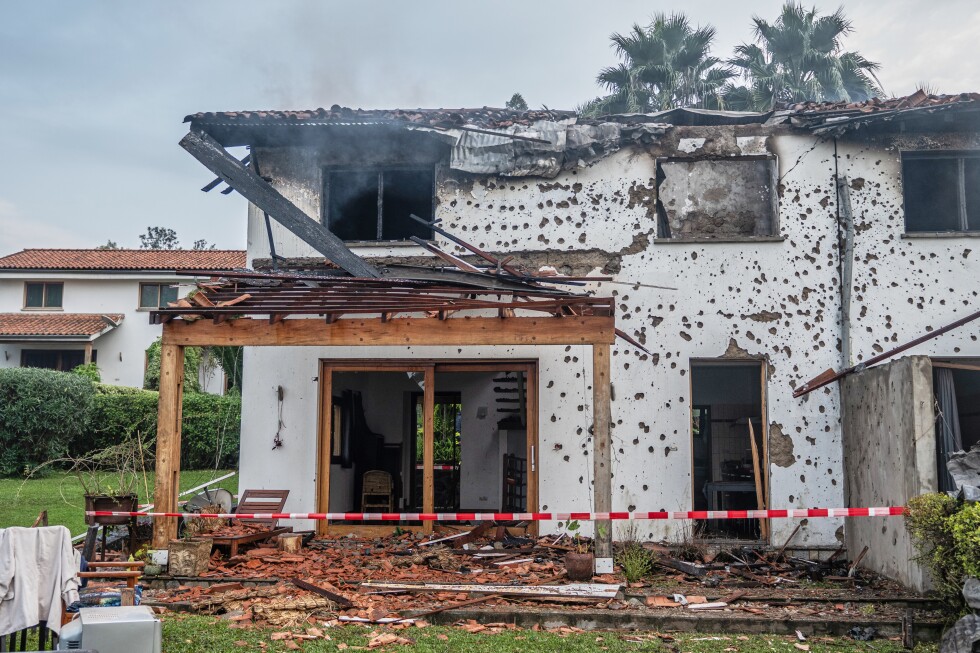
GOMA, Democratic Republic of Congo — A deadly drone assault struck the heart of Goma on Wednesday, resulting in at least one confirmed fatality and escalating tensions in the ongoing conflict between Congolese forces and M23 rebels. The explosions targeted areas near Lake Kivu and a private residence situated approximately 50 meters from the home of former President Joseph Kabila Kabange.
According to M23 representatives and local witnesses, the attack claimed the life of Karine Buisset, a French national serving as a UNICEF employee who was present in the residence during the strike. While M23 officials reported three casualties, local residents confirmed observing only one body, and the exact death toll remains unverified.
The rebel group immediately attributed responsibility for the drone strikes to the Congolese government, which has not issued any official response to the allegations. The incident has drawn international attention, with French President Emmanuel Macron expressing condolences to Buisset’s family and emphasizing the critical need to respect humanitarian law and protect aid workers in conflict zones.
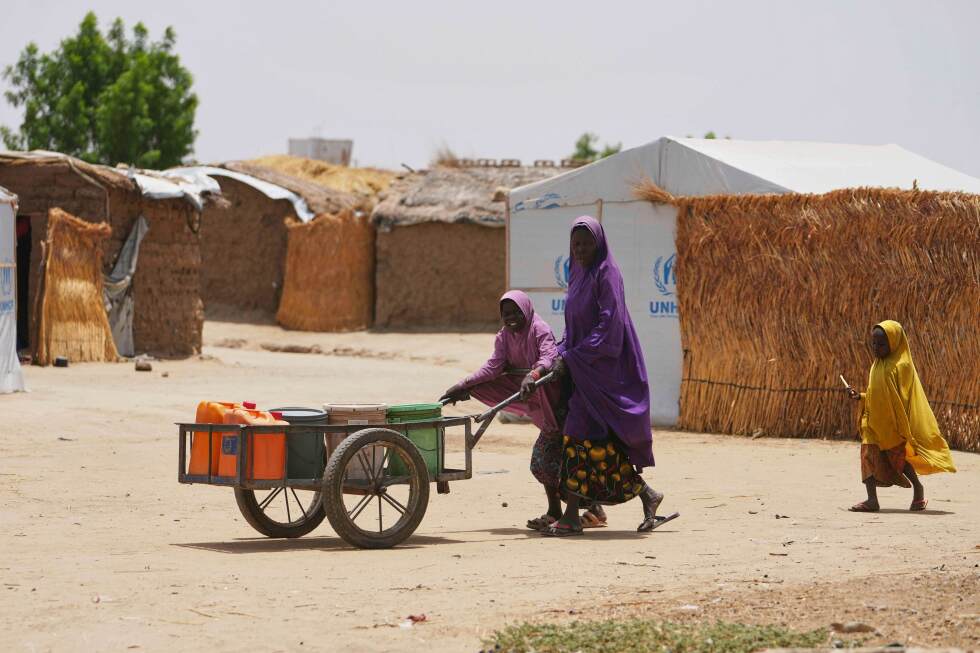
This attack represents the latest escalation in violence that has gripped eastern Congo since January 2025, when Rwanda-backed M23 rebels launched rapid offensive operations across the region, capturing strategic urban centers. The conflict has persisted despite diplomatic intervention efforts led by the United States and Qatar, creating one of Africa’s most severe humanitarian emergencies with approximately 7 million displaced persons.
The February drone strike that eliminated a key M23 spokesperson and operational commander demonstrated the increasing sophistication of aerial warfare in the conflict. Wednesday’s attack marks a significant geographical expansion of hostilities, bringing the violence directly to Goma’s urban center and threatening humanitarian operations throughout the region.