标签: Africa

非洲

  • AI adoption surges across Middle East workforce as employees embrace tech-driven future

    AI adoption surges across Middle East workforce as employees embrace tech-driven future

    The Middle East has emerged as a global frontrunner in workplace artificial intelligence integration, with a remarkable 75% of regional employees actively utilizing AI tools in their professional roles over the past year. This adoption rate significantly surpasses the global average of 69%, according to PwC’s comprehensive Middle East Workforce Hopes and Fears Survey 2025.

    The comprehensive study reveals that AI has transitioned from theoretical concept to practical reality across Middle Eastern organizations. An impressive 79% of employees report substantial productivity improvements through AI implementation, while 87% note enhanced output quality and 84% experience heightened creative capabilities. This technological embrace reflects a fundamental cultural shift where AI is increasingly perceived as an empowering tool rather than occupational threat.

    Regional enthusiasm markedly contrasts with global apprehensions regarding AI’s workplace impact. Approximately 61% of Middle Eastern office workers express excitement about AI’s potential, compared to just 47% worldwide. This optimistic outlook is bolstered by cohesive national digital strategies, including the UAE’s National Strategy for AI 2031 and Saudi Arabia’s National Strategy for Data & AI, which provide clear frameworks for technological advancement.

    Generational analysis indicates Millennials and Gen Z employees are leading this transformation, demonstrating greater familiarity with generative AI tools like ChatGPT compared to senior colleagues. Their technological fluency positions them advantageously for evolving entry-level positions, though organizational leadership remains divided on whether these roles will expand (34%) or contract (43%) due to automation.

    Randa Bahsoun, Partner at PwC Middle East, emphasizes: “While employees demonstrate remarkable adaptability with AI, they seek security and support. Organizations providing role evolution clarity, learning access, and wellbeing protection will excel in retaining talent within this dynamic labor market.”

    The research further identifies a strong emphasis on skills development, with 69% of regional employees pursuing new competencies annually—substantially above global averages. Notably, 81% now prioritize positions offering transferable skill development, indicating learning opportunities have become fundamental career expectations. Companies are responding positively, with 63% of employees reporting managerial support for capability building and 68% acknowledging adequate learning resource access.

    Despite technological optimism, workforce challenges persist. Approximately 45% of employees report fatigue symptoms while 48% feel overwhelmed by increasing workloads. Concurrently, job security has become paramount for 82% of professionals amid ongoing economic uncertainties.

    The report ultimately depicts a region balancing technological ambition with human needs, suggesting organizations combining transparency with substantive upskilling and wellbeing initiatives will best sustain the Middle East’s accelerating AI momentum.
  • Mbeumo & Wissa ‘inspiring’ – Ouattara

    Mbeumo & Wissa ‘inspiring’ – Ouattara

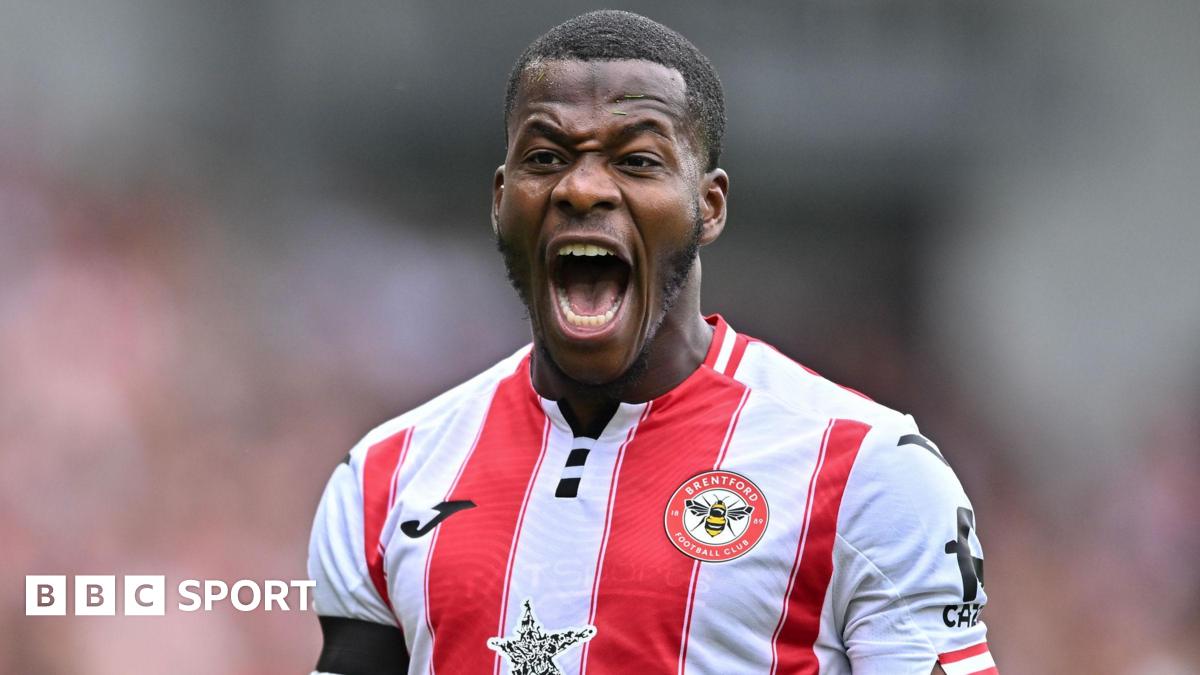
    Brentford’s record signing Dango Ouattara credits the club’s African stars for smoothing his transition to Premier League football, revealing how former players Yoane Wissa and Bryan Mbeumo inspired his promising start. The Burkina Faso international, who joined from Bournemouth for £42 million in August, has become the latest African talent to thrive with the Bees following the departures of Mbeumo to Manchester United and Wissa to Newcastle.

    Ouattara shared insights from his conversations with DR Congo forward Wissa, who emphasized Brentford’s unique player-focused environment. “I was fortunate to connect with him briefly, which proved beneficial,” Ouattara told BBC Sport Africa. “He highlighted the club’s supportive staff and their close relationships with players—something I’ve now experienced firsthand.”

    The 23-year-old winger has made an immediate impact at Brentford, scoring three goals and winning four penalties—the highest tally in the Premier League this season. His contributions have helped maintain the club’s competitive edge despite losing last season’s prolific duo. Wissa had delivered 19 goals and 4 assists before his £50 million move to Newcastle, while Mbeumo contributed 20 goals and 7 assists prior to his £65 million transfer to Manchester United.

    Ouattara particularly admires Wissa’s achievement of nearly 20 non-penalty goals last season: “Whether African or not, their performances inspire all strikers.”

    The transition period under new manager Keith Andrews has been smoother than many anticipated. Following Thomas Frank’s departure to Tottenham after seven successful years, Andrews has maintained team cohesion with his attentive approach. “He’s genuinely supportive,” Ouattara noted. “Even before I played, he was there for me—that meant a lot.”

    As Ouattara prepares for his third Africa Cup of Nations appearance with Burkina Faso, he acknowledges the leadership of captain Bertrand Traore. The Sunderland forward’s calm authority and selective communication have created a balanced squad dynamic. “He speaks when he has something positive to contribute,” Ouattara explained.

    Burkina Faso begins their Afcon campaign against Equatorial Guinea on Wednesday, with potential knockout stage meetings against former Brentford teammates Mbeumo’s Cameroon and Frank Onyeka’s Nigeria.

  • Libya’s army chief killed in air crash in Turkey

    Libya’s army chief killed in air crash in Turkey

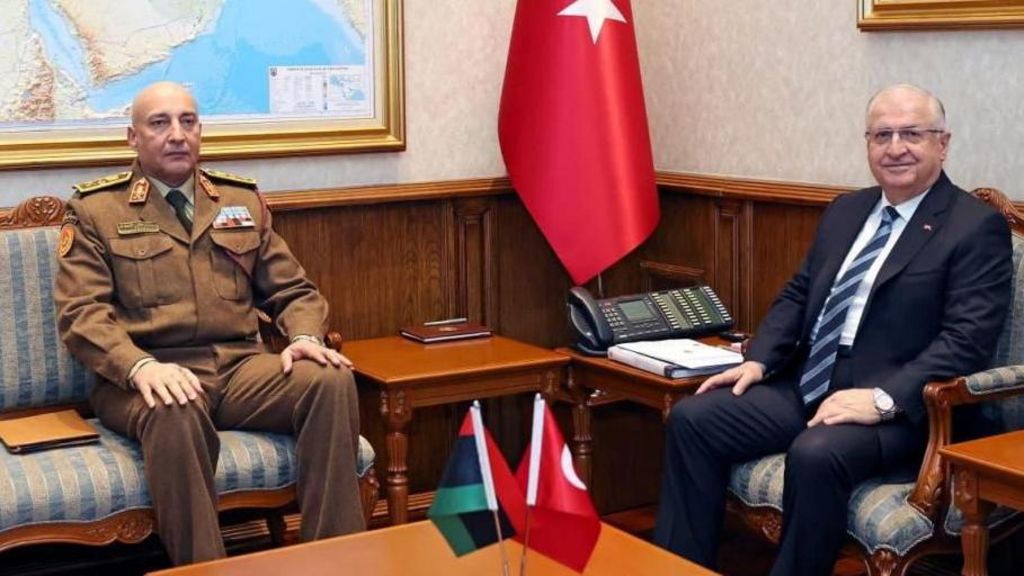
    Libya’s military leadership suffered a devastating blow as Army Chief General Mohammed Ali Ahmed al-Haddad was killed in a business jet crash near Ankara, Turkey, on Tuesday evening. The fatal incident occurred shortly after high-level defense discussions between Libyan and Turkish officials.

    The Falcon 50 aircraft, carrying General Haddad and four senior Libyan military officials, departed from Ankara’s airport at approximately 20:10 local time. According to Turkish Interior Minister Ali Yerlikaya, radar contact was lost at 20:52 (17:52 GMT) after the Tripoli-bound jet had issued an emergency landing request. Search teams subsequently located the wreckage near the village of Kesikkavak in Haymana district, southwest of the Turkish capital.

    Libyan Prime Minister Abdul Hamid Dbeibeh, leading the internationally-recognized Government of National Unity, confirmed the tragic loss of General Haddad and his delegation. In an official statement, Dbeibeh characterized the event as a ‘great national loss,’ praising the deceased as ‘men who served their country with sincerity and dedication.’

    The military delegation had been engaged in strategic talks with Turkish Defense Minister Yasar Guler aimed at enhancing bilateral security cooperation between the two nations. These discussions represented ongoing efforts to strengthen military ties between Turkey and Libya’s UN-backed government.

    Turkish authorities have launched a comprehensive investigation to determine the cause of the crash. Interior Minister Yerlikaya assured that ‘the public will be informed of further developments’ as the probe progresses. The incident marks a significant setback for Libya’s military establishment and its international partnerships during a period of ongoing political fragmentation in the North African nation.

  • UAE gold prices up more than 60% in 2025; residents see investments nearly double

    UAE gold prices up more than 60% in 2025; residents see investments nearly double

    The United Arab Emirates has witnessed an extraordinary bull run in gold markets throughout 2025, with prices surging more than 60 percent in a single year and delivering nearly doubled returns for investors who entered the market earlier. This remarkable performance has transformed gold from a traditional safe-haven asset into one of the year’s top-performing investments.

    Abu Dhabi resident Zeba Mohammed exemplifies this trend, having purchased 10 grams of gold jewelry in December 2024 for approximately Dh3,000. Just twelve months later, her investment has appreciated to nearly Dh5,000 in value. ‘I keep advising my friends and family to do the same,’ Mohammed stated, highlighting gold’s growing popularity as both an accessible investment vehicle and meaningful gift.

    According to Ole Hansen, Head of Commodity Strategy at Saxo Bank, the foundations for this rally were established years ago, reflecting ‘a profound shift in the macro, geopolitical, and institutional backdrop for gold.’ The numbers speak volumes: 24K gold opened the year at Dh318.0 per gram before climbing to unprecedented heights of Dh540.0 per gram by year’s end.

    The soaring prices have democratized gold investment, attracting first-time and small-scale investors. UAE expat Sana Ashraf began her investment journey with gold and silver ETFs earlier this year, already witnessing a 30 percent portfolio growth within months. Similarly, Dubai resident Ashraf Khan participates in a jewelry shop scheme that allows him to systematically invest Dh2,000 annually while acquiring pieces without making charges.

    Despite the overwhelming optimism, analysts caution that 2026 may bring volatility. Hansen notes that January’s commodity index rebalancing could trigger significant selling in futures markets, potentially creating short-term price disruptions. Additionally, questions remain about the sustainability of central bank demand as rising prices automatically increase the value of existing reserves.

    Looking ahead, scenarios including sticky inflation combined with rate cuts could create stagflation-like conditions historically favorable for gold. Some analysts maintain long-term targets as high as $5,000 per ounce by late 2026, suggesting the golden run might have further to go despite anticipated bumps along the way.

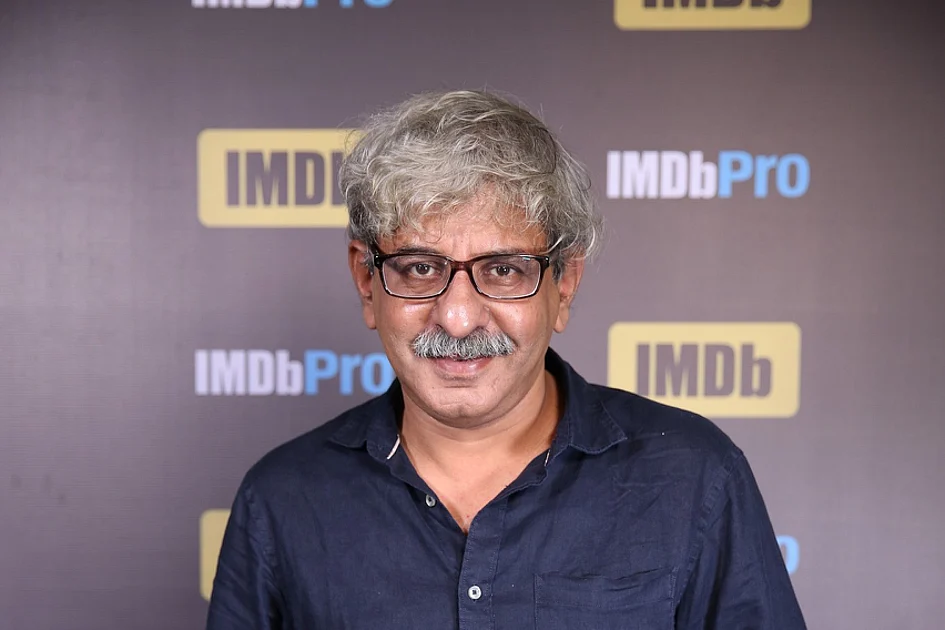
  • ‘Ikkis’ director Sriram Raghavan remembers Dharmendra

    ‘Ikkis’ director Sriram Raghavan remembers Dharmendra

    Director Sriram Raghavan has shared poignant reflections on working with the late Bollywood legend Dharmendra in the upcoming war biopic ‘Ikkis,’ marking the actor’s final screen appearance before his passing last November. The film, scheduled for release on January 1, 2026, now carries additional emotional significance as a posthumous tribute to the iconic actor.

    Raghavan revealed that Dharmendra never had the opportunity to view the completed film or witness the anticipated appreciation for his performance. The director recounted his final meeting with the actor during October’s dubbing sessions, noting that while Dharmendra was ‘okay, but not too well’ at the time, his dedication to his craft remained undiminished. ‘He is not here to enjoy the work he had done. That is a regret we have,’ Raghavan expressed.

    The filmmaker highlighted Dharmendra’s meticulous preparation methods, describing how the veteran actor would personally transcribe his dialogues in Urdu script—a practice reflecting his old-school approach to character development. ‘He would also write the core actor’s dialogues. He was extremely well-prepared,’ Raghavan added, emphasizing the star’s professional commitment.

    Producer Dinesh Vijan disclosed that Dharmendra’s family has yet to view the completed film, anticipating an emotional response when they do. ‘I think they’ll only cry. I just wish our kids could love us as much as they love him,’ Vijan remarked, describing the family’s profound connection to the project as both ‘heartbreaking’ and ‘beautiful.’

    ‘Ikkis’ portrays the story of Second Lieutenant Arun Khetarpal, India’s youngest recipient of the Param Vir Chakra—the nation’s highest military honor. Agastya Nanda appears in the lead role, with Dharmendra’s performance serving as a cinematic farewell to the beloved actor who passed away on November 24 in Mumbai.

  • Mali, Burkina Faso and Niger call for joint ‘large-scale operations’ against extremists

    Mali, Burkina Faso and Niger call for joint ‘large-scale operations’ against extremists

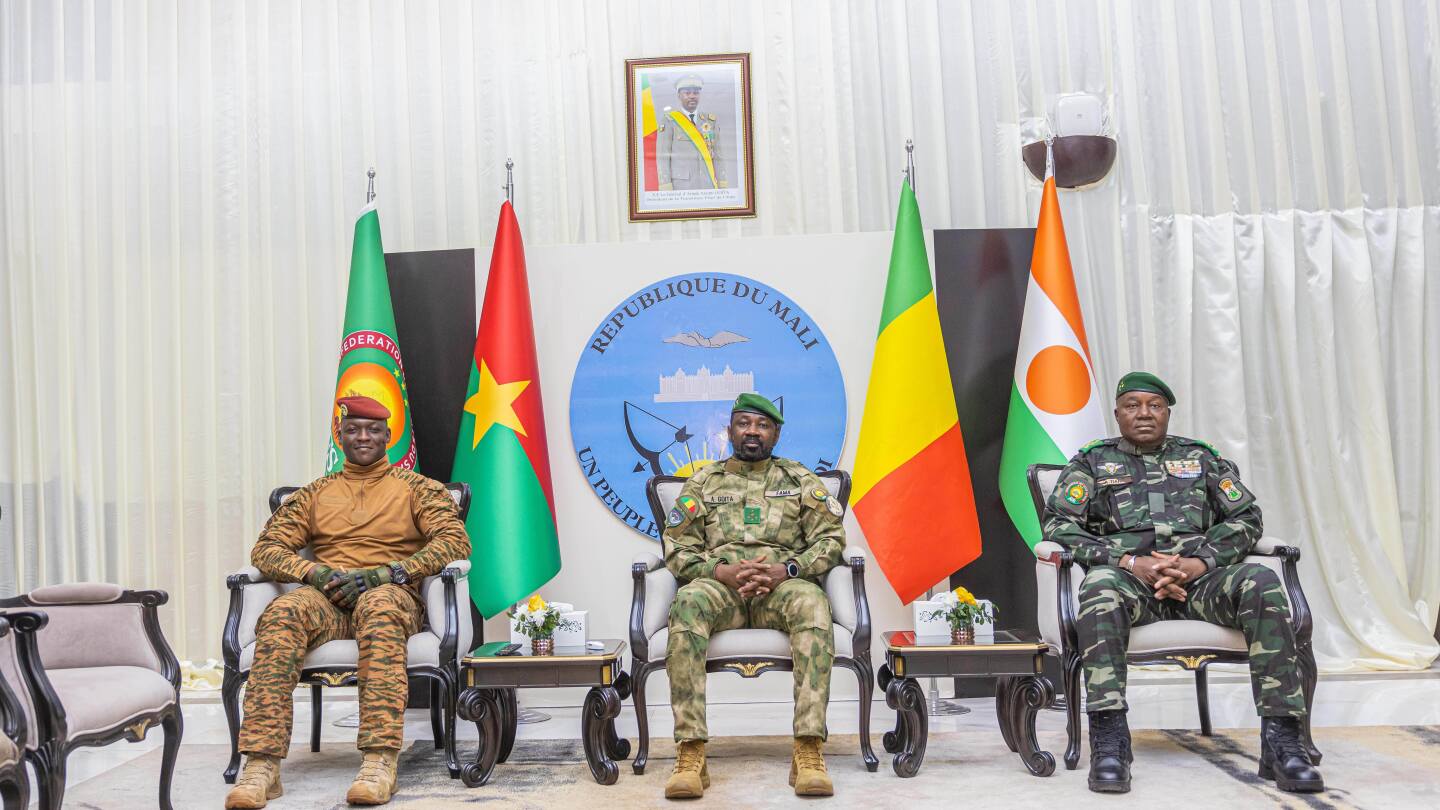
    BAMAKO, Mali — The newly formed Alliance of Sahel States has initiated a significant military escalation against extremist groups operating throughout the region. Captain Ibrahim Traoré, Burkina Faso’s leader and newly appointed head of the tri-nation alliance, announced that the recently deployed joint battalion will soon expand into large-scale security operations across Mali, Burkina Faso, and Niger.

    The three military-led governments, which collectively withdrew from West Africa’s regional bloc earlier this year, convened a summit on Tuesday to strengthen security and economic cooperation. This gathering followed the operational launch of a 5,000-personnel joint military battalion designed specifically to combat armed extremist organizations.

    These Sahel nations represent the epicenter of global extremist violence, with armed factions affiliated with both al-Qaida and the Islamic State creating the deadliest concentration of terrorism activity worldwide. All three countries have experienced military coups in recent years and contend with severely strained security forces.

    Niger’s junta leader, Abdourahamane Tchiani, emphasized the alliance’s commitment to sovereignty, stating that member states have terminated all foreign military occupations—a clear reference to the expulsion of French and American forces. “No country or interest group will decide for our countries anymore,” Tchiani declared during the summit.

    Despite this assertion of independence, the alliance has simultaneously cultivated strengthened security partnerships with Russia, signaling a strategic pivot in international allegiances.

    Regional security analysts note the considerable challenges facing the alliance. Rida Lyammouri of Morocco’s Policy Center for the New South observed that the Sahel’s multifaceted security crisis remains “very difficult to defeat” regardless of which external partners engage with the alliance.

    Ulf Laessing, head of the Sahel program at the Konrad Adenauer Foundation, highlighted the alliance’s growing internal cohesion despite international sanctions and fractured diplomatic relations. The bloc “enjoys popularity among citizens of the three countries” and appears committed to expanding cooperation beyond immediate military objectives.

  • The 1% promise smart affordability or silent risk?

    The 1% promise smart affordability or silent risk?

    Dubai’s real estate market is experiencing a transformative shift as ultra-low monthly payment plans revolutionize property accessibility. These innovative financing structures, requiring just 1% monthly installments, are dismantling traditional barriers to homeownership by eliminating substantial upfront deposits that previously deterred potential buyers.

    Developers across the UAE are aggressively promoting these schemes as accessible entry points into property investment, particularly appealing to expatriate entrepreneurs, freelancers, and salaried professionals seeking long-term roots in the Emirates. The fundamental appeal lies in preserving liquidity—buyers can maintain capital for business expansion and avoid personal loans while gradually building property equity.

    However, financial analysts caution that beneath the surface of these attractive payment arrangements lurk potential complexities. Many plans conclude with substantial balloon payments or require mortgage conversions at completion, exposing buyers to interest rate fluctuations. The critical period occurs post-handover when investors must transition from development-phase payments to potentially heavier financial obligations.

    Industry leaders present contrasting perspectives on this emerging trend. Rizwan Sajan, Founder of Danube Group, champions these plans as empowering tools that enable disciplined investors to participate in Dubai’s growth story without immobilizing capital. Conversely, Jumana Al Gaddah of MAG Group Holding emphasizes that true affordability extends beyond initial payments to encompass entire ownership journeys, warning against structures that merely defer financial pressure.

    The proliferation of 1% plans has democratized market access, attracting non-traditional borrowers who might not qualify for conventional mortgages. While this expansion fosters inclusivity, it simultaneously raises concerns about potential over-leveraging among buyers with unconventional income profiles.

    As competition intensifies among mid-market developers, these payment plans have evolved into powerful marketing instruments. Prospective purchasers must scrutinize total cost structures, service charges, post-handover conditions, and developer track records rather than focusing solely on the attractive monthly percentage.

    The ultimate viability of these arrangements hinges on transparent terms, realistic financial planning, and alignment with long-term stability objectives. When properly structured and thoroughly understood, 1% payment plans can serve as legitimate pathways to property ownership—but they demand comprehensive due diligence to avoid future financial strain.

  • Samsung Galaxy Z TriFold sells out in UAE: What’s the next phone to watch out for?

    Samsung Galaxy Z TriFold sells out in UAE: What’s the next phone to watch out for?

    Samsung’s groundbreaking Galaxy Z TriFold has achieved a remarkable sell-out success in the United Arab Emirates, with all 500 allocated units disappearing within minutes of launch. This limited-edition device, available in only five select global markets, has demonstrated the UAE’s position as a premier market for cutting-edge technology adoption.

    The TriFold represents Samsung’s most ambitious foldable innovation to date, featuring a revolutionary 10-inch Dynamic AMOLED 2X tri-fold display, the powerful Snapdragon 8 Elite for Galaxy processor, and an advanced 200 MP camera system. Its integrated Galaxy AI capabilities are specifically engineered for enhanced multitasking and creative applications, positioning the device as a premium productivity tool.

    With the TriFold already unavailable, market attention is rapidly transitioning to Samsung’s upcoming smartphone releases. Industry reports indicate the company is preparing for its February Galaxy Unpacked event in San Francisco, where the Galaxy S26 series is expected to debut. Originally planned to include multiple variants, Samsung has reportedly streamlined its strategy following mixed market performance of previous models.

    The much-anticipated Galaxy S26 Ultra now emerges as the next significant release, with Samsung having reportedly abandoned both the Edge concept due to disappointing S25 Edge sales and a Pro model over pricing competitiveness concerns. This strategic refinement comes as Apple maintains its entry-level pricing structure for the iPhone 17, creating intensified competition in the premium smartphone segment.

    The instantaneous sell-out phenomenon underscores the robust consumer appetite for innovative premium technology in the UAE market, establishing the region as a critical testing ground for advanced mobile devices and reinforcing Samsung’s position in the high-end foldable market segment.

  • UAE: Scientist-astronaut wants to make ‘space travel as normal as flying’

    UAE: Scientist-astronaut wants to make ‘space travel as normal as flying’

    A revolutionary vision to transform space travel into an experience as routine as commercial aviation is being spearheaded by scientist-astronaut and philanthropist Malik (Mac) Malkawi through his Abu Dhabi-based organization, Borderless Labs Inc (Blinc). Founded in 2015, Blinc has evolved from its initial philanthropic mission of providing STEAM education to refugee camps into a comprehensive space initiative focusing on astronaut training, human spaceflight experiences, and educational outreach.

    Malkawi draws a direct parallel between the current state of space travel and the early days of aviation. “Our job is to make astronautics and space the new aviation,” he stated in an interview with Khaleej Times, referencing how air travel transitioned from an exclusive luxury to commonplace transportation. This vision gains credibility following Virgin Galactic’s successful first commercial suborbital flight in June 2023, which reached 80 kilometers above ground.

    The economic landscape supports this ambitious goal. According to the Space Foundation, the global space economy generated $570 billion in revenues in 2023, with commercial activities accounting for nearly 80% of industry operations. PricewaterhouseCoopers projects this could expand to approximately $2 trillion by 2040.

    Blinc’s comprehensive training program includes G-force aerobatic flights conducted in partnership with ActionFlight Ras Al Khaimah, simulating the physical forces astronauts endure during launch and re-entry. Participants experience up to 4.5 Gs, temporarily making the body feel several times heavier than its actual weight—a critical preparation for space conditions.

    The UAE’s unique advantages make it an ideal hub for this initiative. Malkawi highlights the country’s leadership vision, advanced infrastructure, and particularly its geological attributes. Certain UAE soil types prove superior to traditional NASA training grounds in Arizona for planetary geology preparation, attracting former NASA leadership and astronauts to explore training opportunities in the region.

    Blinc plans to operate across multiple emirates: classrooms in Abu Dhabi, analog astronaut experiences in Sharjah, underwater spacesuit simulations in Dubai, and aviation training in Ras Al Khaimah, creating a comprehensive ecosystem for space accessibility and education.

  • Man City in advanced talks with Bournemouth’s Semenyo

    Man City in advanced talks with Bournemouth’s Semenyo

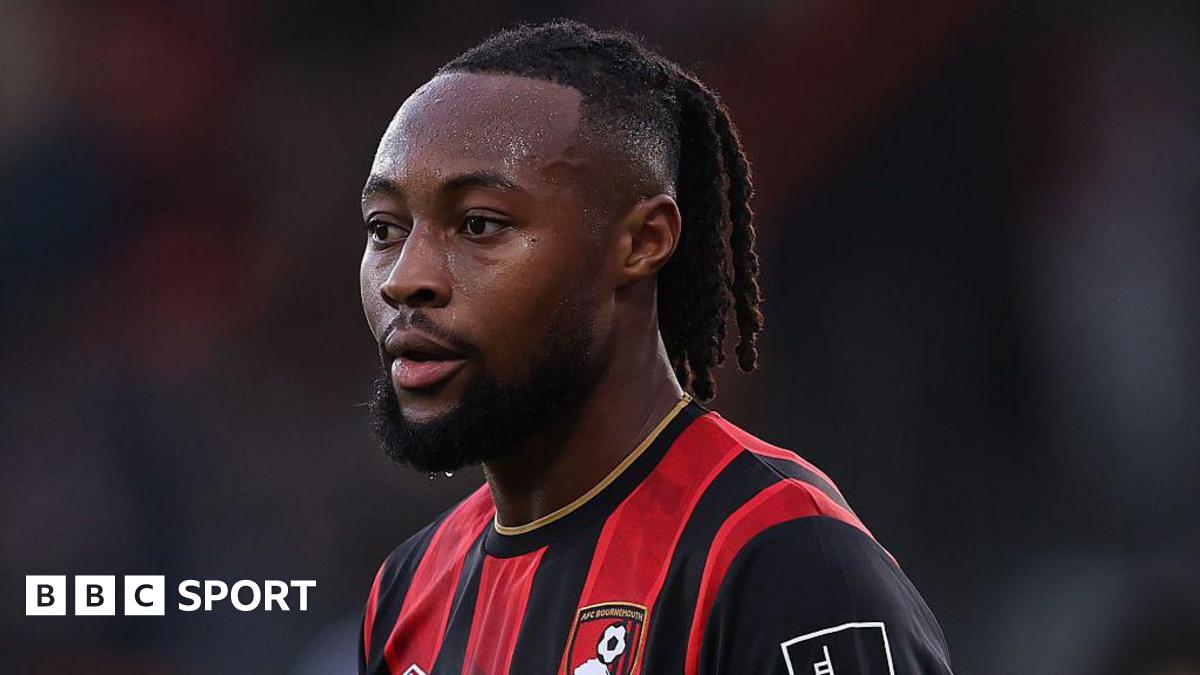
    In a significant development in the January transfer market, Manchester City has positioned itself as the probable destination for Bournemouth’s dynamic forward Antoine Semenyo. The Premier League champions have made substantial progress in negotiations and now appear optimally placed to secure the services of the 25-year-old Ghana international.

    The pursuit of Semenyo has sparked considerable interest across England’s top football division, with four additional elite clubs—Manchester United, Liverpool, Tottenham Hotspur, and Chelsea—having initiated enquiries regarding the player’s availability. However, United has withdrawn from active contention anticipating Semenyo’s move to their cross-city rivals, while Chelsea has explicitly decided against pursuing a formal offer.

    Liverpool maintains peripheral interest but faces complications following Alexander Isak’s recent leg fracture, potentially accelerating their transfer strategy. Tottenham remains considered an outside contender for the signature despite previous engagement.

    Critical to the transfer dynamics is Semenyo’s £65 million release clause, strategically negotiated into his July contract extension with Bournemouth. This financial mechanism remains active exclusively during the initial ten days of January, with the valuation set to decrease slightly during the summer transfer window.

    Bournemouth’s management acknowledges their vulnerability in retaining their key asset and demonstrates willingness to negotiate with any club prepared to permit Semenyo to remain until the current season concludes.

    From the player’s perspective, financial considerations appear secondary to sporting ambitions. Well-informed sources indicate competing clubs have proposed remarkably similar remuneration packages. Semenyo’s decision-making process prioritizes long-term competitive prospects and trophy-winning potential, with familial considerations and geographical factors also influencing his choice.

    Bournemouth manager Andoni Iraola addressed the speculation surrounding his player: ‘The situation remains beyond our control, but Antoine continues demonstrating professional commitment. While I unequivocally prefer retaining him, the transfer market’s unpredictability persists.’

    For Manchester City, acquiring Semenyo addresses Pep Guardiola’s strategic objective to reinforce the right attacking flank. The Ghanaian’s exceptional pace and direct offensive style would provide valuable tactical diversity as City challenges Arsenal across four competitive fronts.

    The potential arrival could precipitate departures from Etihad Stadium, with Savinho or Oscar Bobb potentially becoming transfer candidates to accommodate the new signing.