标签: Africa

非洲

  • ISRL grand finale in Calicut commands global spotlight with Salman Khan appearance

    ISRL grand finale in Calicut commands global spotlight with Salman Khan appearance

    The Indian Supercross Racing League (ISRL) culminated its season with a spectacular Grand Finale in Calicut on December 21st, transforming the event into an international spectacle through strategic celebrity involvement and cross-border educational partnerships. Bollywood icon Salman Khan’s prominent appearance elevated the motorsport competition beyond athletic boundaries, generating substantial mainstream media attention and digital engagement.

    The season finale represented a pivotal achievement for India’s motorsport landscape, attracting intense interest from racing enthusiasts, industry representatives, and international media outlets. The event further solidified Calicut’s emerging status as a preferred venue for premium sporting events and large-scale entertainment productions, showcasing India’s growing capacity to host world-class competitions.

    UAE-based FundFloat Trading Academy served as the presenting partner, injecting international credibility and highlighting the synergistic relationship between high-performance sports and professional education. The collaboration emphasized shared values of discipline, precision, and strategic decision-making under pressure conditions. This partnership also demonstrated the expanding global influence of UAE educational institutions in international sporting sponsorships.

    FundFloat Trading Academy, recognized as a leading forex education provider in Dubai, offers comprehensive training programs for traders across experience levels through both online and offline platforms. Their educational methodology combines structured learning with practical market application and disciplined trading frameworks, establishing the institution as an authoritative voice within the regional financial education sector.

    A distinctive feature of FundFloat’s program is their innovative ‘Learn Now Pay Later’ model, which eliminates upfront fees by deferring payment until students achieve trading profitability. This outcomes-based approach aligns institutional success with learner performance, contributing to the academy’s recognition as one of the highest-rated forex education providers in the UAE market.

    The integration of celebrity power through Salman Khan’s participation dramatically expanded the event’s audience reach, transcending traditional motorsport viewership to capture mainstream entertainment coverage. This fusion of sporting competition and entertainment elements positioned the finale as both a athletic competition and cultural phenomenon with international appeal.

    The ISRL Grand Finale successfully demonstrated the modern convergence of professional sports, entertainment spectacle, and educational partnerships on global platforms, establishing a new benchmark for integrated sporting events in the region.

  • Algeria votes to declare French colonization a crime and demands restitution

    Algeria votes to declare French colonization a crime and demands restitution

    ALGIERS, Algeria — In a landmark legislative move with profound historical implications, Algeria’s National Assembly has formally declared France’s 130-year colonial occupation a criminal act. The newly enacted law establishes a comprehensive framework seeking redress for colonial-era injustices, including demands for restitution of appropriated property and cultural artifacts.

    The legislative body, with an overwhelming majority of 340 out of 407 members, endorsed the measure during a ceremonious session marked by nationalistic symbolism. The timing coincides with broader African continental initiatives advocating for recognition and reparations concerning colonial crimes.

    This groundbreaking legislation encompasses the entire colonial period from France’s initial invasion in 1830 through Algeria’s hard-won independence in 1962. Key provisions mandate the return of Algerian archives and cultural property displaced during colonial rule, alongside detailed documentation regarding French nuclear testing conducted on Algerian territory between 1960-1966. The law further demands repatriation of remains belonging to Algerian resistance fighters currently held in France.

    Notably, the statute imposes criminal penalties—including imprisonment—for any Algerian citizen found celebrating French colonialism or disparaging symbols of national resistance.

    France has vehemently condemned the legislation as a “hostile act” that jeopardizes ongoing bilateral reconciliation efforts. The French Foreign Ministry emphasized President Emmanuel Macron’s previous initiatives addressing colonial grievances while reaffirming commitment to continued dialogue on security and migration matters.

    The historical context reveals particularly brutal aspects of French colonial administration in Algeria. Despite legal incorporation into France, systemic inequality prevailed with nearly one million European settlers enjoying superior political, economic, and social privileges. Algeria’s revolutionary struggle witnessed extreme violence, including widespread torture, forced disappearances, and village devastations as part of French counterinsurgency operations.

    Parliamentary proceedings were emotionally charged, featuring displays of massive national flags and spontaneous renditions of patriotic anthems. Assembly Speaker Mohamed Boughali characterized the occasion as “a historic day to be written in letters of gold in the national narrative.”

    The legislation’s principal architect, former lawmaker Mohamed Arezki Ferrad, described the adoption as “the culmination of a long struggle initiated in 2001 for the memory and honor of all resistance fighters.” The comprehensive statute comprises five chapters and 27 articles, explicitly establishing that colonial-era crimes are not subject to statutes of limitation.

  • ‘I’m not retiring’ – Kipchoge’s marathon world tour

    ‘I’m not retiring’ – Kipchoge’s marathon world tour

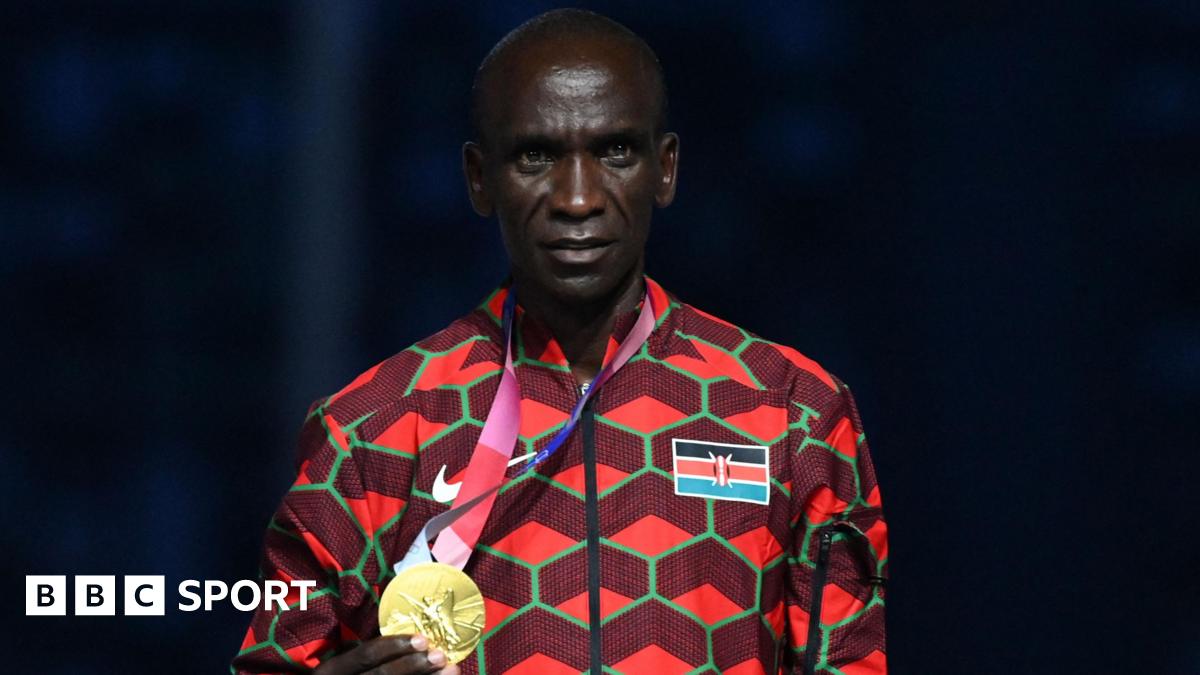
    After dominating competitive marathon running for over two decades, 41-year-old Kenyan athlete Eliud Kipchoge has announced a transformative new chapter in his legendary career. The two-time Olympic champion, widely regarded as the greatest marathoner in history, revealed he is transitioning from elite competition to a global running initiative designed to inspire communities worldwide.

    Kipchoge emphasized this shift represents not retirement but evolution, stating: ‘What I am doing is not retiring. I am evolving. I am running for purpose.’ His ambitious Eliud Kipchoge World Tour will span two and a half years and feature marathon events across all seven continents, including the challenging conditions of Antarctica.

    The initiative operates under ‘Eliud’s Running World,’ a platform promoting global running participation while supporting humanitarian causes. Each marathon will raise approximately $1 million for the Eliud Kipchoge Foundation, focusing on education, environmental sustainability, and health initiatives. In Kenya, Kipchoge plans to build libraries across all 47 counties, believing that ‘there is knowledge in books’ essential for global connectivity.

    Kipchoge’s perspective has been shaped by his unprecedented achievements—including 11 World Marathon Major victories, two Olympic gold medals, and becoming the first person to break the two-hour marathon barrier in 2019—but also by concerns about athlete welfare systems. He has become increasingly vocal about the inadequate protection and compensation for athletes who don’t reach elite status, citing the case of Evans Kibet, a Kenyan runner now imprisoned as a prisoner of war in Ukraine after being lured by false promises.

    ‘Talent does not look like talent if you do not nurture it,’ Kipchoge observed, comparing undeveloped athletes to uncut diamonds. He criticizes sports federations and governing bodies for failing to provide proper education, mentorship, and safeguarding, particularly for those who don’t immediately succeed.

    The running icon has long advocated for clean sport, warning that pressure for quick success contributes to doping and ethical shortcuts. He believes sport should be treated as a profession with long-term perspective rather than a gamble, and has extended his mentoring to athletes in boxing, judo, and rugby.

    Kipchoge’s philosophy values discipline over glamour, process over outcome, and purpose over applause. While his competitive fire remains, its meaning has transformed: ‘I have nothing more to prove to the world. What I want now is to sell the spirit of running to the next generation.’

  • Beijing role in Africa’s green shift draws praise

    Beijing role in Africa’s green shift draws praise

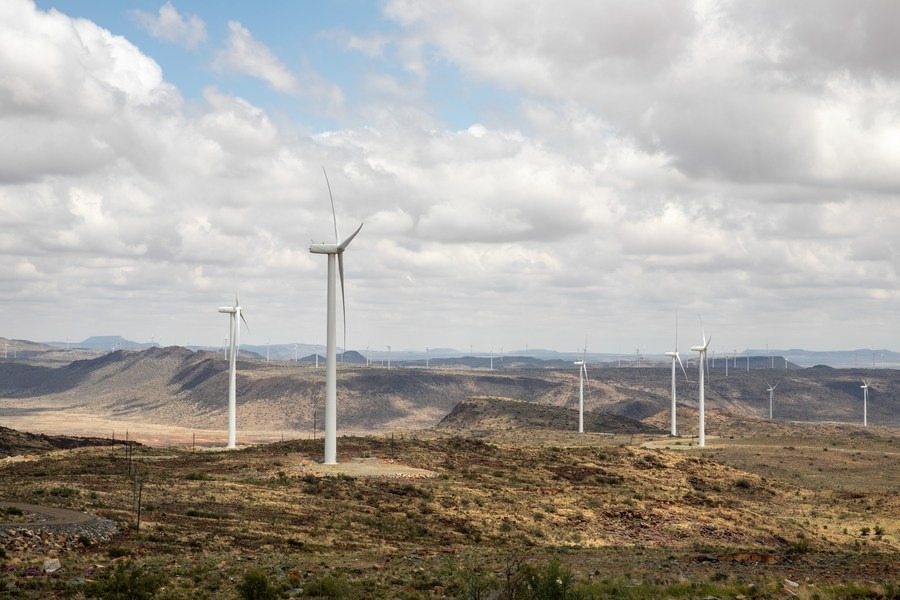
    Two comprehensive studies released by the Africa-China Centre for Policy and Advisory in collaboration with the African Climate Foundation reveal China’s increasingly significant role in advancing sustainable development across Africa. The research, focusing specifically on Ghana and Ethiopia, demonstrates how Chinese partnerships have evolved beyond traditional infrastructure projects to become crucial enablers of green industrialization.

    Through the Forum on China-Africa Cooperation (FOCAC), China has established innovative financing mechanisms that African nations find more adaptable than Western alternatives. These arrangements include concessional loans, grants, and technical assistance packages specifically designed to make renewable energy projects more financially accessible. The $60 billion commitment China made to African investments has already supported notable initiatives such as Ghana’s Hydro-Solar Hybrid plant and numerous industrial zone upgrades promoting eco-friendly manufacturing.

    In Ethiopia, Chinese engagement has been particularly transformative, with $850 million invested in green energy between 2011-2024—making China the nation’s second-largest renewable energy donor after the World Bank Group. Chinese enterprises have contributed to over 2,000 projects valued at approximately $5 billion, generating nearly 600,000 employment opportunities while developing critical infrastructure including railways, telecommunications networks, and power generation facilities.

    The reports acknowledge certain challenges, noting that Ghana’s manufacturing sector receives only a limited portion of green financing and that domestic financial institutions have been slow to adopt climate-conscious lending practices. Ethiopia requires better alignment between FOCAC initiatives and its specific green industrial priorities.

    Despite these hurdles, researchers emphasize the substantial opportunities emerging from Sino-African cooperation. Paul Frimpong, Executive Director of the Africa-China Centre, highlighted the growing urgency among African nations to shape their climate agendas through international partnerships. Sahele T. Fekede of the African Climate Foundation pointed to the potential for African institutions to enhance regulatory frameworks and build technical capacity through collaboration with Chinese partners.

    The assessment concludes that China’s flexible financing models and technological expertise are helping bridge critical funding gaps in Africa’s green transition, which could potentially create 1.2 million new jobs in Ghana alone by 2030 while reducing industrial emissions by 35 percent.

  • Somalis vote in the first one-person, one-vote local election in decades

    Somalis vote in the first one-person, one-vote local election in decades

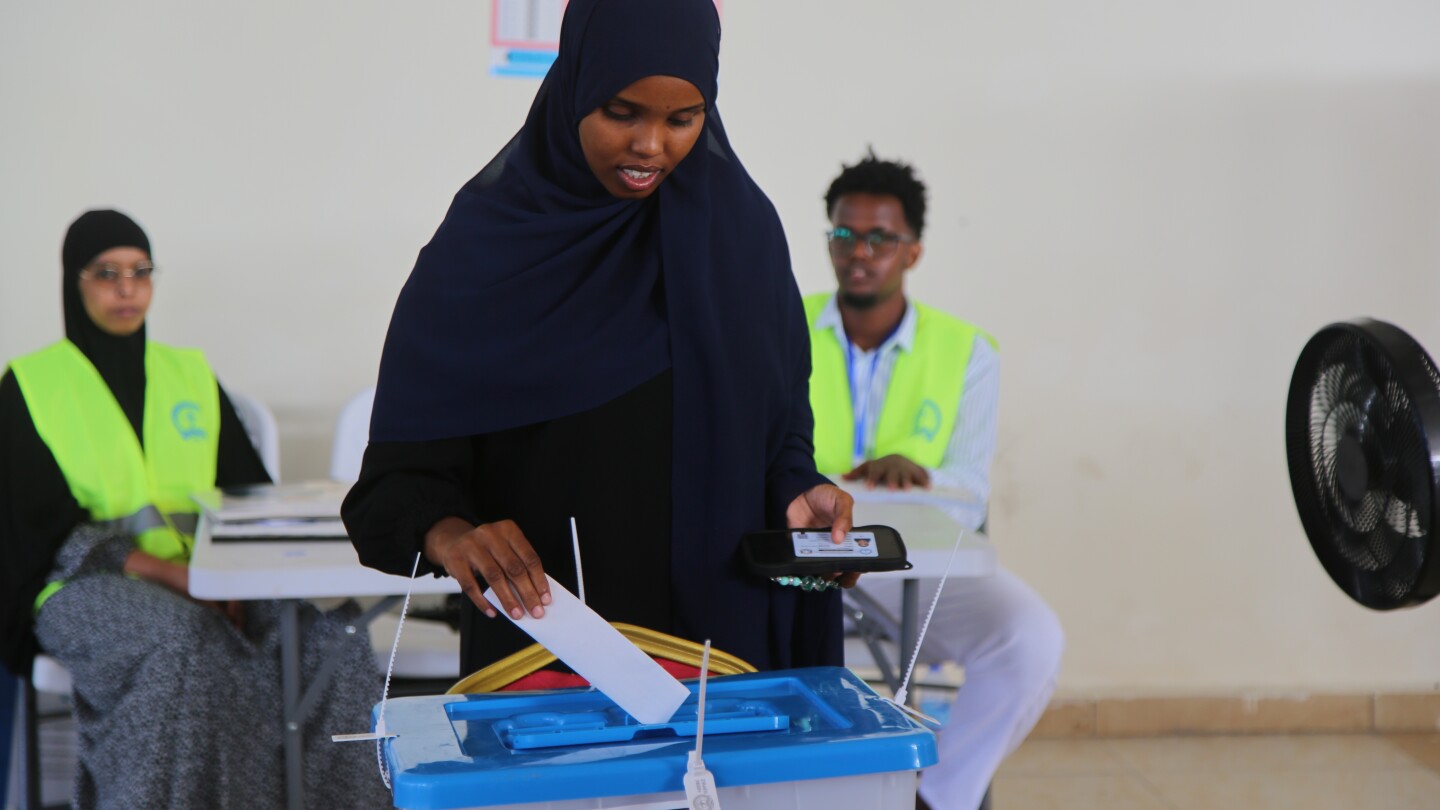
    MOGADISHU, Somalia – The Somali capital witnessed a historic democratic exercise Thursday as residents participated in the nation’s first universal suffrage local elections since 1969. This groundbreaking electoral process represents a radical departure from Somalia’s traditional clan-based power-sharing system that has dominated political life for decades.

    Organized by the federal government across Mogadishu’s 16 districts, the council elections have sparked intense political division. Opposition parties have unanimously rejected the process, labeling it as fundamentally flawed and politically biased. The voting marks the inaugural major electoral undertaking administered by Somalia’s National Independent Electoral and Boundaries Commission, featuring participation from approximately 20 political parties.

    Despite its significance, the election does not determine Mogadishu’s mayoral leadership, which remains an appointed position due to unresolved constitutional status of the capital. This ambiguity reflects broader political fractures between President Hassan Sheikh Mohamud and regional leaders from Jubaland and Puntland regarding constitutional reforms.

    Security measures were significantly enhanced throughout the capital to safeguard the electoral process against potential attacks from al-Shabab militants, who have consistently threatened Somalia’s political stability. Electoral authorities reported over 900,000 registered voters across 523 polling stations in the central region.

    Political analyst Mohamed Husein Gaas, director of the Raad Peace Research Institute, noted that Mogadishu has demonstrated the technical feasibility of local elections despite challenges. He emphasized that the federal government’s initiative empowers citizens, enhances governmental accountability, and progresses toward a more inclusive state structure.

    The elections, previously postponed three times in 2024, have faced vehement opposition criticism alleging that the government seeks to consolidate power and potentially extend presidential term limits—claims that authorities strongly deny. Meanwhile, first-time voter Farhiyo Mohamed expressed exhilaration at participating in an unprecedented democratic experience she had never witnessed in her lifetime.

  • Blast at mosque in Nigeria kills 5 and injures more than 30 in apparent suicide attack

    Blast at mosque in Nigeria kills 5 and injures more than 30 in apparent suicide attack

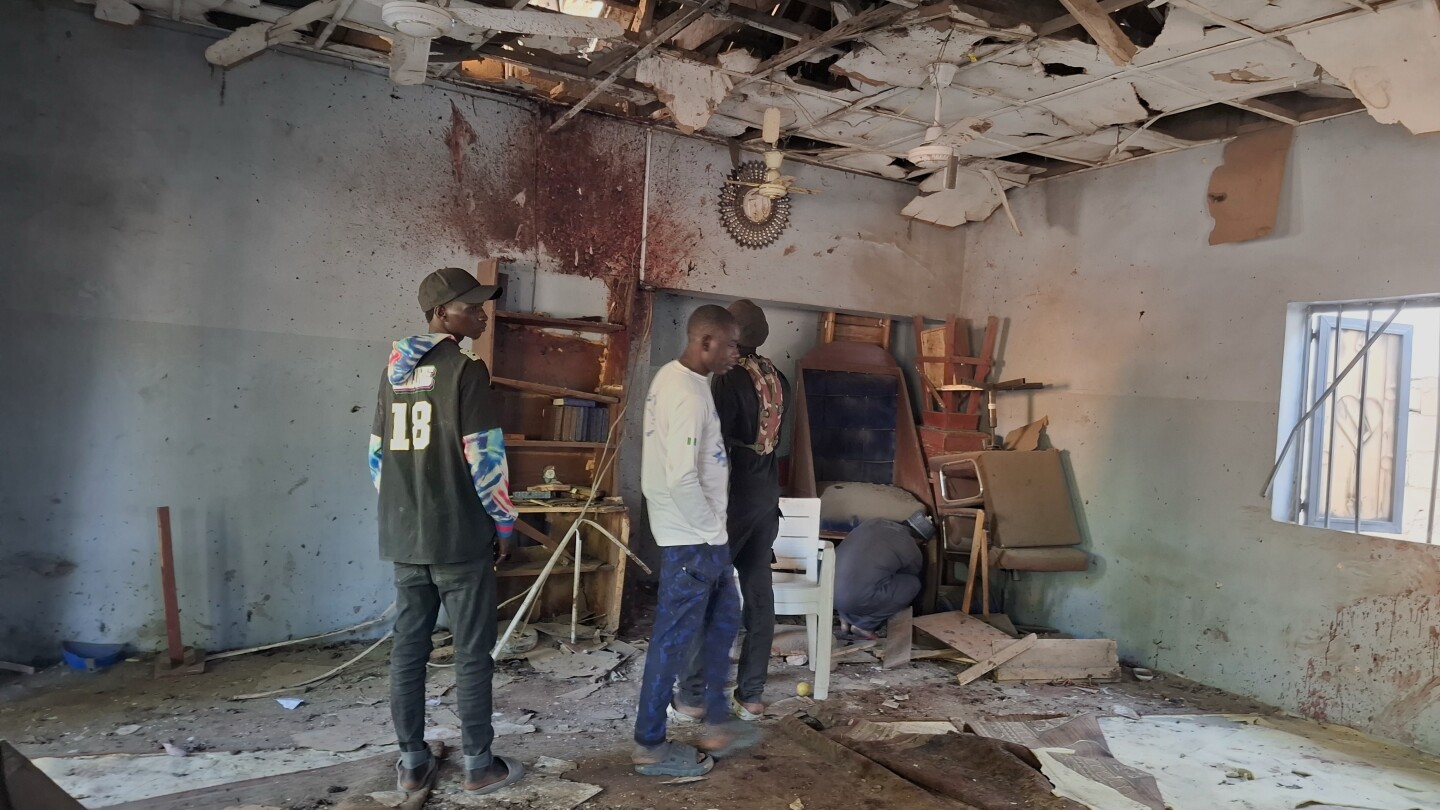
    MAIDUGURI, Nigeria — A devastating suicide bombing targeted worshippers at a mosque in northeastern Nigeria on Wednesday evening, resulting in five fatalities and 35 injuries according to police reports. The attack occurred during nightly prayers in Maiduguri, the capital of Borno State, a region long plagued by Islamist insurgencies.

    Police spokesperson Nahum Daso confirmed in an official statement that forensic examination of the blast site revealed remnants of what appeared to be a suicide vest, indicating the deliberate nature of the assault. This incident represents the latest in a protracted series of violent attacks destabilizing Nigeria’s northern territories, where government forces continue to combat multiple armed factions including Boko Haram and its offshoot, Islamic State West Africa Province (ISWAP).

    The United Nations estimates the conflict has claimed several thousand lives and displaced millions of civilians since 2009, creating one of Africa’s most severe humanitarian crises. While no militant organization has formally claimed responsibility for Wednesday’s bombing, the operational methodology strongly suggests Boko Haram’s involvement. The group has historically employed suicide bombers as a primary tactic in its campaign to establish an Islamic state in the region.

    Security analysts note that while the frequency of suicide attacks has diminished in recent years, the capability remains intact among militant factions. The July 2024 triple suicide bombing at a Borno wedding ceremony had already signaled potential resurgence of this tactic, with Wednesday’s mosque attack reinforcing concerns about renewed operational patterns. The continued violence underscores the persistent security challenges facing Nigerian authorities despite sustained counterinsurgency efforts.

  • UAE conveys condolences over Libya army chief’s plane crash

    UAE conveys condolences over Libya army chief’s plane crash

    The United Arab Emirates has formally expressed profound condolences and solidarity with the Libyan government following a devastating aviation tragedy that claimed the life of the nation’s top military commander. Lieutenant General Mohammed Al-Haddad, Chief of Staff of the Libyan Army, perished alongside seven other senior military officials when their private jet crashed near Ankara’s airport on Tuesday evening.

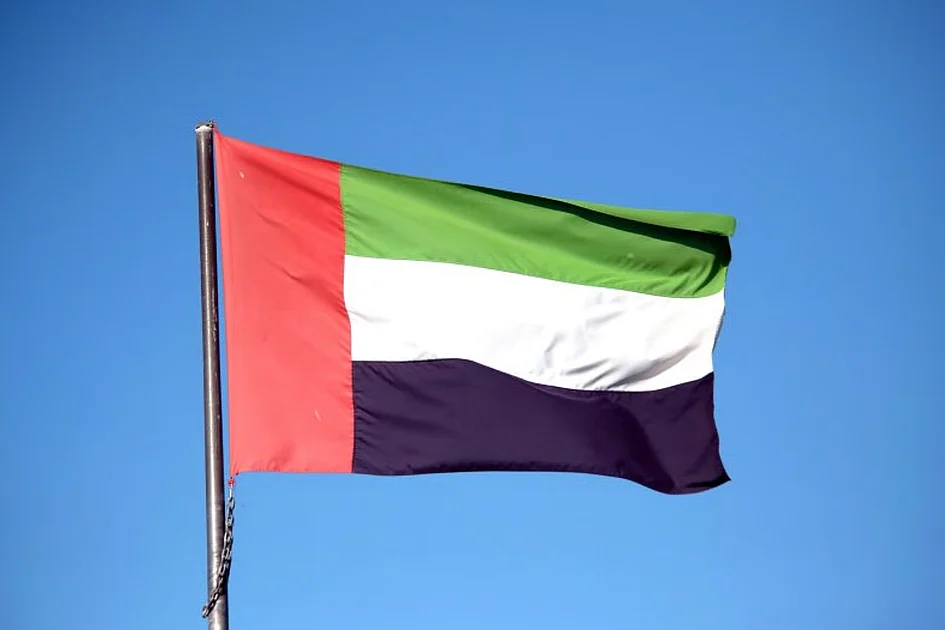
    In an official statement released by its Ministry of Foreign Affairs (MoFA), the UAE conveyed its heartfelt sympathies to the families of all victims, the Libyan government, and the nation’s citizens, characterizing the incident as a profound national tragedy.

    According to Turkish aviation authorities, the ill-fated Dassault Falcon 50 executive jet had departed from Ankara Esenboga Airport at 1717 GMT bound for Tripoli. Approximately sixteen minutes into the flight, at 1733 GMT, the aircraft reported a critical electrical system failure and urgently requested clearance for an emergency landing. Contact with the aircraft was lost shortly after this transmission.

    Burhanettin Duran, head of Turkey’s communications directorate, confirmed these technical details surrounding the accident. Turkish Interior Ministry officials subsequently reported that search and recovery teams successfully located the aircraft’s black box flight recorder early Wednesday morning, which may provide crucial evidence for determining the exact cause of the catastrophic failure. The crash represents a significant blow to Libya’s military leadership structure amid the country’s ongoing political stabilization efforts.

  • Al-Shabab extremists are greatest threat to peace in Somalia and the region, UN experts say

    Al-Shabab extremists are greatest threat to peace in Somalia and the region, UN experts say

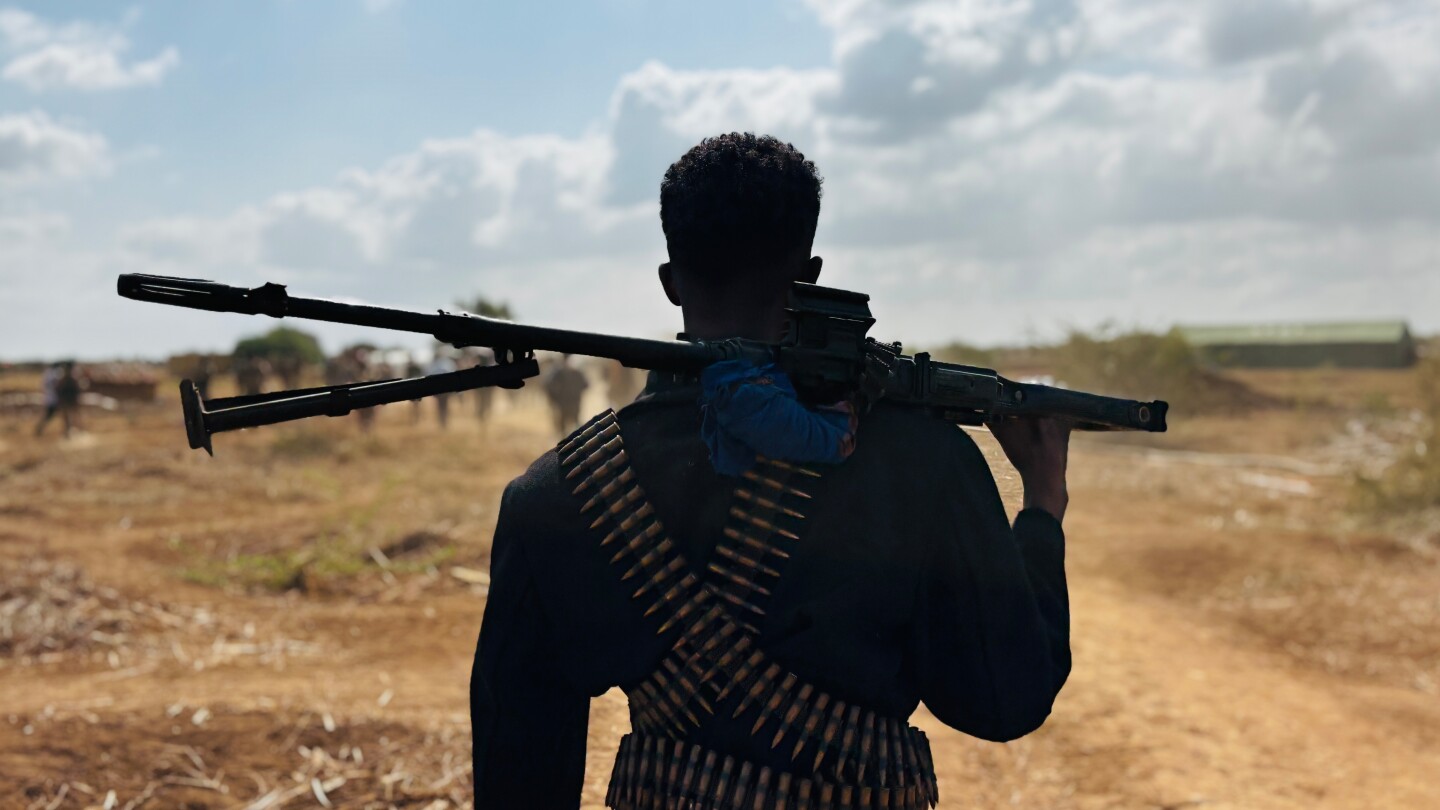
    United Nations security experts have issued a stark warning that the Al-Shabab extremist organization continues to represent the most severe immediate danger to regional stability in Somalia and neighboring nations, particularly Kenya. According to a comprehensive report released Wednesday by UN monitoring specialists, the Al-Qaeda-affiliated militant group persists in executing sophisticated asymmetric operations despite concerted counterterrorism efforts by Somali authorities and international forces.

    The expert assessment reveals that Al-Shabab’s threat profile extends beyond high-profile attack capabilities to include sophisticated extortion networks, systematic forced recruitment campaigns, and a highly effective propaganda apparatus. The group demonstrated its operational reach within the Somali capital on March 18 by attempting to assassinate the nation’s president in Mogadishu.

    In response to the persistent security challenges, the UN Security Council unanimously voted Tuesday to extend the African Union’s stabilization mandate in Somalia through December 31, 2026. The approved peacekeeping contingent will maintain 11,826 uniformed personnel, including 680 police officers.

    The report documents that Al-Shabab has conducted approximately six attacks monthly within Kenyan territory during 2024, primarily targeting border regions of Mandera and Lamu counties. These operations employ improvised explosive devices against security forces, infrastructure sabotage, kidnappings, residential raids, and livestock theft.

    UN analysts confirm that Al-Shabab’s strategic objectives remain unchanged: overthrow the Somali government, expel international forces, and establish a Greater Somalia under strict Islamic governance that would unite ethnic Somali populations across East Africa.

    Additionally, the monitoring panel investigated Islamic State operations in Somalia, reporting that ISIL-Somalia has recruited fighters globally with approximately 60% of its 1,000+ combatants originating from outside Somalia. Despite operating with significantly fewer resources than Al-Shabab, the Islamic State faction constitutes an emerging threat to regional security.

  • Eleven arrested over mass shooting in South Africa tavern

    Eleven arrested over mass shooting in South Africa tavern

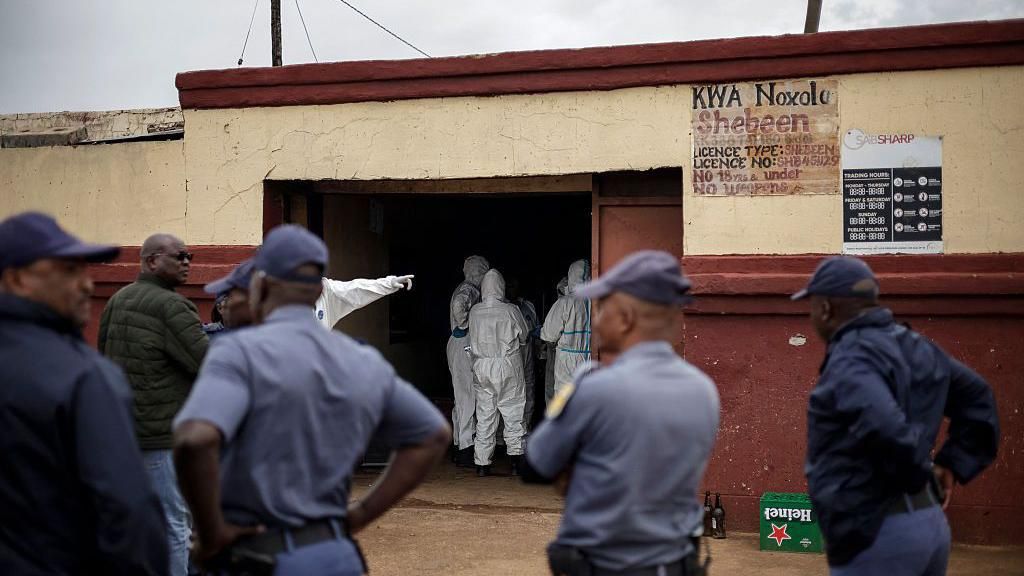
    South African authorities have made significant breakthroughs in the investigation of Sunday’s deadly tavern shooting that claimed nine lives in Bekkersdal, near Johannesburg. Police have apprehended eleven individuals connected to the massacre, revealing a complex international dimension to the case.

    Provincial deputy police commissioner Major General Fred Kekana confirmed that nine of those detained are nationals of Lesotho, while one suspect originates from Mozambique. An additional South African mineworker has also been taken into custody in relation to the attack.

    The shooting occurred around 01:00 local time when approximately twelve unidentified gunmen opened fire on patrons at the licensed drinking establishment. Preliminary investigations now indicate the violence may be connected to territorial disputes within illegal mining operations, contradicting initial assessments that the attack was unprovoked.

    During the assault, gunmen continued firing as victims attempted to flee, resulting in the deaths of two individuals inside the tavern and a taxi driver who had just dropped off a passenger nearby. The suspects were found in possession of several unlicensed firearms, including an AK-47 rifle.

    This incident highlights South Africa’s ongoing struggle with gun violence, where murders frequently stem from arguments, robberies, and gang conflicts. According to statistics cited by Gideon Joubert of the South African Gunowners’ Association, the country has approximately 3 million legally held firearms and at least an equivalent number of unlicensed weapons.

    While 2025 has seen a decline in reported mass shootings, researcher Claire Taylor from Gun Free South Africa notes a concerning increase in incidents where four or more people are killed or injured since 2020. Licensed taverns and informal drinking establishments known as shebeens remain common locations for such attacks.

    The Bekkersdal tragedy occurred merely two weeks after another mass shooting at Saulsville Hostel in Pretoria that left eleven people dead, including a three-year-old child, underscoring the persistent challenge of gun violence in South African communities.

  • Melodica Music Academy named Best Music & Dance Academy at MEA Markets Awards 2025

    Melodica Music Academy named Best Music & Dance Academy at MEA Markets Awards 2025

    Dubai’s Melodica Music & Dance Academy has achieved exceptional recognition within the UAE’s arts education sector by securing two distinguished accolades at the MEA Markets Business Awards 2025. The institution was bestowed with the titles of ‘Best Music & Dance Academy 2025’ and the ‘Customer Service Excellence Award 2025’, cementing its reputation for superior educational offerings and an unwavering commitment to student satisfaction.

    The MEA Markets Business Awards annually honor enterprises across the Middle East and Africa that exhibit remarkable performance, innovative approaches, and deeply customer-focused operational philosophies. Melodica’s dual victory underscores its sustained dedication to providing high-caliber instruction in both musical instruments and dance, all within an environment designed to be supportive and inclusive for students and parents.

    Founded with the mission to democratize access to professional arts education, Melodica caters to all age groups, from children to adults. The academy’s success is built upon a foundation of an internationally experienced faculty, a robust and structured global curriculum, and a significant emphasis on providing performance opportunities. This methodology actively cultivates creativity, builds confidence, and instills artistic discipline among its learners.

    Afshin, Chief Executive Officer of Melodica Music Academy, reflected on the achievement, stating, ‘These accolades represent a moment of immense pride for our entire team. To be acknowledged as the premier academy in our field, while also being recognized for customer service excellence, is a testament to the hard work of our faculty and the enduring trust from our students and their families. Our core objective remains the creation of an inspiring ecosystem where innate talent is carefully nurtured and every individual feels empowered on their creative path.’

    Transcending traditional classroom teaching, the academy plays an active role in enriching the UAE’s cultural tapestry. It facilitates numerous platforms for students to gain practical experience, including stage performances, participation in international certification examinations, and other real-world artistic engagements. This comprehensive educational strategy positions Melodica as a key contributor in shaping the future generation of artists and performers in the region.

    This latest recognition marks a significant milestone in the academy’s expansion narrative as it continues to elevate standards and broaden its impact throughout the UAE’s music and dance education landscape.