标签: Africa

非洲

  • UAE President arrives in Pakistan on official visit

    UAE President arrives in Pakistan on official visit

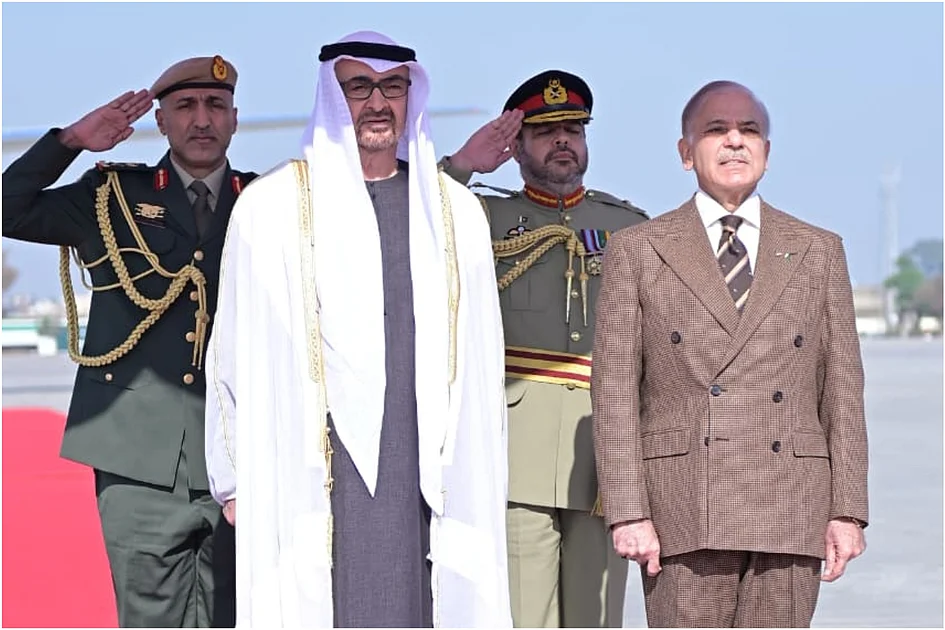
    In a significant diplomatic engagement, UAE President Sheikh Mohamed bin Zayed Al Nahyan commenced an official state visit to Pakistan on December 26, 2025, arriving at Islamabad’s Nur Khan Airbase where he was formally received by Pakistani Prime Minister Muhammad Shehbaz Sharif. The arrival ceremony demonstrated exceptional diplomatic protocol and military honors, highlighting the importance both nations place on their bilateral relationship.

    The presidential aircraft received a distinctive aerial escort by Pakistani military jets upon entering the country’s airspace, symbolizing respect and welcoming gestures. The ground reception featured a comprehensive ceremonial program including a 21-gun salute, synchronized performances by military and traditional bands, and an honor guard presentation. Children lining the reception route waved flags of both nations, adding a cultural dimension to the formal proceedings.

    President Al Nahyan’s delegation includes key advisers Sheikh Sultan bin Hamdan Al Nahyan and Sheikh Mohammed bin Hamad bin Tahnoun Al Nahyan, alongside UAE Ambassador to Pakistan Salem Mohammed Al Zaabi. The visit occurs amid growing economic and strategic partnerships between the Gulf nation and South Asian country, with discussions expected to focus on enhanced cooperation in trade, energy, and regional security matters.

    The timing of this high-level diplomatic engagement during the final week of 2025 signals both nations’ commitment to strengthening bilateral ties in the coming year. This visit represents continued diplomatic outreach following previous high-level exchanges between UAE and Pakistani leadership.

  • Israel recognises Somaliland as independent state, Netanyahu says

    Israel recognises Somaliland as independent state, Netanyahu says

    In a landmark diplomatic move that has sent shockwaves through the Horn of Africa and the Middle East, the State of Israel has formally extended full recognition to the breakaway region of Somaliland as an independent sovereign nation. This unprecedented decision, announced by Prime Minister Benjamin Netanyahu’s government, marks the first time any country has officially acknowledged Somaliland’s three-decade-long claim to statehood.

    The Israeli Foreign Ministry, through Minister Gideon Saar, confirmed plans for immediate establishment of comprehensive diplomatic relations, including mutual embassy openings and ambassador exchanges. Netanyahu’s administration outlined ambitious cooperation frameworks spanning agricultural technology, healthcare modernization, and digital infrastructure development.

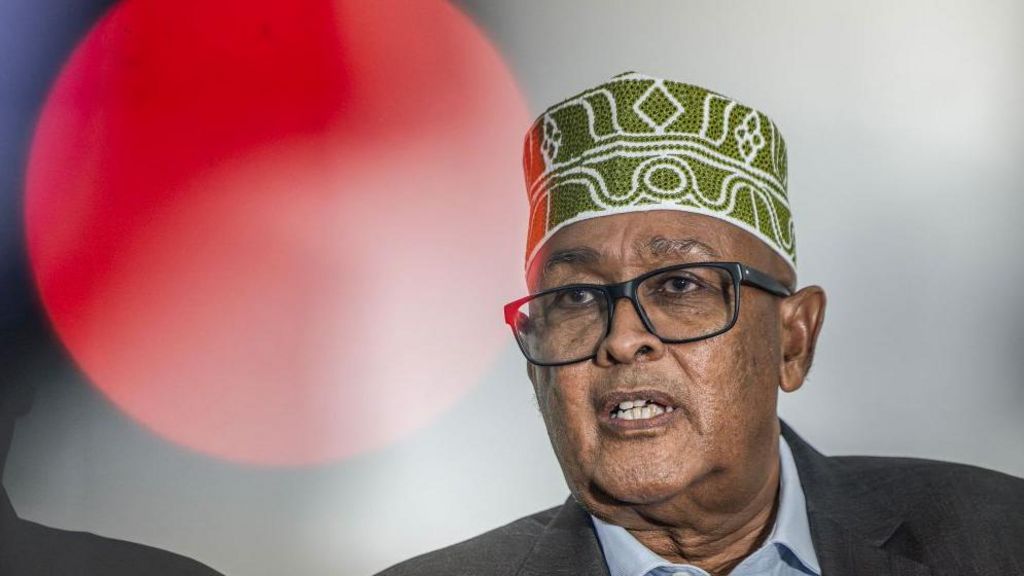
    Somaliland President Abdirahman Mohamed Abdullahi hailed the recognition as “a historic milestone,” announcing his government’s intention to join the Abraham Accords normalization framework. He emphasized this move would “advance regional peace and foster mutual prosperity across Middle Eastern and African nations.”

    The declaration has triggered vehement opposition from multiple capitals. Foreign ministers of Somalia, Egypt, Turkey and Djibouti issued a joint communiqué denouncing Israel’s move as a violation of international norms. They reaffirmed unwavering support for Somalia’s territorial integrity, warning that such recognition creates dangerous precedents under UN Charter principles.

    Egyptian diplomacy orchestrated emergency consultations among concerned states, with ministers warning against creating “parallel entities” that undermine Somali institutions. The statement notably connected the issue to Palestinian self-determination, reiterating rejection of population displacement strategies.

    Geopolitical analysts note Somaliland’s strategic value overlooking Gulf of Aden shipping lanes, with its functional governance institutions and stable administration contrasting with neighboring turmoil. The region has maintained de facto independence since 1991 after overthrowing Siad Barre’s dictatorship, developing distinct currency, passport system and security forces.

    This development occurs against complex regional tensions, including Ethiopia’s recent port access agreement with Somaliland that angered Somalia’s federal government. Israel’s outreach appears part of broader efforts to expand alliances in Africa and Muslim-majority nations through the Abraham Accords framework, though Gaza conflicts have complicated such diplomacy.

  • ‘Tu Meri Main Tera Main Tera Tu Meri’: Kartik Aaryan and Ananya Panday star in a witless film

    ‘Tu Meri Main Tera Main Tera Tu Meri’: Kartik Aaryan and Ananya Panday star in a witless film

    Dharma Productions’ latest romantic comedy ‘Tu Meri Main Tera Main Tera Tu Meri’ attempts to bridge generational gaps but ultimately collapses under the weight of its own contradictions. Starring Kartik Aaryan and Ananya Panday, the film presents itself as a modern reinterpretation of classic Bollywood romance tropes while desperately clinging to 90s nostalgia.

    The narrative follows Rehan (Aaryan), a charismatic American wedding planner, and Rumi (Panday), an aspiring novelist constrained by familial obligations in Agra. Their meet-cute occurs during a poorly explained Yacht Week celebration in Croatia, where scenic cinematography by Anil Mehta provides temporary visual relief from the film’s structural deficiencies.

    Director Sameer Vidwans and writer Karan Shrikant Sharma assemble familiar elements: the protective father (Jackie Shroff), the progressive mother (Neena Gupta), and the eternal conflict between romantic love and filial duty. The film explicitly references its aspirations through Rumi’s dialogue: ‘I’m searching for ’90s love in 2025’s hook-up culture.’

    Despite these ambitions, the execution falters dramatically. The editing appears disjointed, with irrelevant subplots involving an astrologer’s wife and Rumi’s sister’s ex-boyfriend adding clutter rather than depth. Performance styles clash noticeably—Aaryan relies on his established goofy charm while Panday struggles to embody her thinly-written character beyond sartorial elegance.

    The musical score combines original compositions by Vishal Shekhar with a nostalgia-bait medley of 90s hits including ‘Saat Samundar’ and ‘Mehendi Laga Ke Rakhna.’ These references feel less like homage and more like desperate attempts to evoke emotions the screenplay fails to generate organically.

    Ultimately, the film’s fundamental contradiction lies in its aesthetic: attempting to appear contemporary through Gen-Z slang and pop culture references while mechanically recycling plot devices from classics like ‘Dilwale Dulhania Le Jayenge,’ ‘Piku,’ and ‘2 States.’ The production design’s similarity to recent Dharma films further reinforces the sense of creative stagnation.

    For audiences seeking genuine romantic storytelling, this glittery but hollow patchwork offers little beyond temporary visual pleasure and nostalgic recognition—a disappointing outcome from an otherwise prestigious production house.

  • IIT Delhi – Abu Dhabi hosts AIMS 2025 to advance global dialogue on AI and sustainable technologies

    IIT Delhi – Abu Dhabi hosts AIMS 2025 to advance global dialogue on AI and sustainable technologies

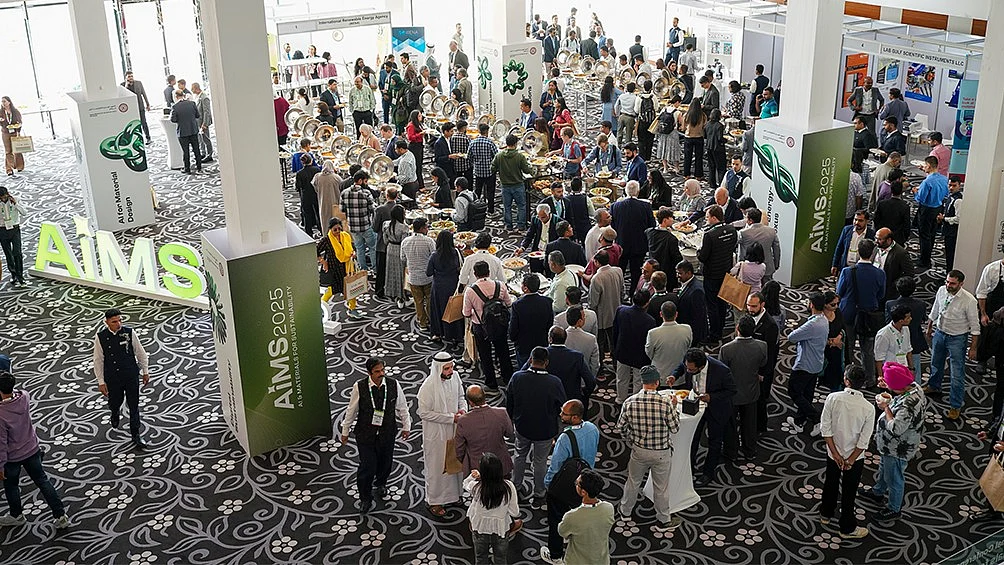
    Abu Dhabi has positioned itself at the forefront of sustainable technology innovation through the successful conclusion of the International Conference on AI and Materials for Sustainability (AIMS 2025). Hosted by IIT Delhi – Abu Dhabi from December 15-17, 2025, the event assembled over 400 delegates and 100 speakers from 20+ countries, marking a significant milestone in the UAE’s research ecosystem.

    The conference, strategically aligned with the UAE National AI Strategy 2031 and Net Zero 2050 objectives, facilitated deep technical exchanges across 24 sessions, 4 specialized workshops, and 200+ research presentations. Core themes included AI-driven materials discovery, data-driven energy modeling, carbon capture technologies, circular economy strategies, and experimental science applications.

    Professor Mohammad Ali Haider, Vice Provost for Research at IITD-AD, framed the discussions within historical context, noting how ancient mathematical innovations from Āryabhaṭa and algorithmic foundations from Al-Khwārizmi connect to contemporary sustainability challenges. This philosophical approach was complemented by practical demonstrations of Abu Dhabi’s leadership, including nearby Masdar City’s urban innovations and the Al Reyadah carbon capture facility.

    The event featured collaborative participation from Khalifa University, NYU Abu Dhabi, MBZUAI, and IRENA, highlighting the emirate’s growing research network. Particular emphasis was placed on nurturing early-career researchers through direct mentorship opportunities and workshops on data-driven design, AI workflows, and lab-to-industry pathways.

    AIMS 2025 represented the culmination of IITD-AD’s year-long engagement initiative, following earlier events on quantum technology, carbon capture, and AI security. Immediately subsequent to the conference, a new workshop on photonics and genomics launched Indo-Norwegian healthcare collaborations, further extending Abu Dhabi’s interdisciplinary influence.

    Executive Director Professor Shantanu Roy declared the conference a defining moment for both IITD-AD’s institutional development and Abu Dhabi’s emergence as a regional hub for scientific collaboration and sustainable innovation.

  • Luxury meets supremacy: The white HUAWEI Mate XT rules the tri-fold era

    Luxury meets supremacy: The white HUAWEI Mate XT rules the tri-fold era

    In a landmark development for mobile technology, HUAWEI has expanded its revolutionary Mate XT series with the introduction of an exclusive White color variant. This strategic move enhances the aesthetic appeal of what is already recognized as the world’s first commercially available tri-fold smartphone, establishing new standards in both engineering excellence and luxury design.

    The device represents a convergence of cutting-edge innovation and sophisticated craftsmanship. Measuring a mere 3.6mm in its fully unfolded triple-screen configuration, the Mate XT maintains its position as the slimmest tri-fold smartphone globally. Its design philosophy embodies the Huawei ULTIMATE DESIGN ethos, featuring the distinctive Star Diamond camera module enhanced with Sinusoidal Cutting technology for sharper contours and a three-dimensional presence.

    Each camera module undergoes an extensive 22-day manufacturing process involving 78 precision techniques, ensuring every device possesses unique Eonic Curves. The rear surface is clad in premium 0.47mm aerospace-grade fiber leather, combining lightweight properties with exceptional durability. The new White edition introduces a minimalist, futuristic aesthetic that complements the device’s status as a technological luxury item.

    Display technology represents another area of significant advancement. The centerpiece is the 10.2-inch HUAWEI X-True Display, the largest screen ever integrated into a smartphone. This 3K resolution panel delivers exceptional color accuracy, deep contrast, and adaptive 120Hz LTPO refresh rate, supported by 1800 nits peak brightness. The tri-fold architecture enables three distinct usage modalities: a 6.4-inch single screen for conventional smartphone functions, a 7.9-inch dual-screen arrangement for enhanced productivity, and the full 10.2-inch triple-screen configuration for immersive tablet-like experiences.

    Photographic capabilities have received equal engineering attention. The Mate XT incorporates the industry’s first 10-size Adjustable Physical Aperture system in a foldable device, ranging from f/1.4 to f/4.0. This sophisticated mechanism employs a ring-shaped magnetic motor with a 6-blade, 18-sided structure, providing unprecedented control over depth, light, and motion capture. The system is complemented by a 5.5x periscope telephoto lens, ultra-wide camera, and Ultra Speed Snapshot functionality, collectively transforming the device into a professional-grade imaging tool.

    The Advanced Precision Hinge System represents a marvel of mechanical engineering. Constructed from 1900MPa ultra-high-strength steel components, this mechanism reduces overall thickness by 23% while maintaining structural integrity and smooth operation. Despite the slim profile, the device incorporates a 5600mAh silicon-anode battery measuring just 1.9mm thick, supporting 66W wired SuperCharge, 50W wireless charging, and 7.5W wireless reverse charging capabilities.

    With the introduction of the White variant, HUAWEI has not only expanded the Mate XT’s technological repertoire but also its stylistic identity, solidifying its position as the definitive benchmark in foldable innovation and luxury mobile design.

  • 4 UAE residents who helped accident victims honoured for saving lives

    4 UAE residents who helped accident victims honoured for saving lives

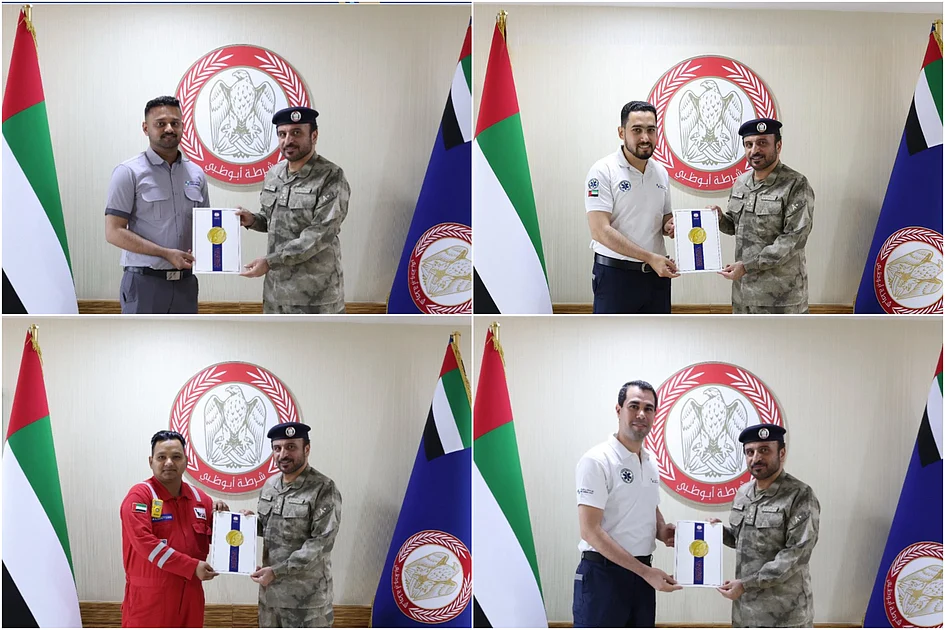
    In a ceremony recognizing exceptional civic responsibility, Abu Dhabi Police have formally honored four residents for their courageous intervention at a traffic accident scene. The individuals demonstrated remarkable composure and humanitarian spirit by providing critical first aid to multiple injured victims following a collision.

    The recognition was announced through Abu Dhabi Police’s official social media channels, highlighting the residents’ swift response and effective emergency care that significantly contributed to preserving lives and minimizing the accident’s severity. Brigadier Mohammed Dahy Al-Humairi, Director of the Central Operations Sector at Abu Dhabi Police, personally commended the honorees for their exemplary cooperation, profound sense of responsibility, and humanitarian courage.

    Brigadier Al-Humairi emphasized that such acts of bravery reflect deepening community awareness and social solidarity, which substantially enhance public safety systems. The initiative aligns with Abu Dhabi Police’s ongoing commitment to encourage and celebrate community members who proactively assist others during critical emergencies. These values of compassion and altruism represent fundamental principles that the police force continuously promotes throughout the emirate.

    The recognition ceremony underscores how civilian intervention during the crucial golden hour following accidents can dramatically improve outcomes for trauma victims. Abu Dhabi Police reaffirmed their dedication to fostering a culture of mutual assistance and community responsiveness, where citizens and residents alike actively participate in safeguarding public welfare.

  • Nigerian villagers are rattled by US airstrikes that made their homes shake and the sky glow red

    Nigerian villagers are rattled by US airstrikes that made their homes shake and the sky glow red

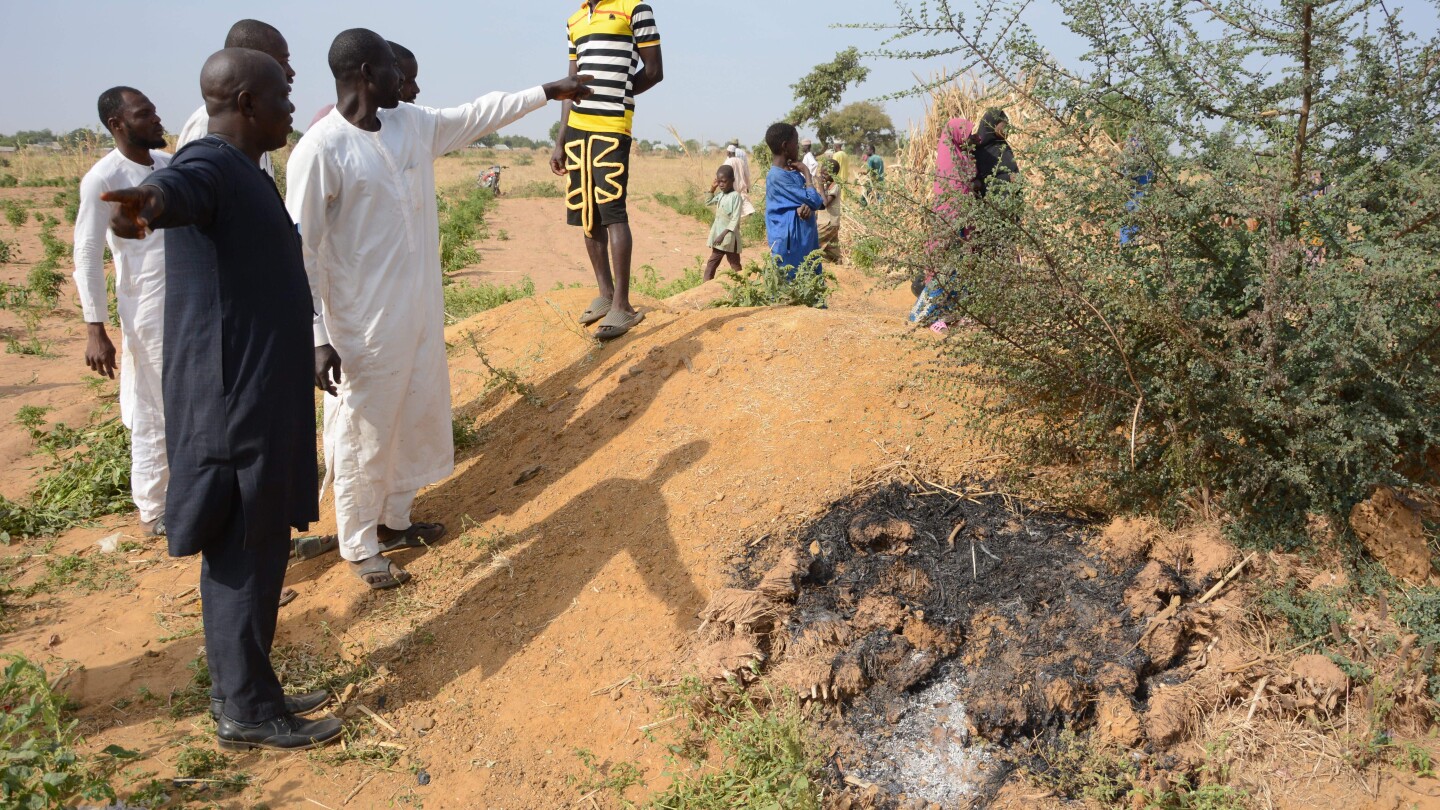
    A nocturnal military operation in northwestern Nigeria has left residents of the remote village of Jabo in a state of fear and bewilderment. What began as an ordinary Thursday night transformed into a scene of terror when villagers witnessed what they initially perceived as a catastrophic plane crash, only to learn they had become unintended witnesses to a multinational counterterrorism strike.

    Sanusi Madabo, a 40-year-old local farmer, described being startled by a deafening explosion while preparing for bed. “The sky turned bright red, creating an artificial daylight that persisted for hours,” he recounted. The source of this disruption was subsequently revealed to be a coordinated military action between the United States and Nigerian governments targeting an alleged Islamic State stronghold.

    President Donald Trump characterized the operation as a “powerful and deadly strike” against “ISIS Terrorist Scum,” while Nigeria’s Foreign Ministry confirmed the joint nature of the mission. This collaboration marks a significant development in bilateral relations, which had recently been strained by American allegations of Christian genocide in Nigeria—claims firmly rejected by the Nigerian government.

    Security analysts identify the likely target as the Lakurawa group, a relatively new insurgent organization composed primarily of foreign fighters from Africa’s Sahel region. Though its connection to Islamic State remains unverified, the group has established operational presence in Nigeria’s northwestern region since approximately 2018.

    The immediate aftermath has generated profound anxiety among villagers who report no prior experience with terrorism despite regional instability. Abubakar Sani, residing near the impact site, described intense heat and structural shaking followed by outbreaks of fire. Local traditional leader Aliyu Garba expressed concern about villagers scavenging potentially dangerous debris from the strike site.

    The human impact extends beyond immediate security concerns. Balira Sa’idu, a 17-year-old bride-to-be, revealed how the attack has disrupted wedding preparations: “My family is afraid, and I don’t even know if it’s safe to continue with our plans in Jabo.”

    Security analyst Bulama Burkati emphasized the critical need for transparency: “The opacity surrounding operational details and casualties exacerbates civilian panic. Clear communication about targets and outcomes is essential for de-escalating tension.” Nigerian Foreign Minister Yusuf Tuggar characterized the operation as a “new phase of an old conflict,” indicating potential future actions while acknowledging the longstanding nature of violence affecting both Christian and Muslim communities across Nigeria.

  • Off-Plan confidence returns: Why Dubai is the choice for 2025 and beyond

    Off-Plan confidence returns: Why Dubai is the choice for 2025 and beyond

    Dubai’s property market has undergone a profound transformation in 2025, with off-plan developments emerging as the structural foundation of growth rather than speculative gambles. This paradigm shift is driven by three powerful forces: global talent migration, lifestyle-driven demand, and robust regulatory frameworks that have restored investor confidence to unprecedented levels.

    The first quarter of 2025 witnessed off-plan sales capturing 58.9% of all residential transactions, demonstrating their market dominance. This surge is fueled by flexible payment plans, modern amenities, and carefully designed communities that prioritize lifestyle, wellness, and opportunity. The market has evolved from its previous association with project delays and speculation into a model of reliability and trust.

    Critical to this transformation has been Dubai’s regulatory framework, particularly Law No. 8 of 2007, which mandates escrow accounts for all off-plan projects, providing essential buyer protection. Developers have responded by delivering projects ahead of schedule, while financial institutions have democratized access through mortgages available to individuals earning as little as Dh8,000 monthly.

    The buyer profile has fundamentally changed, dominated by end-users and long-term investors from both local and international markets. Millennials and Gen Z drive demand, attracted by post-handover payment structures such as 40/60 plans and 1% monthly schemes. These buyers seek affordability, lifestyle, and returns, with off-plan projects delivering 8-10% net ROI and approximately 20% capital appreciation by handover.

    International investment flows are led by buyers from Saudi Arabia, the UK, India, and China, drawn not just by individual units but by Dubai’s evolution into integrated, walkable communities. The city’s transformation under visionary leadership emphasizes 15-minute neighborhoods where residents can access work, dining, shopping, and essential services without car dependency.

    Beyond physical infrastructure, developers are embedding sustainability, wellness, and smart living into projects. The UAE smart home market, projected to grow at 27.5% CAGR between 2025-2030, incorporates automation, energy efficiency, and wellness-centric amenities. Dubai’s Green Building Regulations are pushing developers toward Net Zero-ready communities, ensuring resilience is designed into off-plan living.

    The UAE Golden Visa program has further accelerated demand by allowing property buyers to qualify before completing full payment, including properties under mortgage. This policy has transformed property purchases from mere financial assets into tickets for long-term residency in one of the world’s most dynamic cities.

    Dubai has established a global benchmark for livability and investment, with the future focused on translating growth into long-term resilience, inclusivity, and environmental sustainability. With consistent capital appreciation, strong ROI, global talent influx, and structural incentives, off-plan real estate is fundamentally redefining Dubai’s trajectory as the world’s preeminent lifestyle and investment destination, proving that ambition and livability are complementary pillars of an enduring metropolis.

  • Plan’s focus on tech reliance to aid Africa

    Plan’s focus on tech reliance to aid Africa

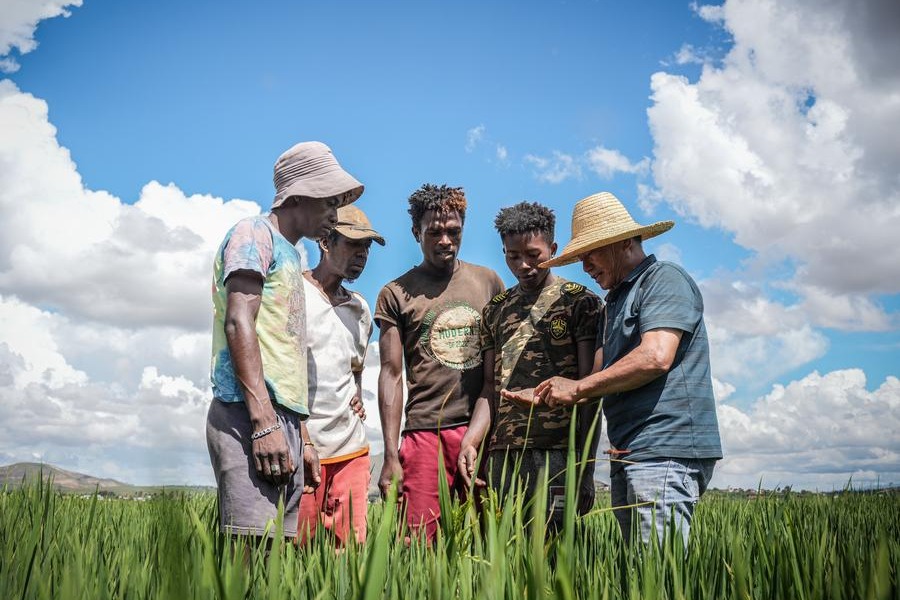
    As China advances toward implementing its 15th Five-Year Plan (2026-2030), African analysts anticipate significant opportunities emerging from China’s governance model and technological development strategies. The plan, adopted by the 20th CPC Central Committee in October, emphasizes enhanced governance mechanisms and strengthened technological self-reliance—priorities that resonate across African nations seeking development partnerships.

    Benedict Wachira, Secretary-General of the Communist Party of Kenya, highlighted the efficiency of China’s long-term planning framework, noting that “CPC leadership enables more effective decision-making, faster project approvals and broader access to technological, agricultural and infrastructure support.” This governance approach benefits African countries dependent on Chinese financing and technological expertise, facilitating quicker implementation of development initiatives.

    Emmanuel Matambo, Senior Researcher at the University of Johannesburg’s Centre for Africa-China Studies, emphasized China’s unique combination of domestic prioritization with multilateral engagement. “Even if China prioritizes its domestic interests—which is expected of any country—it still commits itself to multilateralism,” Matambo observed, contrasting this approach with Western inward-looking trends.

    African nations are already witnessing practical benefits from China’s technological advancement. South Africa’s adoption of Huawei technologies demonstrates growing confidence in Chinese innovation despite external pressures. China’s push for technological self-reliance and renewable energy leadership creates opportunities for skills transfer, industrial development, and indigenous technology ecosystem growth across Africa.

    Matambo urged African policymakers to learn from China’s competitive advantages, particularly in strategic resource utilization and workforce development. Critical opportunities exist in artificial intelligence, digital infrastructure, and renewable energy—sectors where Africa can leverage its vast population and mineral wealth through coordinated continental approaches using platforms like the African Continental Free Trade Area.

    Both experts concur that while Africa cannot replicate China’s governance model entirely, valuable lessons exist in long-term strategic planning, technological sovereignty, and multilateral engagement. By investing in skills development, particularly in STEM fields through increased educational exchanges with China, and strategically leveraging resources, Africa can transform Sino-African cooperation into sustainable development outcomes.

  • US launches deadly strikes against Islamic State in Nigeria, says Trump

    US launches deadly strikes against Islamic State in Nigeria, says Trump

    In a significant international security development, the United States has conducted coordinated military strikes against Islamic State (IS) positions in northwestern Nigeria’s Sokoto state. President Donald Trump announced the operation via Truth Social, characterizing it as a ‘powerful and deadly strike’ against what he termed ‘terrorist scum’ allegedly targeting Christian communities.

    The operation represents the culmination of strategic preparations initiated in November when President Trump directed military planning for counterterrorism actions in Nigeria. The U.S. Africa Command (Africom) confirmed the strikes were executed in coordination with Nigerian authorities, with Defense Secretary Pete Hegseth expressing gratitude for ‘Nigerian government support & cooperation’ in a social media post that concluded with ‘Merry Christmas!’

    Nigerian Foreign Minister Yusuf Maitama Tuggar provided crucial context to the BBC, clarifying this was a ‘joint operation’ targeting ‘terrorists’ without religious specificity. He emphasized the action ‘has nothing to do with a particular religion’ and indicated potential future operations would depend on ‘decisions to be taken by the leadership of the two countries.’

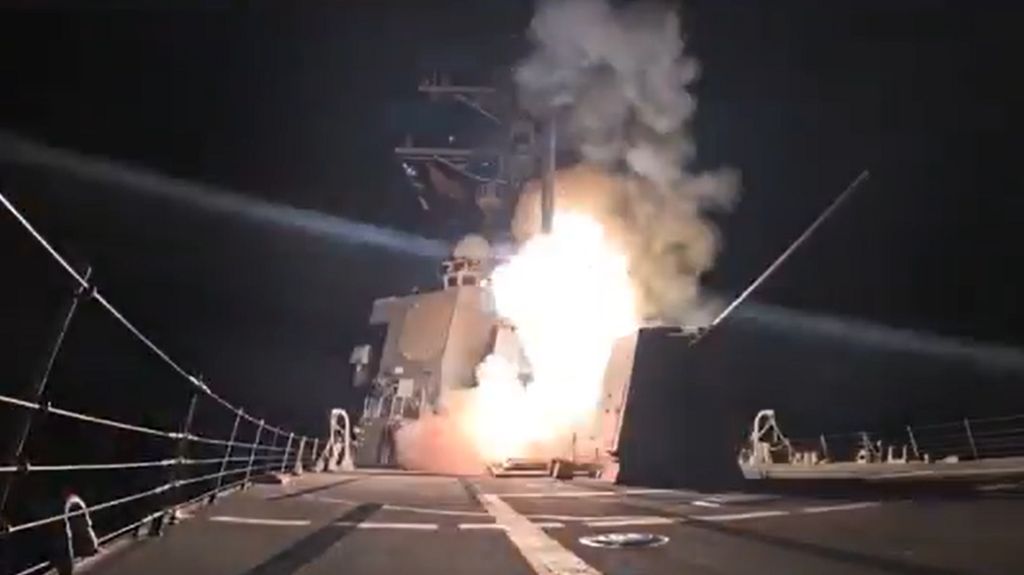
    The U.S. Department of Defense subsequently released an unclassified video showing a missile launch from a military vessel, providing visual documentation of the operation. Nigeria’s foreign ministry issued an official statement acknowledging ‘structured security co-operation with international partners’ that resulted in ‘precision hits on terrorist targets in Nigeria by air strikes in the North West.’

    This military action follows Trump’s controversial designation of Nigeria as a ‘Country of Particular Concern’ based on alleged threats to Christian populations, though monitoring groups including Acled report no evidence supporting claims of disproportionate targeting of Christians. Research indicates most victims of jihadist violence in Nigeria’s prolonged conflict have actually been Muslims.

    President Bola Tinubu’s administration has maintained that security challenges affect all Nigerians ‘across faiths and regions,’ with adviser Daniel Bwala stressing Nigeria’s sovereignty while welcoming international cooperation against insurgent groups that have killed people ‘from all faiths, or none.’

    The Nigeria operation coincides with recent U.S. military actions against IS in Syria, where Central Command reported ‘massive strikes’ involving fighter jets, attack helicopters, and artillery against more than 70 targets in central Syria with Jordanian participation.