标签: Africa

非洲

  • Somalia, African nations condemn Israel’s recognition of Somaliland

    Somalia, African nations condemn Israel’s recognition of Somaliland

    A significant diplomatic rupture has emerged following Israel’s groundbreaking decision to formally recognize the breakaway territory of Somaliland as an independent sovereign state. The announcement, made on December 26th, has triggered vehement condemnation across Africa and from key regional players, escalating tensions in the Horn of Africa.

    Somalia’s government denounced the recognition as a ‘deliberate attack’ on its territorial integrity, asserting that Somaliland remains an inseparable part of its national territory. The African Union echoed this position, with Commissioner Mahamoud Ali Youssouf warning that Israel’s move risks ‘setting a dangerous precedent with far-reaching implications for continental peace and stability.’

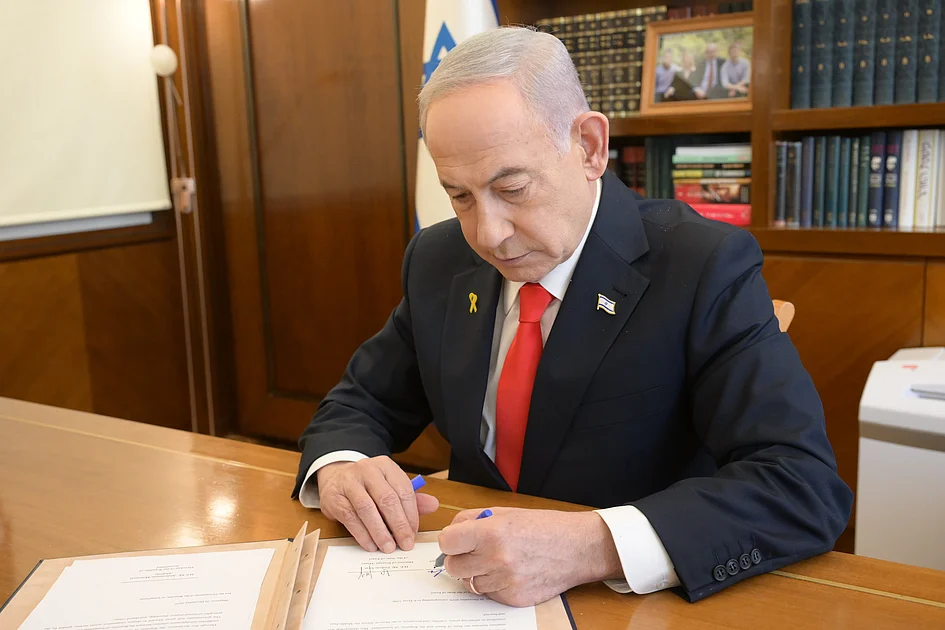
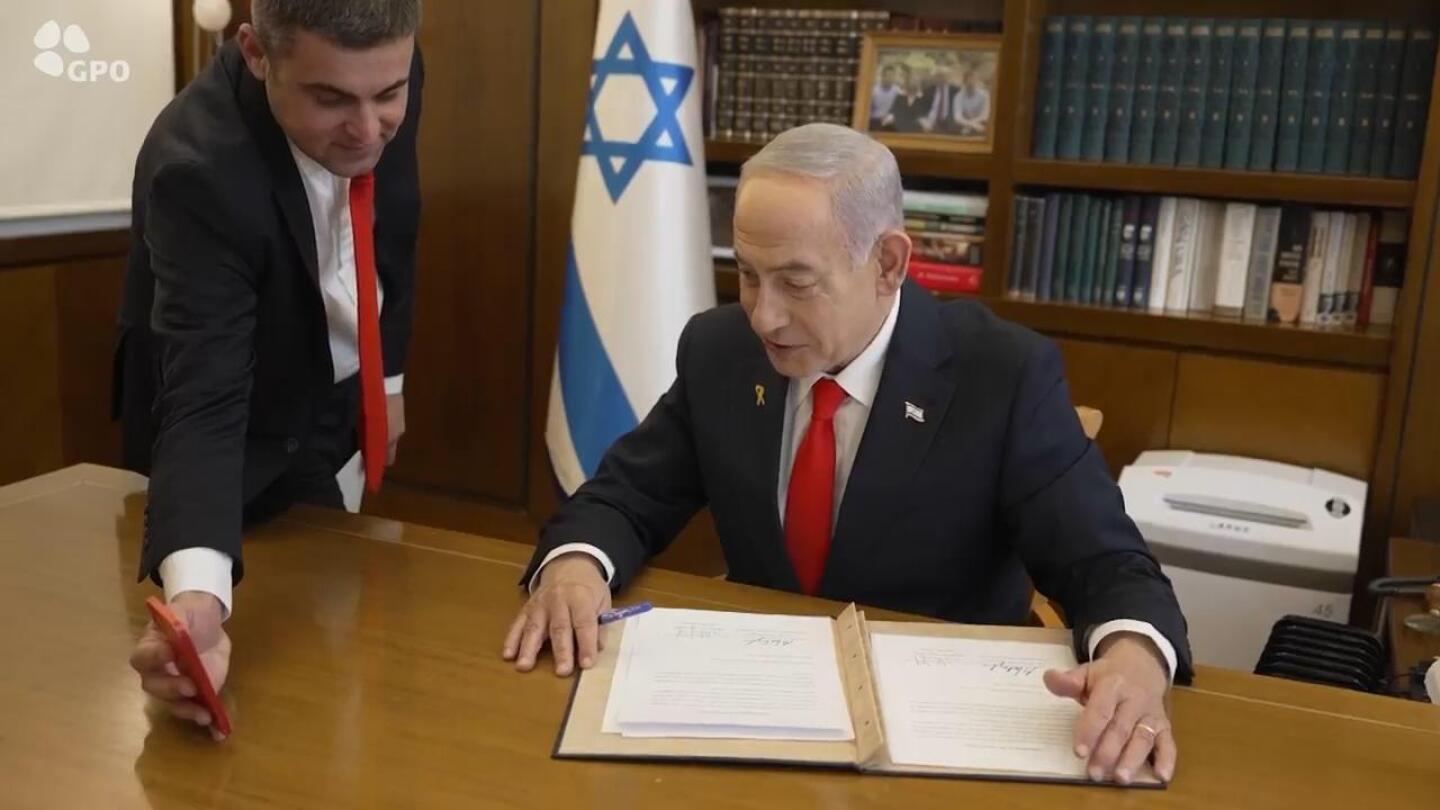
    Israeli Prime Minister Benjamin Netanyahu framed the decision as extending the spirit of the Abraham Accords, the normalization agreements brokered by the Trump administration between Israel and several Arab nations. Netanyahu personally invited Somaliland President Abdirahman Mohamed Abdullahi to visit Israel, highlighting potential economic partnerships. President Abdullahi hailed the development as a ‘historic moment’ and the beginning of a strategic partnership, sentiments celebrated by crowds in Somaliland’s capital Hargeisa.

    The Palestinian Authority issued a sharp rebuke, alleging Israel had previously identified Somaliland as a potential relocation site for Palestinians from Gaza—a claim that adds another layer of controversy to the recognition. Regional powers including Turkey, Egypt, and Djibouti joined in condemning what they characterized as ‘overt interference’ in Somalia’s internal affairs, reaffirming their support for Somali unity.

    Strategic analysts suggest Israel’s move may be motivated by Red Sea security interests, particularly concerning countering Houthi influence from Yemen. Somaliland’s strategic location on the Gulf of Aden offers potential naval advantages. The recognition represents Israel’s continued efforts to expand diplomatic ties in Africa and the Middle East, though recent conflicts have complicated normalization efforts with several Arab states.

  • African regional bodies reject recognition of Somaliland by Israel

    African regional bodies reject recognition of Somaliland by Israel

    NAIROBI, Kenya — Continental governance institutions have issued forceful condemnations of Israel’s unprecedented recognition of Somaliland as an independent state, marking the first such international acknowledgment since the region declared autonomy from Somalia in 1991. The African Union Commission Chairperson Mahmoud Ali Youssouf declared Saturday that any recognition of Somaliland’s sovereignty constitutes a direct threat to continental peace and stability, reaffirming that the territory remains constitutionally part of Somalia.

    The diplomatic controversy emerged Friday when Israeli Prime Minister Benjamin Netanyahu’s office announced a joint declaration with Somaliland President Abdirahman Mohamed Abdullahi, framed within the context of the Abraham Accords normalization initiative. This move triggered immediate backlash from multiple African regional bodies and neighboring nations.

    Somalia’s federal government categorically rejected what it termed an ‘unlawful violation’ of its territorial integrity. The Intergovernmental Authority on Development (IGAD), East Africa’s primary political bloc, issued a statement emphasizing that unilateral recognition contravenes multiple international statutes including the UN Charter and African Union Constitutive Act.

    Egypt’s Foreign Ministry, currently mediating Israel-Hamas negotiations, joined the condemnation through social media channels, expressing full solidarity with Somalia’s sovereignty. The recognition timing remains diplomatically puzzling, though previous reports indicated Israeli officials had explored with Somaliland the potential resettlement of Palestinians from Gaza—a proposal since abandoned by the U.S. administration.

  • The best players who never won Afcon?

    The best players who never won Afcon?

    As the 2025 Africa Cup of Nations captivates audiences in Morocco, a poignant narrative emerges—the tale of African football’s most celebrated talents who, despite legendary careers, never clinched the continent’s most coveted prize. BBC Sport Africa’s Ian Williams delves into the stories of five iconic players whose trophy cabinets remain incomplete without the Afcon title. The Africa Cup of Nations, a tournament brimming with passion and national pride, has historically eluded even some of the sport’s most extraordinary African athletes. These players, revered for their skill, dedication, and contributions to football, experienced the heartbreak of falling short on the continental stage. Their careers, otherwise decorated with club honors and individual accolades, are marked by this singular absence. Williams’ profile serves as both a tribute to their greatness and a reminder of football’s cruel unpredictability. The piece explores how factors ranging from formidable opponents to sheer misfortune prevented these stars from achieving international glory. As a new generation competes for the 2025 title, their stories underscore the immense difficulty of securing African football’s ultimate triumph and highlight how even brilliance offers no guarantee of tournament success.

  • Porcelains shine light on China-Kenya links

    Porcelains shine light on China-Kenya links

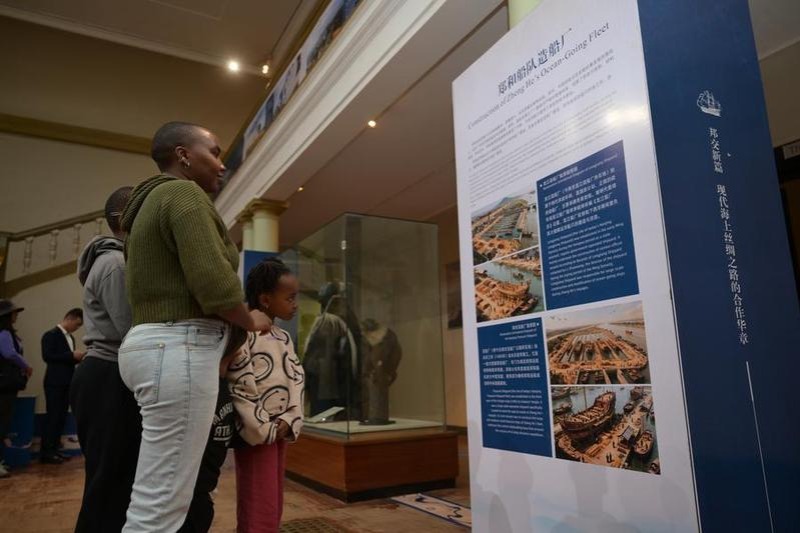
    On the historic island of Lamu, Kenya, where monsoon winds once guided merchant vessels to East African shores, archaeological evidence continues to illuminate a centuries-old narrative of transoceanic exchange. The Lamu Museum houses an extensive collection of Chinese porcelain artifacts—from Tang dynasty celadon to Ming dynasty blue-and-white ceramics—that testify to a trading relationship spanning over a thousand years.

    Curator Mohammed Mwenje explains that these porcelain fragments, primarily excavated from ancient Swahili settlements including Shanga, Manda, and Gedi, represent more than mere commercial transactions. “In the 17th through 19th centuries, owning Chinese porcelain symbolized status and prestige,” Mwenje notes. “Families utilized these artifacts for home decoration, tomb ornamentation, and impressing distinguished visitors.”

    The collection gains particular historical significance from its association with Admiral Zheng He’s legendary 15th-century voyages during the Ming Dynasty. The Chinese navigator’s fleet reached the East African coast approximately 620 years ago, leaving material evidence that challenges conventional timelines of Sino-African engagement.

    Beyond museum walls, local residents like Mansur Ile have become inadvertent custodians of this shared heritage. For fifteen years, Ile has meticulously gathered porcelain shards from abandoned homesteads and coastal areas, creating a personal archive that documents the region’s commercial past. Similarly, the Shee family in Siyu village preserves porcelain fragments handed down through generations, maintaining oral traditions that trace their ancestry to Chinese sailors.

    Archaeological potential remains largely untapped across Lamu’s ancient sites. Fishermen regularly recover ceramic jars from nearby waters, suggesting the possible existence of a significant shipwreck from China’s maritime era. Previous Sino-Kenyan archaeological collaborations attempted to locate such wreckage but were hampered by inadequate equipment and challenging oceanic conditions.

    Academic researchers like Rachel Maina from the University of Wisconsin-Madison are now exploring the sociocultural dimensions of these connections, examining how contemporary communities perceive their historical ties to China. Maina’s work seeks to complement archaeological findings with narratives from local perspectives.

    Despite imperial China’s withdrawal from large-scale maritime activities following the Ming voyages, the 20th century witnessed renewed diplomatic and cultural connections between China and Kenya after the latter’s independence in 1963. The porcelain collection in Lamu—currently mostly in storage—awaits comprehensive scholarly investigation and public exhibition to fully articulate its historical significance.

  • One general, one mathematician: The men competing for power in two African elections

    One general, one mathematician: The men competing for power in two African elections

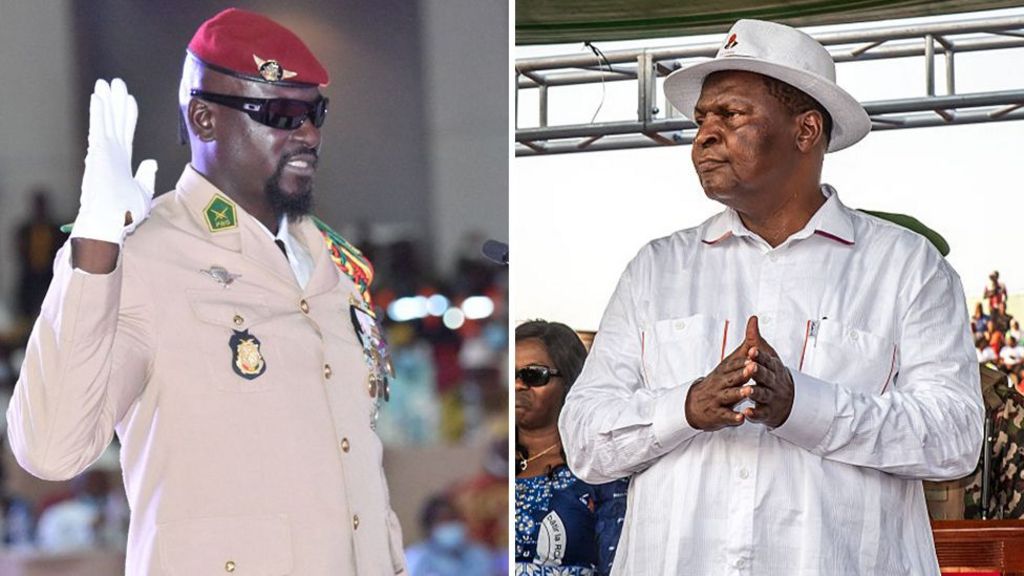
    This Sunday marks a pivotal moment for two African nations as Guinea and the Central African Republic (CAR) conduct presidential elections under dramatically different political circumstances, yet with striking parallels in their incumbents’ pursuit of extended power.

    In the Central African Republic, President Faustin-Archange Touadéra seeks a controversial third term following constitutional amendments that eliminated term limits. The mathematician-turned-politician, initially elected as a consensus figure following periods of rebel rule, now faces opposition boycotts despite the unexpected participation of his main rival, Anicet-Georges Dologuélé. The landlocked nation, among Africa’s poorest, has endured decades of instability but maintains fragile multi-party politics with recent progress in rebel disarmament and a hybrid national-international court addressing human rights crimes.

    Meanwhile, Guinea presents a contrasting narrative of military transition. General Mamadi Doumbouya, who seized power in a 2021 coup that ousted 83-year-old President Alpha Condé, now seeks constitutional legitimacy through elections. Despite allowing eight challengers, Doumbouya has dominated the campaign while excluding prominent opposition leader Cellou Dalein Diallo. His methodical constitutional review and maintained Western relations distinguish him from neighboring juntas that have embraced Russian partnerships.

    The elections carry significant implications for regional stability. The Economic Community of West African States (ECOWAS) views Guinea’s electoral process with relief following the withdrawal of Mali, Burkina Faso, and Niger from the bloc. Both nations’ transitions—despite concerns about democratic backsliding and human rights records—represent cautious steps toward normalization in a region battered by coups and jihadist insurgencies. International partners appear inclined to support these imperfect processes rather than risk further destabilization, particularly with Sudan’s conflict looming near CAR’s border and security challenges persisting across the Sahel.

  • Dubai Metro to run non-stop for 43 hours as RTA announces New Year’s Eve road closures

    Dubai Metro to run non-stop for 43 hours as RTA announces New Year’s Eve road closures

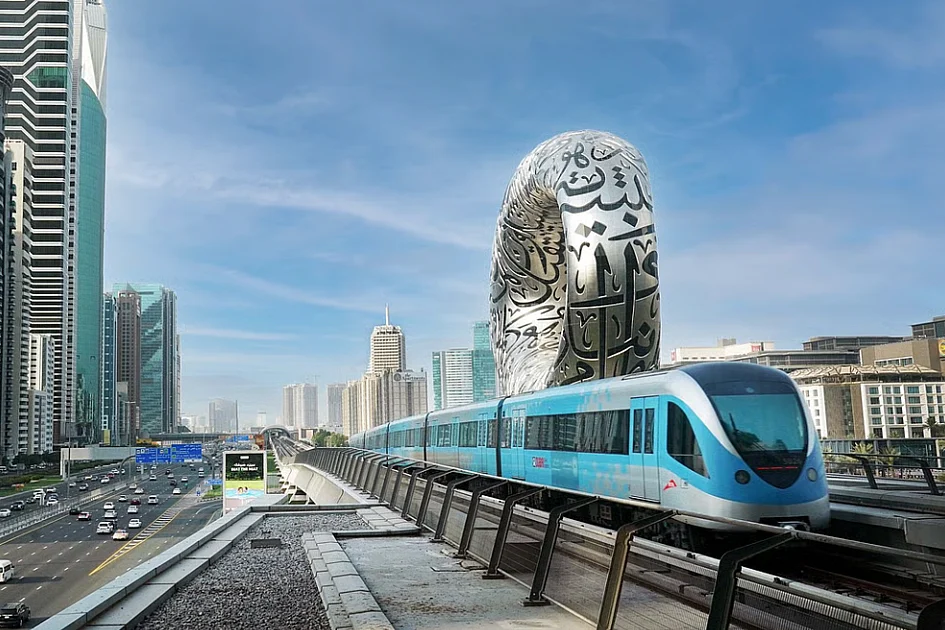
    Dubai’s transportation infrastructure is undergoing massive enhancements to accommodate the anticipated millions of revelers during New Year’s Eve 2025-2026 celebrations. The Roads and Transport Authority (RTA) has unveiled an unprecedented operational plan featuring continuous 43-hour metro services alongside extensive road closure measures.

    The Dubai Metro’s Red and Green Lines will maintain non-stop operations from 5:00 AM on December 31, 2025, through 11:59 PM on January 1, 2026. Complementing this extended service, the Dubai Tram will operate continuously from 6:00 AM on December 31 until 1:00 AM on January 2, 2026, creating a comprehensive public transportation network throughout the celebration period.

    Strategic road closures will be implemented through a phased approach, commencing at 4:00 PM on New Year’s Eve and progressively expanding until 11:00 PM. The comprehensive closure strategy affects key arteries including Al Asayel Street, Mohammed bin Rashid Boulevard, Burj Khalifa Street, Financial Centre Roads, Al Mustaqbal Street, Al Sukook Street, and sections of Sheikh Zayed Road.

    Hussain Al Banna, CEO of RTA’s Traffic and Roads Agency, emphasized the authority’s comprehensive preparedness through coordination with the Events Security Committee and strategic partners. Advanced technological systems including centralized traffic signal control and smart variable message signs will provide real-time updates on road conditions and alternative routes throughout the celebration areas.

    The Unified Control Center will host joint operational teams from RTA, Dubai Police, Civil Defence, and Dubai Ambulance Services, utilizing sophisticated technologies like the iTraffic system and big data analytics to monitor conditions and predict traffic volumes for informed decision-making.

    Enhanced parking infrastructure includes approximately 20,000 spaces in the Burj Khalifa area supplemented by an additional 8,000 spaces at metro stations. Overflow parking facilities at Al Wasl Club and Al Kifaf will provide supplementary capacity.

    Transportation resources have been substantially augmented with over 14,000 taxis, more than 18,000 limousine and luxury vehicles, and exceeding 1,300 buses deployed across the metropolitan area. More than 5,500 RTA personnel will be stationed throughout the city alongside ten control centers and 26 traffic diversion vehicles.

    This extensive preparation reflects growing public transport utilization during New Year’s celebrations, with passenger numbers increasing from 2.29 million in 2024 to over 2.5 million in 2025, demonstrating the effectiveness of Dubai’s integrated traffic management strategy.

  • Israel recognises Somaliland as ‘sovereign state’; Somalia denounces move

    Israel recognises Somaliland as ‘sovereign state’; Somalia denounces move

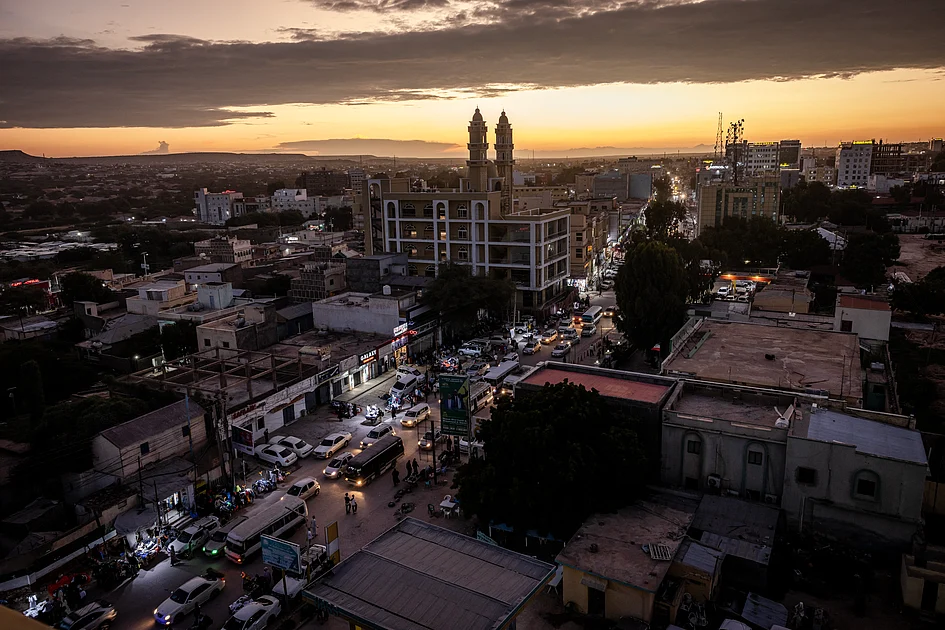
    In a groundbreaking diplomatic maneuver, Israel has formally acknowledged the Republic of Somaliland as a sovereign independent nation. Prime Minister Benjamin Netanyahu’s office confirmed this historic recognition on Friday, December 26, 2025, accompanied by an agreement to establish comprehensive diplomatic relations between the two states.

    This declaration positions Israel as the first nation to officially recognize Somaliland’s statehood, marking a significant departure from international consensus. The Israeli government framed this decision within the context of the Abraham Accords, the normalization agreements brokered during former U.S. President Donald Trump’s administration that established diplomatic ties between Israel and several Arab nations.

    Somaliland President Abdirahman Mohamed Abdullahi enthusiastically welcomed the development, characterizing it as the foundation of a strategic partnership. Through his official social media channels, Abdullahi expressed readiness to join the Abraham Accords framework and normalize relations with Israel.

    The northwestern region of Somaliland declared independence from Somalia in 1991 following the collapse of Siad Barre’s regime. Despite maintaining its own government, currency, and security forces for over three decades, the territory has struggled to achieve widespread international recognition.

    Israeli Foreign Minister Gideon Saar announced immediate plans to institutionalize bilateral relations, including mutual embassy establishments and ambassador appointments. Prime Netanyahu has extended an official invitation for President Abdullahi to visit Israel.

    The recognition has triggered strong regional opposition. Foreign ministers from Somalia, Egypt, Turkey, and Djibouti collectively condemned Israel’s move during an emergency conference call. These nations reaffirmed their commitment to Somalia’s territorial integrity and unity, rejecting what they characterize as a violation of international norms.

    This development represents both a diplomatic breakthrough for Somaliland’s longstanding sovereignty aspirations and a potential geopolitical flashpoint in the Horn of Africa region.

  • Salary increases, perks: Amended HR law in Fujairah to improve job security for govt employees

    Salary increases, perks: Amended HR law in Fujairah to improve job security for govt employees

    FUJAIRAH – In a significant move to enhance public sector welfare, His Highness Sheikh Hamad bin Mohammed Al Sharqi, Supreme Council Member and Ruler of Fujairah, has promulgated Law No. (2) of 2025, introducing comprehensive amendments to the emirate’s Human Resources Law for government employees. The legislation, formally announced in mid-December, is scheduled to take effect on January 1, 2026, following its publication in the Official Gazette.

    The groundbreaking reforms specifically address the stability of both legal and financial conditions for civil servants, incorporating substantial revisions to job grading structures, various allowances, and employee benefits. These changes build upon previously approved salary increases authorized under Law No. (1) of 2025, creating a cohesive framework for improved compensation packages.

    Mohammed Saeed Al Dhanhani, Director of the Fujairah Amiri Diwan, emphasized that these amendments reflect Sheikh Hamad’s ongoing commitment to strengthening job security and living standards for government personnel. This initiative aims to establish greater work-life balance while simultaneously elevating the quality of public services delivered to the community.

    From a strategic perspective, Mohammed Khalifa Al Zeyoudi, Director of Human Resources at the Government of Fujairah, highlighted the legislation’s dual purpose of attracting top-tier professional talent while motivating existing staff across local departments. The reforms apply equally to both Emirati citizens and foreign residents, demonstrating the emirate’s inclusive approach to workforce development.

    The enhanced benefits package is expected to play a pivotal role in supporting Fujairah’s comprehensive development agenda across multiple sectors by ensuring dignified living standards for its public servants. This legislative advancement positions Fujairah as a progressive employer within the UAE’s public sector landscape, potentially setting benchmarks for other emirates to follow.

  • Noisy chewing affecting ability to work? Misophonia is a daily battle, UAE doctors warn

    Noisy chewing affecting ability to work? Misophonia is a daily battle, UAE doctors warn

    Medical specialists across the United Arab Emirates are bringing attention to misophonia, a neurological condition characterized by extreme sensitivity to specific everyday sounds, warning that it represents more than mere irritation but a legitimate clinical disorder with significant consequences. Unlike typical annoyance, misophonia triggers intense emotional and physiological responses that can severely disrupt cognitive functions and social interactions.

    According to recent research cited by UAE healthcare professionals, including a PubMed-listed study titled ‘The Effect of Misophonia on Cognitive and Social Judgments,’ trigger sounds such as chewing, pen-clicking, or loud breathing can interrupt attention, impair memory recall, cloud social judgment, and disrupt overall cognitive processing. This creates substantial challenges in educational settings, open-plan offices, and family environments where these sounds are commonplace.

    Dr. Lekha Kapoor, Consultant ENT at Medcare Hospital Sharjah, explains the diagnostic process: ‘We first conduct comprehensive ENT evaluations to rule out auditory issues, then utilize the Amsterdam Misophonia Questionnaire to assess severity—ranging from mild to extreme cases.’ She notes that patients often present confused and distressed, unaware their experiences constitute a recognized medical condition.

    The psychological toll can be severe, with many patients experiencing overlapping anxiety, depression, and heightened stress. In extreme cases, the condition has been associated with suicidal tendencies due to the profound disruption to daily functioning and social relationships.

    Despite its significant impact, awareness remains limited in the UAE compared to Western nations. Dr. Amal Atwa Ibrahim, Consultant Psychiatrist at NMC Specialty Hospital, emphasizes that professional intervention—particularly cognitive behavioral therapy (CBT), emotional regulation strategies, and practical tools like noise-cancelling headphones—can substantially improve quality of life for those affected.

  • UAE gold prices surge four times in one week; what to expect in 2026

    UAE gold prices surge four times in one week; what to expect in 2026

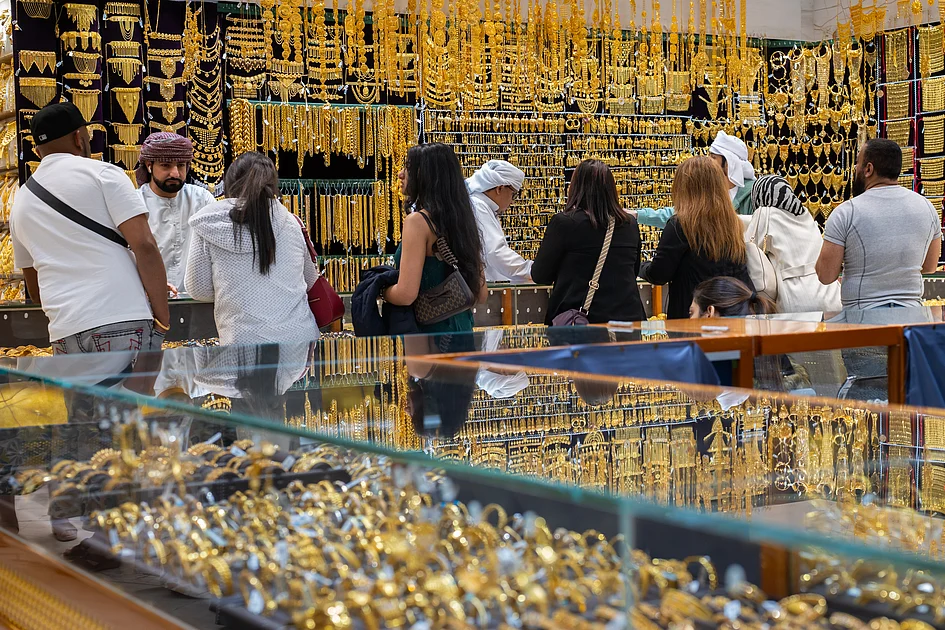
    The UAE gold market has experienced an unprecedented surge, marking its fourth record-breaking price increase within a single week. As markets opened on Friday, December 26, 2025, 24K gold reached Dh543.25 per gram, representing a significant jump from Christmas Day’s slight dip to Dh539.75. This remarkable performance extends across various karat weights, with 22K, 21K, 18K, and 14K trading at Dh503, Dh482.25, Dh413.50, and Dh322.50 respectively. Simultaneously, silver prices skyrocketed to unprecedented levels, reaching $74.38 per ounce while spot gold stood at $4,514 by afternoon trading.

    The monthly performance metrics reveal even more dramatic growth, with gold appreciating over 7% and silver experiencing an extraordinary 34% surge. According to financial experts, 2025 is positioned to become gold’s strongest annual performance since 1979, driven by what analysts describe as a ‘perfect storm’ of economic factors.

    Bas Koojiman, CEO of DHF Capital, identifies multiple converging drivers behind this historic rally: relentless central bank acquisitions exceeding 980 tonnes in Q3 alone, massive ETF inflows as investors seek safety, a weakening US dollar amid Federal Reserve rate cut expectations, and escalating geopolitical tensions worldwide. The US-Venezuela blockades alongside ongoing conflicts in Ukraine and the Middle East have further contributed to this economic landscape.

    Critically, experts emphasize this represents a structural market shift rather than a temporary cyclical rally. Emerging markets are aggressively building gold holdings as part of de-dollarization strategies, with gold’s share in global assets climbing toward 3-4%. This re-rating of gold as a strategic necessity appears long-term rather than temporary, though analysts anticipate potential corrections following 2025’s explosive gains.

    The outlook for 2026 remains bullish, with projections suggesting gold could average between $4,500 to $5,000 per ounce. Sustaining these levels will require continued lower interest rates, a softer dollar, persistent geopolitical risks, and robust institutional demand. Market analysts interpret gold’s dramatic rise as a warning signal indicating widespread investor concern about geopolitical instability, trade tensions, record debt levels, potential inflationary pressures, and questions regarding the dollar’s continuing dominance in global markets.