标签: Africa

非洲

  • North Point Education Group: Shaping the Future of Young Leaders in the UAE

    North Point Education Group: Shaping the Future of Young Leaders in the UAE

    For over four decades, North Point Education Group (NPE) has established itself as a cornerstone of the United Arab Emirates’ educational landscape, consistently delivering quality learning experiences that prioritize accessibility, future readiness, and strong moral foundations. The group continues to broaden its influence through institutions that seamlessly integrate academic excellence with comprehensive character development and leadership cultivation.

    NPE’s British curriculum schools form a central component of their educational offering, providing internationally benchmarked academics alongside balanced developmental experiences. The Hope English School in Sharjah, established in 2023 as one of NPE’s newest institutions, exemplifies this commitment through its creation of inspiring learning environments that balance nurturing support with ambitious educational goals. The school’s focus on foundational excellence, student wellbeing, and holistic development aims to foster confident, capable young individuals.

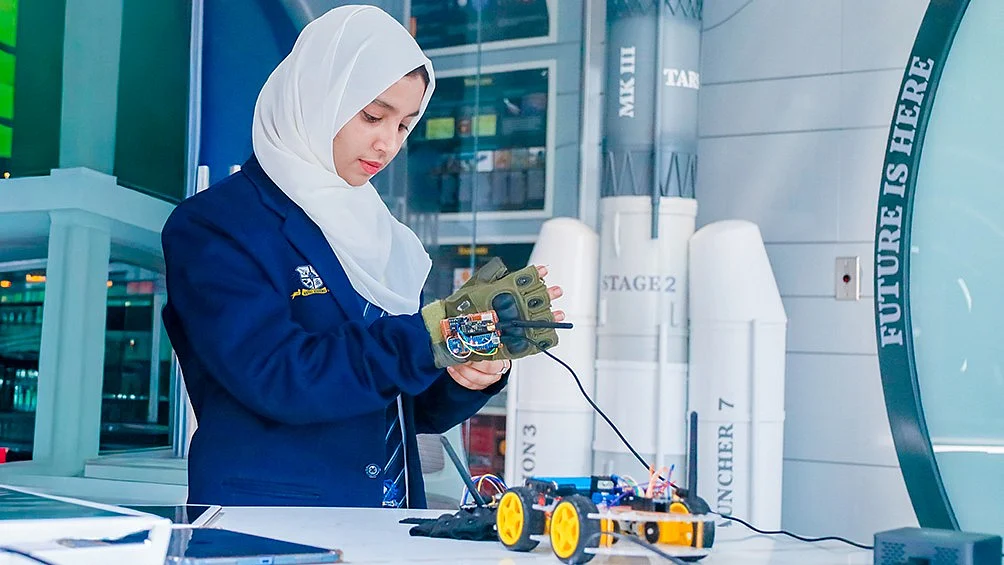
    The Bloomington Academy in Ajman, operating since 2014 with British Schools Overseas (BSO) accreditation, stands as another flagship institution within the group. The academy has demonstrated consistent academic excellence, with students regularly receiving Cambridge Learner Awards for outstanding performance. Beyond rigorous academics, Bloomington emphasizes individual growth through specialized programs in STEM disciplines, artistic pursuits, athletic development, and leadership training. The institution further demonstrates its commitment to excellence through merit-based scholarships for high-achieving students.

    Across all NPE institutions, the educational philosophy emphasizes collaborative partnerships between educators, parents, and students. Dedicated teaching teams work closely with families to provide personalized attention and support tailored to each child’s needs. These efforts are complemented by vibrant extracurricular programs encompassing sports, arts, community service initiatives, and leadership development opportunities, ensuring well-rounded student development.

    Complementing its British curriculum offerings, NPE maintains long-established institutions including The Royal Academy in Ajman, a premier CBSE curriculum school with over forty years of educational service. This diversity further underscores the group’s extensive contribution to UAE education.

    With admissions currently open, North Point Education Group invites families to explore their educational institutions and witness firsthand the impact of nurturing, inspiring, and affordable education grounded in academic excellence, personal growth, and future preparedness.

  • Hot air balloon to underwater parties: 5 unique UAE New Year’s Eve celebrations

    Hot air balloon to underwater parties: 5 unique UAE New Year’s Eve celebrations

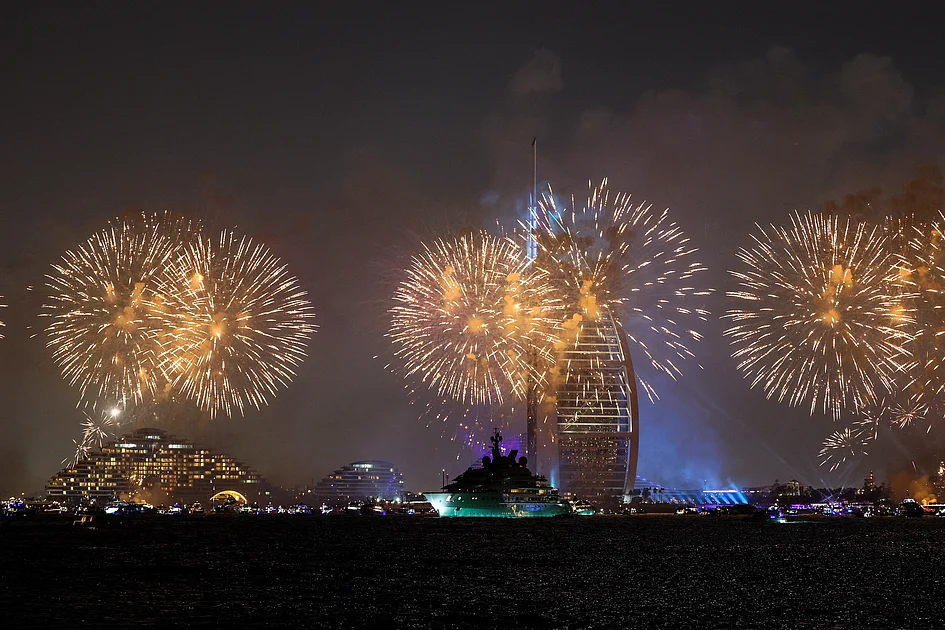
    The United Arab Emirates is transforming New Year’s Eve traditions with an array of extraordinary celebrations that move beyond conventional fireworks displays. As 2026 approaches, event organizers across the nation are creating unique experiences in remarkable settings that prioritize originality over massive crowds and familiar viewpoints.

    Atlantis The Palm introduces a tethered hot air balloon experience that elevates celebrations literally and figuratively. The NYE Sky Carnival features two ascents between 7-10 PM and 1-2 AM, providing panoramic views of fireworks across multiple landmarks including JBR and Burj Al Arab. Priced from Dh500 per person, the experience combines aerial spectacle with reflective rituals where guests document their aspirations for the coming year.

    Water enthusiasts can embrace guided night kayaking and paddleboarding sessions offered by operators like Crystal Clear Watersports. These aquatic adventures provide distinctive vantage points of fireworks from Burj Khalifa and Jumeirah Bay Island, emphasizing serene water conditions and intimate group settings rather than high-speed performance.

    Ossiano restaurant presents an immersive underwater dining experience with a multi-course gourmet dinner served beneath the ocean surface. At Dh1,500 per person, this sophisticated celebration begins at 7 PM on December 31st, followed by access to designated fireworks viewing areas, blending culinary excellence with a tranquil countdown alternative.

    Dinner in the Sky Dubai elevates celebrations approximately 50 meters above ground with suspended dining from 10:30 PM through midnight. Priced from Dh1,400 per person, this elevated experience offers breathtaking views of Palm Jumeirah, JBR, and Dubai Marina during the transition to 2026.

    For those seeking complete urban escape, the Liwa Moreeb Dune Festival in Abu Dhabi’s Liwa Oasis provides a desert-based celebration running from late December into early January. This festival shifts focus from fireworks to motorsports, dune climbing competitions, and cultural activities under expansive desert skies, with generally free entry to festival grounds.

  • UAE announces new law on higher education, tightens licensing for institutions

    UAE announces new law on higher education, tightens licensing for institutions

    The United Arab Emirates has ushered in a transformative era for its academic sector with the implementation of a comprehensive federal law governing Higher Education and Scientific Research. Enacted on December 30, 2025, this landmark legislation establishes a robust regulatory framework designed to bridge the gap between academic preparation and workforce requirements while championing lifelong learning initiatives.

    The new mandate introduces stringent licensing protocols that prohibit the establishment or operation of any higher education institution without formal ministerial approval. The law extends its jurisdiction to encompass technical and vocational training centers, free zone institutions, and digital learning platforms, creating unprecedented national standardization across all educational delivery methods.

    Critical components of the legislation include mandatory accreditation for all academic programs, institutional classification systems with public transparency mechanisms, and specific quality standards for e-learning and blended education formats. The law explicitly requires educational providers to implement innovative teaching methodologies, ensure data protection protocols, and foster interactive learning environments regardless of delivery format.

    For free zone institutions, the legislation mandates coordination between federal ministries and local authorities, requiring both local permits and federal accreditation. The integrated approach aims to enhance educational quality, strengthen institutional governance, and boost global competitiveness while ensuring academic offerings directly correspond to evolving economic needs.

    This higher education reform follows closely after the UAE’s recent decree establishing a National Educational Curriculum framework for primary and secondary schools, demonstrating the nation’s systematic approach to educational modernization across all academic levels.

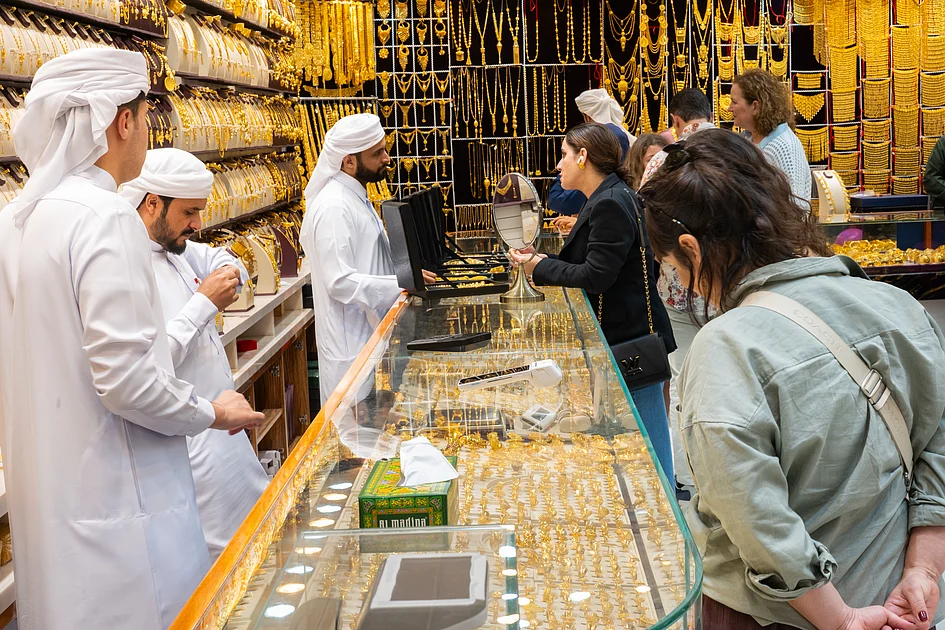
  • Time to buy? Dubai gold prices plunge nearly Dh18 per gram in 24 hours

    Time to buy? Dubai gold prices plunge nearly Dh18 per gram in 24 hours

    Dubai’s gold market experienced significant volatility this week, with prices plummeting dramatically before staging a notable recovery in early Tuesday trading. The precious metal witnessed a steep decline of over Dh22 per gram on Monday, pushing global rates to a two-week low, primarily driven by profit-taking activities among investors.

    According to the latest data from the Dubai Jewellery Group, 24K gold opened at Dh525.75 per gram on Tuesday morning, representing a recovery of Dh4.5 per gram from Monday’s closing price of Dh521.25 per gram. This rebound followed a substantial 24-hour loss of nearly Dh18 per gram, highlighting the market’s extreme volatility.

    Other gold variants similarly showed positive movement in early Tuesday trading. The prices for 22K, 21K, 18K and 14K gold rose to Dh486.75, Dh466.75, Dh400.0 and Dh312.0 per gram respectively, indicating broad-based recovery across the precious metals market.

    Internationally, spot gold was trading at $4,375.86 per ounce at 9:30 AM UAE time on Tuesday, registering a 1.1 percent increase. This recovery came after Monday’s session saw gold lose over 4.5 percent, hitting its lowest point in two weeks.

    Market analysts remain optimistic about gold’s underlying strength. Ahmad Assiri, Research Strategist at Pepperstone, noted that despite the recent volatility, metals have demonstrated their bullish structure remains firmly intact. “Gold is retesting the $4,500 level as a consolidation zone, suggesting the market is leaning toward digesting gains,” Assiri commented.

    The fundamental drivers supporting gold and silver demand remain unchanged, rooted in persistent geopolitical tensions and policy-related risks. Expectations for a softer US dollar and potential Federal Reserve easing later in the new year continue to enhance gold’s relative appeal. Additionally, underlying tensions in US-China relations regarding critical minerals continue to provide structural support for metals demand without attracting excessive political attention for now.

  • Guinea restricts social media sites as junta chief takes election lead

    Guinea restricts social media sites as junta chief takes election lead

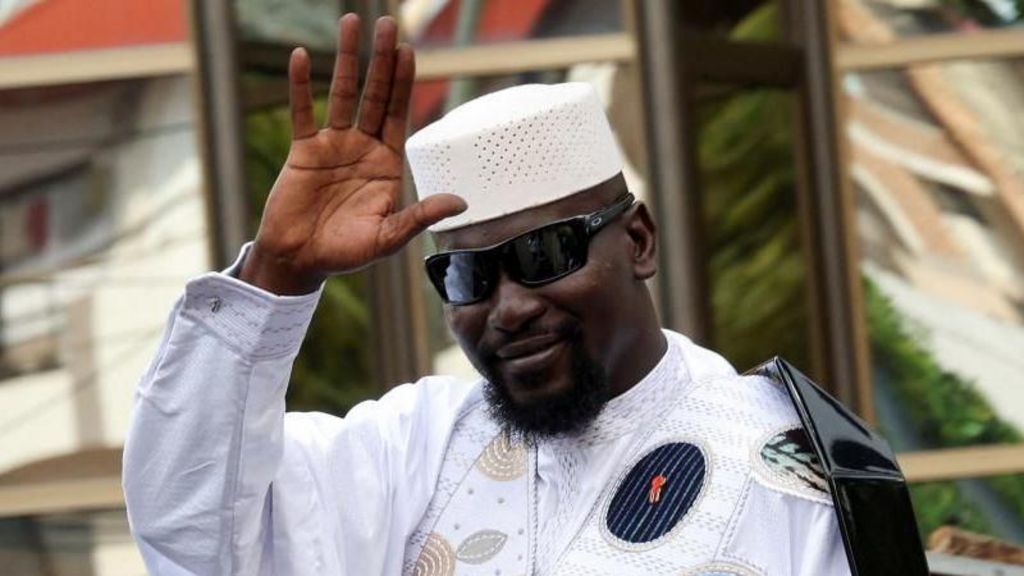
    Guinea’s military government has imposed sweeping restrictions on major social media platforms including TikTok, YouTube, and Facebook as the nation awaits final results from Sunday’s contentious presidential election. Internet monitoring organization NetBlocks confirmed widespread disruptions affecting primary service providers Orange and MTN.

    Initial results released Monday evening reveal junta leader General Mamady Doumbouya, who seized power in a 2021 coup, commanding a substantial lead in the presidential race. According to AFP reports, the 41-year-old general has secured over 80% of votes across multiple districts in the capital Conakry, with similar dominance reported in western regions including Boffa and Fria, northwestern Gaoual, northern Koundara and Labe, and southeastern Nzerekore.

    The electoral process has drawn sharp criticism from opposition groups and civil society organizations. Main opposition parties RPG Arc en Ciel and UFDG were barred from participation, leaving eight alternative candidates with limited political footing. A civil society coalition advocating for civilian rule condemned the election as a ‘charade,’ citing numerous irregularities.

    General Doumbouya’s candidacy represents a direct reversal of his previous commitment. Following his overthrow of 83-year-old President Alpha Condé in 2021, he explicitly promised: ‘Neither I nor any member of this transition will be a candidate for anything… As soldiers, we value our word very much.’ His reversal became possible through a new constitution implemented in September that permitted his electoral participation.

    Critics interpret the social media restrictions as a deliberate attempt to suppress dissent and scrutiny of the electoral process. The junta has previously faced condemnation for restricting opposition activities, banning protests, and curtailing press freedom in the pre-election period.

    Paradoxically, General Doumbouya justified his 2021 coup using similar grievances—citing Condé’s alleged corruption, human rights violations, and economic mismanagement. Despite Guinea possessing the world’s largest bauxite reserves and recently launching the massive Simandou iron-ore project, World Bank data indicates over half the population lives in poverty.

  • Protests draw largest turnout of Somalis since Israel’s recognition of Somaliland

    Protests draw largest turnout of Somalis since Israel’s recognition of Somaliland

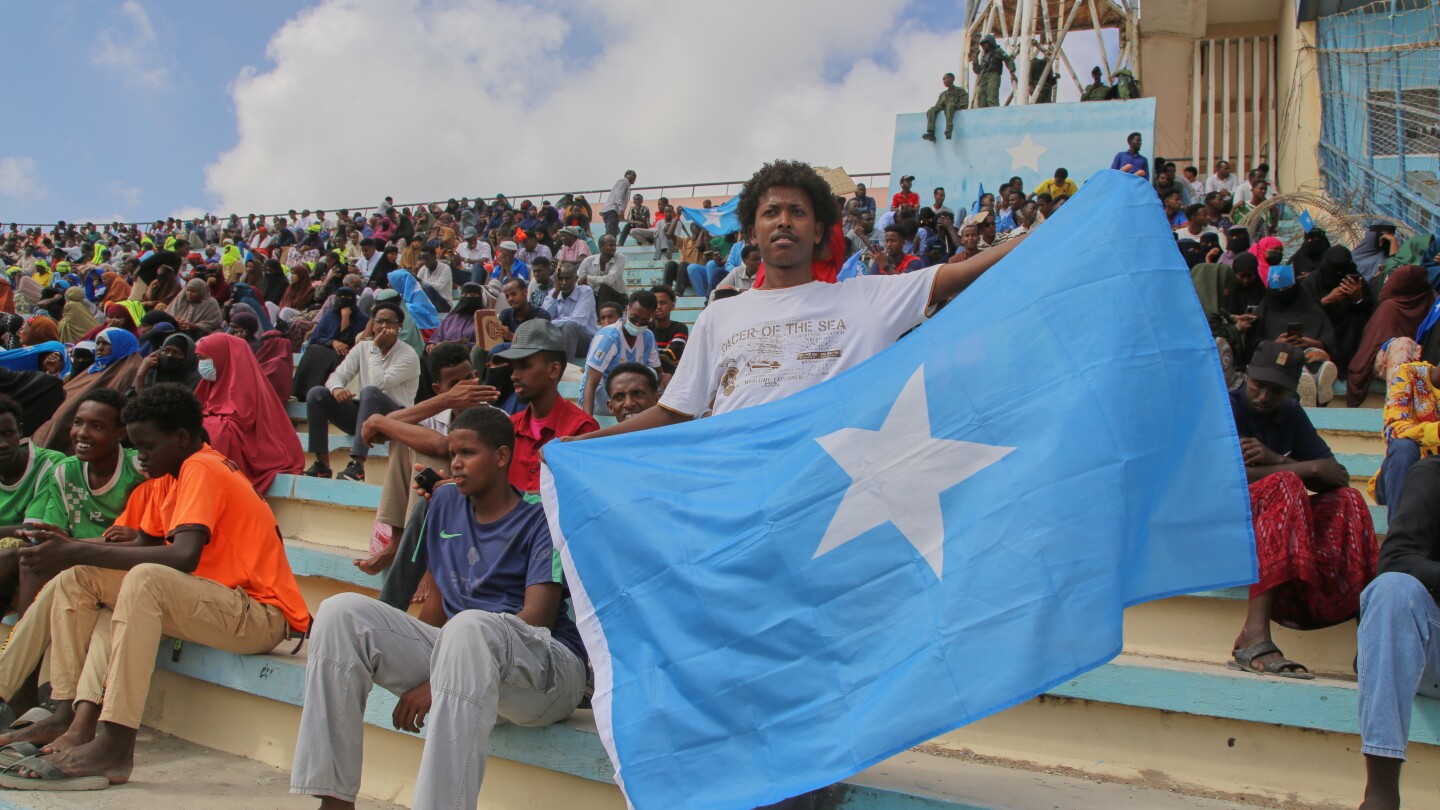
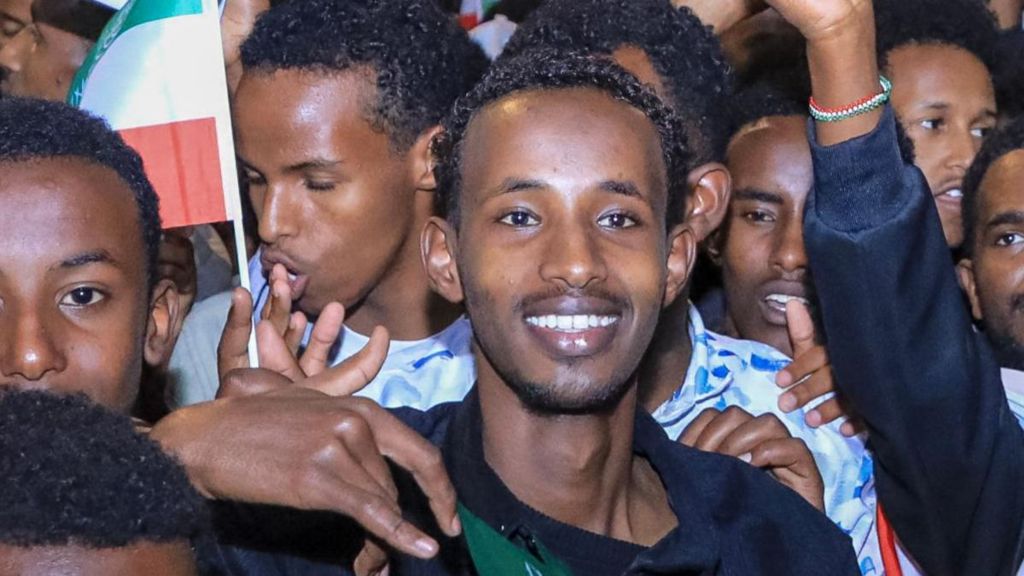
    MOGADISHU, Somalia — Massive demonstrations erupted across Somalia on Tuesday as tens of thousands of citizens united in protest against Israel’s unprecedented recognition of the breakaway region of Somaliland. The controversial diplomatic move has ignited a firestorm of international condemnation and raised concerns about regional stability in the Horn of Africa.

    In the capital Mogadishu, protesters filled the national stadium waving Somali flags and chanting slogans rejecting what they perceive as an assault on their nation’s sovereignty. Religious leader Sheikh Mohamud Sheikh Abulbari addressed the crowd, condemning Israel’s action as “unacceptable” given its treatment of Palestinians and Muslim holy sites in Jerusalem. Similar large-scale protests were documented in Baidoa, Guriel, Dhusamareeb, Lasanod, and Buhoodle, marking the largest public mobilization since Israel’s declaration.

    Meanwhile, Somali President Hassan Sheikh Mohamud embarked on a strategic diplomatic mission to Turkey, meeting with President Recep Tayyip Erdogan in Istanbul. Both leaders delivered strong statements against Israel’s recognition, with Mohamud characterizing it as a violation of international law, the UN Charter, and African Union principles. “This sets a dangerous precedent contrary to the principle of sovereignty and territorial integrity,” Mohamud stated alongside his Turkish counterpart.

    Erdogan pledged unwavering support for Somalia’s territorial unity, accusing Israel of attempting to destabilize the already fragile Horn of Africa region. The Turkish president emphasized that preserving Somalia’s integrity remains “a priority for us under all circumstances.”

    The diplomatic confrontation reached the United Nations Security Council on Monday, where Somalia’s permanent representative Abukar Dahir Osman warned that Israel’s action “poses a serious threat to regional and international peace and security.” The Israeli delegation countered by accusing Somalia of applying double standards, noting that other nations have recognized Palestinian statehood.

    The recognition controversy occurs against the backdrop of ongoing tensions between Somalia and Ethiopia, which signed a memorandum of understanding with Somaliland in January 2024 to lease coastline territory for a naval base in exchange for potential recognition. Turkey has emerged as a key mediator in these disputes while strengthening its military and economic presence in Somalia, including operating a military training base in Mogadishu and planning offshore drilling operations by 2026.

    Somaliland, with approximately 3 million inhabitants, declared independence from Somalia in 1991 during the country’s civil conflict. Despite maintaining its own government and currency for over three decades, no nation had formally recognized its sovereignty until Israel’s surprise announcement last week.

  • How South Africa conquered Test cricket in 2025

    How South Africa conquered Test cricket in 2025

    While the institutional framework supporting Test cricket in South Africa faces unprecedented challenges, the national team itself is experiencing a golden era of unprecedented success. For the first time since the apartheid sporting isolation era, the country will host no red-ball cricket this summer, with the commercially-driven SA20 franchise tournament taking precedence. The Proteas won’t play another home Test until October 2026—a staggering 21-month hiatus from traditional cricket on home soil.

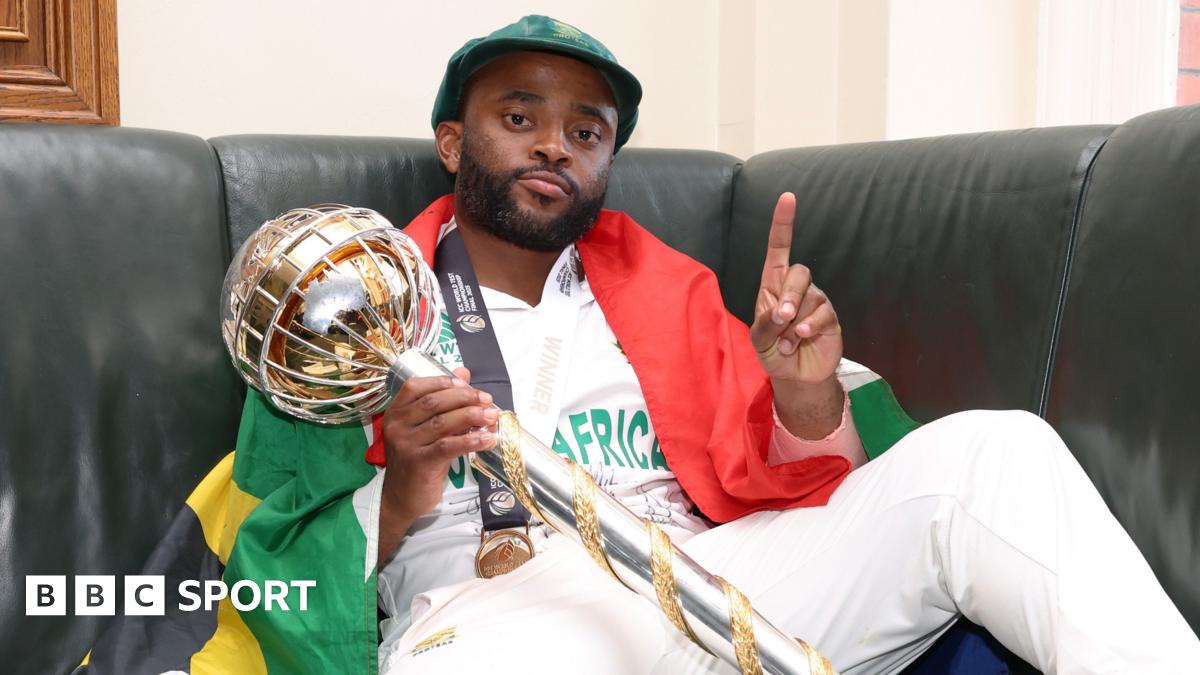
    Despite this concerning backdrop, the South African Test team has delivered a watershed year of extraordinary achievements. Their remarkable 2025 campaign began with a 2-0 whitewash of Pakistan, featuring Ryan Rickelton’s first double century by a South African in nine years. The pinnacle arrived in June when Aiden Markram’s sublime fourth-innings 136, combined with Kagiso Rabada’s nine-wicket match haul, secured a dramatic five-wicket victory over Australia in the World Test Championship final at Lord’s.

    The success continued throughout the year with historic milestones: Wiaan Mulder’s record-threatening 367 against Zimbabwe, Keshav Maharaj’s seven-wicket haul in Rawalpindi to level the series against Pakistan, and Simon Harmer’s 17-wicket performance during South Africa’s first away series victory in India since 2000.

    Team balance has been crucial to this transformation. While maintaining their traditional fast-bowling excellence through Rabada’s spearhead leadership, the attack has evolved with added variety. Spin twins Maharaj and Harmer provide control and wicket-taking threat, while Marco Jansen—the two-meter tall left-armer with swing both ways—offers genuine X-factor.

    Most strikingly, the batting lineup has undergone revolutionary improvement. From just six centuries between January 2020 and February 2023 (ranking above only Zimbabwe and Afghanistan), South African batters have now scored 23 centuries since that lean period. The lower order particularly excels, averaging 29.51 runs per wicket—the best among all Test nations.

    According to spin-bowling all-rounder Sunuran Muthusamy, who scored his maiden century in the record 408-run victory against India: “We’ve found a great formula. The leadership group has instilled in us that we’re never beaten.”

    This resilience was epitomized in the WTC final comeback from 43-4 on day one, eventually chasing down the second-highest successful target in Lord’s history. Captain Temba Bavuma, who averaged 51.66 this year, became the first captain to win 11 Tests before tasting defeat.

    As attention turns to 2026’s packed schedule—featuring series against Australia, Bangladesh, and England—the fundamental contradiction remains: an increasingly ruthless and balanced team continues to excel despite a format being squeezed by commercial priorities and inadequate governance. Whether sporting excellence alone can sustain Test cricket in South Africa remains the unanswered question.

  • UAE issues first-of-its-kind federal decree law on national education curriculum

    UAE issues first-of-its-kind federal decree law on national education curriculum

    The United Arab Emirates has enacted a groundbreaking federal decree law establishing comprehensive legal governance for its national education curriculum. This landmark legislation, applicable to all public and private educational institutions from kindergarten through twelfth grade, creates a unified framework for curriculum design, approval processes, implementation protocols, and systematic review mechanisms.

    The National Education Charter serves as the supreme reference document, articulating national educational objectives, graduate attributes, cultural identity, core values, and targeted competencies. This charter provides definitive guidance for curriculum development, encompassing learning standards, educational outcomes, instructional methodologies, academic pathways, language of instruction, duration requirements, and subject-specific content.

    A distinctive feature of the legislation is its four-tier classification system for curriculum modifications. Major changes requiring foundational alterations must obtain approval from the Education, Human Resources, and Community Development Council followed by ratification from the Council of Ministers, accompanied by pilot programs and comprehensive evaluations. Partial adjustments within specific subjects receive authorization from the Education Council, while technical improvements concerning clarity and presentation fall under Ministry of Education jurisdiction. The framework additionally accommodates exceptional changes during national or global emergencies through Education Council approval.

    The decree encourages curriculum development proposals from government entities, private organizations, and non-profit institutions including those within free zones. Submission requirements include detailed studies demonstrating alignment with national education objectives, labor market demands, cultural identity preservation, and societal values.

    Educational institutions bear implementation responsibilities including participation in pilot programs, feedback collection, and observation reporting to the Ministry. Local authorities oversee private school compliance while the National Centre for Education Quality conducts impact assessments and reports to relevant governing bodies.

    This legislative milestone ensures curriculum consistency and stability while maintaining adaptability to evolving economic needs and global educational standards, representing the UAE’s commitment to creating a future-ready education system.

  • Boxer Anthony Joshua injured in Nigeria highway crash: Media

    Boxer Anthony Joshua injured in Nigeria highway crash: Media

    Former world heavyweight boxing champion Anthony Joshua sustained injuries in a devastating highway accident in Nigeria on Monday, December 29, 2025, which resulted in two fatalities according to local media reports. The incident occurred along the heavily trafficked Lagos-Ibadan expressway when the vehicle transporting the British-Nigerian athlete collided with a truck. Nigerian publication Punch initially broke the story, detailing the serious nature of the collision that involved one of sports’ most recognizable figures. Authorities have since confirmed Joshua’s involvement in the accident through a police source who spoke with Agence France-Presse (AFP). While specific details regarding Joshua’s condition remain undisclosed, the confirmation has sparked international concern among the boxing community and fans worldwide. The Lagos-Ibadan expressway is known for its challenging traffic conditions and has been the site of numerous accidents in recent years. Joshua, who maintains strong connections to his Nigerian heritage, has frequently traveled to the country throughout his career for both personal and professional engagements. The boxing world now awaits further updates on the champion’s health and recovery prospects following this traumatic incident.

  • Why Israel’s recognition of Somaliland as an independent state is controversial

    Why Israel’s recognition of Somaliland as an independent state is controversial

    In a groundbreaking diplomatic move that has sent shockwaves through international relations, Israel has become the first nation to officially recognize the breakaway territory of Somaliland as an independent sovereign state. This controversial decision, announced on Friday, has triggered widespread condemnation from numerous countries and international organizations while being hailed by Somaliland’s leadership as a historic milestone.

    The recognition follows more than three decades of Somaliland’s de facto independence from Somalia, declared in 1991 following the overthrow of military dictator Siad Barre. Despite maintaining its own government institutions, currency, and security forces, the semi-desert territory along the Gulf of Aden has remained internationally unrecognized until Israel’s unexpected declaration.

    China has emerged among the most vocal critics, with Foreign Ministry spokesperson Lin Jian asserting that “no country should encourage or support other countries’ internal separatist forces for its own selfish interests.” This condemnation comes ahead of an emergency UN Security Council session convened to address the escalating diplomatic crisis.

    Somalia has reacted with fury, characterizing Israel’s move as a direct assault on its territorial integrity. President Hassan Sheikh Mohamud labeled the recognition an “existential threat” to national unity, while Somalia’s parliament unanimously rejected what it termed a violation of international law.

    Strategic analysts suggest Israel’s motivation extends beyond mere diplomatic recognition. According to research from the Institute for National Security Studies, Somaliland offers Israel a strategic foothold in the Red Sea region, potentially providing operational access near conflict zones involving Yemen’s Houthi rebels. Israeli Prime Minister Benjamin Netanyahu confirmed in a phone call with Somaliland President Abdirahman Mohamed Abdullahi that the recognition acknowledges Somaliland’s “right of self-determination” and presents “a great opportunity for expanding” bilateral partnership.

    The Houthi movement has responded with threats, warning that any Israeli presence in Somaliland would be considered legitimate military targets. This development occurs against the backdrop of reported discussions about potential resettlement of Palestinians from Gaza, though Somaliland has denied any connection between recognition and the Palestinian issue.

    Regional powers including Turkey, Saudi Arabia, and the African Union have joined the condemnation, expressing concern that this recognition could establish a dangerous precedent for separatist movements across the continent. The African Union specifically warned of potential chain reactions where other regions might seek external alliances without central government consent.

    Notably, traditional Somaliland allies including the United Arab Emirates and Ethiopia have maintained cautious silence. Analysis suggests the UAE aligns with Israeli interests in the region, while Ethiopia—which recently secured port access through Somaliland—appears to be adopting a wait-and-see approach despite potentially benefiting from the recognition.

    The United States has shown reluctance to follow Israel’s lead, with former President Donald Trump questioning general awareness of Somaliland’s status. The international community remains deeply divided, setting the stage for continued diplomatic confrontation as this unexpected geopolitical realignment unfolds.