标签: Africa

非洲

  • VK Group unites 1,000 staff and families for festive mega-event

    VK Group unites 1,000 staff and families for festive mega-event

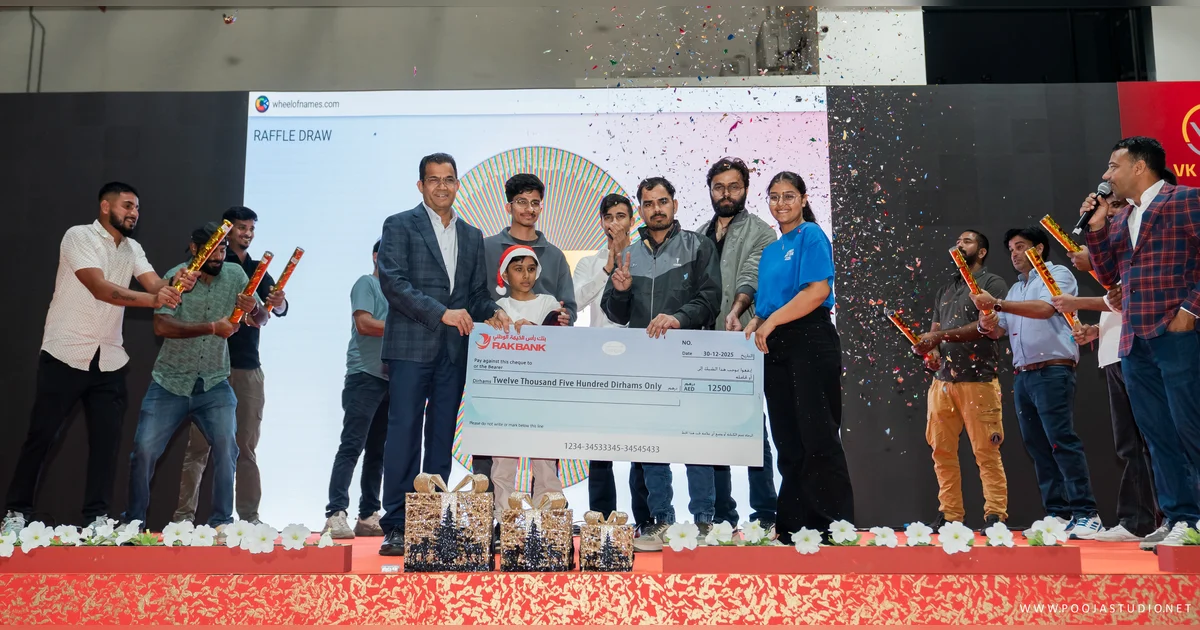
    In a spectacular display of corporate unity and familial bonding, VK Group orchestrated a monumental year-end celebration that brought together approximately 1,000 participants at its premises on December 27, 2025. The event marked the company’s annual family gathering, strategically designed to transcend traditional corporate hierarchies by integrating blue-collar workers, senior executives, clients, and their families in a shared festive experience.

    The gathering served as a tangible manifestation of VK Exhibitions & Decor Industry LLC’s foundational ‘people-first’ philosophy. By extending invitations to family members across all organizational levels and sister companies, the event evolved from a conventional corporate function into a vibrant community festival that mirrored the inclusive and multicultural ethos of the United Arab Emirates.

    Entertainment excellence was ensured through the hosting capabilities of Dubai-based celebrity anchor Joe Mohan, known professionally as VoiceGuyJoe, who facilitated an evening filled with dynamic musical and dance performances. The event garnered significant attention from dignitaries including Abhimanyu Singh Kargwal from LABOUR and MADAD, who observed firsthand the robust rapport between management and workforce.

    VK Group’s dedication to holistic employee development was prominently showcased through its commitment to creating a ‘360-degree growth environment.’ This comprehensive approach encompasses year-round sports tournaments, cultural initiatives, and structured training programs that simultaneously address professional advancement and personal well-being.

    The recognition ceremony formed a pivotal component of the evening, with over 60 staff members receiving honors for their exceptional loyalty and performance. During this segment, Radheshyam Jangid, Managing Director and CEO, delivered an inspirational address connecting the company’s past achievements with future aspirations.

    Jangid emphasized the deeper significance of the gathering: ‘This celebration transcends retrospective analysis of 2025; it represents our collective future-building endeavor. The presence of our families and children reinforces the fundamental purpose behind our diligent efforts. We are establishing a legacy of unity that will define our trajectory as we enter 2026. Our organizational strength derives not merely from physical assets but from the happiness and security of every family represented here.’

    Reflecting on his three-decade journey in the UAE, Jangid acknowledged the nation’s role in providing safety, opportunity, and growth, while committing to continued industrial excellence benchmarks. He specifically credited the visionary leadership of Sheikh Mohammed bin Rashid Al Maktoum, Vice-President and Prime Minister of the UAE and Ruler of Dubai, for cultivating the secure, tolerant, and prosperous environment that enables diverse families to thrive collectively.

  • BITS Pilani Dubai Campus concludes 2025 Young Entrepreneurs’ Bootcamp for school students

    BITS Pilani Dubai Campus concludes 2025 Young Entrepreneurs’ Bootcamp for school students

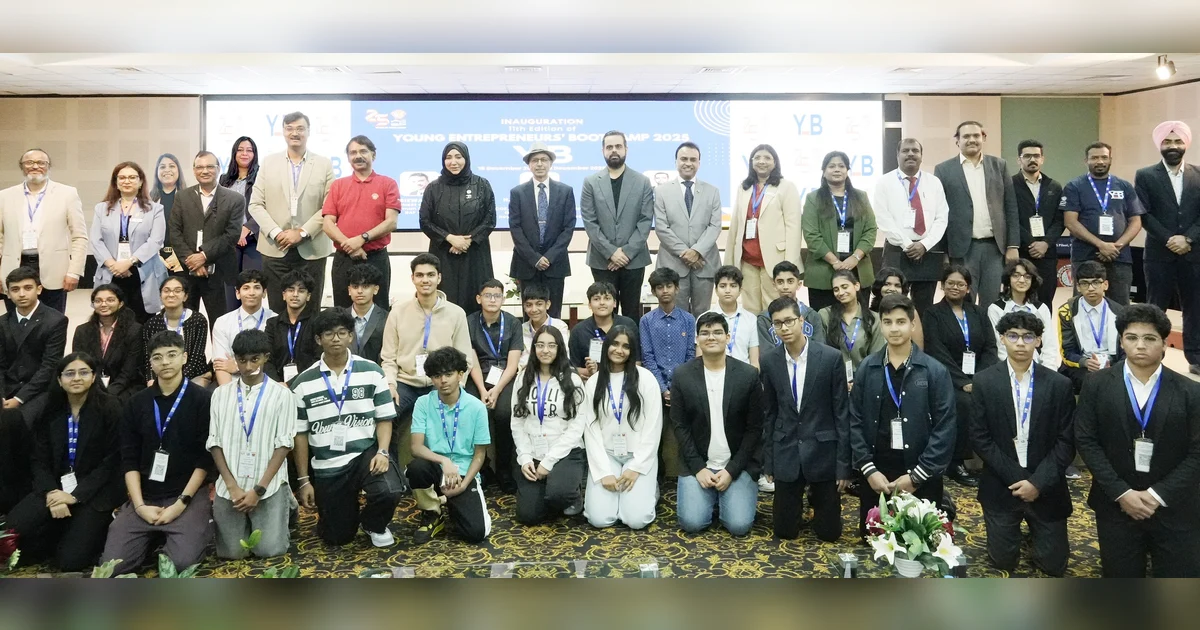
    BITS Pilani Dubai Campus has successfully concluded its 11th Young Entrepreneurs’ Bootcamp (YEB 2025), marking a significant milestone in entrepreneurial education for secondary students. The five-day intensive program, designed for Grades 9-12 participants, transcended conventional learning by implementing a comprehensive framework-based methodology that guided young minds through the complete venture creation lifecycle.

    The bootcamp’s academic rigor was evident from its inaugural address by Prof. Souri Banerjee, Director of BITS Pilani Dubai Campus, who emphasized that entrepreneurial education extends beyond business creation to developing resilience, structured reasoning, and solution-oriented thinking. The program featured notable industry voices including Laila El Atfani, who highlighted youth innovation’s role in building inclusive economies, and seasoned entrepreneurs Rizwan Adatia and Prateek Suri who shared practical insights on scaling enterprises through disciplined leadership.

    Academic sessions led by faculty members from the UAE, United States, and India covered the entire entrepreneurial spectrum—from ideation and business model design to financial literacy, revenue strategies, and investor pitching. The curriculum incorporated cutting-edge technical workshops on 3D printing, space technology applications, and sustainable materials, creating crucial connections between engineering innovation and commercial ventures.

    The program emphasized applied learning through startup founder interactions and an industry visit that provided operational exposure to manufacturing processes and innovation workflows. This practical approach culminated in a competitive pitching event where student teams presented original business concepts addressing global challenges in sustainability, renewable energy, food safety, worker welfare, and inclusive commerce.

    Team TAERS claimed top honors with their innovative concept for harvesting renewable energy from high-speed trains, while Team FreshGuard secured second position with a smart food shelf-life monitoring solution. Team SwapSole earned third place with their modular footwear innovation. The valedictory ceremony featured Mahesh Advani, CEO of MyGovindas UAE, and Hitesh Bhayani, who encouraged students to pursue purpose-driven ventures focused on long-term value creation.

    According to Prof. Trupti Gokhale, the bootcamp successfully translated ideas into actionable plans, equipping participants with unprecedented confidence, clarity, and leadership capabilities. The institution reaffirmed its commitment to developing future-ready innovators through academic excellence, ethical grounding, and strong industry alignment.

  • A tall building under construction collapses in Nairobi, with 4 believed to be trapped

    A tall building under construction collapses in Nairobi, with 4 believed to be trapped

    NAIROBI, Kenya — A multi-story residential structure undergoing construction in Nairobi’s South C district collapsed on Friday, triggering an extensive emergency response operation with at least four individuals confirmed trapped beneath the debris.

    Rescue teams comprising multiple agencies are currently conducting search and recovery operations at the disaster site. The Kenya Red Cross confirmed the deployment of a specialized response unit to manage the critical situation, with workers meticulously excavating through concrete rubble in a race against time.

    Geoffrey Ruku, Cabinet Secretary for Public Service, provided official confirmation regarding the number of persons trapped during a press briefing at the incident location. The human dimension of the tragedy emerged through emotional appeals from relatives, including Safia Ali Aden, whose brother remains among those trapped. She recounted receiving a desperate telephone call from her sibling from beneath the wreckage, pleading for accelerated governmental intervention.

    While investigation into the structural failure remains ongoing, authorities have yet to determine the precise cause of the collapse. This incident revives concerns about construction safety standards within Kenya’s capital, where rapid urbanization and high housing demand frequently lead to regulatory compromises.

    The catastrophe echoes previous building failures that have plagued Nairobi’s development landscape. A 2015 national audit initiated by the presidency—following eight separate collapse incidents that resulted in 15 fatalities—revealed alarming statistics: approximately 58% of structures within the city failed to meet basic construction standards according to the National Construction Authority’s assessment. This recurrent pattern highlights persistent challenges in enforcing building code compliance and development oversight.

  • Desert to dairy farm: Inside Mleiha’s Sharjah factory that produces 600 tonnes of milk daily

    Desert to dairy farm: Inside Mleiha’s Sharjah factory that produces 600 tonnes of milk daily

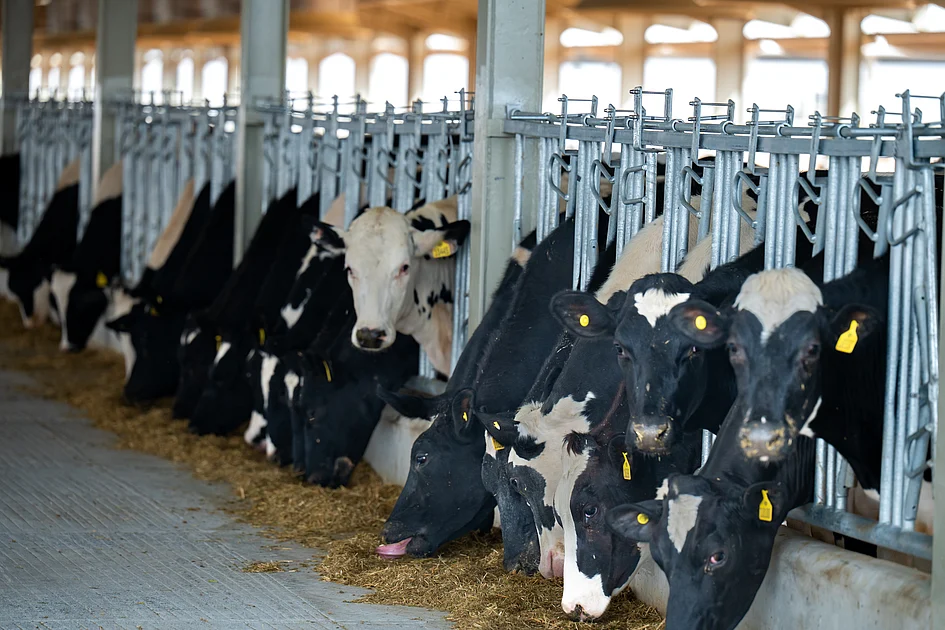
    In an extraordinary feat of agricultural innovation, Sharjah’s central region has witnessed the transformation of arid desert into the world’s largest A2A2 cattle breeding facility. The Mleiha Dairy Factory, spanning 20,000 square meters, now produces approximately 600 tonnes of milk daily through cutting-edge technology and rigorous quality control measures.

    The production process exemplifies modern agricultural excellence, beginning with automated milking systems that minimize human contact while maintaining superior hygiene standards. Fresh milk is immediately transferred to temperature-regulated stainless-steel tanks, preserving quality from the outset. Insulated tanker trucks maintain an unbroken cold chain during transportation to the processing facility.

    Upon arrival, the milk undergoes comprehensive safety assessments before progressing through automated filtration and treatment units. Technicians continuously monitor the process to ensure consistency and food safety standards. The packaging phase utilizes automated filling and sealing machines, with quality control personnel overseeing production lines. Finished products are stored in climate-controlled environments before rapid distribution to retailers.

    The facility’s A2A2 genetic cattle lineage produces milk renowned for its enhanced digestibility compared to conventional dairy, containing natural fat and protein content without artificial additives. This nutritional profile has driven significant consumer demand since the brand’s 2024 launch.

    Beyond fresh milk production, Mleiha has expanded its product range to include flavored milk, yogurt, laban, and labneh, all manufactured within the same controlled environment. Distribution has grown from Sharjah to encompass Dubai and other emirates, with plans for further expansion as production capacity increases.

    This project represents a landmark achievement in food resilience strategy, demonstrating how technological investment and sustainable practices can convert challenging environments into productive agricultural centers while supporting local manufacturing initiatives.

  • Do you have nomophobia? UAE doctors warn against excessive use of mobile phones

    Do you have nomophobia? UAE doctors warn against excessive use of mobile phones

    Medical professionals across the United Arab Emirates are raising concerns about the psychological phenomenon known as nomophobia—the irrational anxiety experienced when separated from mobile devices. This condition, while not formally recognized as a standalone diagnosis in psychiatric manuals, manifests through tangible symptoms including sleep disturbances, heightened irritability, concentration difficulties, and anxiety episodes when phones become inaccessible.

    According to research cited in the International Journal of Research Studies in Education, an astonishing 94% of American mobile users experience this condition, with UAE clinicians confirming parallel patterns emerging in Middle Eastern populations. Dr. Omar Bin Abdulaziz, Psychiatry Specialist at NMC Royal Hospital in Abu Dhabi, notes that patients rarely self-identify with nomophobia specifically, but present with related symptoms that reflect how deeply smartphones have integrated into daily existence.

    The UAE’s hyper-connected environment, where phones serve as essential tools for work, family communication, and safety, creates particular vulnerability among adolescents and young adults. Dr. Sreevidhya Srinivas of Medcare Camali Clinic observes that digital connectivity’s central role in Emirati society has made phone dependency increasingly visible in clinical practice, with younger populations demonstrating reduced emotional resilience and poor sleep hygiene linked to device overuse.

    Clinical red flags indicating problematic usage include compulsive checking behaviors, sleep pattern disruption, social withdrawal, declining academic or professional performance, and physiological reactions such as trembling or palpitations during phone separation. For adolescents, emotional dependence on digital validation and inability to cope with boredom without technological stimulation serve as additional warning signs.

    Treatment approaches emphasize balance rather than prohibition, with clinicians recommending practical strategies such as phone-free bedrooms, gradual disconnection periods, and reduced non-essential notifications. Family-based interventions prove particularly effective for younger demographics, combining clear boundaries with parental modeling of healthy device usage. Mental health professionals simultaneously address underlying anxiety or mood disorders that frequently contribute to unhealthy phone dependence.

    While comprehensive UAE-specific data remains limited, regional studies suggest similar trends throughout Arab nations, particularly affecting young adults and female demographics. Despite its non-classified status in diagnostic manuals, nomophobia has become a regular screening consideration in Emirati clinical settings, reflecting growing professional recognition of technology’s psychological impact.

  • Watch: Four men rescued from boat teetering on dam edge

    Watch: Four men rescued from boat teetering on dam edge

    A dramatic water rescue operation successfully extracted four individuals from a critically precarious situation after their vessel experienced complete motor failure and drifted toward a dam’s precipice. Emergency response teams executed a high-stakes operation to secure the boat and its occupants before it could be pulled over the dam’s edge.

    The incident, which unfolded under dangerous conditions, required specialized water rescue techniques to stabilize the situation. First responders utilized advanced equipment and training to approach the compromised vessel while managing the strong currents near the dam infrastructure.

    Marine safety experts emphasize that mechanical failure represents one of the most common causes of water emergencies, particularly near dam structures where water flow patterns create additional hazards. The successful outcome highlights the importance of professional emergency response capabilities and the critical nature of immediate reporting when watercraft experience mechanical difficulties.

    Authorities have initiated an investigation into the circumstances leading to the mechanical failure while commending the coordination between various emergency services that prevented potential tragedy. The rescued individuals received medical evaluation at the scene and were reported to be in stable condition following the harrowing experience.

  • Dozens missing after boat carrying 200 migrants sinks off Gambia

    Dozens missing after boat carrying 200 migrants sinks off Gambia

    A vessel carrying approximately 200 migrants en route to Europe met with tragedy off the coast of The Gambia, resulting in at least seven confirmed fatalities and numerous individuals missing, according to official statements from the country’s defense ministry.

    The maritime disaster occurred around midnight on Wednesday near Jinack village in the North Bank Region. The ill-fated boat, which was attempting the perilous Atlantic crossing to Spain’s Canary Islands, subsequently overturned and was discovered stranded on a sandbank.

    Search and rescue operations led by The Gambian Navy have successfully recovered 96 survivors thus far, with emergency crews continuing their efforts to locate additional passengers. Ten of those rescued are reported to be in critical condition and receiving urgent medical treatment.

    Authorities indicate that several victims are not Gambian nationals, with identification procedures currently underway to establish their nationalities. The rescue mission has deployed multiple naval vessels alongside assistance from local fishing boats.

    This tragic incident highlights the increasingly common yet extremely dangerous migration route across the Atlantic Ocean that African migrants undertake in attempts to reach European shores. Official statistics reveal that nearly 47,000 individuals reached the Canary Islands in 2024 alone, while Spanish non-governmental organization Caminando Fronteras estimates that over 9,000 migrants have perished attempting this journey.

    The Gambia has emerged as one of the primary transit points for migrants embarking on hazardous sea and land journeys to Europe. In response to growing migration pressures, the European Union has recently established agreements with several North African nations aimed at reducing irregular migration patterns.

  • Drones could save vaccine wastage in rural Rwanda

    Drones could save vaccine wastage in rural Rwanda

    A groundbreaking initiative led by the University of Birmingham is transforming vaccine distribution in remote regions of Africa through innovative drone technology. Research indicates that approximately 25% of vaccine doses in certain African areas are currently discarded due to temperature control failures during storage and transportation.

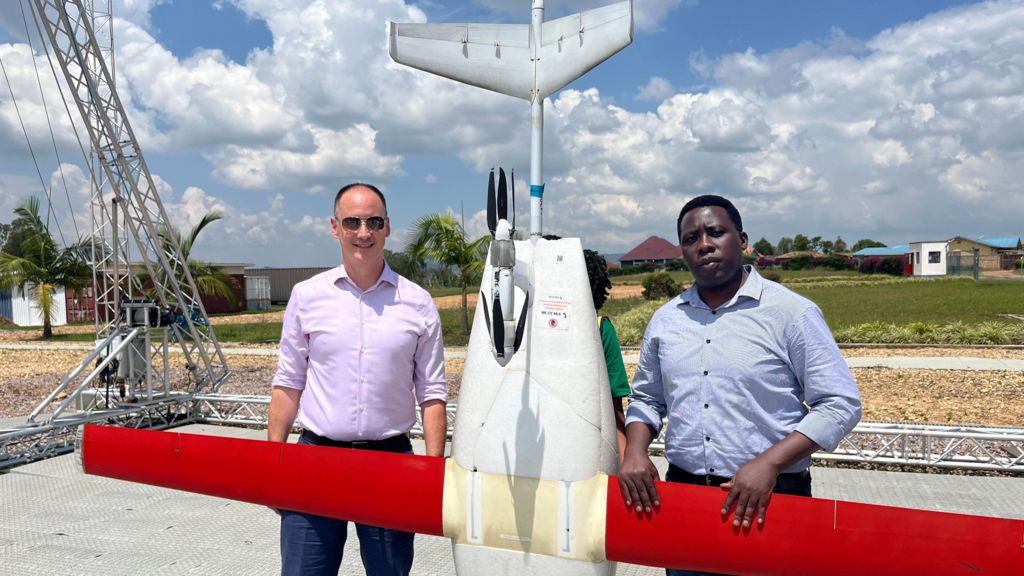
    Professor Chris Green, who divides his time between the NHS and the University of Birmingham, alongside PhD researcher Gilbert Rokundo from the Rwanda Biomedical Centre, has pioneered a solution using Rwanda’s established drone delivery infrastructure. The country already utilizes commercial drone services for transporting blood and medical supplies to inaccessible regions.

    The research demonstrates how fixed-wing drone aircraft, launched via catapult systems, can deliver temperature-sensitive vaccines from centralized storage facilities to remote clinics within 45 minutes anywhere in Rwanda. Medical staff simply text or email requests as patients arrive for immunization, with vaccines arriving via parachute-dropped shoebox-sized packages before registration processes are complete.

    This approach has dramatically reduced on-site vaccine storage needs by up to 90% in participating clinics while maintaining uninterrupted immunization services. The drones complete their missions by returning to stations where they are captured by wires between two towers, refueled, and prepared for subsequent flights.

    Although still in early data analysis stages, the project shows significant promise for expanding vaccine accessibility while reducing waste across developing regions with challenging terrain and unreliable infrastructure.

  • ‘You’re invisible, you don’t exist’ – life without a birth certificate

    ‘You’re invisible, you don’t exist’ – life without a birth certificate

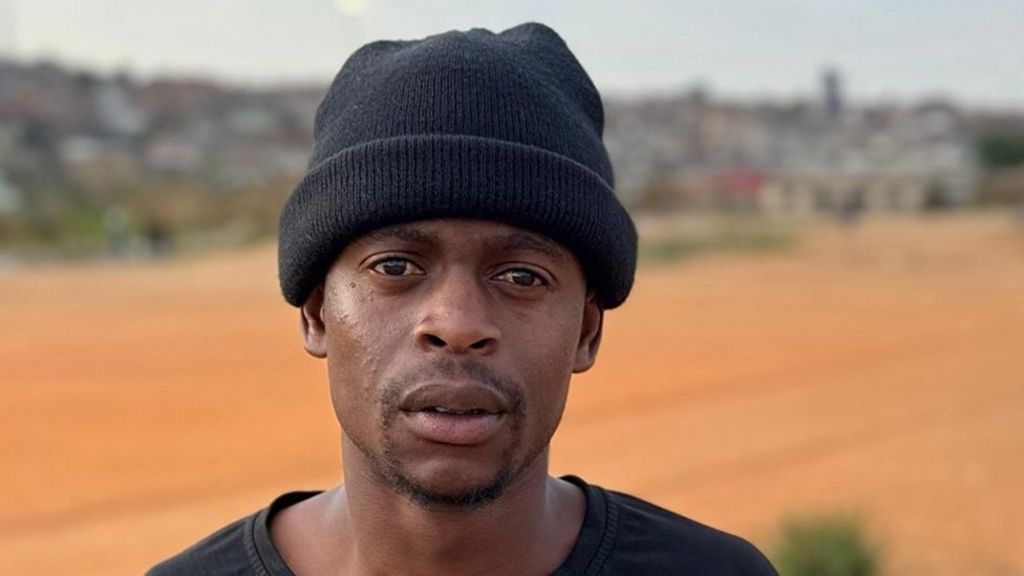
    In the shadows of South Africa’s bustling society, thousands face an invisible crisis—statelessness—that strips them of fundamental rights and opportunities. Arnold Ncube, a 25-year-old Johannesburg native, embodies this plight. Despite being born to a South African father, Arnold lacks state-issued identification, relegating him to menial work like car washing in Thembisa township. His dreams of education crumbled when he couldn’t produce a birth certificate for secondary school registration, a consequence of parental abandonment that left him without proof of identity.

    Arnold describes his existence as ‘living in the shadows,’ unable to open bank accounts, pursue formal employment, or access public services. His emotional turmoil mirrors that of an estimated 10,000 stateless individuals in South Africa, though unofficial estimates suggest global numbers reach 4.5 million, with some projections as high as 15 million.

    Christy Chitengu, a human rights lawyer who once faced statelessness herself, underscores the systemic barriers. Born to Zimbabwean parents in Johannesburg, she held a handwritten birth certificate unrecognized by authorities. At 17, she discovered her stateless status when school officials questioned her enrollment. Despite eligibility for Zimbabwean citizenship, bureaucratic hurdles—including age restrictions on late birth registration and travel constraints—left her stranded without nationality until Lawyers for Human Rights secured her South African citizenship three years ago.

    Statelessness stems from administrative gaps, poor record-keeping, and restrictive policies. South Africa’s Department of Home Affairs, responsible for immigration, remains unresponsive to inquiries about solutions. UNHCR expert Jesus Perez Sanchez emphasizes that statelessness isn’t merely legal but a developmental crisis, preventing individuals from contributing fully to society and the economy.

    Globally, experts advocate for policy reforms: allowing refugees to register children born on foreign soil and granting mothers equal rights to pass nationality to offspring. For Arnold, hope emerges through legal aid; a lawyer now assists his fight for documentation. He aspires to study computer science, believing citizenship could unlock a future beyond the shadows.

  • UAE leaders offer condolences to Bangladesh president over passing of Khaleda Zia

    UAE leaders offer condolences to Bangladesh president over passing of Khaleda Zia

    The United Arab Emirates’ highest leadership has formally expressed sympathy to Bangladesh following the death of former Prime Minister Khaleda Zia, who passed away on December 30, 2025, at age 80. UAE President Sheikh Mohamed bin Zayed Al Nahyan conveyed heartfelt condolences to Bangladeshi President Mohammed Shahabuddin, recognizing Zia’s significant role in the nation’s political landscape.

    Similar messages of sympathy were extended by Sheikh Mohammed bin Rashid Al Maktoum, Vice President and Ruler of Dubai, and Sheikh Mansour bin Zayed Al Nahyan, Vice President and Chairman of the Presidential Court, demonstrating the UAE’s diplomatic solidarity during Bangladesh’s period of national mourning.

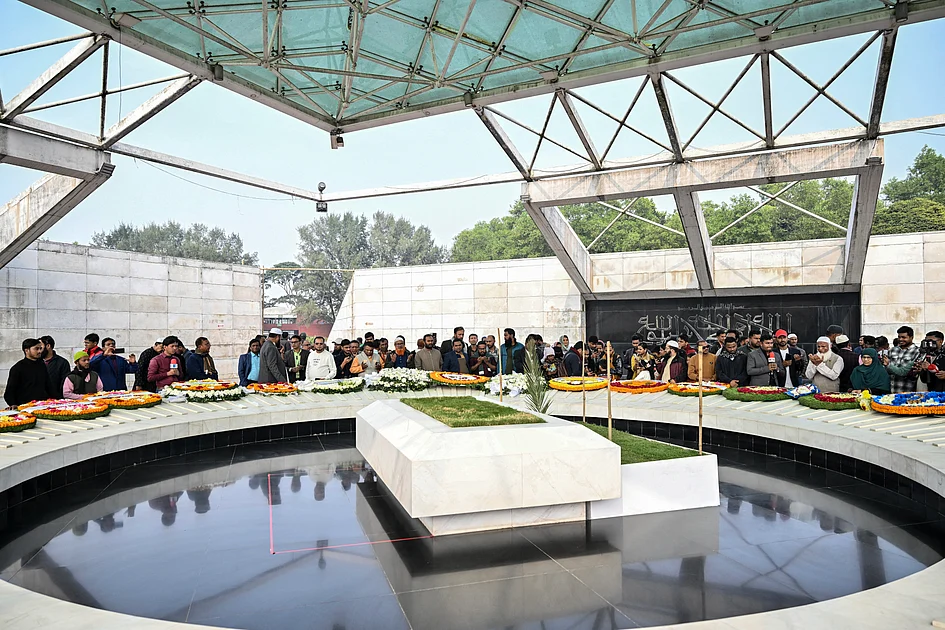
    The state funeral, held on December 31, 2025, attracted massive crowds honoring the political leader whose career spanned decades and profoundly shaped Bangladesh’s democratic trajectory. Zia’s Bangladesh Nationalist Party announced her passing amid what many believed would be her political comeback in upcoming February 2026 elections.

    Despite enduring years of health challenges and imprisonment on corruption charges under the government of her rival Sheikh Hasina, Zia remained politically active until her final days. Interim leader Muhammad Yunus had previously described her as “a source of utmost inspiration for the nation” and called for national prayers during her illness.

    Zia’s release from prison in 2024 coincided with the political transition that saw Hasina removed from power, setting the stage for what many anticipated would be Zia’s return to electoral politics before her untimely passing.