标签: Africa

非洲

  • Africa Cup of Nations 2027 set for June-July slot

    Africa Cup of Nations 2027 set for June-July slot

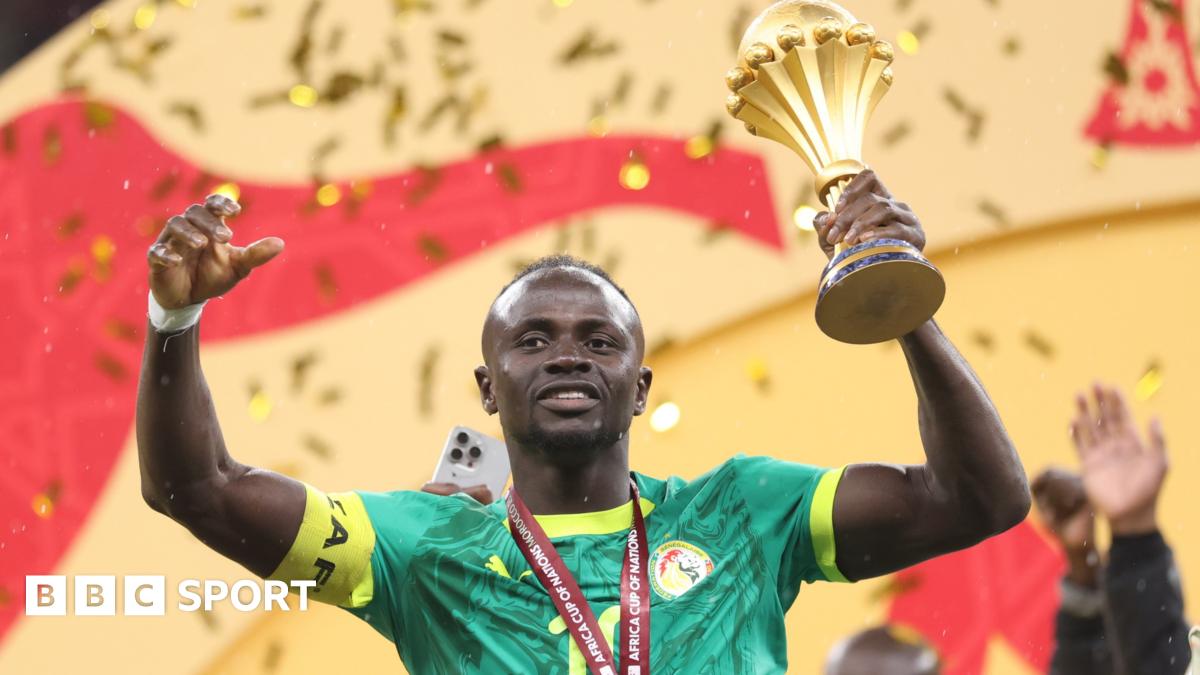
    The Confederation of African Football (CAF) President Patrice Motsepe has officially confirmed that the 2027 Africa Cup of Nations will proceed as scheduled in June and July next year, dismissing speculation about potential delays or relocation. The tournament will be jointly hosted by three East African nations: Kenya, Tanzania, and Uganda.

    Motsepe characterized reports suggesting possible postponement as “totally unfounded” during a press conference following CAF’s executive committee meeting in Dar es Salaam. “The AFCON next year in Kenya, Tanzania and Uganda is going to be enormously successful,” he stated, expressing strong confidence in the hosting capabilities of the three nations despite acknowledged infrastructure challenges.

    The announcement comes amid concerns regarding readiness of facilities in the host countries. Nicholas Musonye, chair of Kenya’s local organizing committee, previously suggested to AFP that a postponement until 2028 would benefit Kenya, which faces a general election in August 2027.

    CAF officials are currently conducting inspections of facilities and infrastructure across the three host nations, with assessments continuing through Tuesday. The tournament represents a return to mid-year scheduling after three consecutive editions were held during January-February or December-January windows to avoid conflicts with European club seasons.

    In additional developments, Motsepe confirmed that the AFCON tournament will transition to a four-year cycle beginning in 2028, replacing the previous biennial format. He also expressed aspirations to expand the competition from 24 to 28 teams in future editions.

    Regarding the 2026 Women’s Africa Cup of Nations, Motsepe indicated that Morocco remains the designated host despite offers from other nations to stage the tournament. He emphasized the importance of maintaining the scheduled March 17th start date as it serves as a qualifier for the 2027 Women’s World Cup.
  • Emirates reveals last scheduled date for UAE-Algeria flights

    Emirates reveals last scheduled date for UAE-Algeria flights

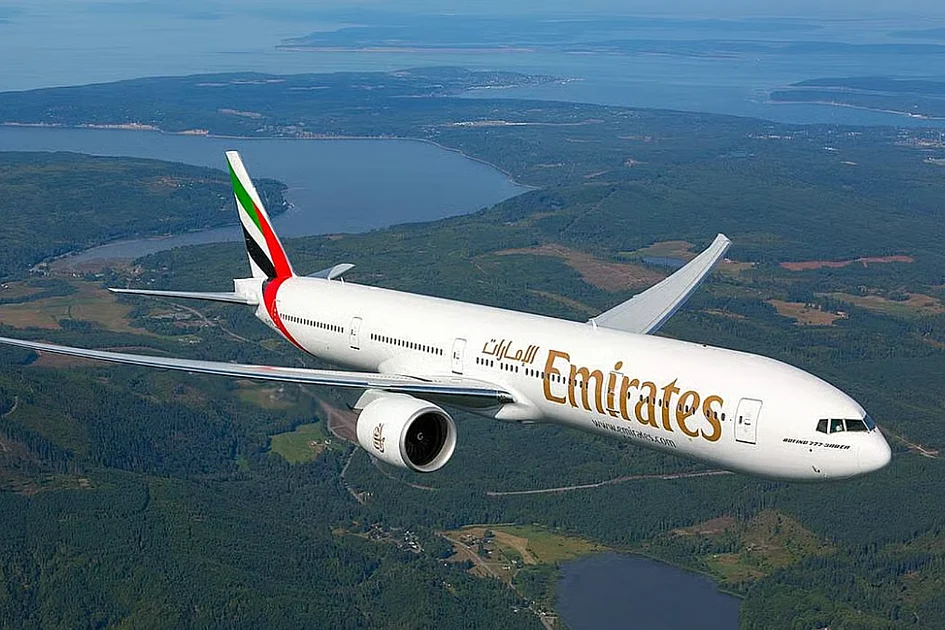
    Emirates airline has officially communicated through its social media platforms that all flights between the United Arab Emirates and Algeria continue to operate without disruption under the current schedule. The carrier has advised passengers with existing bookings to maintain their travel plans as arranged.

    The airline disclosed that its final scheduled service, Flight EK757 from Algiers, remains set for departure on February 3, 2027. Emirates emphasized its commitment to full compliance with any directives issued by government authorities, pledging to provide prompt updates to customers, employees, and partners should operational conditions change.

    This development follows Algeria’s recent initiation of procedures to terminate the Air Services Agreement established with the UAE in Abu Dhabi during 2013. The Algerian government announced this diplomatic action on February 8 without immediately disclosing specific reasons behind the decision.

    The General Civil Aviation Authority (GCAA) of the UAE has provided clarification regarding the diplomatic process, noting that the agreement remains legally binding throughout the mandated notice period. The authority emphasized that air traffic operations between the two nations continue unaffected currently, with all flights operating according to standard schedules.

    The GCAA further assured that coordination with relevant entities is being maintained through official channels, with the matter being handled through established legal and diplomatic protocols. Emirates has apologized for any potential inconvenience and recommended that passengers affected beyond the February 2027 date consult their booking agents to explore alternative travel options.

  • Ramadan 2026: Australia announces official start of holy month

    Ramadan 2026: Australia announces official start of holy month

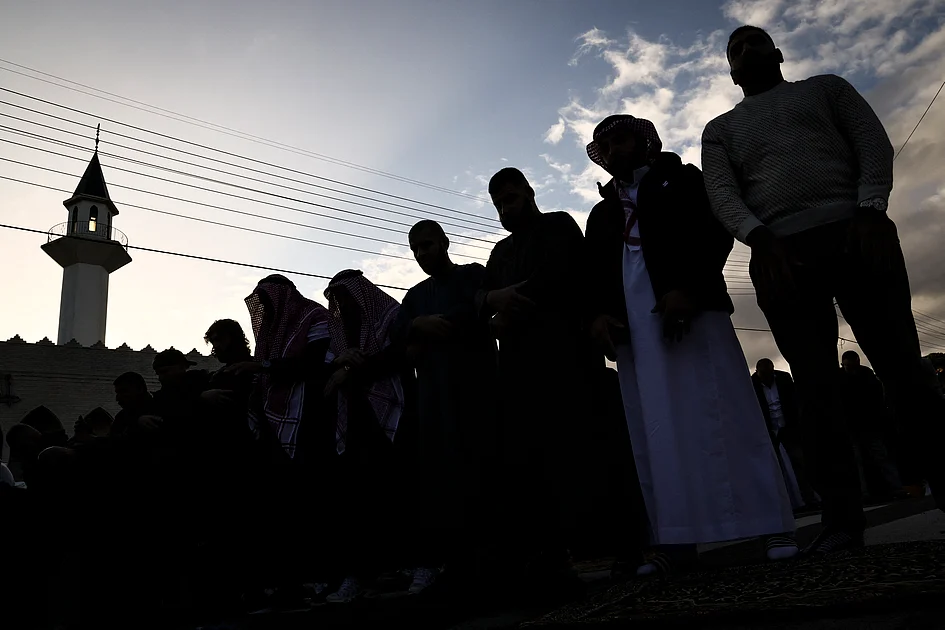
    The Australian Fatwa Council has formally declared the commencement of Ramadan 1447H, with the holy month officially beginning nationwide on Thursday, February 19, 2026. This announcement follows extensive consultations between national imams and religious authorities, establishing a unified timeline for the country’s Muslim community.

    Grand Mufti of Australia Dr. Ibrahim Abu Mohamad confirmed that while the first daytime fast occurs on Thursday, February 19, the initial nighttime observances including Taraweeh prayers will commence earlier, on Wednesday evening (February 18) following sunset and the Isha prayer. This distinction between daytime and nighttime rituals reflects the precise astronomical calculations governing the Islamic lunar calendar.

    The Council’s determination followed meticulous examination of celestial patterns, noting that on Tuesday, February 17, sunset in Sydney would occur at 7:45 PM AEST while the new moon would emerge later that evening at 11:01 PM. With the new moon’s appearance occurring after sunset across all Australian time zones, religious authorities confirmed Ramadan could not begin on February 17, instead setting the following evening for formal commencement.

    Australian Islamic authorities acknowledged potential variations in observance methods among different scholarly traditions while emphasizing the importance of community unity and mutual respect during the holy period. Dr. Abu Mohamad issued a special message encouraging Muslims to dedicate Ramadan to spiritual practices including fasting, prayer, and supplication, with particular emphasis on seeking peace for conflict-affected regions including Gaza.

    The Grand Mufti concluded with blessings for Australian Muslims and the global Islamic community, expressing hopes for accepted worship and meaningful observance throughout the sacred month.

  • South View School nurturing well rounded learners in a global community

    South View School nurturing well rounded learners in a global community

    Nestled in Dubai’s Remraam district, South View School has established itself as an exemplary British curriculum institution serving students from Early Years Foundation Stage through Sixth Form. The school distinguishes itself through its remarkably diverse student body, representing an impressive 89 nationalities that collectively create a multicultural learning environment unlike any other in the region.

    The educational philosophy at South View extends beyond academic achievement, emphasizing the development of confidence, character, and self-awareness in students. This holistic approach prepares learners for an increasingly interconnected world through a balanced curriculum that integrates sports, arts, leadership development, and community engagement opportunities alongside rigorous academic programs.

    Environmental consciousness forms another cornerstone of the school’s identity, with South View achieving LEED Gold Certification for its sustainable campus operations. As part of the Interstar Education network, the institution maintains student wellbeing and ecological responsibility as central priorities.

    The school currently holds a ‘Good’ rating from the Knowledge and Human Development Authority (KHDA), Dubai’s educational regulatory body. With annual tuition fees ranging from Dh 46,510 to Dh 66,519 for the 2025-2026 academic year, South View offers British curriculum education within a purpose-built facility designed to support comprehensive student development.

  • Arbor School Dubai: How performing arts builds belonging

    Arbor School Dubai: How performing arts builds belonging

    At Arbor School Dubai, performing arts transcends conventional enrichment activities to become a foundational pillar of student development. Unlike traditional educational approaches that relegate artistic expression to peripheral status, this institution integrates performance disciplines directly into its core educational philosophy, fostering profound personal growth from primary through secondary education levels.

    The school’s comprehensive program features annual concerts, assemblies, and large-scale theatrical productions that provide both onstage and backstage participation opportunities. These experiences strategically develop teamwork capabilities, personal responsibility, and creative self-expression—transferable skills that extend far beyond the performance venue.

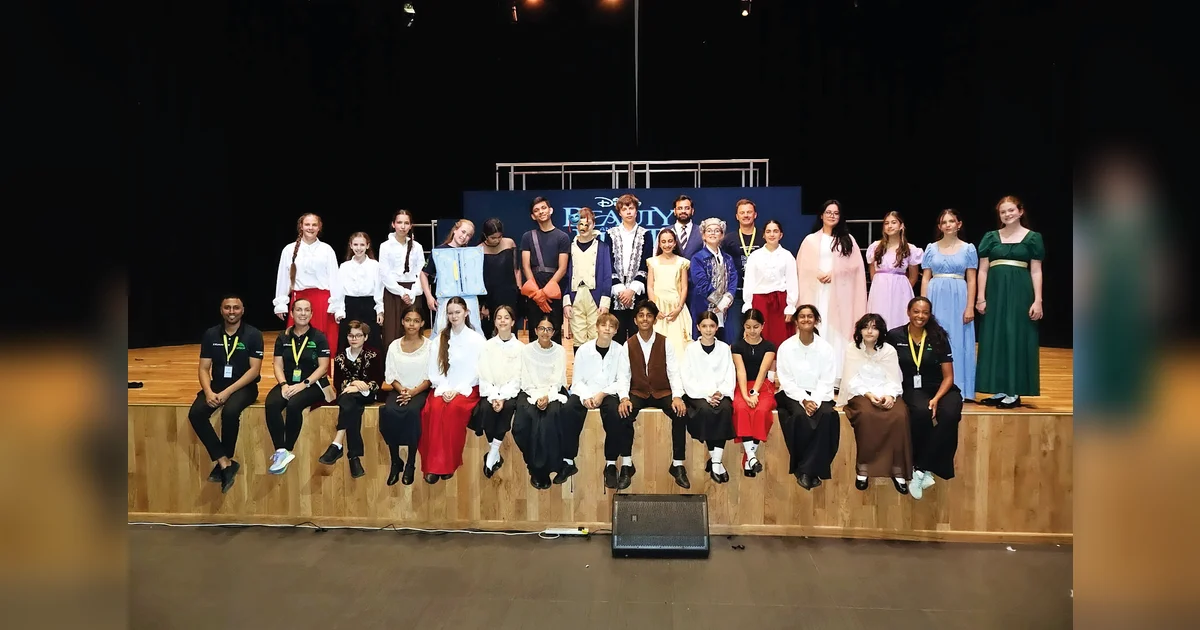
    A recent sold-out production of ‘Beauty and the Beast’ demonstrated this educational approach in practice. Involving approximately 30 students from Years 7 through 13, with additional participants managing props, set design, costumes, and technical elements, the production represented a nine-month collaborative effort beginning with weekly rehearsals in September.

    While audiences appreciated the professional-quality choreography and visual elements, the most remarkable aspect proved to be the visible confidence and pride exhibited by participating students. Educators observe transformative effects: previously reserved students now demonstrate leadership capabilities and represent the school with newfound assurance. Notably, several Year 7 students assumed leading roles during their first term of secondary education, developing competence through progressive rehearsal processes.

    Principal Gemma Thornley articulates the program’s philosophical foundation: ‘Performing arts provides young people with both voice and venue—cultivating belonging while building the confidence to step forward in theatrical and life contexts alike.’

    The production’s timing coincided strategically with Children’s Mental Health Week 2026, themed ‘This Is My Place.’ The school complemented performances with specialized lessons and activities reinforcing interpersonal connection, emotional wellbeing, and community belonging—values intrinsically embedded within Arbor’s performing arts curriculum.

  • A ‘ring of fire’ solar eclipse will dazzle people and penguins in Antarctica

    A ‘ring of fire’ solar eclipse will dazzle people and penguins in Antarctica

    A rare annular solar eclipse is set to cast its otherworldly glow over Antarctica this Tuesday, creating an exclusive astronomical event visible only to the continent’s resident researchers and wildlife populations. This celestial phenomenon, popularly known as a “ring of fire” eclipse, occurs when the moon positions itself directly between Earth and the sun while at its farthest orbital distance from our planet, leaving a brilliant ring of sunlight visible around the moon’s silhouette.

    Astronomer Joe Llama of Lowell Observatory noted that Antarctic penguins will be among the privileged viewers of this cosmic display, provided weather conditions remain favorable. While the full annular eclipse will only be visible from Earth’s southernmost continent, partial phases will be observable from the southern tips of Chile and Argentina, along with limited viewing opportunities in southeastern African nations including Madagascar, Lesotho, and South Africa.

    Astrophysicist Emily Rice from the City University of New York explained the remarkable celestial mechanics behind solar eclipses: “It’s this beautiful coincidence between the size and the distance of the moon and the sun that creates these perfect alignments.”

    Safety remains paramount for eclipse viewing. Experts emphasize that specialized eclipse glasses meeting ISO 12312-2 standards are essential for direct observation, as conventional sunglasses and binoculars provide insufficient protection against the sun’s harmful radiation. Alternative viewing methods include pinhole projectors created from household materials or using kitchen utensils like colanders to project eclipse images onto surfaces.

    The astronomical calendar continues with another significant event scheduled for August—a total solar eclipse that will traverse Greenland, Iceland, Spain, Russia, and portions of Portugal, with partial visibility across extensive regions of Europe, Africa, and North America.

  • UAE parents now choosing school with future jobs in mind, says UK expert

    UAE parents now choosing school with future jobs in mind, says UK expert

    A significant transformation is underway in the United Arab Emirates’ education sector as families increasingly prioritize long-term career preparedness over traditional academic metrics when selecting schools. According to Charles Bonas, founder of UK-based education consultancy Bonas MacFarlane, Emirati parents are now looking beyond immediate educational concerns to consider where their children will stand in the job market a decade from now.

    In exclusive remarks to Khaleej Times, Bonas revealed that expatriate families in Dubai and across the UAE are demonstrating heightened awareness of employability challenges, even for top graduates. This shift represents a fundamental change from just a few years ago when educational decisions primarily focused on transitional phases at ages 11 or 13.

    The education expert cautioned against overemphasizing school branding, a common tendency in Dubai’s rapidly expanding education market. Bonas emphasized that superior facilities and prominent brands cannot compensate for inadequate teaching quality, noting that many established UAE schools consistently achieve better university placement results than newer, high-profile institutions.

    Community trust and personal recommendations continue to play crucial roles in school selection, with proximity to home remaining a significant factor. However, parents are now adopting a more comprehensive approach that considers the uncertain future job landscape, particularly with the emergence of artificial intelligence and the potential disappearance of traditional mid-level professional roles.

    Bonas highlighted the unique advantages of international education in the UAE, describing how exposure to diverse cultural environments helps shape students into ‘citizens of the world’ equipped with adaptability, confidence, and global perspective. He characterized education as a shared responsibility between institutions and families, with many parents supplementing formal schooling with tutoring and enrichment activities.

    The consultant concluded by encouraging families to consider international educational experiences, noting that even brief exposure to global learning environments can provide substantial long-term benefits for personal and professional development.

  • South Africa to deploy troops to tackle crime gangs

    South Africa to deploy troops to tackle crime gangs

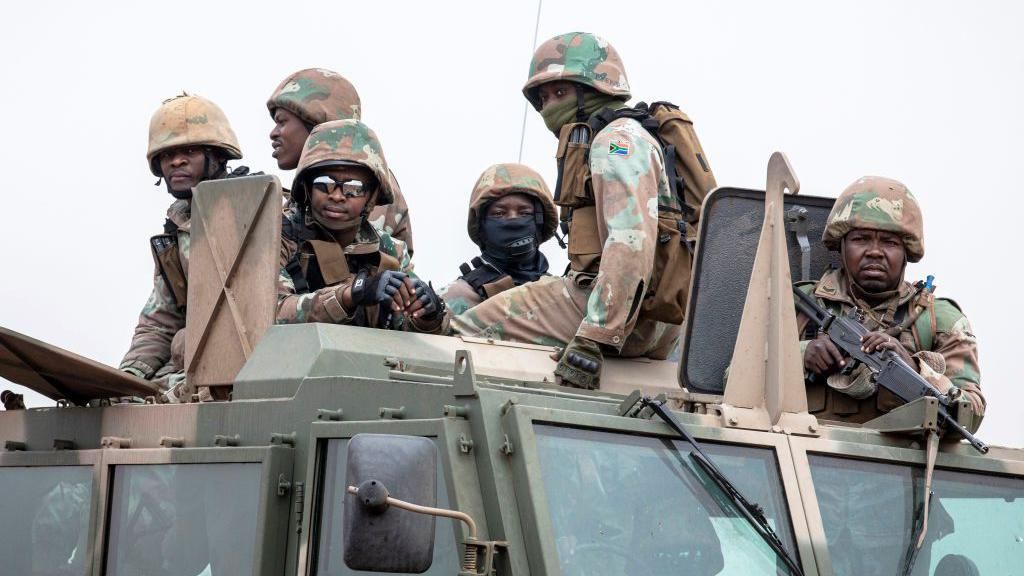
    In a decisive response to escalating criminal activities, South African President Cyril Ramaphosa has authorized the deployment of national defense forces to support police operations against organized crime syndicates. The announcement came during Thursday’s annual State of the Nation Address, where Ramaphosa identified organized crime as the most pressing threat to the nation’s democracy and economic stability.

    The military deployment will primarily focus on Western Cape and Gauteng provinces, regions experiencing intense gang warfare and rampant illegal mining operations. President Ramaphosa highlighted the severe human impact, noting that “children in the Western Cape are caught in the crossfire of gang wars” while “people are chased out of their homes by illegal miners in Gauteng.”

    The crisis reflects South Africa’s longstanding struggle with violent crime, with police data revealing an alarming average of 63 daily homicides between April and September last year. Authorities attribute much of the violence to armed, undocumented foreign nationals engaged in illegal mining operations, known locally as “zama zamas,” who frequently operate within sophisticated crime syndicates.

    Beyond military deployment, the government’s comprehensive security strategy includes recruiting 5,500 additional police officers, enhancing intelligence capabilities, and implementing targeted operations against criminal networks. This multifaceted approach acknowledges Police Minister Firoz Cachalia’s recent admission that conventional policing methods have proven insufficient against the country’s deeply entrenched organized crime problem.

    The decision to deploy military personnel represents a significant escalation in the government’s response to criminal violence, underscoring the severity of South Africa’s security challenges despite its status as Africa’s most industrialized nation.

  • Brilliant Muzarabani helps Zimbabwe stun Australia

    Brilliant Muzarabani helps Zimbabwe stun Australia

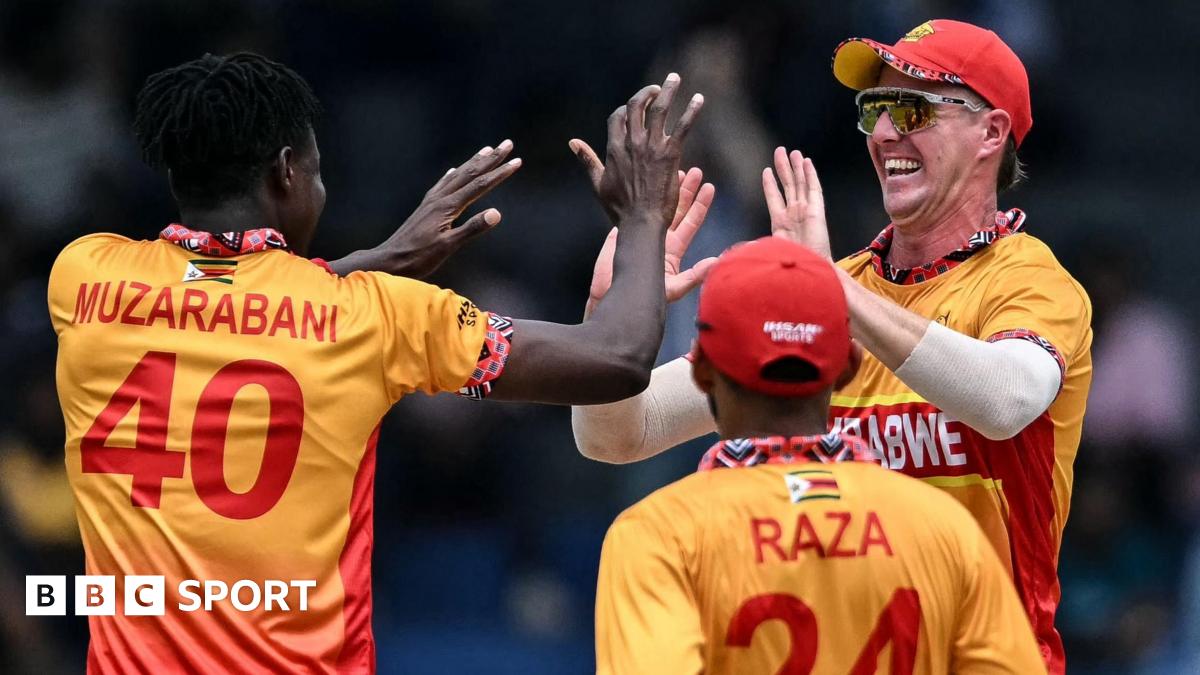
    In a stunning upset at the T20 World Cup, Zimbabwe delivered a masterclass in disciplined cricket to defeat tournament favorites Australia by 23 runs in Colombo. The Chevrons, led by an exceptional bowling performance from Blessing Muzarabani who claimed career-best figures of 4-17, defended a modest total of 169-2 with remarkable composure against the reigning champions.

    The match turned dramatically during Australia’s chase when Muzarabani and Brad Evans (3-23) dismantled the top order, reducing the Aussies to 29-4 within the powerplay. Despite a valiant 77-run partnership between Matthew Renshaw (65) and Glenn Maxwell (31) that briefly revived hopes, Zimbabwe’s bowlers maintained relentless pressure on a slow R. Premadasa Stadium pitch.

    The decisive moment arrived with eight balls remaining when the 6ft 8in pace bowler Muzarabani removed Renshaw, effectively sealing Australia’s fate. Zimbabwe’s fielding proved equally instrumental, with Clive Madande and Tony Munyonga producing spectacular boundary saves that conserved crucial runs.

    Zimbabwe’s batting approach, initially perceived as overly cautious, was vindicated by the result. Opener Brian Bennett anchored the innings with an unbeaten 64 from 56 balls, supported by aggressive cameos from Tadiwanashe Marumani (35 off 21) and Ryan Burl (30 off 30). Captain Sikandar Raza provided late impetus with 25 not out from just 13 deliveries.

    The victory marks Zimbabwe’s second T20 World Cup win against Australia, repeating their 2007 triumph at Newlands. The result leaves Group B delicately balanced after two matches, with Australia now trailing both Zimbabwe and Sri Lanka by two points ahead of their crucial encounter on Monday.

    Raza emphasized the team’s cultural foundation post-match: ‘The unity we’ve created makes me extremely proud. The boys really deserved this victory, but we must now focus on our next challenge.’

    For Australia, stand-in captain Travis Head remained philosophical: ‘We’ve found ourselves in this position before and will look to navigate this situation using our previous experiences.’

    The upset represents one of Zimbabwe’s most significant cricketing achievements in recent years, demonstrating their growing capability to compete with elite international sides.

  • China’s efforts in African infrastructure hailed

    China’s efforts in African infrastructure hailed

    ADDIS ABABA, Ethiopia – China has earned recognition as a pivotal infrastructure financing ally across Africa, with continental leaders advocating for deepened collaborations that align with domestic industrial expansion and increased mobilization of indigenous capital. The assessment emerged during high-level discussions preceding the 39th African Union Summit, scheduled for this weekend in the Ethiopian capital.

    Lerato Dorothy Mataboge, Commissioner for Infrastructure and Energy at the African Union Commission, emphasized China’s substantial contributions to Africa’s infrastructural advancement, describing it as fundamental to sustainable development. “This positions China as a strategic partner in efforts to bridge long-standing infrastructure gaps,” Mataboge stated in an exclusive interview with China Daily.

    The commissioner outlined a vision for future cooperation that transcends mere financing, focusing instead on alignment with Africa’s industrial ambitions through strengthened local content requirements, skills transfer, and domestic value addition. She revealed that African governments currently bear the majority of infrastructure expenditures, with private sector participation remaining constrained.

    Highlighting the continent’s substantial untapped financial resources, Mataboge cited an estimated $4.6 trillion in domestic capital that remains largely unexploited for infrastructure development. She urged African nations to leverage pension funds and other capital pools, typically invested in low-risk instruments, toward productive infrastructure sectors.

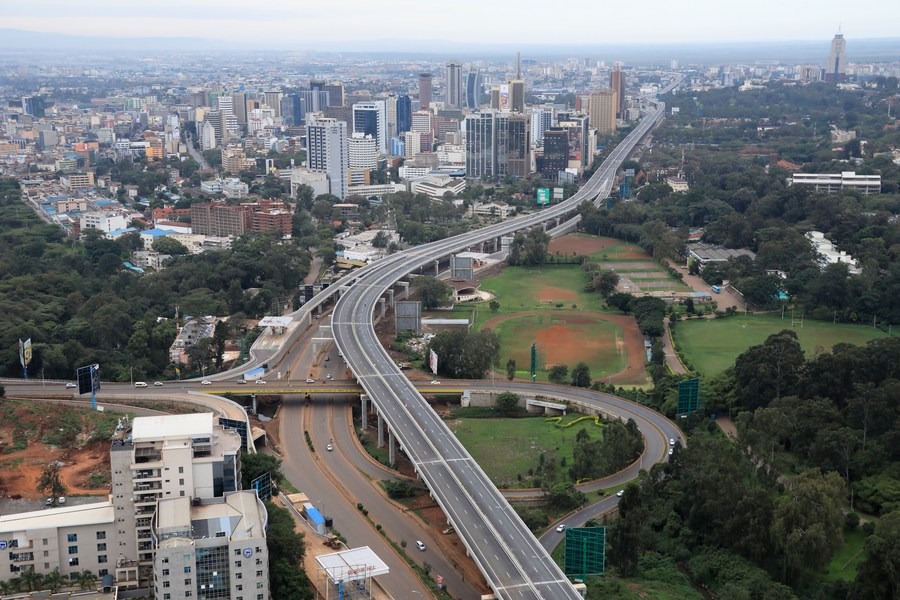
    Through initiatives like the Belt and Road Initiative, China has extensively invested in Africa’s transportation networks, energy systems, and port facilities, completing numerous landmark projects over the past decade. The upcoming AU Summit, themed “Assuring Sustainable Water Availability and Safe Sanitation Systems to Achieve the Goals of Agenda 2063,” will address infrastructure investments supporting long-term economic transformation.

    African Union Commission Chairperson Mahmoud Ali Youssouf reinforced the need for innovative financing mechanisms and strengthened partnerships with private entities and civil society. He reaffirmed that the African Continental Free Trade Area and AU institutions remain central to advancing regional integration, infrastructure expansion, and cross-border trade.

    United Nations Under-Secretary-General Claver Gatete underscored infrastructure’s critical role in promoting socioeconomic development, noting that water accessibility remains a severe challenge. Gatete revealed that over 300 million Africans lack access to safe drinking water, while nearly 780 million experience inadequate sanitation, resulting in waterborne diseases that claim lives and impair economic productivity.

    “Without reliable water infrastructure, industrial zones struggle to compete, logistics hubs cannot scale efficiently, and urban economies face limits to sustainable growth,” Gatete emphasized, advocating for integrated development approaches where infrastructure, finance, trade, and industrial policy operate cohesively.

    Mataboge concluded by urging member states to synchronize national infrastructure plans with continental priorities, ensuring policy continuity beyond electoral cycles and accelerating Africa’s industrial transformation.