标签: Africa

非洲

  • African soccer confederation strips Senegal of Africa Cup title and declares Morocco the champion

    African soccer confederation strips Senegal of Africa Cup title and declares Morocco the champion

    In an unprecedented decision that has sent shockwaves through African football, the Confederation of African Football (CAF) has stripped Senegal of its Africa Cup of Nations victory and awarded the title to Morocco. The dramatic reversal comes months after Senegal’s contentious 1-0 extra-time victory in the January 18 final held in Rabat.

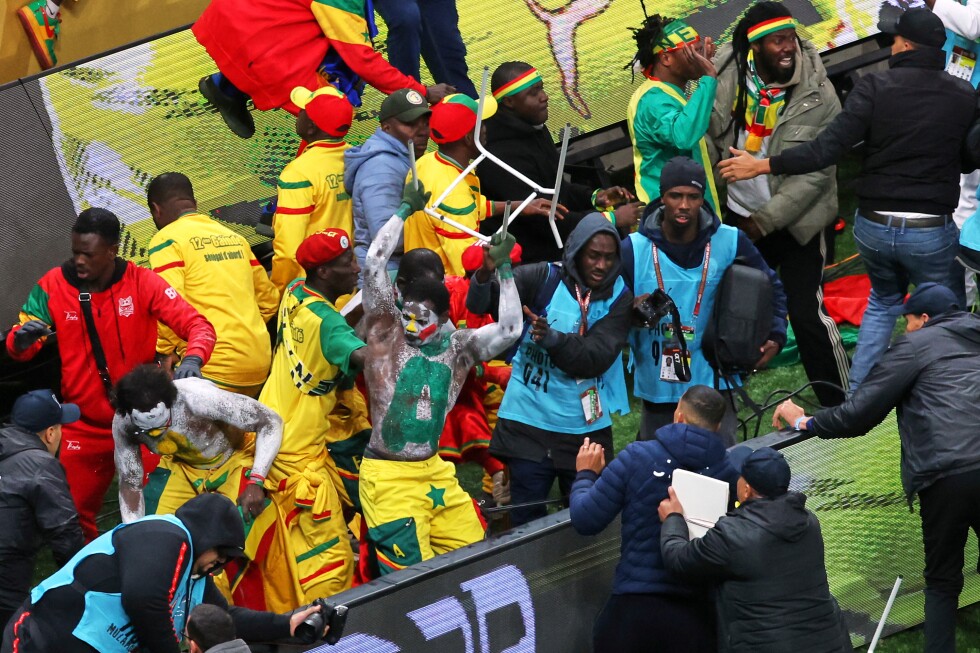
    The governing body’s appeals board ruled that Senegal must forfeit the final due to their players leaving the field during stoppage time in protest of a controversial penalty awarded to Morocco. According to tournament regulations, this constitutes an abandonment, resulting in an automatic 3-0 default victory for the host nation.

    The chaotic final match saw tensions escalate when Moroccan forward Brahim Diaz attempted a Panenka-style penalty kick after Senegal’s players had temporarily walked off the pitch. Goalkeeper Édouard Mendy’s crucial save preserved the deadlock until extra time, where Senegal eventually scored the decisive goal. However, the match was already marred by controversy after officials disallowed an apparent Senegal goal minutes earlier for a questionable foul.

    Senegal’s football federation has vehemently denounced the decision, with Secretary General Abdoulaye Seydou Sow calling it ‘a shame for Africa’ and vowing to appeal to the Court of Arbitration for Sport (CAS). The federation maintains that the ruling lacks legal foundation and represents a ‘travesty of justice.’

    The outcome grants Morocco its first African championship since 1976, while denying Senegal what would have been their second title in three years. Both teams are scheduled to compete in the 2026 World Cup, with any potential CAS appeal unlikely to be resolved before the tournament begins.

    The controversy has exposed deep divisions within African football governance, raising questions about the application of tournament regulations versus referee authority on field decisions. The case represents one of the most significant administrative interventions in the history of the continental championship.

  • Belgian court orders trial of ex-diplomat for Congo independence icon Patrice Lumumba’s killing

    Belgian court orders trial of ex-diplomat for Congo independence icon Patrice Lumumba’s killing

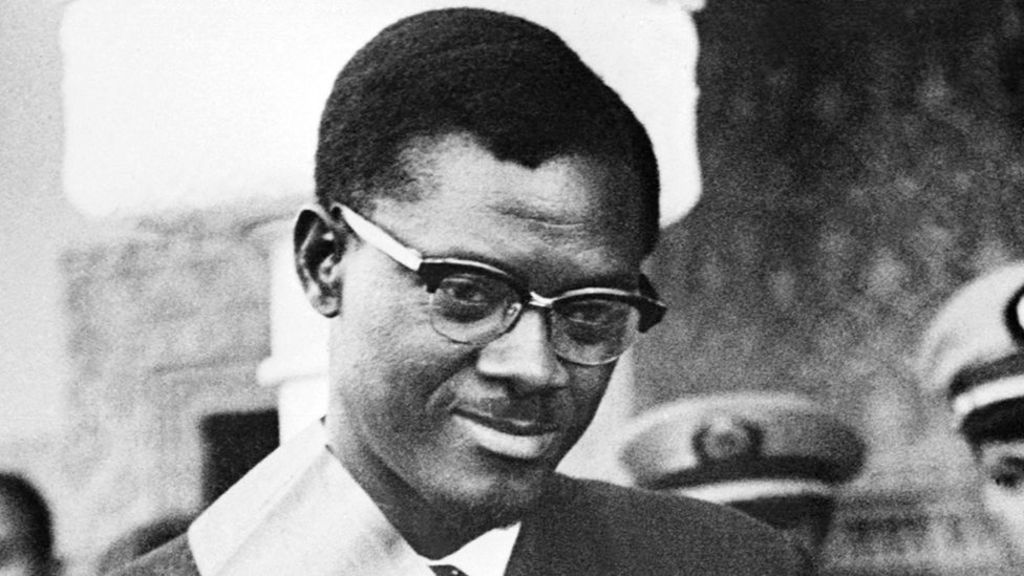
    In a landmark judicial decision addressing Belgium’s colonial past, a Belgian court has mandated that 93-year-old former diplomat Étienne Davignon stand trial for alleged involvement in the 1961 assassination of Patrice Lumumba, Congo’s first prime minister and independence leader. This unprecedented ruling marks one of the few instances where Belgian authorities have pursued legal action concerning the nation’s controversial colonial history in Congo.

    Lumumba, a seminal figure in Congo’s struggle for independence from Belgian rule, served merely three months as prime minister before being ousted from power and subsequently killed at age 35. His brief tenure in 1960 represented a transformative moment for the mineral-rich nation’s sovereignty movement.

    Davignon, who served as a junior diplomatic intern in Kinshasa (then Léopoldville) during Lumumba’s administration, stands as the sole surviving individual among ten Belgians suspected of participation in the assassination plot. The Belgian federal prosecutor’s office has formally charged the former European Commission vice president with “participation in war crimes” specifically related to Lumumba’s “unlawful detention and transfer.”

    The judicial development follows a decade-long legal pursuit initiated by Lumumba’s children, who filed a case in Belgian courts in 2011 seeking accountability for their father’s death. Although Lumumba was ultimately killed by Congolese separatists in January 1961, historical evidence has consistently suggested complicity by both Belgian and American authorities due to Lumumba’s perceived Communist sympathies during the Cold War era.

    The case remains particularly haunting as Lumumba’s body was never recovered, with historical accounts indicating it may have been dissolved in acid following his execution. Davignon maintains two weeks to appeal the charges and has previously denied any wrongdoing in connection with Lumumba’s death.

  • 2 men found with hundreds of ants are charged with illegally dealing in wildlife in Kenya

    2 men found with hundreds of ants are charged with illegally dealing in wildlife in Kenya

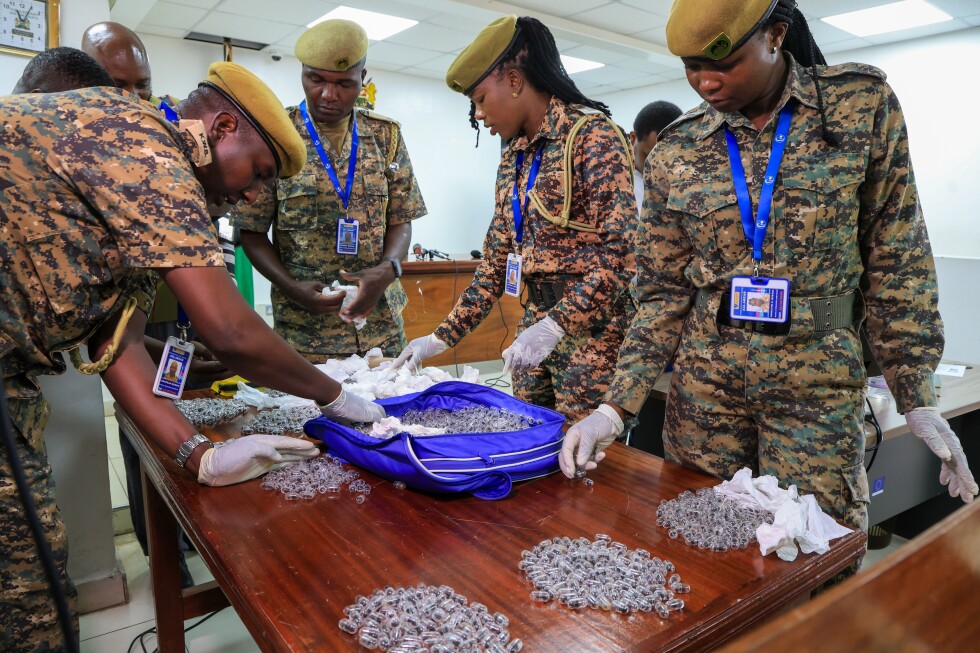
    NAIROBI, Kenya — Kenyan authorities have intensified their campaign against wildlife trafficking following the recent prosecution of an international smuggling operation specializing in ant species. The latest case involves Chinese national Zhang Kequn and Kenyan citizen Charles Mwangi, who faced multiple charges in a Nairobi courtroom on Tuesday for illegal wildlife trading and conspiracy to commit felony offenses.

    Court documents reveal the sophisticated nature of the operation, with prosecutors detailing how Kequn allegedly purchased initial batches of 600 and 700 ants from Mwangi for 60,000 Kenyan shillings ($463) and 70,000 shillings ($540) respectively. The investigation culminated on March 10 with the discovery of 1,948 garden ants meticulously stored in specialized laboratory tubes and an additional 300 specimens concealed within tissue rolls.

    This case represents the continuing pattern of ant trafficking that Kenyan authorities identified last year as an emerging conservation threat. The insects are reportedly destined for markets in Europe and Asia, though officials have not yet determined whether the ants are sought as exotic pets, for scientific purposes, or other applications.

    Defense attorney David Lusweti, representing Kequn, asserted that the defendants were unaware they were violating Kenyan wildlife protection statutes. “They recognized potential commercial opportunities for international sales and believed they could establish legitimate livelihoods through this trade,” Lusweti told reporters.

    The case echoes previous incidents, including last year’s prosecution of two Belgian teenagers found with 5,000 ants in test tubes—a shipment Kenyan authorities valued at approximately 1 million shillings ($7,700). In a separate 2023 case, a Kenyan and Vietnamese national faced similar charges for possessing 400 ants.

    The Kenya Wildlife Service has expressed serious concerns about these developments, emphasizing that illegal ant exports compromise national sovereignty over biological resources and deprive local communities and research institutions of potential ecological and economic benefits. Both suspects remain in custody as investigations continue.

  • Belgian court clears way for trial over 1961 killing of Congo PM Lumumba

    Belgian court clears way for trial over 1961 killing of Congo PM Lumumba

    In a landmark judicial development, a Brussels court has authorized the prosecution of former European Commission vice-president Étienne Davignon for alleged involvement in the 1961 killing of Patrice Lumumba, the Democratic Republic of Congo’s first prime minister. The 93-year-old diplomat, who served as a junior official at the time of Lumumba’s death, now faces charges related to the unlawful detention, transfer, and degrading treatment of the iconic independence leader.

    This unprecedented legal action represents the culmination of a twelve-year judicial process initiated by Lumumba’s descendants in 2011. Davignon stands as the sole surviving defendant among ten Belgian nationals originally implicated in the case concerning the assassination of Africa’s prominent anti-colonial figure.

    The historical context reveals a complex tapestry of Cold War politics and colonial backlash. Lumumba, who assumed leadership upon Congo’s independence in June 1960, directly challenged Belgian interests during his famous independence day address where he condemned colonial oppression before King Baudouin and other dignitaries. His progressive vision and determination to assert Congolese sovereignty made him a target for multiple Western powers, despite his denial of communist affiliations.

    Evidence indicates that Lumumba’s removal from power through a September 1960 coup was followed by his capture and eventual execution by firing squad in January 1961. His body was subsequently dissolved in acid to prevent memorialization—a brutal act that symbolized the extreme measures taken to eliminate his political influence.

    International investigations, including a 1975 U.S. Senate inquiry, confirmed that both Belgian authorities and American intelligence agencies had developed plans to neutralize Lumumba, though ultimately Belgian-backed Congolese forces carried out the killing.

    The current judicial proceeding follows Belgium’s formal acknowledgment of institutional responsibility for Lumumba’s death, with official apologies extended to both his family and the Congolese government. Mehdi Lumumba, the leader’s grandson, characterized the court’s decision as a moment of historical reckoning, expressing collective relief that Belgium is finally confronting its colonial past. The ruling remains subject to potential appeal, maintaining legal uncertainty around whether the trial will ultimately proceed.

  • Aspiring female Zambian politicians asked for sexual favours, official says

    Aspiring female Zambian politicians asked for sexual favours, official says

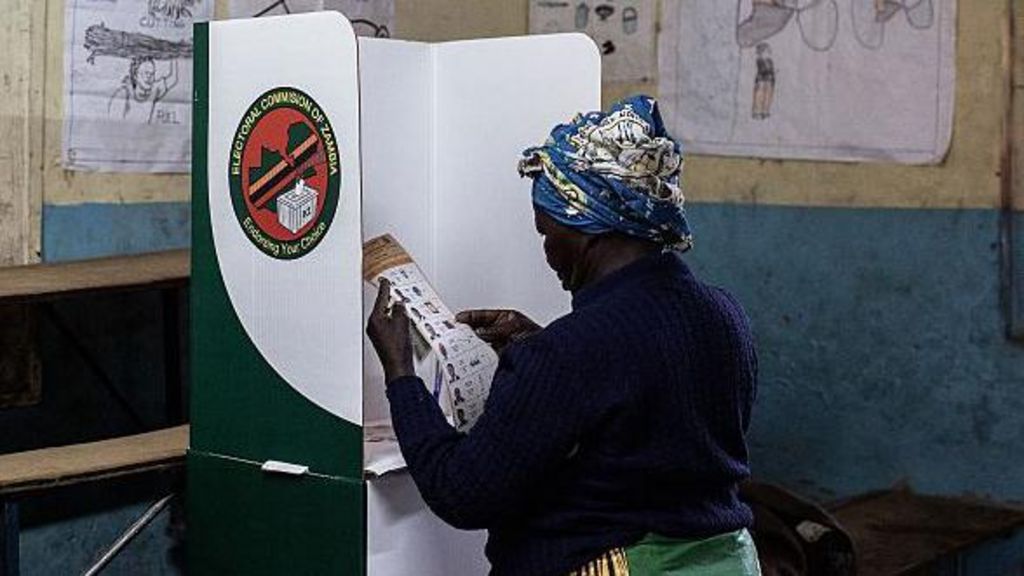
    A senior Zambian gender official has exposed disturbing allegations that female political aspirants are being pressured to provide sexual favors in exchange for party nominations ahead of the August general elections. Mainga Kabika, who heads the gender office within Zambia’s presidency, publicly urged aspiring female candidates to document all instances of such misconduct during a conference with state prosecutors on Monday.

    While Kabika refrained from identifying specific political parties involved, she confirmed receiving numerous messages from women reporting these exploitative practices. “I can verify that I am presently receiving extensive documentation regarding these demands for sexual favors in exchange for candidate adoption,” Kabika stated, emphasizing the unacceptable nature of these transactions.

    This revelation highlights Zambia’s profound gender imbalance in political representation, where women constitute merely 15% of parliamentary seats. Presidential office statements have previously acknowledged that this underrepresentation stems from “deep-rooted cultural and structural barriers.”

    Beauty Katebe, Chairperson of the Non-Governmental Gender Organisations Coordinating Council, characterized these practices as “sextortion” and noted their chilling effect on women’s political participation. “This situation severely discourages women from engaging in politics, particularly as candidates,” Katebe told the BBC.

    Despite some high-profile appointments including Vice-President Mutale Nalumango, gender disparities remain stark across Zambian leadership. Only 28% of civil service directors and five out of 36 state-owned enterprise CEOs are women.

    Katebe advocated for legal reforms and specialized courts to expedite handling of harassment cases, noting cultural biases and victim embarrassment complicate reporting. “If perpetrators were exposed, these practices would certainly cease,” she asserted, blaming patriarchal tendencies within political structures for suppressing female participation.

    The August 13 elections will determine Zambia’s presidency, parliamentary representatives, and local government officials amid these ongoing challenges to gender equity in politics.

  • A timeline of attacks in Nigeria’s northeastern Borno state

    A timeline of attacks in Nigeria’s northeastern Borno state

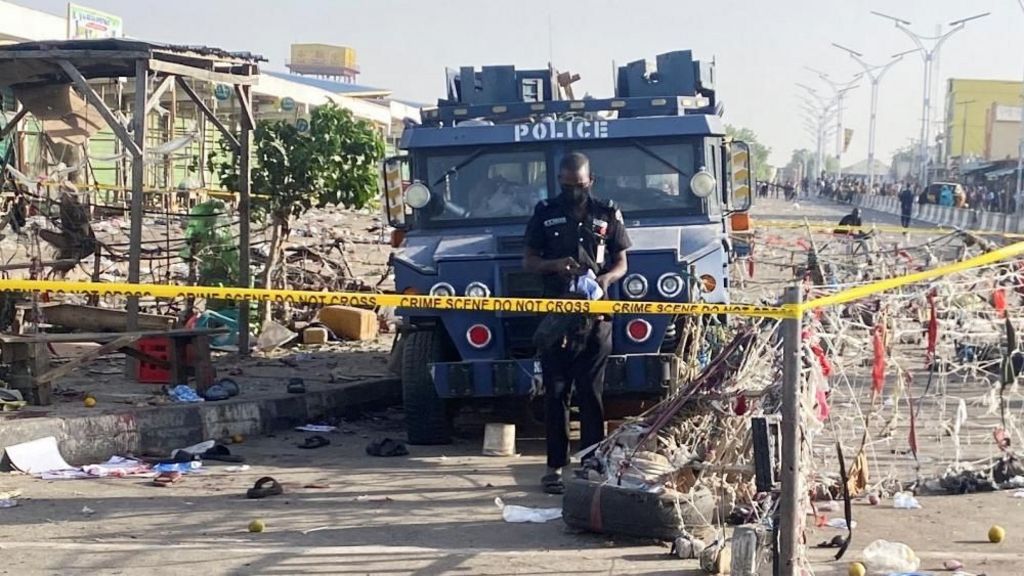
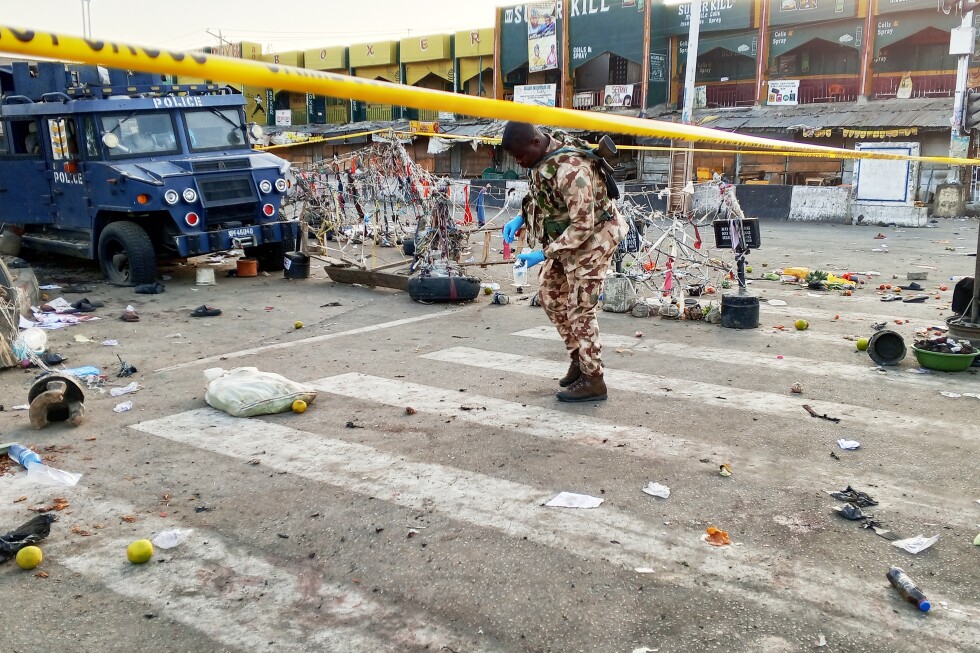
    LAGOS, Nigeria — Northeastern Nigeria was struck by a devastating series of coordinated suicide bombings on Monday night, resulting in one of the deadliest attacks in recent memory for the conflict-ravaged region. Nigerian police confirmed Tuesday that at least 23 people were killed and more than 100 others sustained injuries in the simultaneous assaults that targeted multiple locations throughout Maiduguri, the capital of Borno state.

    The attack marks the latest in a prolonged pattern of violence that has plagued the region. The bombings specifically targeted a hospital and two separate markets, maximizing civilian casualties during peak hours of activity. While no group has immediately claimed responsibility, the tactical use of multiple suicide bombers aligns with the operational signature of Boko Haram and its splinter factions.

    This tragedy continues a grim chronology of violence in Borno state:

    – February 23, 2021: Suspected militants launched rocket-propelled grenades into populated areas including a university campus, killing 10
    – June 29, 2024: Female suicide bombers attacked a wedding, funeral, and hospital in Gwoza, leaving 32 dead and over 100 injured
    – January 26, 2025: A vehicle-borne explosive targeted Nigerian military convoys, resulting in significant soldier casualties
    – June 20, 2025: Restaurant bombing in Konduga killed 10 civilians
    – September 5, 2025: Nighttime assault on Darul Jamal village claimed over 60 lives
    – December 24, 2025: Mosque bombing during prayers killed 5 worshippers
    – January 26, 2026: Military ambush near Damasak resulted in 7 soldiers killed and 13 captured
    – March 16, 2026: Current multi-target bombing campaign across Maiduguri

    The persistent violence demonstrates the ongoing security challenges facing Nigerian forces despite government claims of containing extremist groups. The attacks specifically targeting civilian infrastructure and gatherings reflect a strategic shift toward maximizing psychological impact and undermining public confidence in security measures.

  • Suspected suicide attacks kill at least 23 in north-east Nigeria

    Suspected suicide attacks kill at least 23 in north-east Nigeria

    In a devastating security breach, the northeastern Nigerian city of Maiduguri was struck by multiple suspected suicide bombings on Monday evening, resulting in significant casualties and shattering a period of relative calm. According to official police statements, the coordinated attacks claimed at least 23 lives and left 108 individuals wounded.

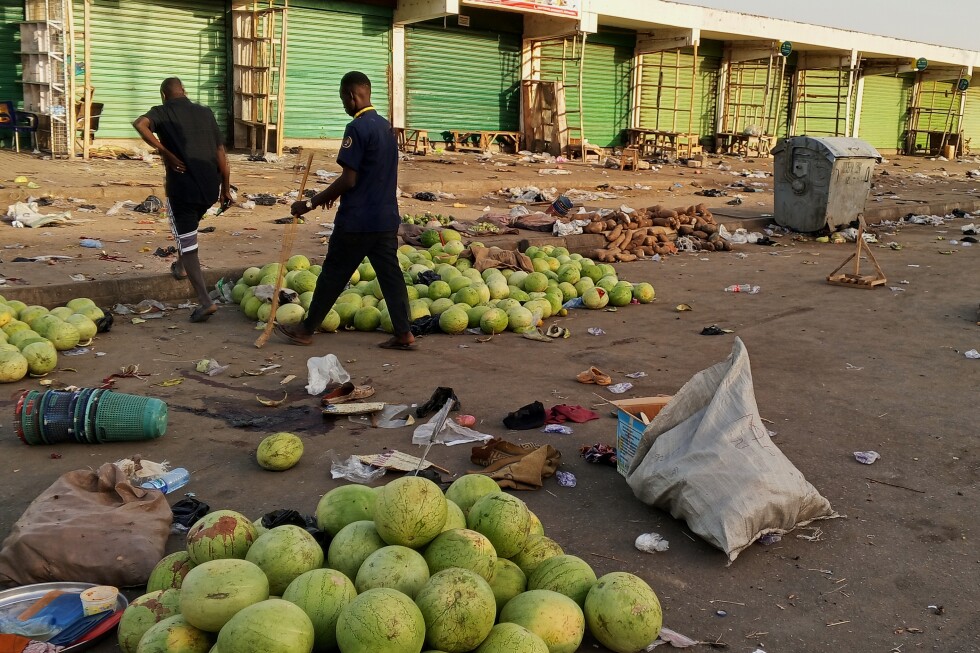
    The assaults targeted several of the city’s most frequented locations in rapid succession around 19:30 local time. The University of Maiduguri Teaching Hospital, a bustling weekly market, and a central post office were all hit within minutes of each other. These areas were particularly crowded with residents who had gathered following the breaking of the Ramadan fast.

    This series of explosions marks the most severe attack Maiduguri has experienced in recent years, delivering a profound psychological blow to a community that had begun to believe the worst of Islamist militant violence was behind them. The city, once the epicenter of Boko Haram’s insurgency, had enjoyed improved security following intensified military operations that pushed armed groups toward remote border regions.

    Borno state police confirmed in an official communiqué that preliminary investigations point to suicide bombers as the perpetrators, with efforts underway to definitively identify those responsible. Eyewitness Modu Bukar described the chaotic scenes following the market explosion: ‘We were sitting when we suddenly heard a loud explosion. Everyone immediately started running in fear. As we ran, people kept shouting that we should keep going.’

    Nigerian President Bola Tinubu issued a strong condemnation of the attacks on Tuesday, vowing that ‘Nigeria will not succumb to fear’ and promising that the culprits would be ‘located, confronted, and completely defeated.’

    The bombings occurred just hours after security forces repelled an overnight assault by suspected Islamist fighters on a military post in Maiduguri’s outskirts. The strategic coordination and urban penetration demonstrated in Monday’s attacks have raised serious concerns among officials about the persistent threat of violence, despite ongoing efforts by emergency and security agencies to reinforce citywide safety measures.

  • Police in Nigeria suspect suicide bombers in deaths of at least 23 people in Maiduguri

    Police in Nigeria suspect suicide bombers in deaths of at least 23 people in Maiduguri

    MAIDUGURI, Nigeria — A series of coordinated suicide bombings ripped through northeastern Nigeria on Monday night, killing at least 23 people and wounding 108 others in one of the deadliest attacks to strike the conflict-ravaged city of Maiduguri in recent years.

    According to Borno state police spokesperson Nahum Kenneth Daso, the explosions targeted densely populated areas including a major marketplace and the entrance to the University of Maiduguri Teaching Hospital. The attacks occurred during peak evening hours when civilians were most vulnerable.

    While no militant organization has immediately claimed responsibility, suspicion has fallen upon the Boko Haram jihadist network and its splinter factions. The group initiated its violent insurgency in 2009 to impose its extreme interpretation of Islamic law across northeastern Nigeria.

    The bombings mark a significant escalation in violence against civilian targets in Maiduguri, which had experienced relative calm in recent years despite ongoing extremist activities in surrounding rural areas. Emergency services faced overwhelming casualties, with volunteers urgently appealing for blood donations to treat the wounded.

    This tragedy occurs amid a broader pattern of intensified assaults by extremist factions against Nigerian military installations. These attacks have resulted in the deaths of numerous senior officers and soldiers while systematically depleting armory stocks across the region.

    The Islamic State West Africa Province (ISWAP), a Boko Haram splinter group with ties to the Islamic State, has emerged as particularly potent threat. Analysts note the group’s evolving tactics and growing military capabilities pose significant challenges to regional security forces.

  • Hundreds of migrants are vanishing in the Mediterranean. Authorities are withholding information

    Hundreds of migrants are vanishing in the Mediterranean. Authorities are withholding information

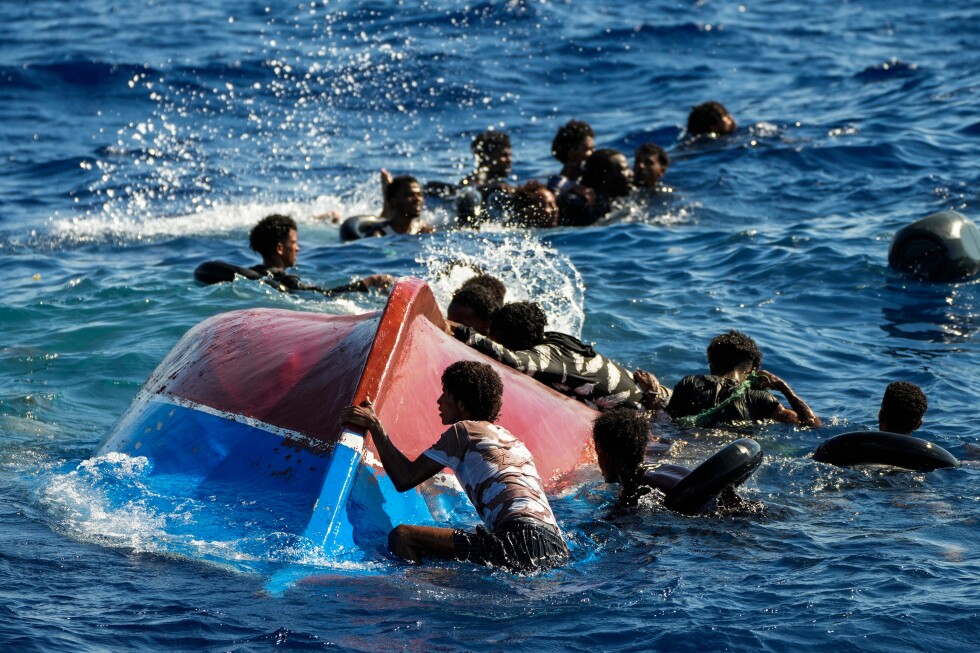
    A humanitarian catastrophe is unfolding across the Mediterranean Sea as migrants attempting to reach European shores vanish in record numbers through what aid organizations term ‘invisible shipwrecks.’ Government authorities in Italy, Tunisia, and Malta have systematically restricted information flow regarding migrant rescues and maritime disasters along the world’s deadliest migration route.

    The first quarter of 2026 has witnessed an unprecedented death toll, with the United Nations’ International Organization for Migration confirming at least 682 missing persons as of March 16—the deadliest opening period ever recorded. However, human rights groups assert the actual figure is substantially higher due to systematic underreporting and verification challenges.

    This information vacuum intensified following Cyclone Harry’s devastating impact in late January, which generated 9-meter waves and 100 kph winds across the central Mediterranean. Despite reports from Refugees in Libya indicating over 1,000 missing migrants after the storm, national authorities have neither confirmed nor denied these allegations.

    Julia Black, who leads IOM’s Missing Migrants Project, revealed the organization has created a secondary dataset for unverifiable cases due to the escalating information gap. ‘Last year, at least 1,500 reported missing persons could not be confirmed,’ Black stated, noting that 2026 has already produced over 400 such cases.

    The Associated Press conducted multiple inquiries with Italian, Tunisian, and Maltese authorities regarding their rescue policies and information disclosure practices. None provided substantive responses.

    Matteo Villa, migration researcher at the Italian Institute for International Political Studies, characterized the situation as ‘a strategy of silence’ designed to suppress public awareness. This opacity extends to Tunisia, which ceased sharing interception data in 2024 after previously publicizing numbers under a EU migration control agreement.

    The human impact is devastating for families awaiting news. ‘Europe should know that these people who got drowned in the sea have family members, have dreams, have passions,’ expressed Josephus Thomas, a Sierra Leonean migrant community leader in Tunisia.

    While Frontex, the EU border surveillance agency, reported spotting eight migrant vessels during the cyclone period, the fate of two boats carrying approximately 160 people remains unknown. Only one survivor has been confirmed from the Cyclone Harry period—a man rescued by merchant vessels who reported traveling with 50 others.

  • ‘Fire came from the sky and burned them’ – life on the brink of civil war in South Sudan

    ‘Fire came from the sky and burned them’ – life on the brink of civil war in South Sudan

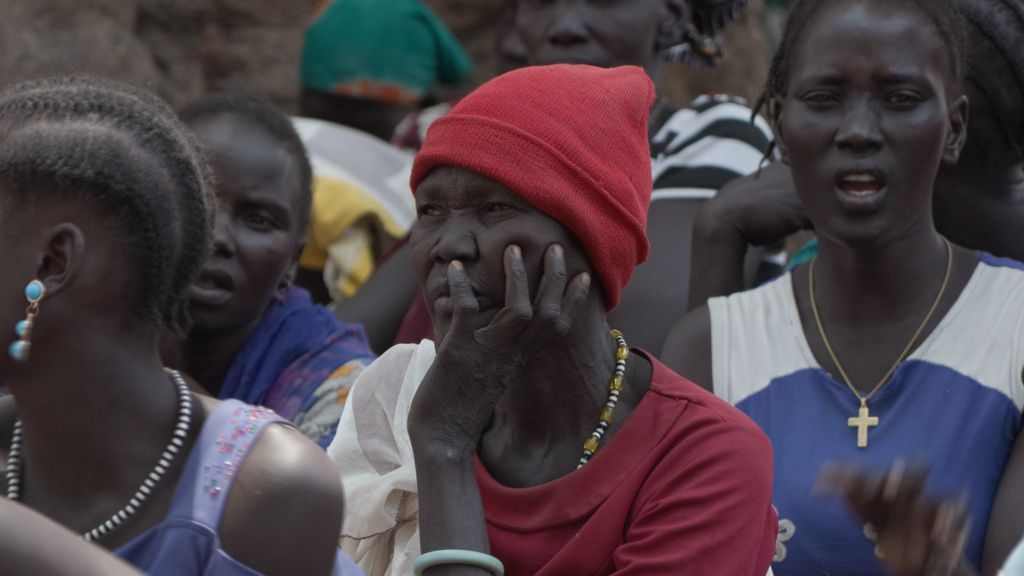
    South Sudan, the world’s youngest nation, faces a catastrophic return to full-scale civil war as intensified military operations in Jonglei state trigger mass displacement and civilian casualties. The conflict between government forces loyal to President Salva Kiir and opposition factions aligned with suspended First Vice-President Riek Machar has created a devastating humanitarian crisis.

    Recent fighting has displaced over 280,000 people, including Nyawan Koang, a 30-year-old mother of five who endured a two-day trek to reach the relative safety of Duk village after losing both parents in an airstrike. ‘Fire came from the sky and burned them,’ she recounted, describing how her family became trapped between warring factions.

    The current violence stems from the collapse of a fragile 2018 peace agreement that ended a civil war claiming nearly 400,000 lives. The situation deteriorated dramatically when President Kiir suspended Machar—who now faces charges of murder, treason, and crimes against humanity—and dismissed several senior government figures, including Machar’s wife, Interior Minister Angelina Teny.

    Military operations have intensified as government forces attempt to reclaim territory from the Sudan People’s Liberation Army in Opposition (SPLA-IO), which has been bolstered by White Army militants. Both sides stand accused of committing atrocities against civilians, with the UN documenting 189 civilian deaths in January alone from indiscriminate attacks, aerial bombardments, and targeted killings.

    Despite government claims of responsible conduct, evidence suggests deliberate targeting of non-combatants. In one admitted incident, government soldiers executed more than 20 civilians at close range in Ayod county during late February. Army spokesman Maj Gen Lul Ruai Koang confirmed soldiers and commanders involved have been detained and face court-martial proceedings.

    The conflict exacerbates an already dire humanitarian situation. According to the World Food Programme, 60% of Jonglei’s two million residents face acute hunger, while nationwide, 10 million South Sudanese require food assistance. Relief efforts face monumental challenges due to insecurity, inadequate infrastructure, and seasonal flooding that renders 80% of the country inaccessible during extended rainy periods.

    With peace agreements crumbling and regional instability spilling across borders—over one million refugees have fled from Sudan’s civil war—observers fear South Sudan’s fragile stability may completely collapse, dashing hopes for lasting peace in the war-weary nation.