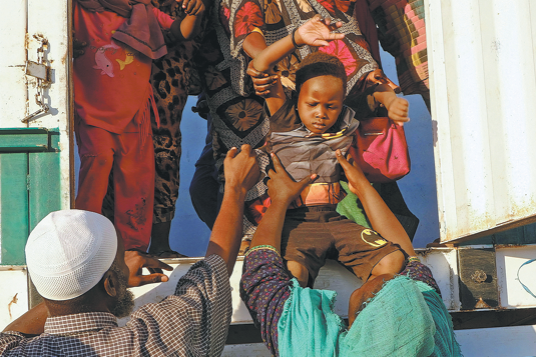
The African Union (AU) has issued a strong condemnation of external interference in African nations grappling with security crises, particularly highlighting the ongoing conflict in Sudan. Bankole Adeoye, AU Commissioner for Political Affairs, Peace, and Security, emphasized that the AU must spearhead peace negotiations across the continent, adhering to the principle of ‘African solutions to African problems.’ Speaking in Addis Ababa, Ethiopia, Adeoye stated, ‘We unequivocally condemn all forms of external interference in Sudan or any part of our continent. The AU must lead efforts to identify structural solutions and secure sustainable peace.’ The AU is actively working to end the conflict in Sudan by facilitating political dialogue among all parties, aiming for a comprehensive and unconditional ceasefire. Meanwhile, UN Humanitarian Chief Tom Fletcher expressed concern over the ‘complete impunity’ surrounding atrocities in Sudan’s Darfur region, criticizing global indifference to the crisis. The AU also noted progress in Madagascar, where its Panel of the Wise is assisting in restoring constitutional order, and welcomed the Doha Framework for a Comprehensive Peace Agreement in the Democratic Republic of Congo.
标签: Africa
非洲
-
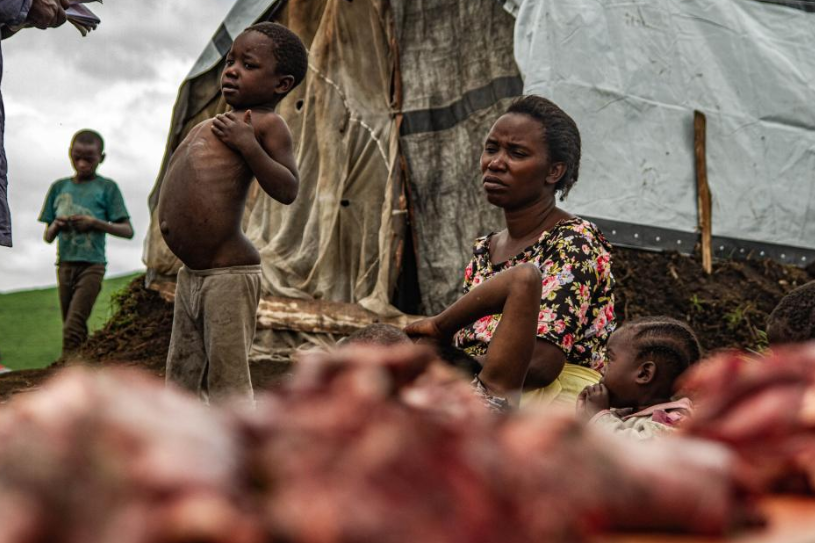
UN humanitarians alarmed by escalating violence in eastern DRC
The United Nations has raised urgent concerns over the escalating violence in the eastern regions of the Democratic Republic of the Congo (DRC), particularly in North Kivu and Ituri provinces. According to the UN Office for the Coordination of Humanitarian Affairs (OCHA), over 45 individuals have been killed in North Kivu since last Friday due to attacks on multiple villages in the Lubero territory. A particularly devastating incident involved an assault on a health center, resulting in the deaths of at least 17 people, including patients. Additionally, two health workers were abducted, medical supplies were stolen, and the facility was set ablaze. The surge in violence has displaced more than 30,000 people in less than a week, with many families continuing to flee amidst fears of further attacks. Humanitarian efforts are being hampered by ongoing insecurity, although OCHA partners are working to assess needs and provide assistance where possible. In Ituri province, two attempted armed attacks on the Lolwa hospital were reportedly thwarted. Since the beginning of the year, over 240 civilians have been killed, and more than 114,500 people have been displaced. OCHA has strongly condemned the attacks on civilians and health facilities, urging all parties to adhere to international humanitarian law and ensure the protection of civilians and civilian infrastructure. The violence is attributed to numerous militia groups operating in the region, including the M23 Movement, the Cooperative for the Development of the Congo, and the Allied Democratic Forces.
-
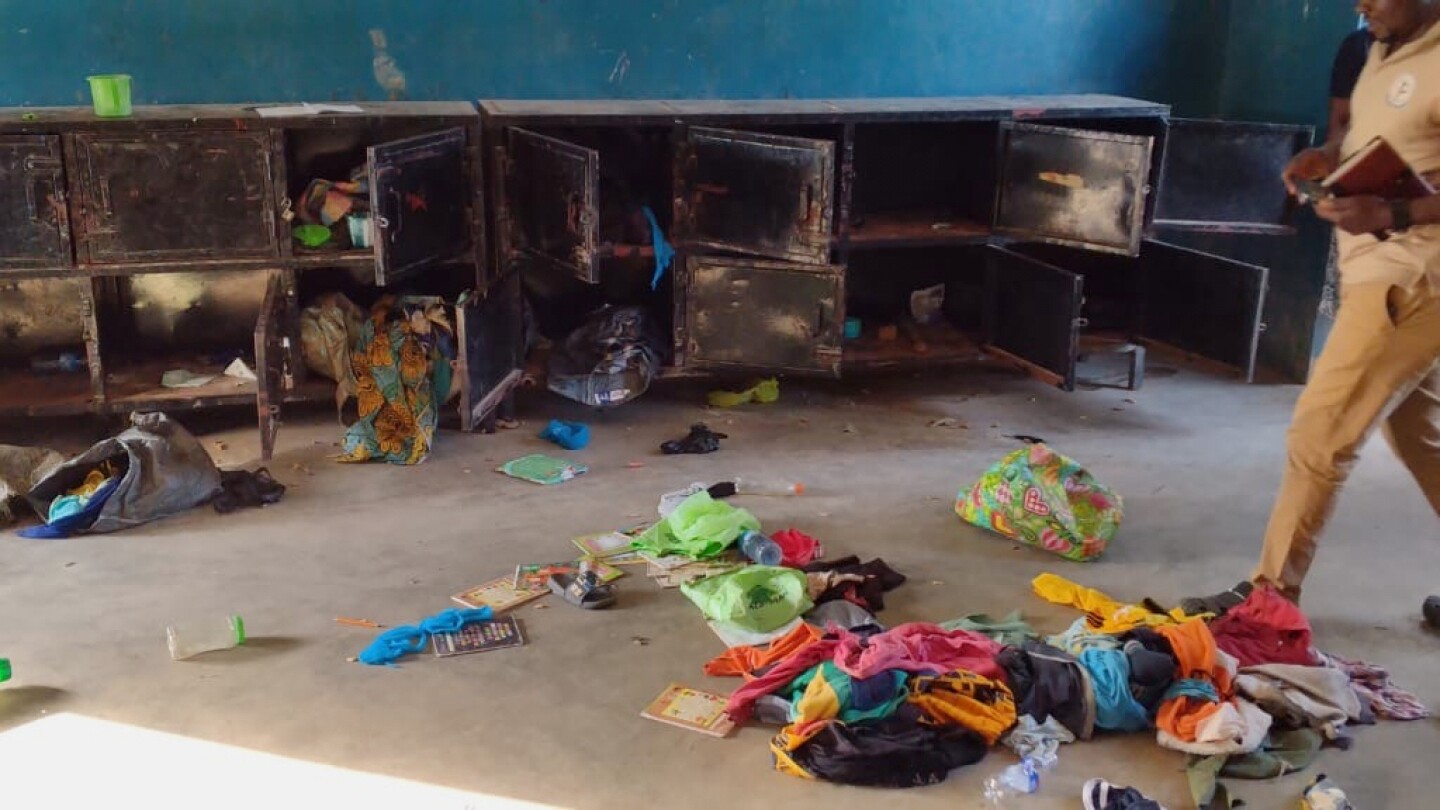
Gunmen abduct more than 200 schoolchildren and 12 teachers in attack on Nigerian Catholic school
In a harrowing incident that underscores the escalating security crisis in Nigeria, gunmen stormed St. Mary’s School, a Catholic boarding institution in the Agwara local government’s Papiri community, abducting more than 200 schoolchildren and 12 teachers. The attack, which occurred in the early hours of Friday, has sent shockwaves across the nation, already grappling with a surge in kidnappings targeting educational institutions. The Christian Association of Nigeria (CAN) confirmed the abduction, with spokesperson Daniel Atori stating that efforts are underway to secure the safe return of the victims. Military and security forces have been deployed to the area, but details about the perpetrators remain unclear. The school, which serves children aged 12 to 17, is located near a major road linking Yelwa and Mokwa, making it a vulnerable target. This incident follows a spate of similar attacks, including the abduction of 25 schoolgirls in Kebbi state earlier in the week. Nigerian President Bola Tinubu has postponed his trip to the G20 summit in South Africa, vowing to prioritize the rescue mission. Analysts attribute the rise in kidnappings to the activities of armed gangs, often composed of former herders, who exploit the region’s insecurity for ransom. The Nigerian government faces mounting criticism for its failure to protect citizens, particularly in conflict-prone northern states. The closure of 47 federal unity colleges highlights the gravity of the situation. As families anxiously await news of their loved ones, calls for enhanced security measures and accountability grow louder.
-
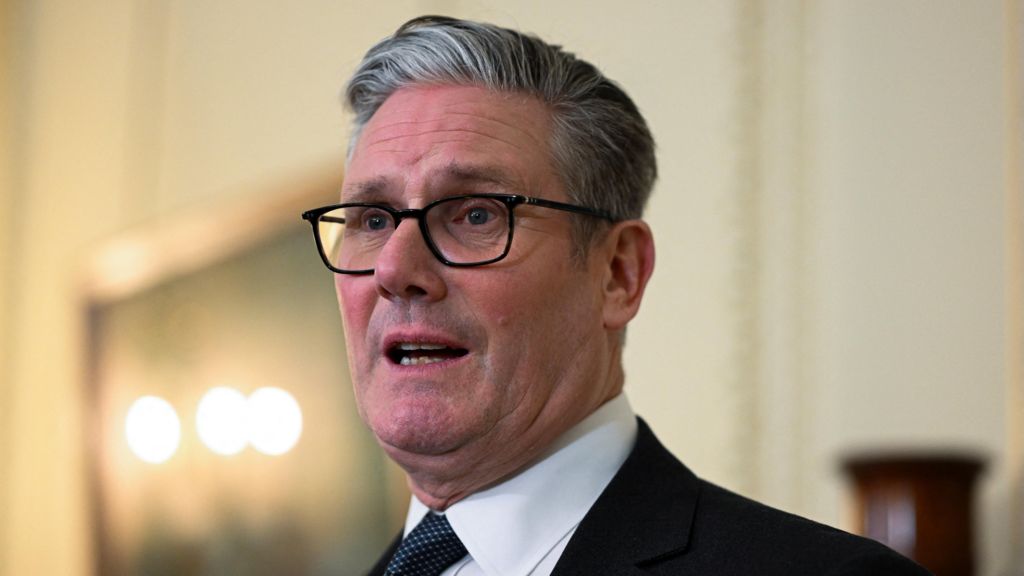
Starmer defends G20 trip to South Africa despite Trump’s absence
UK Prime Minister Sir Keir Starmer is set to attend the G20 summit in Johannesburg, South Africa, where he will advocate for British businesses on the global stage. The summit, which convenes leaders from the world’s 20 largest economies, will proceed without former US President Donald Trump, who has opted to boycott the event. Trump’s decision stems from his controversial and widely discredited claims of white persecution in South Africa, which he reiterated in a social media post labeling the summit a ‘total disgrace.’
Sir Keir, often criticized for his frequent international travels, will use the summit to highlight the strategic importance of the UK’s global presence. During his visit, he will tour a Johannesburg depot showcasing trains manufactured in Derby, UK, and announce a new partnership where Crossrail International, a UK government-owned entity, will provide consultancy services to South Africa’s railway sector. This follows a similar agreement recently signed with Vietnam.
Downing Street has emphasized Africa’s potential as a key market for UK businesses, citing demographic trends such as half of Africa’s population being under 20 and projections that over a quarter of the global population will reside in Africa by 2050. Sir Keir underscored the importance of face-to-face diplomacy, stating, ‘I will focus on the deals we can do, the business we can do, with our partner countries and make sure that the work we do internationally is impacting directly at home.’
South African President Cyril Ramaphosa dismissed Trump’s boycott as ‘their loss,’ asserting that such tactics are ineffective. He also refuted claims of white genocide in South Africa, calling them ‘widely discredited and unsupported by reliable evidence.’ Despite Trump’s absence, the summit remains a critical platform for fostering international collaboration and economic growth.
-
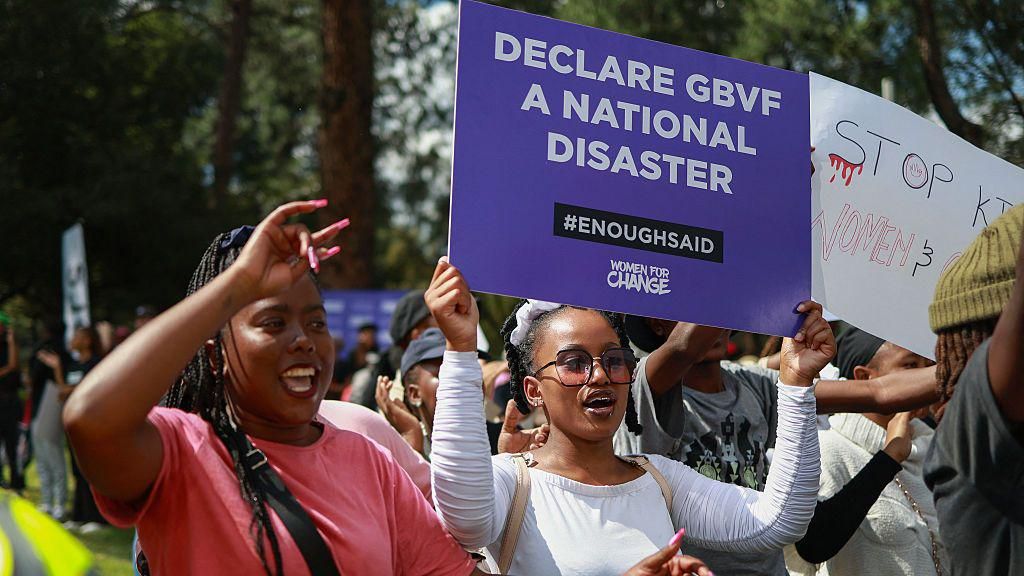
South African women call purple protest over gender violence
South African women’s rights activists are mobilizing for nationwide protests to urge the government to declare gender-based violence (GBV) a national disaster. This call to action follows alarming statistics revealing South Africa as one of the most dangerous countries for women, with femicide rates five times higher than the global average. The movement, initiated online, has gained momentum with widespread support from celebrities, citizens, and international allies, symbolized by the adoption of purple—a color associated with GBV awareness—on social media profiles. The protests, organized by Women for Change, will culminate in a national ‘shutdown’ on Friday, coinciding with the G20 Summit in Johannesburg. Participants are encouraged to abstain from work or school, wear black as a sign of mourning, and observe a 15-minute silent tribute at noon local time. Despite the government’s 2019 declaration of GBV as a national crisis, activists argue that insufficient action has been taken. Women for Change spokesperson Cameron Kasambala criticized the lack of implementation of existing laws and called for greater transparency. Meanwhile, grassroots initiatives like Girls on Fire, founded by Lynette Oxeley, empower women through self-defense training and firearm ownership. However, the movement faces challenges, including employer backlash and systemic failures in the justice system. The protest underscores the urgent need for societal and governmental change to combat the pervasive culture of violence against women in South Africa.
-

Nasdaq Dubai welcomes $500m sukuk listing by Islamic Corporation for Development of private sector
Nasdaq Dubai has announced the successful listing of $500 million Trust Certificates (Sukuk) issued by ICDPS Sukuk Limited, guaranteed by the Islamic Corporation for the Development of the Private Sector (ICD). The ICD, a prominent multilateral financial institution and member of the Islamic Development Bank (IsDB) Group, priced the five-year Reg S senior unsecured Sukuk at 65 basis points over US Treasuries, offering a profit rate of 4.391% paid semi-annually. The issuance witnessed overwhelming investor demand, with order books surpassing $2 billion, reflecting robust market confidence in ICD’s financial stability and developmental objectives. The Sukuk, set to mature in 2030, was issued under the ICDPS Sukuk Limited Trust Certificate Issuance Programme. Leading financial institutions, including Al Rayan Investment, Bank ABC, Dubai Islamic Bank, and HSBC Bank plc, served as Joint Lead Managers and Bookrunners. This marks ICD’s fourth Sukuk listing on Nasdaq Dubai, following previous issuances in 2016, 2020, and 2024. Dr. Khalid Khalafalla, Acting CEO of ICD, emphasized the significance of the oversubscribed issuance, stating that the proceeds will drive private sector growth in member countries while expanding Shariah-compliant financial solutions. Hamed Ali, CEO of Nasdaq Dubai and Dubai Financial Market (DFM), highlighted the transaction as a testament to Dubai’s leadership in Islamic capital markets and its ability to attract diverse investors. With this listing, the total value of Sukuk on Nasdaq Dubai has reached $102 billion, reinforcing its status as a global hub for Islamic finance.
-
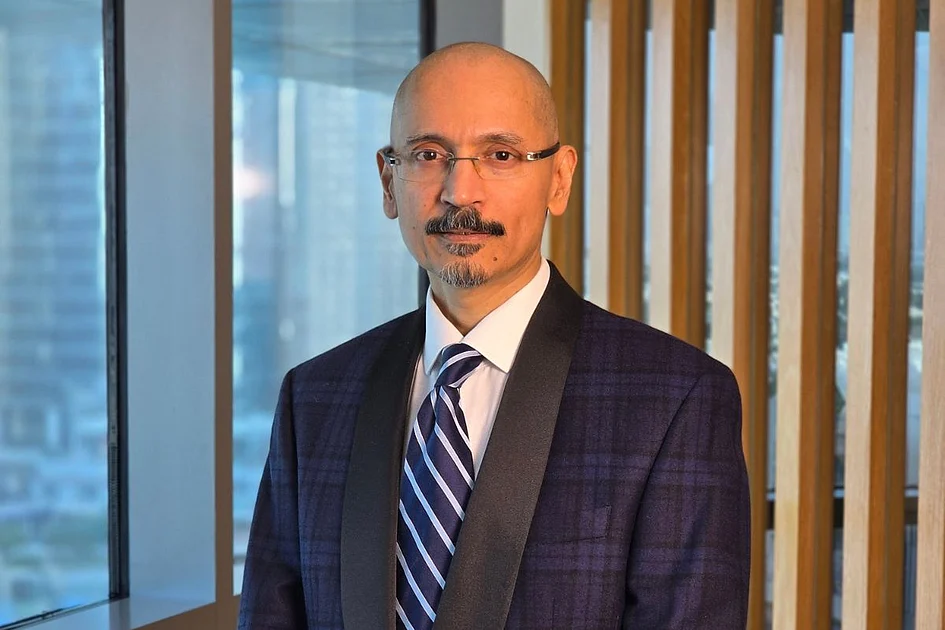
Continental reports 77% premium growth, makes executive appointments to lead next phase of expansion
Continental, a DIFC-licensed financial advisory firm, has announced a remarkable 77% growth in premiums, marking a significant milestone in its 30-year legacy in the Middle East. The firm is now poised for its next phase of expansion, driven by a focus on technology, transparency, and trust. To spearhead this growth, Continental has appointed Lyndon D’Silva as Senior Executive Officer (SEO) and Member of the Board. With over 35 years of leadership experience at global institutions such as IBM, Standard Chartered, AIG, Morgan Stanley, and Concentrix, D’Silva brings a unique combination of financial expertise and technological insight to the role. His appointment underscores Continental’s commitment to innovation and long-term growth within the DIFC platform. Akshay Sardana, Managing Director of CFS DIFC Ltd., emphasized the alignment of values and vision with D’Silva, stating that his leadership will drive awareness, inclusion, and innovation across the wealth and insurance sectors. In his new role, D’Silva will oversee strategic direction, client and advisor relationships, and operational excellence, while advancing Continental’s legacy of trust and transparency. D’Silva expressed his enthusiasm for the opportunity, highlighting his goal to build on Continental’s strong foundation and position the firm as a catalyst for regional and global progress. Looking ahead, Continental plans to enhance its digital transformation agenda, modernize internal systems, and streamline client onboarding processes. The firm is also expanding its advisory network and insurer partnerships, ensuring faster and more responsive services for its clients. With these initiatives, Continental aims to consolidate its growth and expand its impact across the region.
-

UAE offers condolences to Peru over victims of deadly bus crash
The United Arab Emirates has conveyed its heartfelt condolences to Peru in the wake of a tragic bus accident in the Arequipa region, located in the southern part of the country. The incident, which claimed numerous lives and left many injured, has prompted an outpouring of international sympathy. The UAE Ministry of Foreign Affairs (MoFA) issued an official statement expressing profound sorrow and solidarity with the families of the victims, as well as with the Peruvian government and its citizens. Additionally, the ministry extended its wishes for a swift and full recovery to all those who were injured in the crash. This gesture underscores the UAE’s commitment to fostering international solidarity during times of crisis.
-
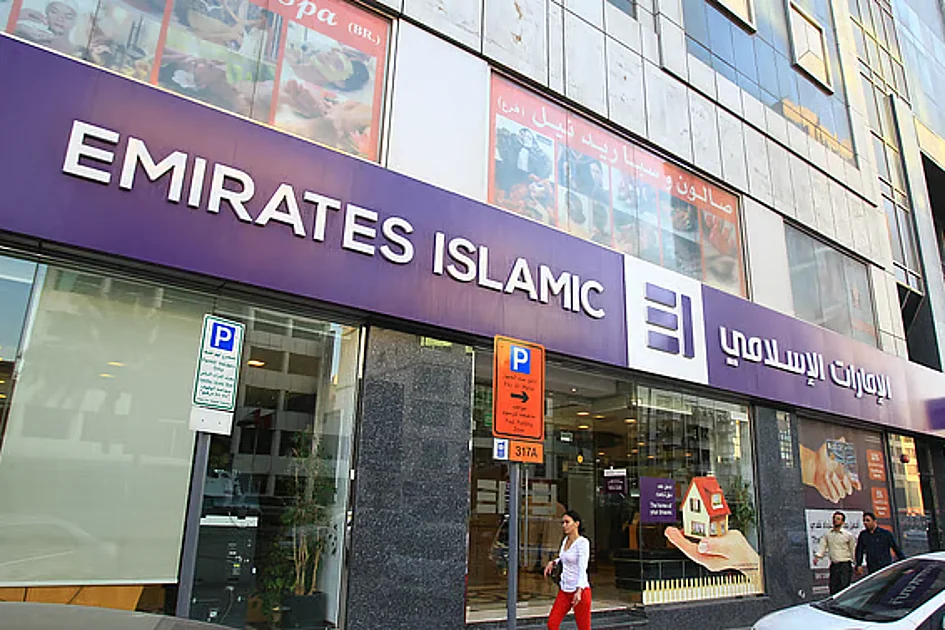
Dubai: Emirates Islamic Bank to close 5 branches amid rationalising network
Emirates Islamic Bank, a subsidiary of Emirates NBD, has announced the closure of five branches as part of its strategy to optimize its network in response to the growing trend of online banking in the UAE. Mohammed Kamran Wajid, Deputy CEO of Emirates Islamic, emphasized that the move is driven by technological advancements but assured that the bank remains committed to maintaining a physical presence. He stated, ‘We are rationalizing our branches as technology takes over, but we are not eliminating physical locations. We may reinvest the savings into further technological development to enhance customer service.’ The bank, which previously operated 45 branches, plans to complete the closures by the end of the year. Wajid also confirmed that the closures would not result in job losses, highlighting the bank’s focus on talent retention. Emirates Islamic employs over 30,000 people and is the largest financial services employer in the region. The bank reported a record Dh3.2 billion profit before tax for the first nine months of 2025, with total income rising 9% year-on-year to Dh4.5 billion. The UAE’s Islamic banking market, valued at $221 billion in 2024, is projected to grow to $352 billion by 2029, driven by the country’s role as a global financial hub. Wajid noted that the closures involve legacy branches located near Emirates NBD branches, allowing for better resource allocation and customer acquisition. The bank, which boasts a capital adequacy ratio of 18.8%, remains highly liquid and plans to focus on digitization and AI integration to strengthen its competitive edge in the corporate banking sector.
-

UAE: Upskill or risk obsolescence in the evolving modern workplace
The modern workplace in the UAE is undergoing unprecedented transformation, driven by rapid technological advancements and shifting global trends. Professionals who fail to adapt risk obsolescence, while those who embrace upskilling can secure their place in the evolving economy. The UAE’s dynamic business environment, characterized by innovation and growth, demands a workforce that is agile, skilled, and future-ready. Employers across industries are prioritizing employees who can adapt to change and bring new capabilities to the table. Skills that were once highly valued, such as traditional marketing, are now being replaced by digital expertise, automation, and data analytics. Upskilling is no longer optional; it is a necessity for long-term employability and career progression. Professionals who invest in learning can stay competitive, anticipate future demands, and position themselves as indispensable assets. The UAE government has launched numerous initiatives, such as Dubai Future Academy and UAE MOOC, offering free or subsidized courses to prepare residents for the digital economy. These programs align with the nation’s vision of becoming a global hub for technology and innovation. Balancing work and learning can be challenging, but professionals can start with micro-courses or certifications to gradually build their skills. Employers often support staff development through training budgets and workshops, providing opportunities for growth. The message is clear: in a rapidly changing world, continuous learning is the key to career security and success. Professionals who embrace upskilling will thrive, while those who resist will be left behind.