标签: Africa

非洲

  • German energy giant RWE signs new gas deal as Merz visits UAE

    German energy giant RWE signs new gas deal as Merz visits UAE

    During German Chancellor Friedrich Merz’s diplomatic mission to the Gulf region, energy conglomerate RWE announced two significant agreements with United Arab Emirates-based entities, marking a strategic push to broaden Europe’s energy portfolio. The company inked a memorandum of understanding with Abu Dhabi National Oil Company (ADNOC) to deliberate on the supply of up to one million tonnes of liquefied natural gas (LNG) annually for a decade. This volume would account for approximately 1.7% of Germany’s total gas consumption based on 2025 figures, providing a substantial alternative supply route.

    Concurrently, RWE entered a separate pact with Emirati renewable energy firm Masdar. This collaboration will investigate the development of large-scale battery energy storage systems, targeting a capacity of up to one gigawatt at RWE’s existing German facilities by 2030. The agreement includes a potential expansion with an additional gigawatt by 2035. These storage solutions are critical for managing the intermittent nature of power generated from wind and solar sources, thereby accelerating the green energy transition.

    The move to engage with UAE partners is viewed as a direct response to Europe’s ongoing energy security reassessment, which began with the severance of Russian gas imports following the 2022 invasion of Ukraine. While the United States became a primary alternative supplier, recent geopolitical uncertainties, including statements from former President Donald Trump regarding NATO allies, have underscored the risks of over-reliance on a single partner. Chancellor Merz emphasized the Gulf region’s pivotal role in diversifying Germany’s energy supply chains ahead of his visit.
  • How logistics is powering a diverse and resilient economy in major GCC countries

    How logistics is powering a diverse and resilient economy in major GCC countries

    Amidst global trade tensions and geopolitical conflicts, the Gulf Cooperation Council (GCC) nations are demonstrating remarkable economic resilience, largely powered by sophisticated logistics infrastructure. Recent economic indicators reveal substantial growth, with Dubai’s economy expanding by 4% in Q1 2025, achieving a GDP of AED119.7 billion, while Saudi Arabia received a upgraded World Bank growth forecast of 3.2% for 2025, including an impressive 8% projected growth for its tourism sector.

    The UAE’s economic stability is bolstered by rapid population growth driven by expatriate inflows, tourism, and increased global investment. Key sectors including real estate, tourism, hospitality, entertainment, and healthcare are performing exceptionally well, positioning Dubai to navigate strong consumer demand throughout 2025.

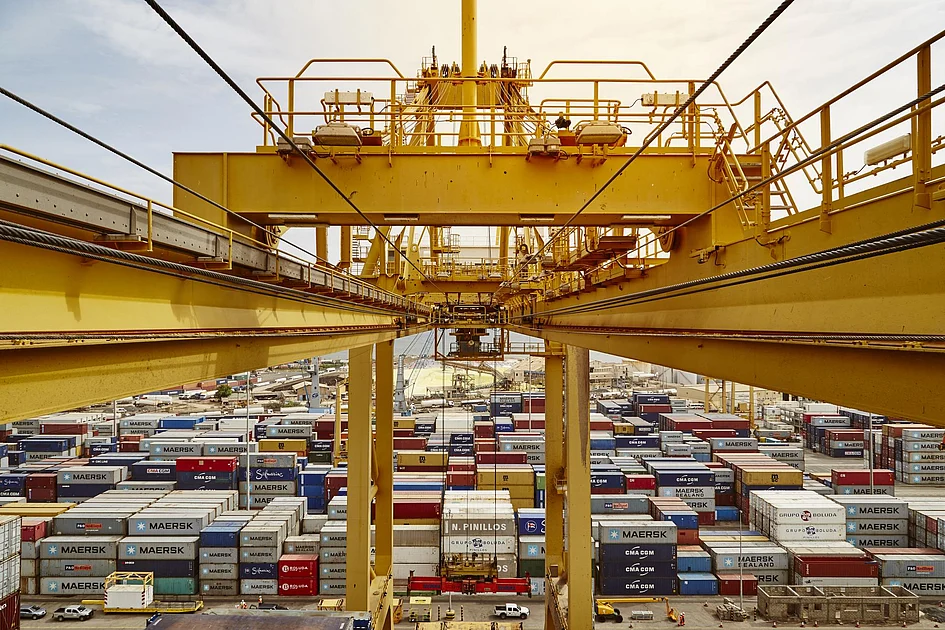
    Central to this economic success is the region’s advanced logistics capability. Qatar’s strategic positioning and developed infrastructure have established it as a crucial trade hub connecting African, Asian, and European markets. In Dubai, Jebel Ali Port has emerged as a global logistics powerhouse, handling approximately 19 million containers annually. Complemented by two world-class airports, Dubai has created an integrated transportation network enabling efficient air, sea, and road connectivity.

    The logistics sector’s sophistication is particularly evident in temperature-sensitive supply chains. Dubai’s hospitality industry, supporting 80% of the UAE’s 340 fine dining establishments, requires precise temperature control to maintain product integrity. Similarly, the pharmaceutical sector demands specialized cold chain solutions, with the UAE demonstrating consistent per capita healthcare spending growth and Saudi Arabia investing over $65 billion in healthcare infrastructure.

    Major logistics operators are responding to these demands with significant investments. DHL has announced plans to allocate €2 billion globally toward healthcare logistics by 2030, with 25% dedicated to the EMEA region. These developments align with the UAE’s National Food Security Strategy 2051, which emphasizes import source diversification and sustainable local production.

    Technological integration is transforming regional logistics operations. Digitalization initiatives including predictive maintenance, warehouse robotics, and AI-driven forecasting are optimizing supply chain management. These advancements enable businesses to comply with increasingly stringent regulatory requirements while improving cost efficiency and responsiveness.

    The construction, tourism, and entertainment sectors particularly benefit from these logistics capabilities, requiring timely movement of materials and goods for events and exhibitions. The aviation sector similarly demands expanded logistics services as regional carriers increase fleets and launch new routes.

    As the UAE aims to double its GDP to over $800 billion by 2030, logistics infrastructure will play a pivotal role in sustaining development initiatives. Investments in specialized transport solutions, temperature monitoring technologies, and expanded cold chain capacity will ensure the region maintains its competitive advantage while supporting continued economic growth.

  • Electric motorcycle riders in Kenya demand more flexible battery networks

    Electric motorcycle riders in Kenya demand more flexible battery networks

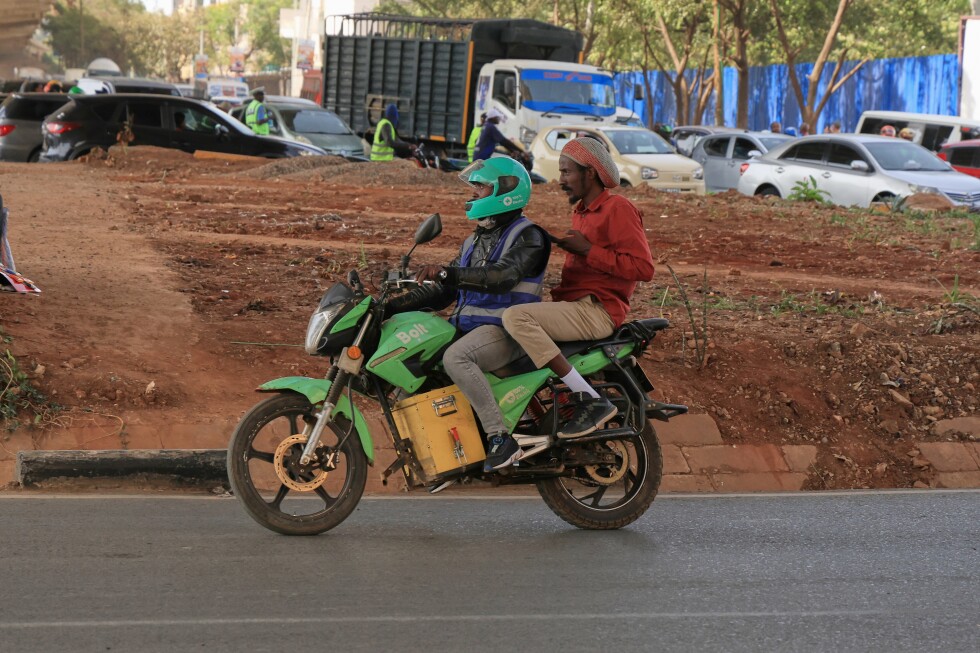
    NAIROBI, Kenya — Africa’s rapidly expanding electric motorcycle sector is confronting a critical infrastructure challenge that threatens to undermine its sustainable growth: proprietary battery systems that lack cross-network compatibility. This technological fragmentation has sparked widespread frustration among riders and prompted calls for industry-wide standardization.

    Prominent Kenyan podcaster Francis Kibe Njeri has emerged as a vocal advocate for reform, utilizing his social media platforms to highlight how manufacturers’ remote lockout features can immobilize vehicles after periods of inactivity. “It is fundamentally unjust that we purchase these motorcycles while the batteries remain manufacturer property, restricting us to their exclusive charging networks,” Njeri asserted.

    The economic impact on riders has been substantial. Oscar Okite, a Nairobi-based e-bike operator, reported losing approximately 500 Kenyan shillings ($4.50) daily when unable to locate compatible swap stations. “The limited availability of accessible charging points directly constrains our earning potential,” he explained.

    Despite the clear cost advantages—with operators saving up to 40% on daily expenses compared to gasoline-powered alternatives—the continent’s e-mobility ecosystem remains constrained by vertically integrated business models. Current industry data reveals East Africa leads in deployment with 89 active e-mobility companies, having attracted $207 million in investments by September 2024.

    Asset financing expert Eric Tsui identified interoperability as the sector’s primary bottleneck: “The most counterproductive scenario involves numerous swap stations incapable of serving all riders. We urgently need standardized systems that allow battery exchange across all operator networks.”

    Industry leaders acknowledge the complexities. Spiro CEO Kaushik Burman expressed conditional openness to network sharing, emphasizing safety certifications: “We welcome manufacturers interested in adapting their bikes to our battery system, but unrestricted access without proper integration poses unacceptable risks.”

    In a potential breakthrough, Ampersand announced Africa’s first open-platform battery network in January, enabling compatible motorcycles from multiple manufacturers to utilize its infrastructure. CEO Josh Whale described this initiative as transforming the company into an electric “fuel station” that promotes market expansion without redundant infrastructure development.

    For riders like Kevin Macharia, these changes cannot arrive soon enough. “Transitioning to electric was meant to enhance our earnings, not leave us stranded roadside awaiting battery swaps,” he remarked, capturing the urgent need for industry-wide cooperation in Africa’s clean transportation revolution.

  • From Hollywood to the homeland: Why African countries are courting black American stars

    From Hollywood to the homeland: Why African countries are courting black American stars

    A growing movement of African nations is granting citizenship to prominent African-American celebrities as part of a strategic cultural and economic initiative. Benin, Ghana, Gabon, and Guinea have officially welcomed stars including Samuel L. Jackson, Ciara, Ludacris, Meagan Good, Jonathan Majors, and Stevie Wonder through formal citizenship ceremonies.

    This trend represents a modern evolution of historical pan-African connections that date back to Liberia’s founding by freed American slaves in 1822 and the mid-20th century migration of black intellectuals to Ghana. The contemporary movement has been significantly accelerated by DNA testing technology that enables precise ancestral tracing.

    African governments frame these citizenship grants as symbolic homecomings that strengthen diaspora ties. Former Ghanaian President Nana Akufo-Addo characterized Stevie Wonder’s naturalization as ‘reaffirming our belief in the enduring spirit of pan-Africanism.’

    Beyond cultural significance, the initiative carries substantial economic considerations. Governments anticipate that celebrity endorsements will boost tourism from African-Americans, whose collective economic power continues to grow. Benin President Patrice Talon has specifically invested in cultural heritage sites, including the Marina Project memorial complex in Ouidah, to attract diaspora tourism.

    The citizenship programs also serve soft power objectives for nations with limited natural resources. As Beninois lecturer Francis Kpatindé notes, ‘Benin has no diamonds, no petrol, nothing. We just have cotton, the ports and culture.’ Celebrity ambassadors provide global visibility that traditional diplomacy might not achieve.

    However, the initiative faces criticism regarding procedural equity. Some citizens express frustration that celebrities appear to bypass cumbersome bureaucratic processes that ordinary applicants must navigate. Ghanaian painter Taufic Suleman questioned why ‘your citizens have to go through vetting’ while celebrities receive expedited processing.

    Officials maintain that all applicants follow standard procedures, with Benin’s tourism authority head Sindé Chekete emphasizing that ‘citizenship processing is not influenced by celebrity status.’ Concerns also exist about whether these connections will prove substantive rather than symbolic.

    Despite challenges, the movement continues evolving. Benin recently announced a government agency dedicated to nationalizing ‘Afro-descendants,’ though Ghana has temporarily paused applications to improve system accessibility. The long-term success of these cultural reunification efforts may require decades to fully assess, but proponents believe they represent concrete action toward meaningful pan-African unity.

  • Global Sumud Flotilla announces ‘historic’ mission to Gaza on March 29

    Global Sumud Flotilla announces ‘historic’ mission to Gaza on March 29

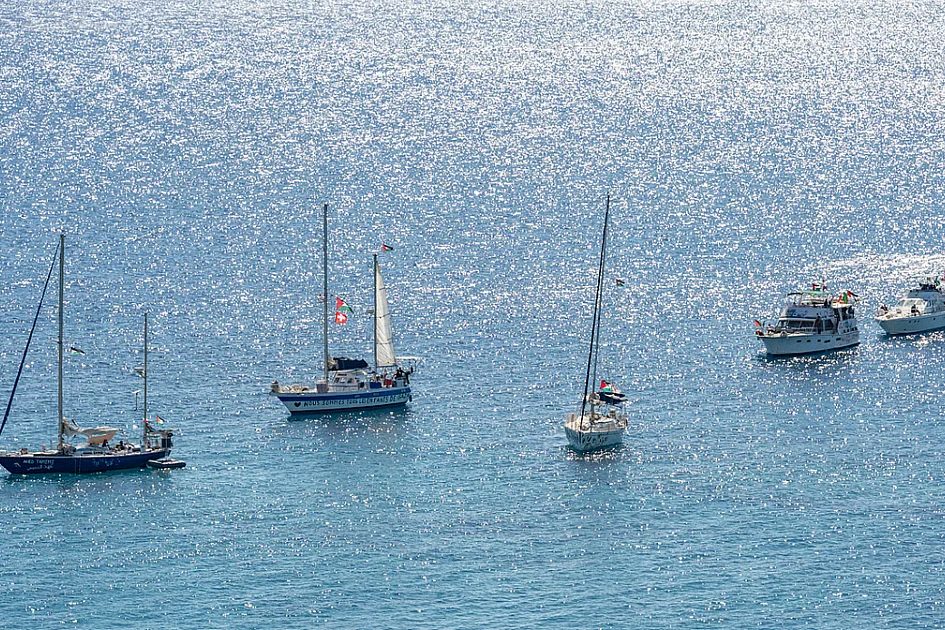
    A coalition of international activists has declared plans to launch what they term the largest coordinated humanitarian intervention for Palestine in history. The Global Sumud Flotilla, comprising participants from over 100 countries, will depart from multiple Mediterranean ports including Barcelona and Tunis on March 29, 2026.

    This maritime initiative follows a previous attempt in October 2025 when activists attempted to deliver aid to Gaza by sea. That mission concluded with Israeli forces intercepting the vessels, detaining participants, and subsequently deporting them. Israel maintains strict control over all border crossings and aid entering the coastal territory.

    Organizers describe the flotilla as a non-violent response to what they characterize as genocide, siege conditions, widespread starvation, and the systematic destruction of civilian infrastructure in Gaza. Brazilian activist Thiago Avila confirmed additional departure points would remain undisclosed for security reasons.

    Concurrently, an overland convoy will embark toward Gaza on the same date, though organizers have not revealed its starting location. The coordinated effort represents an unprecedented scale of civilian-led humanitarian mobilization aimed at breaking the long-standing blockade of the Palestinian territory.

  • OneRoyal to attend iFX EXPO Dubai 2026 as platinum sponsor

    OneRoyal to attend iFX EXPO Dubai 2026 as platinum sponsor

    Financial services firm OneRoyal has secured platinum sponsorship status for the upcoming iFX EXPO Dubai 2026, positioning itself at the forefront of the Middle East’s premier financial trading exhibition. The event is scheduled for February 11-12, 2026, at the Dubai World Trade Centre, where OneRoyal will occupy Booth 105 to engage with industry professionals.

    The company plans to leverage its prominent presence to facilitate discussions on emerging market trends, technological innovations in trading, and the evolving landscape of online financial markets. Exhibition attendees will have exclusive access to OneRoyal’s award-winning trading platforms and AI-powered analytical tools engineered to optimize execution capabilities and enhance decision-making processes for traders of all experience levels.

    This strategic sponsorship underscores OneRoyal’s dedicated commitment to fostering development within the Middle Eastern trading ecosystem. The company emphasizes providing regional traders with premium trading conditions and secure access to global market opportunities through advanced technological infrastructure.

    Industry professionals visiting the exposition are encouraged to connect with OneRoyal representatives to explore how the company is democratizing access to financial markets and driving the next evolution of digital trading solutions. The participation reflects broader industry movements toward technological integration and expanded market accessibility in the financial sector.

  • Construction of MGM Resorts’ hotels in Dubai on track; opening in Q3 2028, says CEO

    Construction of MGM Resorts’ hotels in Dubai on track; opening in Q3 2028, says CEO

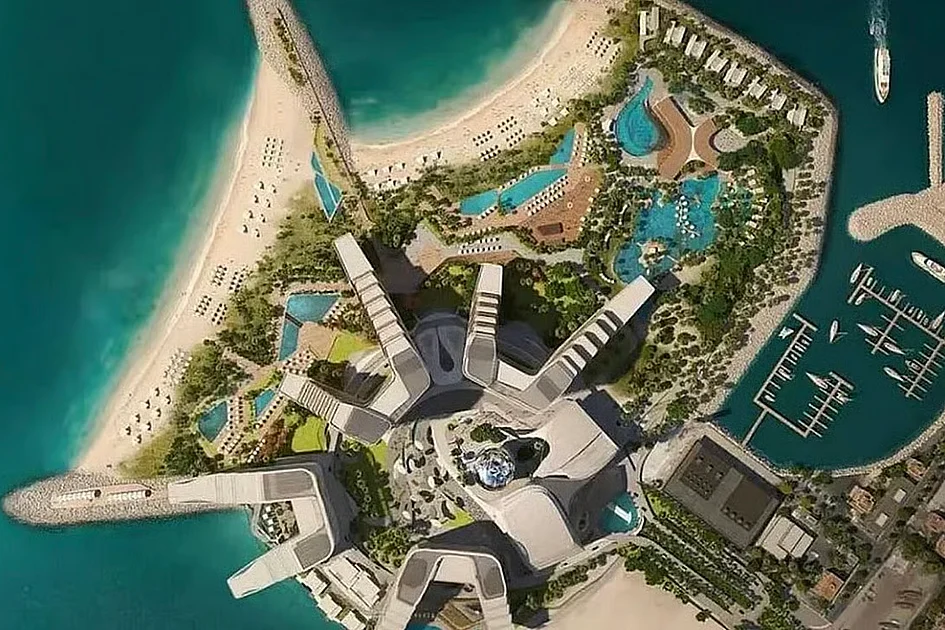
    MGM Resorts International has confirmed that construction of its three luxury hotel properties in Dubai remains firmly on schedule, with an anticipated opening set for the third quarter of 2028. The announcement came directly from President and CEO Bill Hornbuckle during the company’s Q4 2025 earnings call with financial analysts.

    The project represents a significant expansion for the Las Vegas-based hospitality giant through a non-gaming management agreement with Dubai’s Wasl Hospitality. The development will introduce three of MGM’s premier brands – Bellagio, Aria, and MGM Grand – to the Emirates’ luxury hospitality market, though notably without gaming facilities.

    This development marks MGM Resorts as the second U.S.-based hotelier and gaming operator to secure operational licensing within the UAE. Wynn Resorts previously obtained the first license to operate an integrated gaming resort, Wynn Al Marjan, in Ras Al Khaimah, scheduled to commence operations next year.

    The UAE’s hospitality sector has demonstrated remarkable growth over the past five years, driven by increasing tourist arrivals and the emerging trend of staycations. Recent data from the Ministry of Economy and Tourism reveals impressive performance metrics, with hotel revenues reaching Dh12.5 billion during the latest “World’s Most Beautiful Winter” campaign. The sector welcomed approximately 5 million hotel guests, representing a 5% increase from the previous year, while occupancy rates climbed to 84%.

    Industry analysts note that Dubai, Abu Dhabi, and Sharjah have emerged as preferred 2026 holiday destinations for travelers from Germany, Switzerland, Canada, and South Korea. According to Skyscanner’s 2026 Travel Trends Report, modern travelers are increasingly seeking authentic experiences beyond traditional tourist hotspots, favoring destinations that offer fresh and unique accommodation experiences.

    The expansion coincides with strong financial performance for MGM Resorts, which reported consolidated net revenues of $4.6 billion in Q4 2025 – a 6% increase compared to the same period last year. Net income attributable to the company reached $294 million, substantially higher than the $157 million recorded in the prior year quarter.

  • Flying over water? Abu Dhabi to roll out Seagliders for faster emirate-wide travel

    Flying over water? Abu Dhabi to roll out Seagliders for faster emirate-wide travel

    Abu Dhabi is poised to revolutionize coastal transportation through the introduction of cutting-edge Seaglider technology, marking a significant advancement in sustainable mobility solutions. The ambitious initiative, targeting full operational deployment by 2028, will implement fully electric, zero-emission vessels capable of gliding above water surfaces at high speeds.

    The groundbreaking project emerged from a strategic agreement signed between key governmental and private entities including the Department of Culture and Tourism – Abu Dhabi (DCT Abu Dhabi), the Abu Dhabi Investment Office (ADIO), the Integrated Transport Center (Abu Dhabi Mobility), and VERSA Advanced Maritime Services. This collaboration represents a comprehensive effort to enhance maritime connectivity while maintaining environmental sustainability.

    Initial operational phases will concentrate on establishing routes connecting Abu Dhabi City with the Al Dhafra Region, with subsequent expansion planned throughout the emirate and broader UAE territories. VERSA, distinguished as the nation’s inaugural Seaglider operator, has been developing this visionary transportation concept since 2022.

    The partnership encompasses extensive feasibility studies and market analyses examining operational, commercial, and environmental dimensions of Seaglider implementation. These Wing-in-Ground (WIG) effect craft will be integrated into Abu Dhabi’s transportation network through carefully designed operational models aligned with the emirate’s tourism development objectives.

    Sheikha Alyazia Bint Sultan Bin Khalifa Al Nahyan, Chairperson and Owner of VERSA Advanced Maritime Services, emphasized the transformative nature of the project: “Our vision extends beyond merely introducing new vessels—we’re fundamentally reimagining coastal mobility paradigms for the nation. This partnership enables us to convert innovation into practical infrastructure that is environmentally clean, operationally efficient, and specifically tailored for the emirates’ unique requirements.”

    Tourism officials highlighted the dual benefits of enhanced connectivity and environmental responsibility. Saleh Mohamed Al Geziry, Director General for Tourism at DCT Abu Dhabi, stated: “By adopting advanced eco-friendly mobility solutions like Seagliders, we’re not only improving transportation networks but also demonstrating our commitment to sustainable development while delivering exceptional experiences for residents and international visitors alike.”

    Transport authorities confirmed the initiative’s alignment with broader smart mobility strategies. Dr. Abdulla Hamad AlGhfeli, Acting Director General of the Integrated Transport Centre, noted: “This agreement represents a crucial advancement in expanding intelligent, sustainable transportation across multiple domains. We’re establishing foundational frameworks for innovative, low-emission services that will improve connectivity while minimizing the ecological impact of marine transportation systems.”

  • As US cash dries up South Africa’s fight to stop Aids gets harder

    As US cash dries up South Africa’s fight to stop Aids gets harder

    A critical healthcare crisis is unfolding in South Africa as the consequences of former US President Donald Trump’s executive order, signed immediately following his inauguration, continue to reverberate across the nation’s HIV/AIDS programs. The sudden freezing of US aid commitments has created a $400 million annual funding gap, representing approximately one-fifth of South Africa’s total HIV program budget.

    South Africa, bearing the world’s highest HIV burden with 13% of its population living with the virus, now faces severe service disruptions despite government efforts to mitigate the impact. The South African government managed to allocate just $46 million—a mere 11.5% of the lost funding—while a temporary “bridge plan” of $115 million from the US President’s Emergency Fund for AIDS Relief (Pepfar) will only sustain operations until March.

    The funding cuts have particularly affected vital “last-mile” services, according to Professor Linda-Gail Bekker, head of the Desmond Tutu Health Foundation. These include mobile clinics that reach vulnerable populations in high-risk areas like Philippi, one of Cape Town’s most dangerous townships. These clinics provide essential services to those uncomfortable with government facilities, offering innovative prevention methods like Cabotegravir (CAB-LA) and the promising twice-yearly injection Lenecapavir.

    Young South Africans express grave concerns about service accessibility. Esethu, 28, receiving her second CAB-LA injection, emphasized the importance of mobile clinics: “They are very important for young people because when you go to the government clinics, you get people that are your mother’s age, so you can’t open up to them.”

    Health Minister Dr. Aaron Motsoaledi acknowledges the challenge, hoping for increased HIV funding in the next budget while pursuing alternative donors. Through the Global Fund, South Africa has secured 900,000 doses of Lenacapavir for 450,000 people, scheduled for distribution within months. However, researchers warn this remains insufficient to address the 180,000 new infections recorded last year.

    Experts fear the cuts will reverse decades of progress. Professor Helen Rees of Wits RHI notes the profound impact of sudden service reductions: “If you stop testing, if you stop giving prevention, and if you are unable to sustain treatment, you’re inevitably going to get more cases.” Ironically, the very data collection needed to measure the crisis impact has been compromised by funding limitations.

    The situation highlights global health interdependence, as research advancements from South Africa—a global leader in HIV studies partly due to previous US funding—have worldwide implications. With the US adopting an “America First Global Health Strategy” and shifting to bilateral agreements with countries like Kenya, Malawi, and Nigeria, the future of international health cooperation remains uncertain.

  • Hollywood designer Jacob brings “For The Stars” couture to Dubai

    Hollywood designer Jacob brings “For The Stars” couture to Dubai

    DUBAI – The iconic Armani Hotel at Burj Khalifa will transform into a fashion epicenter on February 13, 2026, as celebrity fashion house For The Stars makes its highly anticipated Middle East debut. Founded by legendary Hollywood designer Jacob, the brand will present “Fashions For Love” – an exclusive Valentine’s Eve spectacle merging haute couture with live performances beneath the world’s tallest tower.

    The evening will commence with red-carpet arrivals before evolving into a multidimensional experience featuring performances by international music icons including Deborah Cox. The centerpiece will be a couture runway presentation showcasing Jacob’s signature designs that have graced entertainment legends for decades.

    Premium ticket holders will gain access to an exclusive VIP afterparty featuring museum-style displays of iconic garments worn by global superstars, private buyer consultations, celebrity DJ sets, and curated cocktail experiences. Ticket pricing reflects the event’s exclusivity, ranging from Dh1,500 for limited general admission to Dh15,000 for full VVIP access including afterparty privileges.

    Jacob’s four-decade career has dressed music royalty including Prince, Madonna, Cher, Michael Jackson, and Beyoncé, with his contributions to arts and culture earning him a Lifetime Achievement Award presented by President Joe Biden in 2024. The Dubai event will feature special appearances by Victoria Recano, April Sutton, and musical group 25Band alongside the previously announced Deborah Cox.

    “Dubai celebrates vision, ambition, and creativity,” Jacob remarked. “Bringing our experience to the base of Burj Khalifa represents a powerful and symbolic next chapter for our brand’s narrative of empowering artists through fashion.”

    This landmark event signals For The Stars’ strategic expansion into the Middle Eastern market, positioning Dubai as a new global stage for the brand’s unique fusion of couture, performance artistry, and cultural expression. Tickets are available exclusively through Q Tickets platform.