标签: Africa

非洲

  • ‘Feeling I will never forget’: Expat reacts to becoming millionaire in Big Ticket draw

    ‘Feeling I will never forget’: Expat reacts to becoming millionaire in Big Ticket draw

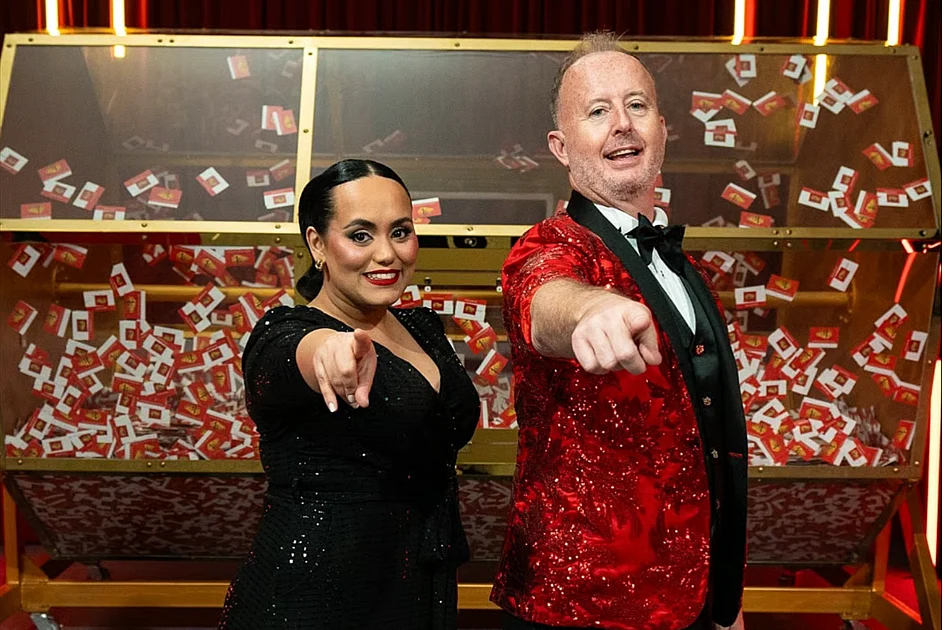
    In a remarkable display of fortune, five expatriates residing across the Gulf region have been transformed into instant millionaires through the latest Big Ticket draw in Abu Dhabi. The event distributed a combined prize pool of Dh5 million, equally divided among winners from Bangladesh, India, and Sri Lanka, each receiving Dh1 million.

    The diverse group of winners includes Santosh Kumar, a 51-year-old Indian general manager who has called Abu Dhabi home since 1999. After more than five years of consistent participation, Kumar initially dismissed the winning notification as a prank. ‘I asked my daughter to verify it online, and that’s when the excitement truly hit me,’ he recounted. The seasoned expat now plans to explore property opportunities and long-term investments with his windfall.

    From Qatar, Dasan Kunchu, a 43-year-old irrigation engineer from Kerala, participated through a collective approach with two separate groups of ten people. His winning moment required multiple verification attempts before reality set in. ‘The Big Ticket team kept trying to convince me, and it was only after I received the confirmation email that it finally sank in,’ Kunchu shared. He intends to distribute the prize among his group members while maintaining their collective pursuit of the grand prize.

    The winners’ circle also includes Jency Ruba, an Indian national who secured her fortune with ticket number 148955 purchased on January 8, and Mohammed Alwar Uddin Hajee, a Bangladeshi business owner who persisted for six years with monthly group purchases. ‘After so many years of trying, I never imagined this would happen,’ Hajee expressed, describing the victory as validation of his persistence.

    Completing the quintet is Dulan Mayura, a 29-year-old Sri Lankan professional at Magnolia Bakery in Dubai, who began participating just last year following friends’ encouragement. ‘I can’t explain the happiness I felt; it’s a feeling I’ll never forget,’ Mayura said, characterizing the win as a special milestone despite not having concrete plans for the funds.

    All winners have expressed their intention to continue participating in future draws, with several emphasizing the transformative potential of taking calculated chances. The Big Ticket draw continues to serve as a life-altering opportunity for the Gulf’s diverse expatriate community, reinforcing its reputation as a catalyst for financial transformation.

  • Russian general shot ‘several’ times, hospitalised in Moscow, officials say

    Russian general shot ‘several’ times, hospitalised in Moscow, officials say

    A high-ranking Russian military commander narrowly escaped death after being targeted in a brazen daylight assassination attempt in Moscow on Friday morning. Major General Vladimir Alekseyev, who holds a senior position within Russia’s General Staff, sustained multiple gunshot wounds when an unidentified assailant opened fire in an apartment building complex.

    According to official statements from Russia’s Investigative Committee, which handles major criminal cases, the attack occurred when the perpetrator fired several rounds at General Alekseyev before fleeing the scene undetected. Emergency services rapidly transported the wounded officer to a medical facility where he remains hospitalized under intensive care.

    The shooting comes amid heightened tensions within Russian security circles, marking the latest in a series of attacks targeting high-profile military figures. While authorities have launched a comprehensive investigation into the incident, no immediate claims of responsibility or suspect identifications have been made public.

    This attempted assassination follows previous violent incidents targeting Russian officials, including recent bomb attacks that killed police officers and the car bomb assassination of another general shortly after diplomatic engagements with United States representatives. The pattern of violence against military leadership suggests ongoing internal security challenges within Russia’s defense establishment.

  • ‘They sent a letter asking to preach. Then they massacred us’ – Nigerians on jihadist attack

    ‘They sent a letter asking to preach. Then they massacred us’ – Nigerians on jihadist attack

    A horrific jihadist assault has devastated neighboring Muslim villages in Nigeria’s Kwara state, leaving a trail of death and abduction in what authorities are calling a catastrophic security failure. The attack, attributed to Boko Haram factions, began Tuesday evening as over 100 armed militants on motorcycles descended upon the farming communities of Woro and Nuku.

    The militants specifically targeted traditional leader Umar Bio Salihu’s compound after their previous attempts to spread extremist Islamic teachings had been rejected by the community. Finding Salihu absent, the attackers executed two of his medical student children and set his home ablaze before embarking on an all-night killing spree that claimed at least 75 lives.

    Amnesty International reports victims were found bound with slit throats or gunshot wounds, indicating systematic executions. The assault concluded with the abduction of 38 women and children, including remaining members of Salihu’s family, who were taken captive as the militants withdrew at dawn.

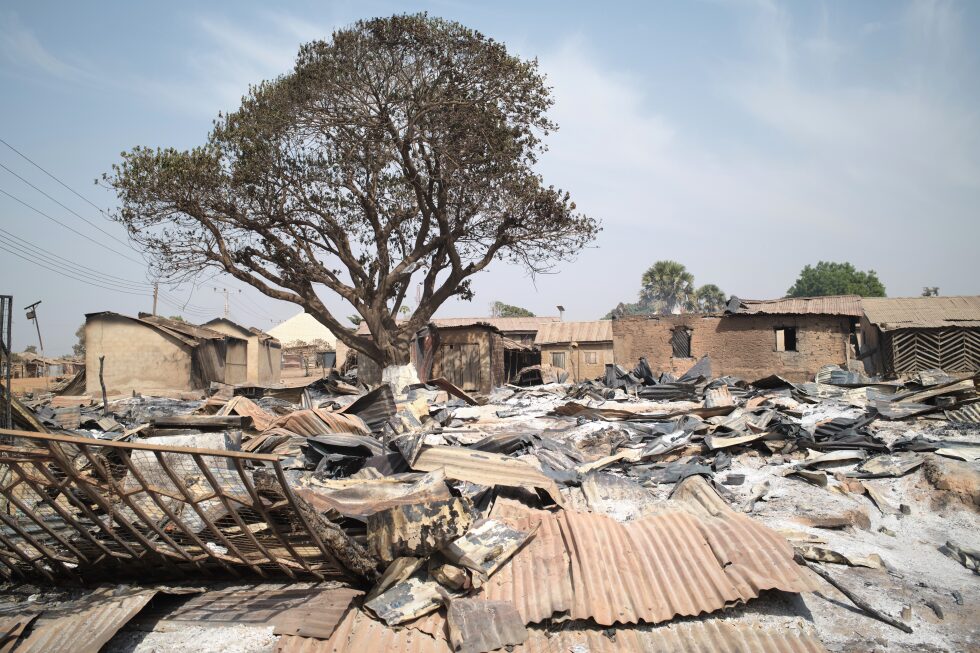
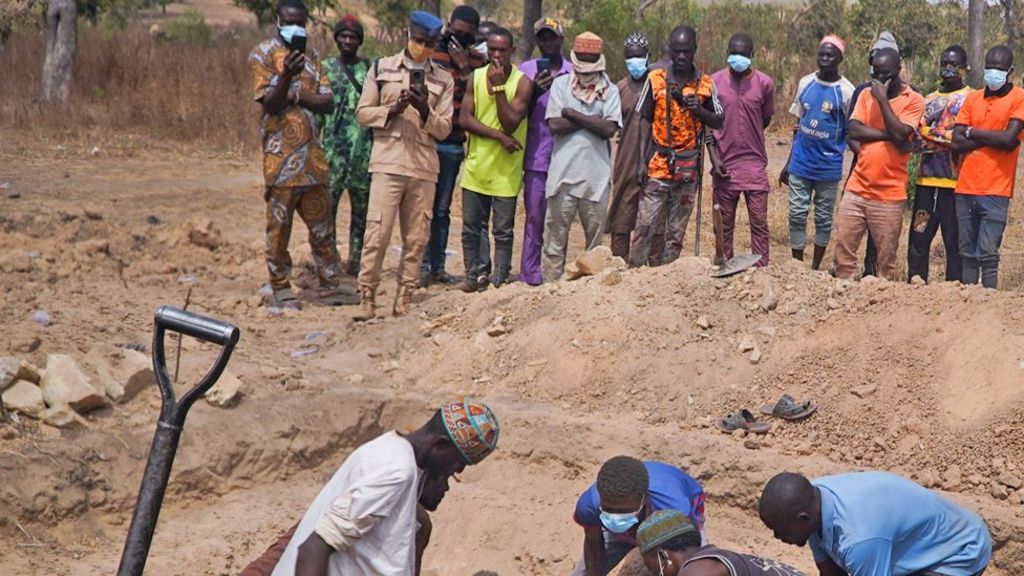
    Security forces arrived the following day to discover entire sections of both villages destroyed. The aftermath revealed burned homes and shops, abandoned motorcycles, and communities in profound mourning. Mass burials commenced immediately, with grave diggers working until exhaustion forced them to stop.

    Investigations reveal the militants had distributed pamphlets promoting extremist views for five months prior to the attack, escalating to direct threats when met with resistance. Despite traditional leaders alerting security forces about written warnings, military presence was brief and insufficient to prevent the massacre.

    The Nigerian government has approved emergency deployment of an army battalion to the region, while survivors grapple with the devastating physical and emotional consequences of an attack that specifically targeted local vigilante groups who had previously repelled similar assaults.

  • Masculinity and vulnerability aren’t exclusive, says Bafta-nominated director

    Masculinity and vulnerability aren’t exclusive, says Bafta-nominated director

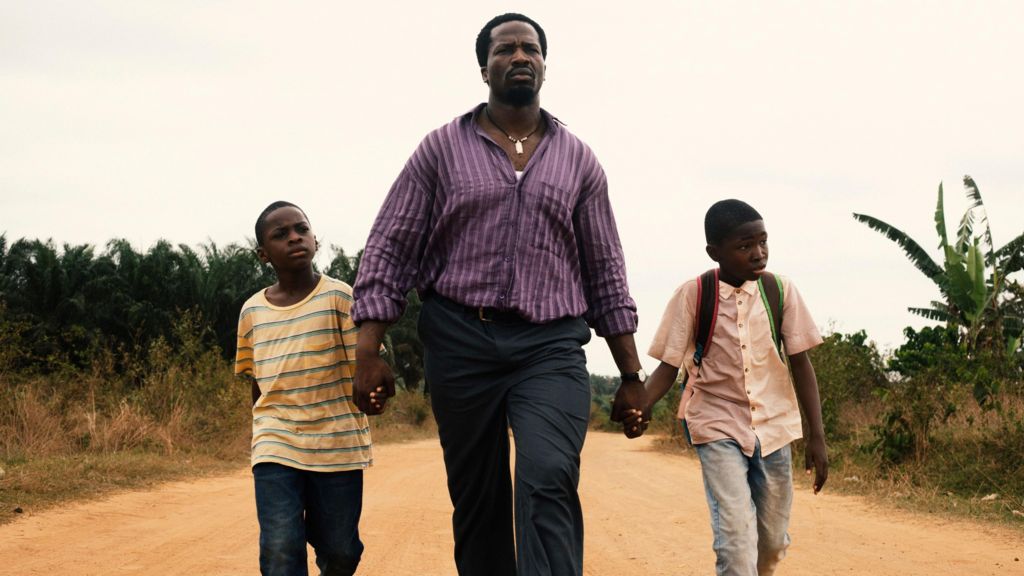
    The semi-autobiographical film ‘My Father’s Shadow’ has emerged as a groundbreaking cinematic exploration of father-son relationships within Black families. Directed by Nigerian-British brothers Akinola Davies Jr. and Wale Davies, the feature debut has garnered international acclaim since its premiere at the Cannes Film Festival, where it became the first Nigerian production selected for the event’s official program.

    The narrative unfolds during Nigeria’s historic 1993 presidential election, tracing the emotional journey of two young brothers, Akin and Remi, who experience an unexpected day with their previously absent father, Folarin. Through the children’s perspective, viewers witness a complex portrayal of masculinity that challenges stereotypical representations. The film intentionally showcases vulnerable moments, including a powerful scene where Folarin, portrayed by Sope Dirisu, openly grieves his brother’s death before his sons.

    This nuanced examination of paternal relationships has resonated deeply with audiences, particularly within the Nigerian diaspora. Ellis Lamai, a 26-year-old British-Nigerian viewer, noted how the film’s depiction of paternal pressures reflected his own family’s experience, stating it helped him understand the generational drive to ‘get past your circumstances’ that characterized many Nigerian families’ migration stories.

    Beyond its personal narrative, the directors deliberately presented an authentic portrayal of Lagos that counters Western media stereotypes. ‘We wanted to show our Lagos properly,’ Akinola emphasized, highlighting the joy and cultural richness often overlooked in external representations.

    The film’s critical success has culminated in a BAFTA nomination for Outstanding Debut by a British Writer, Director or Producer. The directors hope their achievement will inspire more community-authored stories and foster broader understanding of the complexities within parent-child relationships, particularly the importance of vulnerability and emotional connection beyond mere provision.

  • In a Nigerian village, extremists issued a call to prayer and then slaughtered those who turned up

    In a Nigerian village, extremists issued a call to prayer and then slaughtered those who turned up

    In a brutal display of escalating violence, extremist militants carried out a meticulously planned massacre across two remote Nigerian villages, leaving communities shattered and raising alarms about the southward spread of the nation’s security crisis. The attacks on Woro and Nuku in Kwara State unfolded over a terrifying ten-hour period, marking one of the deadliest incidents in Nigeria in recent months.

    Prior to the assault, residents had received written warnings from militants proclaiming their intent to impose an extreme interpretation of Islam. These threats were largely disregarded until armed gunmen arrived on motorcycles, initiating a systematic campaign of violence. The attackers moved methodically from dwelling to dwelling, executing residents, setting structures ablaze, and ultimately desecrating local mosques by conducting fake prayer calls before murdering those who gathered.

    Official reports confirm at least 162 fatalities, though survivors indicate the actual death toll approaches 200, with numerous others abducted. The aftermath revealed scenes of profound devastation: charred remains, abandoned properties, and a pervasive stench of blood hanging in the air. Distraught survivors, assisted by a handful of remaining villagers, undertook the grim task of collecting bodies using pickup trucks while struggling with insufficient manpower for proper burials.

    This tragedy highlights critical failures in Nigeria’s security apparatus. Residents reported no intervention by security forces throughout the extended attack, despite police claims to the contrary. The incident reflects broader patterns of violence spreading from northern regions, where multiple armed groups—including Boko Haram, Islamic State West Africa Province (ISWAP), and various bandit factions—operate with increasing impunity.

    The Nigerian government has responded by announcing new military operations in Kwara State and declaring a state of emergency to address the deteriorating security situation. International observers note the complexity of Nigeria’s security landscape, where violence transcends religious boundaries despite recent geopolitical accusations. The United States has engaged in military cooperation with Nigeria, conducting airstrikes against ISIS-affiliated militants and providing weaponry to combat the expanding threat.

  • Nigerian court orders UK to pay £420m over 1949 killing of miners

    Nigerian court orders UK to pay £420m over 1949 killing of miners

    In a landmark ruling with profound historical implications, a Nigerian court has mandated the British government to provide substantial compensation to families of victims from a 1949 colonial-era massacre. Justice Anthony Onovo of the Enugu High Court ordered Britain to pay $27 million (£20 million) to each of the 21 families whose relatives were killed when colonial police opened fire on striking coal miners.

    The tragic incident occurred on November 18, 1949, at the Iva Valley coal mine in Enugu, then the administrative capital of British-administered Eastern Nigeria. The miners were protesting against harsh working conditions, racial wage disparities, and unpaid back wages. When their demands were ignored, they initiated a non-violent ‘go-slow’ protest and occupied the mine to prevent management from locking them out.

    Colonial police forces, comprising both Nigerian and European officers, responded with lethal force against the defenseless strikers. Beyond the 21 fatalities, dozens more were injured in what has been described as one of the most notorious acts of repression during British colonial rule in Nigeria.

    Justice Onovo characterized the massacre as an ‘unlawful and extrajudicial violation of the right to life,’ emphasizing that the miners posed no threat to authorities. ‘These defenceless coal miners were asking for improved work conditions, they were not embarking on any violent action against the authorities, but yet were shot and killed,’ he stated in his ruling.

    The case was brought forward by human rights activist Mazi Greg Onoh, who named both the British and Nigerian governments as respondents. Professor Yemi Akinseye-George, representing the applicants, hailed the decision as ‘a significant milestone in the pursuit of historical accountability and justice for colonial-era violations, affirming that the right to life transcends time, borders, and changes in sovereignty.’

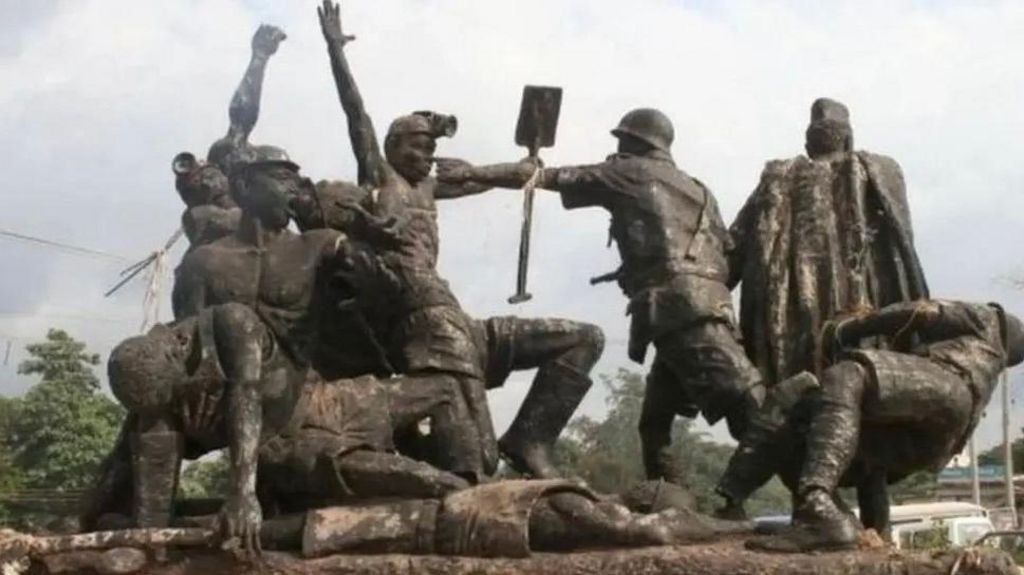
    Historians note that the 1949 massacre served as a catalyst for Nigeria’s independence movement, galvanizing public support against colonial rule and contributing to Nigeria’s eventual independence in 1960. The victims are now celebrated as heroes in the region, with memorials including a statue in central Enugu commemorating their sacrifice.

    The British Foreign Office has been approached for comment regarding the ruling and potential compensation. The decision represents the culmination of a decades-long campaign by families and rights groups seeking official acknowledgment and reparations for the historical injustice.

  • Thousands of Libyans gather for the funeral of Gadhafi’s son who was shot and killed this week

    Thousands of Libyans gather for the funeral of Gadhafi’s son who was shot and killed this week

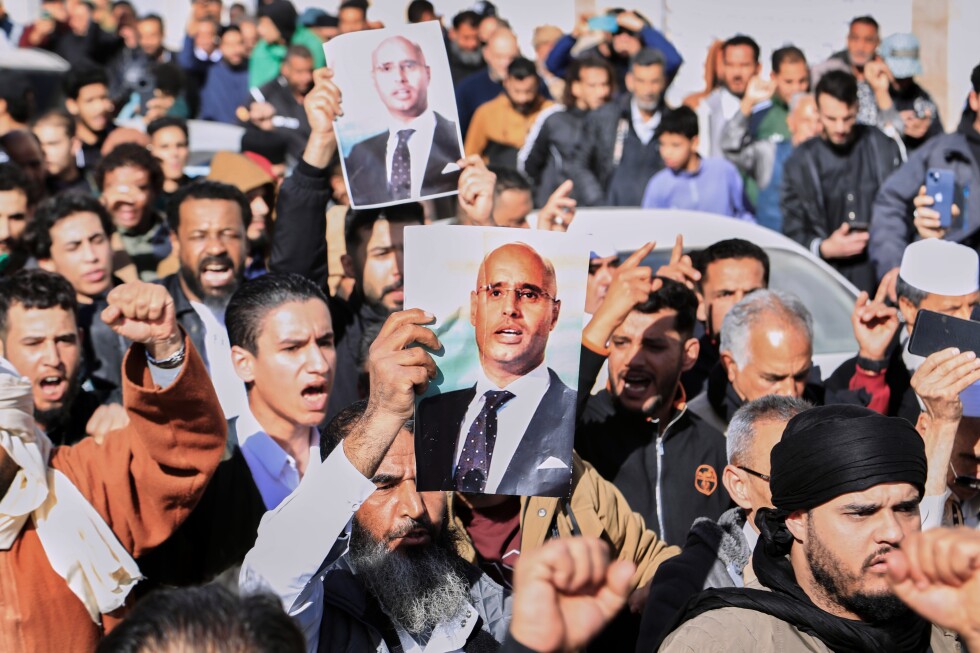
    Thousands of mourners gathered in northwestern Libya on Friday for the funeral of Seif al-Islam Gaddafi, the slain son and former heir apparent of the late Libyan dictator Moammar Gaddafi. The solemn procession in Bani Walid, located 146 kilometers southeast of Tripoli, saw supporters carrying the coffin alongside large portraits of both father and son, while waving the plain green flag that symbolized Gaddafi’s four-decade rule.

    The controversial figure, aged 53, met his end on Tuesday when four masked assailants stormed his residence in Zintan, approximately 136 kilometers southwest of the capital. According to Libya’s chief prosecutor’s office, preliminary investigations confirm he was fatally shot. His political team characterized the incident as a ‘cowardly and treacherous assassination’ executed after security cameras were deliberately disabled.

    Seif al-Islam’s trajectory reflects Libya’s turbulent post-revolution landscape. Captured in 2011 while attempting to flee to Niger, he remained imprisoned until June 2017 when a rival government granted him amnesty. His political resurgence began in 2021 when he announced presidential ambitions, though election authorities ultimately disqualified his candidacy amid widespread controversy.

    The International Criminal Court had previously charged him with crimes against humanity for his role in suppressing the 2011 uprising that ended his father’s regime. Despite this, he maintained significant support among loyalists while condemning Libya’s current leadership, describing the country as having ‘no life’ during a 2021 New York Times interview.

    His brother Mohamed Gaddafi, living in undisclosed exile, expressed profound grief on social media, noting his inability to attend the funeral while taking solace that ‘loyal sons of the nation’ would provide a fitting farewell. The assassination occurs against the backdrop of Libya’s ongoing political fragmentation, with rival administrations in east and west backed by competing armed groups and foreign governments.

  • Thumbay University Hospital performs its first advanced heart bypass surgery

    Thumbay University Hospital performs its first advanced heart bypass surgery

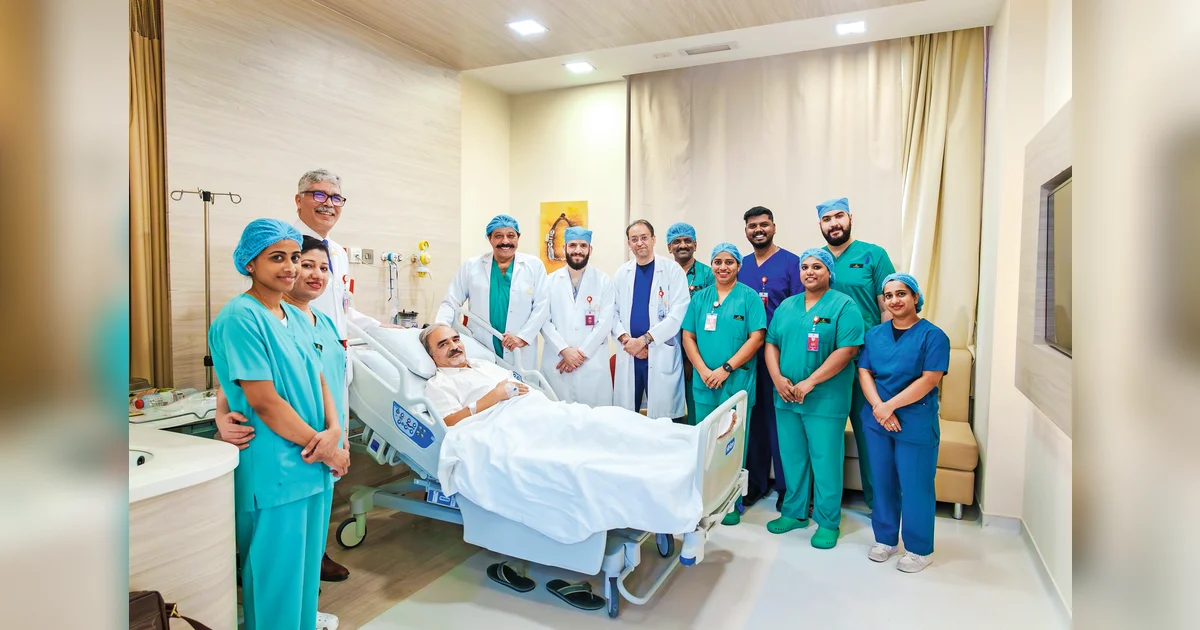
    Thumbay University Hospital has marked a transformative advancement in cardiac care with the successful execution of its inaugural coronary artery bypass grafting (CABG) surgery. This pioneering procedure establishes the hospital’s capability to deliver sophisticated cardiac surgical services within its academic medical environment.

    The landmark operation was performed on Syed Omer, a 51-year-old patient presenting with severe ischemic coronary artery disease complicated by critical left main coronary artery stenosis—a high-risk condition that severely limits cardiac blood flow. The patient’s concurrent diabetes mellitus necessitated meticulous perioperative management and specialized cardiac expertise.

    Employing the technically demanding off-pump (beating heart) technique, the surgical team conducted a double-vessel bypass without utilizing a heart-lung machine. This innovative approach minimizes physiological stress during surgery and is correlated with accelerated recovery timelines, reduced complication rates, and enhanced clinical outcomes for appropriately selected patients.

    Under the leadership of Dr. Khaled Farrag, Consultant Cardiothoracic Surgeon, the specialized cardiac team successfully implanted two grafts to circumvent blocked coronary arteries, effectively restoring optimal blood circulation to the heart muscle. The patient has been discharged, resumed normal activities, and continues to receive remote medical monitoring.

    Akbar Moideen Thumbay, Vice President of the Healthcare Division at Thumbay Group, characterized the achievement as: “This inaugural bypass surgery transcends mere medical procedure—it heralds a new epoch of advanced cardiac care within our academic healthcare network. This milestone demonstrates our clinical proficiency, infrastructural robustness, and enduring dedication to delivering complex, life-preserving treatments accessible to the community. It reaffirms our conviction that university hospitals must pioneer both educational and clinical excellence.”

    The successful operation validates the hospital’s operational preparedness for managing intricate cardiac conditions, including high-risk coronary artery disease. The cardiac program is supported by state-of-the-art surgical facilities, intensive care units, comprehensive diagnostic capabilities, and fully integrated emergency and rehabilitation services.

    This development ensures patient access to advanced cardiac surgery within an academic medical institution supported by evidence-based treatment protocols, continuous scholarly oversight, and multidisciplinary medical expertise.

  • Restaurant Review: A 360-degree immersive spectacle at Krasota

    Restaurant Review: A 360-degree immersive spectacle at Krasota

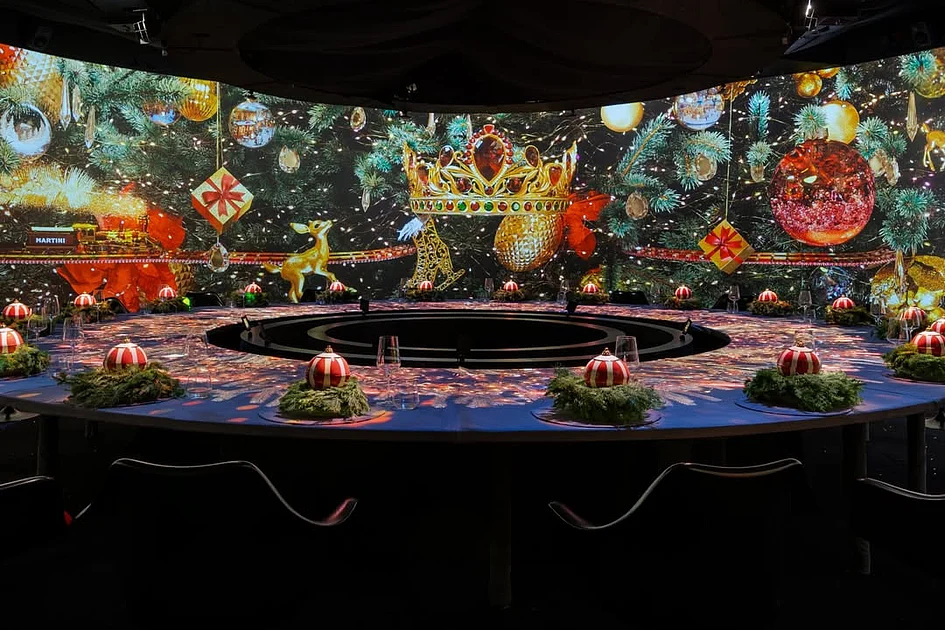
    In a city renowned for its spectacular attractions, Dubai’s Krasota restaurant has redefined immersive dining by seamlessly blending cutting-edge digital artistry with exceptionally disciplined cooking. Located at The Address Downtown, this establishment offers more than mere sustenance—it presents a meticulously crafted narrative experience that engages all senses without overshadowing its culinary foundation.

    The journey begins in the dimly lit bar area, transitioning into a revolutionary dining space centered around a 360-degree communal table. Here, digital projections unfold across surrounding surfaces, creating evolving visual narratives that complement each course. What distinguishes Krasota from other immersive dining concepts is its unwavering commitment to culinary excellence—the technological spectacle enhances rather than dominates the experience.

    Executive Chef Vladimir Mukhin’s philosophy permeates the menu through precisely executed, thoughtfully composed dishes that demonstrate military-like discipline. The kitchen’s approach ensures that even without the visual theatrics, the food would stand as remarkable in its own right. This balance represents a significant achievement in multisensory dining, where technological innovation and gastronomic artistry coexist harmoniously.

    Standout dishes include the tropical cheesecake, celebrated for its perfect equilibrium of sweetness, acidity, and textural complexity. Service complements the experience through impeccably timed, attentive yet unobtrusive coordination that maintains the narrative flow. Each course arrives with deliberate intention, accompanied by visual elements that shift mood and emotion while respecting the food’s primacy.

    With an overall rating of 8.8/10, Krasota represents a new paradigm in luxury dining—one where technological innovation and culinary tradition converge to create memorable, multi-layered experiences that engage both palate and imagination.

  • Facing high Trump tariffs, Africa’s leading economy says it’s close to a new trade deal with China

    Facing high Trump tariffs, Africa’s leading economy says it’s close to a new trade deal with China

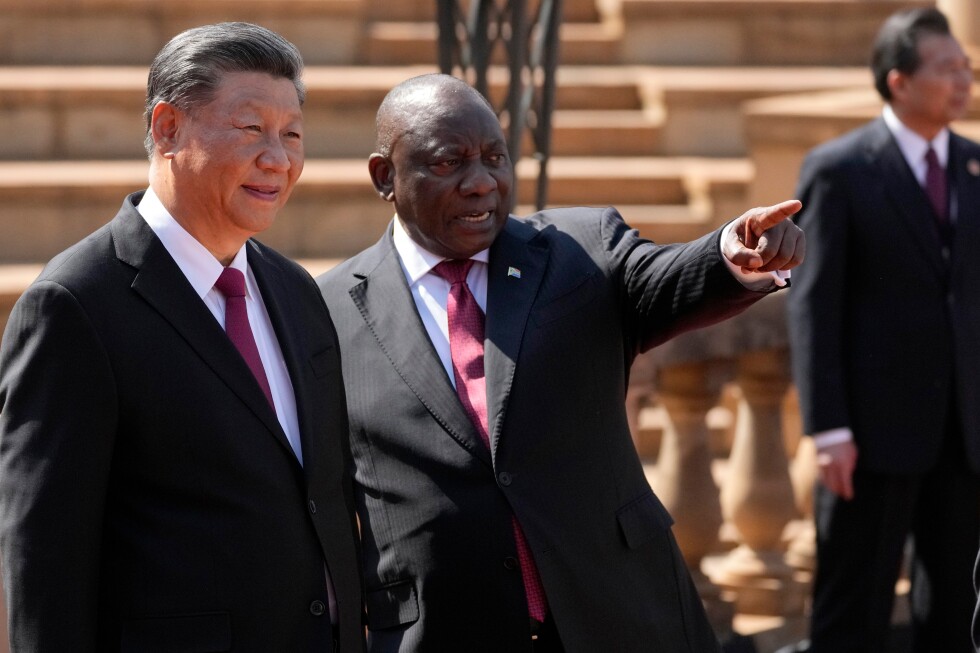
    CAPE TOWN, South Africa — In a significant strategic pivot, South Africa has formalized a new trade framework agreement with China, seeking alternative economic partnerships following strained relations with the United States. The agreement, signed on Friday by South African Trade and Industry Minister Parks Tau during his visit to China, initiates negotiations aimed at securing duty-free access for key South African agricultural exports, including fruits, to Chinese markets.

    The South African Ministry of Trade and Industry anticipates finalizing the comprehensive trade pact by the end of March. In exchange for market access, China secures enhanced investment opportunities within South Africa’s growing automotive sector, where Chinese vehicle manufacturers have dramatically expanded their market presence from approximately 2.8% in 2020 to between 11-15% last year.

    This development occurs against the backdrop of deteriorating US-South Africa relations, which have reached their lowest point in decades. The Trump administration imposed substantial 30% tariffs on select South African goods under its reciprocal tariffs policy, while simultaneously excluding the nation from Group of 20 meetings. Diplomatic tensions escalated further following US allegations regarding South Africa’s foreign policy orientation and domestic land reform issues, which Pretoria has firmly denied.

    China already stands as South Africa’s predominant trading partner for both imports and exports, with primary exports including gold, iron ore, and platinum-group metals. The agreement reinforces China’s expanding economic influence across the African continent, particularly in the extraction of critical minerals essential for high-technology manufacturing. Notably, Chinese automaker BYD recently surpassed Tesla as the world’s leading electric vehicle manufacturer in 2025, underscoring the sector’s strategic importance.

    The South African government expressed commitment to pursuing “friendly, pragmatic, and flexible” cooperation with China, anticipating substantial benefits for its mining, agriculture, renewable energy, and technology sectors through this enhanced partnership.