标签: Africa

非洲

  • Police deny claims Uganda opposition leader abducted by helicopter

    Police deny claims Uganda opposition leader abducted by helicopter

    Uganda’s political landscape remains fraught with tension as authorities and opposition figures offer conflicting narratives regarding the whereabouts and status of presidential challenger Bobi Wine. The National Unity Platform (NUP) party leader’s residence in Kampala has become the epicenter of a deepening crisis, with police asserting controlled access due to security concerns while Wine’s family alleges his abduction by helicopter.

    The electoral commission’s latest figures indicate a substantial lead for incumbent President Yoweri Museveni, showing 72% of counted votes against Wine’s 24% with 94% of polling stations reporting. These results emerge against the backdrop of a nationwide internet blackout implemented earlier this week, severely hampering information verification and communication capabilities.

    Police spokesman Kituuma Rusoke categorically denied abduction allegations during a Saturday press briefing, characterizing family claims as “untrue” and “unfounded.” He explained that security measures around Wine’s property were necessary to prevent gatherings that could potentially incite violence or destabilize national security.

    Contradictory accounts emerged from Wine’s son, Solomon Kampala, who initially reported both parents’ seizure before later asserting his father had “escaped” while his mother remained under house arrest. These developments occurred alongside reports of opposition supporter fatalities in Butambala and documented instances of security forces employing tear gas and warning shots to disperse gatherings.

    Technical difficulties plagued Thursday’s electoral process, with voting delays of up to four hours reported at numerous stations due to malfunctioning biometric verification systems and delayed ballot box deliveries. Electoral chief Simon Byabakama maintained that vote counting proceeded unaffected by communication restrictions, with final results expected by Saturday afternoon.

    The campaign period preceding this election witnessed significant violence and allegations of suppression against opposition activities. Museveni, seeking an unprecedented seventh term after initially assuming power in 1986, positions himself as Uganda’s sole guarantor of stability. Meanwhile, Wine—a former pop star representing the country’s substantial youth demographic—has campaigned on anti-corruption platforms and sweeping reform promises.

    Uganda’s Communications Commission justified internet suspension as necessary to prevent misinformation, fraud, and violence incitement, though the United Nations human rights office condemned this measure as “deeply worrying.”

  • Ugandan police deny arrest of opposition leader as country awaits final election results

    Ugandan police deny arrest of opposition leader as country awaits final election results

    Ugandan authorities have officially refuted claims regarding the detention of prominent opposition figure Bobi Wine during the highly charged electoral period. Police spokesperson Kituuma Rusoke characterized reports of the arrest as “deceitful and inciteful” while confirming that security measures had been implemented around the opposition leader’s residence to prevent potential violence incitement.

    The general elections conducted on Thursday occurred under extraordinary circumstances, featuring a nationwide internet blackout extending into its fourth day and substantial military deployment across the country. Isolated incidents of violence emerged as citizens protested parliamentary election outcomes in various regions.

    Incumbent President Yoweri Museveni, aged 81 and pursuing an unprecedented seventh term, maintains a commanding lead in provisional results with over 70% of counted votes. His primary challenger, musician-turned-politician Kyagulanyi Ssentamu (popularly known as Bobi Wine), has secured approximately 20% of the vote according to initial tallies. Wine has vehemently dismissed these results as “fabricated” and urged his supporters to disregard the announced figures.

    Electoral officials are constitutionally mandated to announce final presidential results by Saturday’s conclusion. The electoral commission chairperson confirmed plans to meet this deadline despite operational challenges that plagued the voting process, including delayed delivery of materials to polling stations and technical failures of biometric verification systems.

    President Museveni endorsed the commission’s decision to utilize paper-based voter registration records as an alternative to malfunctioning digital systems. However, Wine’s campaign has alleged systematic electoral manipulation, citing instances of “massive ballot stuffing” and the abduction of party polling agents to create unfair advantages for the ruling party.

    The election period has been marked by intense security presence, with opposition figures reporting constant surveillance and harassment of supporters. Wine notably campaigned wearing protective gear including a flak jacket and helmet due to security concerns. Uganda continues to await the final election announcement while maintaining its historical pattern of never experiencing peaceful presidential power transition since gaining independence six decades ago.

  • AGN Skyline Developers breaks ground on Casa Aura, an exclusive family-oriented residential project in Dubai South

    AGN Skyline Developers breaks ground on Casa Aura, an exclusive family-oriented residential project in Dubai South

    AGN Skyline Developers has officially commenced construction on Casa Aura, a meticulously planned family-oriented residential project within Dubai’s rapidly expanding Dubai South district. The groundbreaking ceremony, attended by company leadership, consultants, and project partners, marks the transition from planning to active construction phase for this exclusive development.

    Spanning 2,586.97 square meters across five low-rise stories, Casa Aura represents a strategic expansion of Dubai’s residential offerings tailored specifically for family living. The development incorporates contemporary architectural design paired with premium amenities including a dedicated padel court, swimming pool, state-of-the-art fitness facility, jogging track, basketball court, and open-air cinema. Additional community features include lounge and BBQ areas, children’s play zones, and comprehensive security systems with CCTV surveillance.

    The residential units feature open-plan layouts with expansive balconies, premium European finishes, and integrated smart home technology. Fully equipped kitchens with high-quality appliances, spa-inspired bathrooms, and bedrooms designed for optimal natural light contribute to a refined living environment targeting modern family needs.

    Strategically positioned within the 145-square-kilometer Dubai South master development, Casa Aura benefits from proximity to critical infrastructure including Al Maktoum International Airport, Jebel Ali Port, Expo City Dubai, and major commercial and residential centers. This location places residents within an emerging economic and residential hub with exceptional connectivity.

    From an investment perspective, the project offers a structured payment plan spanning 22 months post-booking, with installments synchronized to construction milestones. The development capitalizes on Dubai South’s growing infrastructure, increasing residential demand, and investor-friendly policies including full tax exemption and on-site visa processing services.

    Abdul Ghaffar, Managing Director and CEO of AGN Skyline Developers, emphasized the project’s philosophy: “Our focus extends beyond construction to creating genuine homes where families can establish roots, build connections, and thrive. Casa Aura embodies our commitment to developing thoughtfully planned communities that deliver lasting value for both residents and investors.”

    With construction now underway, the project advances toward its completion timeline, reinforcing AGN Skyline Developers’ reputation for quality-focused development and timely project execution in Dubai’s competitive real estate market.

  • From camouflage to tracksuits – Guinea’s junta leader poised to become civilian president

    From camouflage to tracksuits – Guinea’s junta leader poised to become civilian president

    Colonel Mamadi Doumbouya, who seized power in Guinea through a military coup in September 2021, is poised to be sworn in as the nation’s elected president on Saturday following a controversial electoral process. The 41-year-old former special forces commander, who initially promised not to seek elected office, secured 87% of the vote in December’s election against a severely constrained opposition field.

    Doumbouya’s political transformation has been accompanied by a deliberate image makeover. The once-imposing military figure, known for his mirrored sunglasses and red beret, has increasingly adopted civilian attire—baseball caps, tracksuits, and traditional Guinean boubous—while engaging in public activities such as school openings and cycling through Conakry’s streets. This carefully curated presentation aims to project him as a civilian leader working on behalf of the people, according to security analyst Beverly Ochieng of Control Risks.

    Despite his popular support evidenced by Afrobarometer polls showing trust in the president growing from 46% to 53% between 2022-2024, Doumbouya faces significant criticism over his democratic credentials. Exiled former Prime Minister Cellou Dalein Diallo has dismissed the election as a charade with fabricated results. Researchers point to banned political demonstrations, excluded opposition candidates, suspended parties, and mysterious disappearances of activists and journalists as evidence of democratic backsliding.

    Doumbouya’s governing philosophy emphasizes national sovereignty and resource nationalism. His government has canceled dozens of mining contracts deemed insufficiently beneficial to Guinea and is pursuing greater local processing of mineral resources. The development of Simandou’s massive iron-ore deposits, partially owned by Chinese and Western companies, represents a potential economic transformation that could define his presidency.

    Internationally, Doumbouya has maintained a pragmatic approach, avoiding the outright rejection of France seen in other West African coup states despite his French education and marriage to a French citizen. His administration promises to invest mining revenues in infrastructure, health, and education as Guinea seeks to leverage its natural resources despite persistent poverty.

  • ‘UAE is guiding star’: Awqaf forum highlights how nation became beacon of safety

    ‘UAE is guiding star’: Awqaf forum highlights how nation became beacon of safety

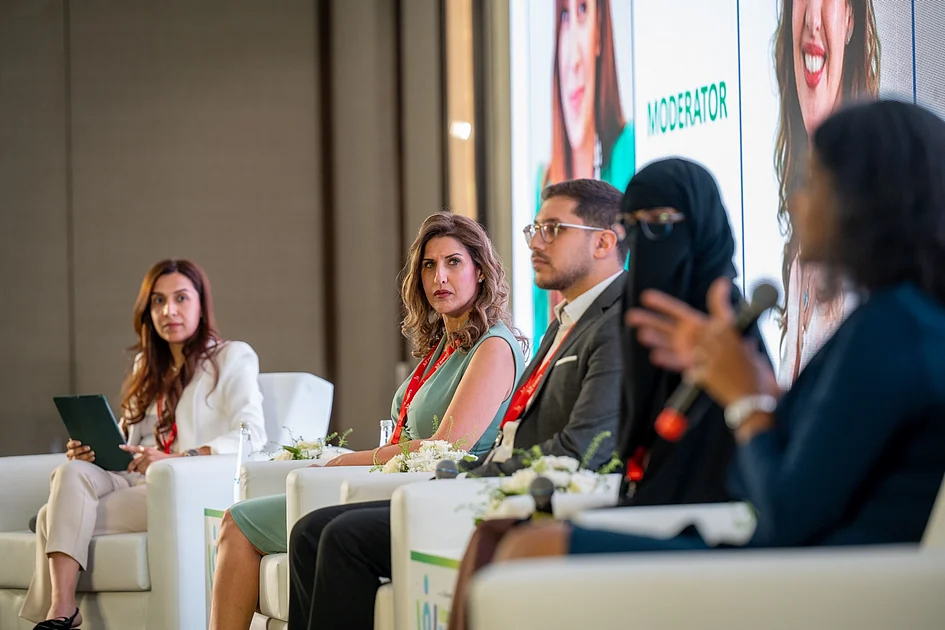
    Under the spiritual inspiration of Al Isra wal Miraj, Al Ain hosted the second season of the Wal-Najm Forum, organized by the General Authority of Islamic Affairs, Endowments and Zakat (Awqaf). Themed “Mawaqiʿ Al-Nujum: Values and Sciences,” the event served as a platform to reinforce the Emirati family’s crucial role in preserving national identity while cultivating generations that harmonize faith with contemporary knowledge.

    Omar Habtoor Al Darei, Chairman of Awqaf, articulated that under President Sheikh Mohamed bin Zayed Al Nahyan’s leadership, the UAE has crafted a distinctive national paradigm that merges robust values with scientific openness. He characterized the nation as “a beacon of safety and an enduring human value,” emphasizing dignity-centered development. Al Darei elaborated on the forum’s celestial symbolism, noting that in Islamic tradition, stars represent profound guidance and elevated principles rather than mere astronomical phenomena—drawing a parallel to the UAE’s role as a guiding star that extends genuine goodness to humanity.

    The forum featured an insightful panel discussion examining the family unit as the primary guardian of cultural values, while stressing the necessity of synergistic collaboration between families and educational institutions to prepare students for future challenges without compromising core principles.

    Zaki Anwar Nusseibeh, Cultural Adviser to the UAE President, highlighted the nation’s unique development approach where technological advancement consistently aligns with cultural authenticity. He noted that UAE leaders have been recognized “for their ethics before their achievements and for their values before their policies.”

    Sarah bint Yousif Al Amiri, Minister of Education, addressed the integration of future-oriented subjects like artificial intelligence and programming into curricula, clarifying that technology serves as a tool whose value derives from its application. She emphasized that preserving national identity requires “a strong and effective partnership between schools and families.”

    The event concluded with ceremonies honoring winners of the Hafeet Religious Talents Competition, which attracted 705 participants from 450 institutions, including 26 determined individuals with special needs, and engaged over 11,000 voters during public voting phases. The forum was attended by Sheikh Mohammed bin Hamdan bin Zayed Al Nahyan, along with numerous ministers, officials, and intellectual leaders.

  • Watch: Iranian journalist breaks down at UN while reading names of protesters killed

    Watch: Iranian journalist breaks down at UN while reading names of protesters killed

    In a profoundly emotional address at the United Nations, Iranian journalist and activist Masih Alinejad delivered a heartbreaking testimony that laid bare the human cost of Iran’s ongoing civil unrest. Overcome with grief, her voice trembled as she recited the names of protesters killed during recent demonstrations, creating a powerful moment of human connection amid diplomatic formalities.

    The emotional climax occurred when Alinejad recounted the death of 28-year-old Negin Ghadimi, who perished in her father’s arms after being shot by members of Iran’s Revolutionary Guards. ‘I feel guilty that I don’t name the rest,’ Alinejad stated, her composure breaking. ‘The list of names goes on and on. They knew they would face guns and bullets, but they wanted justice.’

    Beyond the emotional appeal, Alinejad delivered a scathing condemnation of Iran’s clerical leadership, drawing direct comparisons to the terrorist organization Daesh (ISIS). She challenged the international community to move beyond symbolic gestures and empty condemnations. ‘The Iranian people are asking the world to help through actions, not back-to-back meetings,’ she asserted. ‘The Islamic Republic behaves like Daesh, and the Islamic Republic must be treated like Daesh. This is how you can save lives.’

    This powerful address comes amid what human rights organizations describe as the deadliest wave of dissent in Iran in years. According to the US-based HRANA rights group, the death toll from recent protests has reached 2,571 individuals, including 2,403 verified protester deaths, 147 government-affiliated casualties, 12 minors, and 9 non-protesting civilians. Iranian authorities have acknowledged approximately 2,000 fatalities—their first official death toll recognition after more than two weeks of nationwide unrest.

    The current protests, initially sparked by dire economic conditions, have evolved into the most significant internal challenge to Iran’s leadership in at least three years. This domestic turmoil coincides with intensified international pressure following Israeli and US military actions against Iranian targets last year, creating a complex geopolitical landscape that amplifies the significance of Alinejad’s emotional appeal for concrete international intervention.

  • Museveni in commanding lead ahead of election announcement

    Museveni in commanding lead ahead of election announcement

    Early electoral results from Uganda’s presidential race indicate a substantial advantage for long-serving incumbent Yoweri Museveni. The 76-year-old leader, who has held power since 1986, is significantly outpacing his primary opponent, Robert Kyagulanyi, the musician and legislator popularly known as Bobi Wine.

    The electoral commission’s preliminary tallies show Museveni maintaining a dominant position as vote counting progresses across the nation. This development follows an intensely contested campaign period marked by widespread allegations of government suppression, internet restrictions, and violent clashes between security forces and opposition supporters.

    International observers and human rights organizations have raised serious concerns about the electoral process’s fairness, citing the arrest of opposition figures, restrictions on independent media coverage, and the government’s shutdown of internet services during the critical voting period. Despite these challenges, electoral officials maintain that the process has been conducted according to established procedures.

    The outcome of this election carries significant implications for Uganda’s political trajectory and its relations with international partners. Museveni’s potential extended tenure would represent a continuation of policies that have characterized his leadership, while a surprise outcome favoring Kyagulanyi would signal a dramatic political shift for the East African nation.

  • UAE: Friday sermon marks anniversary of January 17 Houthi attack

    UAE: Friday sermon marks anniversary of January 17 Houthi attack

    The United Arab Emirates observed a solemn national commemoration on Friday, marking four years since Houthi rebel forces launched deadly attacks against civilian infrastructure in Abu Dhabi. Special sermons titled ‘Day of Determination’ were delivered across mosques nationwide, honoring the resilience and unity demonstrated by Emirati citizens and armed forces during the January 17, 2022 assault.

    The coordinated attacks targeted Musaffah ICAD 3’s industrial area and a construction zone at Abu Dhabi International Airport, resulting in catastrophic explosions of petroleum tankers that claimed three civilian lives and left six individuals injured. The Iran-backed Houthi militia subsequently acknowledged responsibility for these strikes against non-military targets.

    Official statements read during Friday prayers emphasized national pride in the populace’s steadfast support for leadership and vision. “Our Armed Forces have demonstrated unparalleled bravery and made the greatest sacrifices, proving their deep love for the nation’s soil,” the sermon proclaimed, characterizing the anniversary as a moment to reflect on Emirati determination.

    Dubai Crown Prince Sheikh Hamdan bin Mohammed bin Rashid Al Maktoum reinforced this message, announcing scheduled national media programming for Saturday morning featuring the national anthem as a symbolic renewal of collective pledge toward national progress. Previous commemorations have drawn similar responses from top leadership, with President Sheikh Mohamed previously describing the date as commemorating “the strength, resilience, and solidarity of the people of the UAE.”

    The annual observance serves both as memorial for victims and affirmation of national security resolve amid ongoing regional tensions involving Yemeni rebel factions.

  • UAE: This new AI system can predict heart disease risks up to 12 years in advance

    UAE: This new AI system can predict heart disease risks up to 12 years in advance

    Researchers at Mohamed bin Zayed University of Artificial Intelligence have developed a groundbreaking artificial intelligence system capable of predicting cardiovascular mortality risks up to twelve years before symptoms manifest. The innovative technology, named GluFormer, leverages continuous glucose monitoring data to identify subtle metabolic patterns that conventional blood tests consistently overlook.

    Published in the prestigious journal Nature, the study co-led by Professor Eran Segal demonstrates how wearable glucose monitors—typically utilized by diabetes patients—can uncover hidden health dangers years before clinical signs emerge. The AI model analyzed over 10 million glucose measurements collected from 10,812 participants, most without diabetes, tracking readings at 15-minute intervals to capture comprehensive metabolic patterns.

    GluFormer achieved remarkable predictive accuracy, identifying 69% of cardiovascular deaths within its highest-risk category while recording zero fatalities in the lowest-risk group during the study period. ‘Traditional blood tests act like a single still frame,’ Professor Segal explained. ‘GluFormer analyzes the entire feature film of your metabolic life.’

    The research holds particular significance for the UAE, where recent reports indicate approximately 40% of both adults and children face obesity-related health challenges, contributing to increased prevalence of diabetes, heart disease, and cancer.

    The AI system functions by detecting ‘risk trajectories’—patterns revealing how the body manages energy during daily activities, including post-meal responses and sleep metabolism. Rather than focusing on isolated readings, GluFormer assesses continuous glucose dynamics to generate personalized risk forecasts. Surprisingly, 40% of participants classified as ‘normal’ through traditional fasting glucose tests exhibited patterns consistent with prediabetes when monitored continuously.

    For predictive purposes, participants only required 10-14 days of continuous glucose monitoring. In comparative assessments, GluFormer outperformed HbA1c—the current clinical standard—by identifying 66% of future diabetes cases among prediabetic individuals. Beyond cardiovascular risk, the model successfully forecasted indicators related to visceral fat accumulation, kidney function, liver health, and lipid profiles years in advance.

    An enhanced version incorporating dietary data alongside glucose readings demonstrated improved prediction accuracy for over 90% of participants regarding eating patterns. The long-term vision involves creating a ‘digital twin’ of individual metabolism—a virtual model simulating how lifestyle modifications might influence future health outcomes.

    While the scientific validation is complete, Professor Segal notes that widespread clinical implementation requires additional trials and healthcare infrastructure upgrades to manage continuous data streams. Given UAE’s direct involvement in this pioneering research, local institutions are optimally positioned to participate in subsequent validation studies as predictive medicine advances toward practical application.

  • UAE’s mobility planning needs to keep up with urban growth, Al-Futtaim study shows

    UAE’s mobility planning needs to keep up with urban growth, Al-Futtaim study shows

    A comprehensive analysis by Al-Futtaim reveals a critical disconnect between urban development and transportation systems across rapidly growing UAE communities. The white paper ‘Rethinking Urbanisation and Mobility in the GCC’ demonstrates how accelerated urban densification is creating accessibility challenges even in otherwise sustainable neighborhoods.

    According to Ellora-Julie Parekh, Chief Sustainability Officer at Al-Futtaim, current planning approaches remain fragmented. “Decision-making occurs in community-level silos with mobility considerations treated as an afterthought,” Parekh explained. This methodology has resulted in practical difficulties with ingress and egress from otherwise well-designed communities.

    The research incorporated survey data from 2,000 UAE residents which revealed unanimous concern about traffic congestion as the primary urban challenge. While preferences for liveability factors varied by nationality—ranging from affordability to safety and green spaces—congestion emerged as the universal priority. Despite these concerns, only 33% of respondents currently utilize public transportation, with 30% citing lack of availability in their areas.

    The study identifies significant momentum toward green mobility transitions, with 24% of car buyers intending to purchase new energy vehicles within two years. However, charging infrastructure remains the principal barrier to electric vehicle adoption, surpassing range anxiety concerns. Parekh compared the current charging situation to early broadband development, emphasizing that “ubiquitous charging requires collaboration between private sector and government.

    Looking forward, the report advocates for integrated planning utilizing digital modeling and AI technologies. “Cities can now create digital twins of future spaces to test scenarios before construction,” Parekh noted, highlighting how predictive analytics could prevent costly retrofits and improve coordination between urban development and transportation systems.