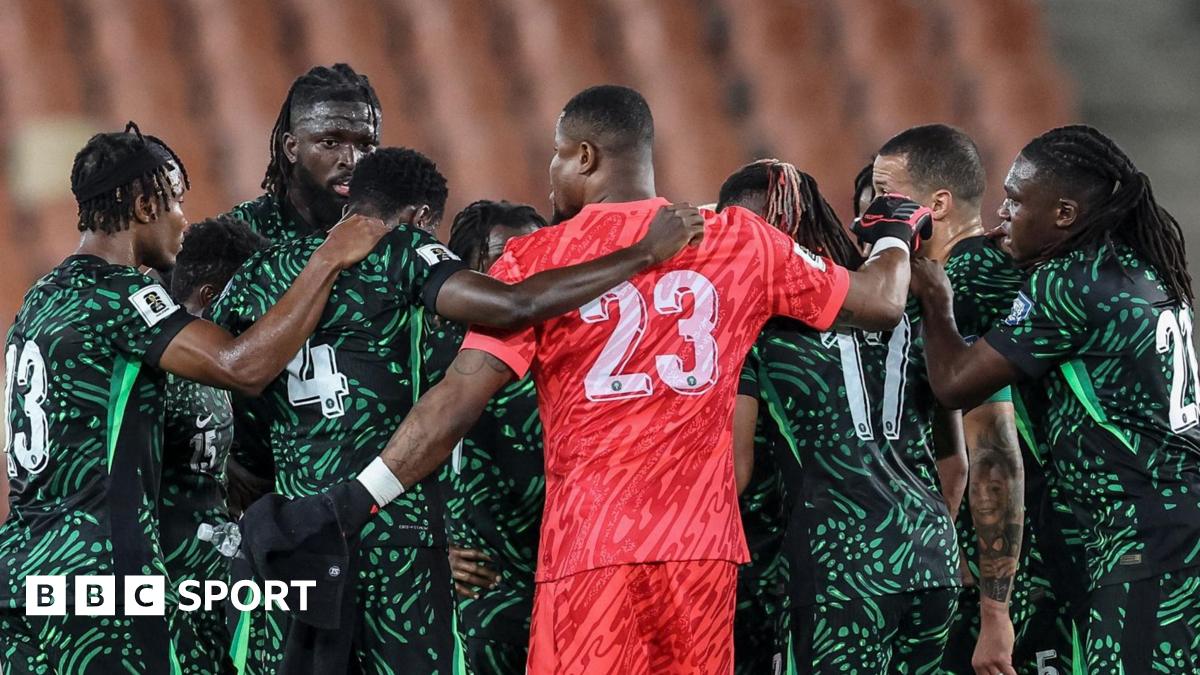
Nigeria’s national football team, the Super Eagles, has thrown their 2026 FIFA World Cup qualifying campaign into uncertainty after players and technical staff boycotted training on Tuesday. The protest, just two days before their crucial play-off match against Gabon in Morocco, stems from longstanding unpaid allowances and match bonuses. Reports suggest the squad is demanding a special bonus for this month’s African play-offs, adding to the financial grievances.
标签: Africa
非洲
-
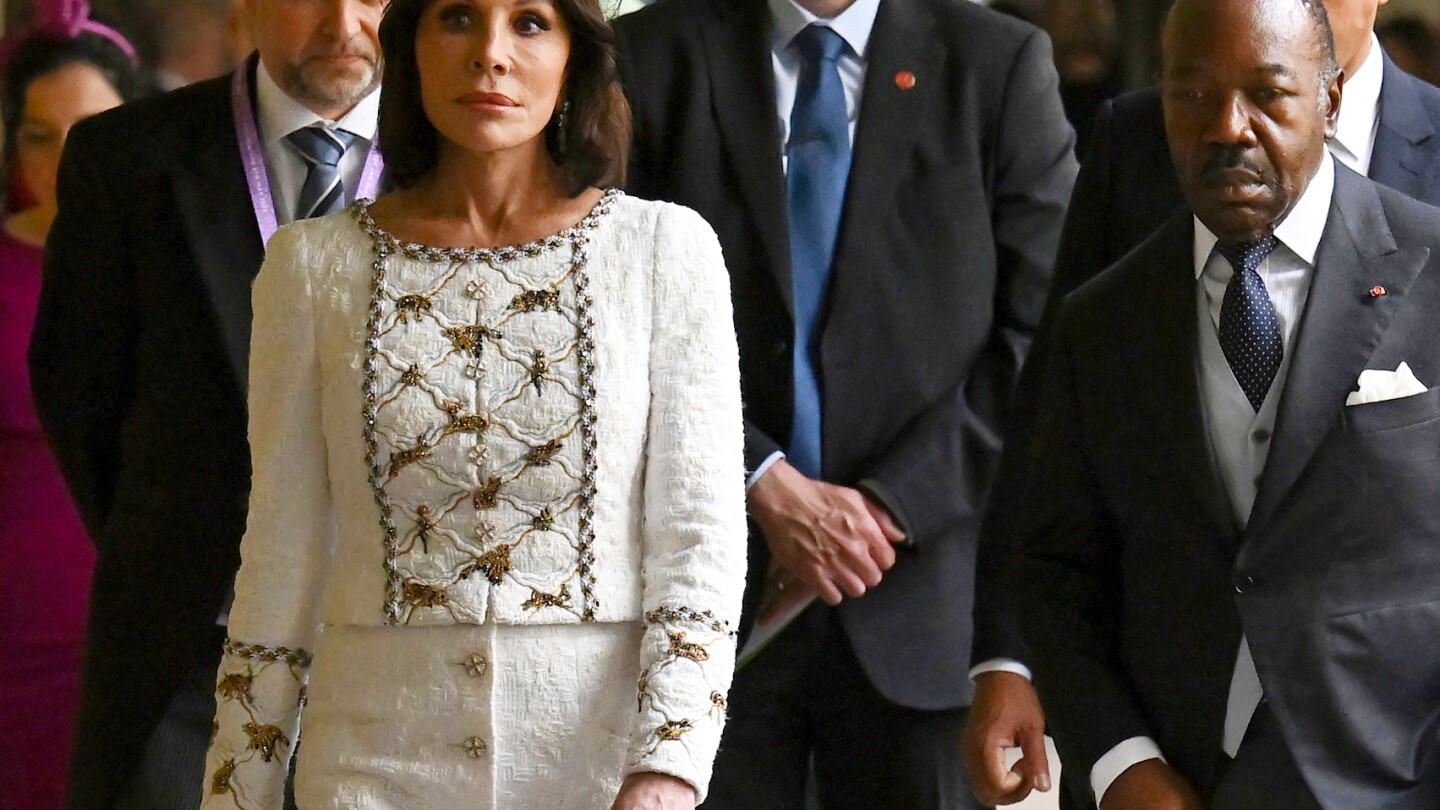
Gabon court sentences former first lady and president’s son to 20 years in prison
In a landmark ruling, Gabon’s special criminal court has sentenced former first lady Sylvia Bongo and her son, Noureddin Bongo Valentin, to 20 years in prison for a series of high-profile crimes. The duo, tried in absentia, faced charges including embezzlement of public funds, money laundering, criminal association, and forgery. The court also issued arrest warrants and ordered them to pay millions in damages for crimes against the Gabonese state. The verdict, delivered late Tuesday, was met with criticism from Valentin, who labeled the trial a “predetermined formality” under President Oligui Nguema’s administration. Sylvia Bongo and Valentin were central figures during former President Ali Bongo’s 14-year rule, which ended abruptly in a 2023 coup following a disputed election. The Bongo family’s 56-year political dynasty, initiated by Ali’s father, Omar Bongo, who ruled for 42 years, came to an end with the coup. Prosecutors accused the pair of exploiting Ali Bongo’s health issues to manipulate state funds. Witnesses testified that Valentin, who served as coordinator of presidential affairs, effectively controlled the presidential palace after his father’s 2018 stroke. Following the coup, both were detained for 20 months before being allowed to leave the country. Now residing in London with French citizenship, the Bongos refused to participate in the trial. Prosecutors presented evidence of their lavish lifestyle, including private jets and luxury properties in London and Morocco. “They reigned unchallenged and portrayed themselves as victims of the system they created,” stated Eddy Minang, the prosecutor general at the Libreville Court of Appeal.
-
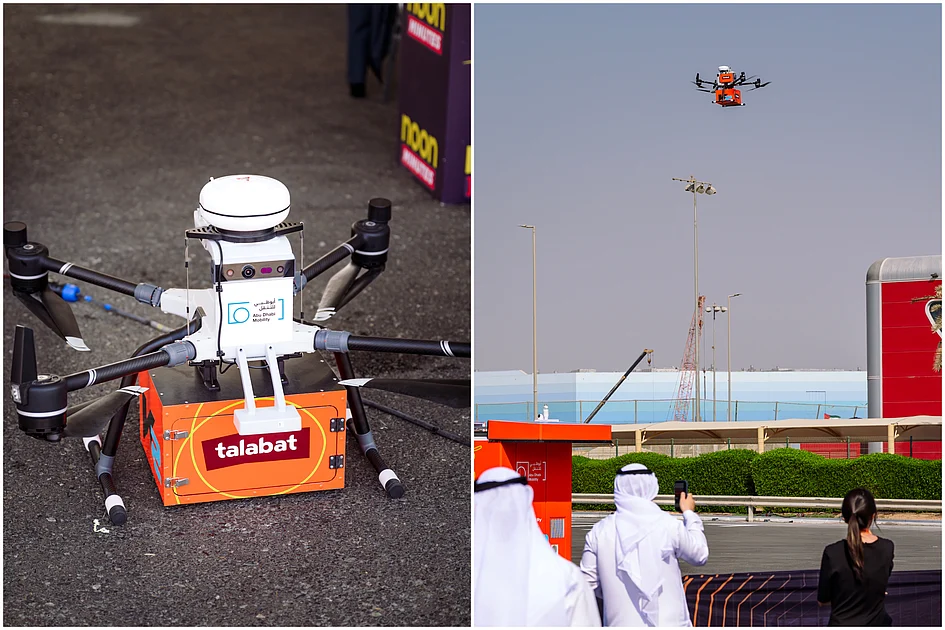
Watch: This drone will deliver your Talabat food orders soon in UAE
Abu Dhabi is on the brink of transforming the food delivery landscape with the introduction of drone-powered deliveries through the Talabat app. Test flights are already underway, and the first customer orders are anticipated to be fulfilled within weeks. This innovative service will allow customers to order groceries and meals via the Talabat app, with drones transporting the orders to designated drop-off stations, referred to as DOS (Drop-Off Stations).
Waleed Al Blooshi, Vice President of Strategy at K2, an Abu Dhabi Government-owned advanced technology company, explained the process: ‘The drone will fly from the Talabat kitchen or restaurant to the DOS, where customers can collect their orders using a secure code or QR code. The packaging has been specially designed to withstand the UAE’s challenging weather conditions, ensuring the food remains intact.’
Currently, two drones are being tested at DriftX, an exhibition showcasing smart, autonomous, and sustainable urban mobility during the Abu Dhabi Autonomous Week at Yas Marina Circuit. Al Blooshi emphasized that this is just the beginning, with plans to expand the service across Abu Dhabi. ‘We are starting with drop-off stations strategically located throughout the city, though we haven’t yet explored direct deliveries to homes or apartments,’ he added.
The collaboration between K2 and Talabat is set to be formalized during DriftX, with operations expected to commence shortly thereafter. Al Blooshi highlighted the company’s rapid pace of innovation, stating, ‘At K2, we work fast. We can launch the service in less than 45 days.’
This initiative marks K2’s first foray into aerial delivery, following its successful testing of autonomous ground deliveries with Noon. The goal is to integrate drone delivery into Abu Dhabi’s logistics ecosystem, with further testing and regulatory approvals to be conducted in collaboration with the Integrated Transport Centre (ITC) of Abu Dhabi Mobility.
Security and airspace coordination are critical to the project’s success. Al Blooshi noted, ‘We are working closely with the General Civil Aviation Authority (GCAA) to ensure compliance with regulations and manage airspace effectively.’
While costs are still under review, Al Blooshi is confident that drone delivery represents the future of logistics. ‘Autonomy is inevitable—whether by air, land, or sea. Robotics will become ubiquitous, and people will quickly adapt to this new convenience,’ he concluded.
-
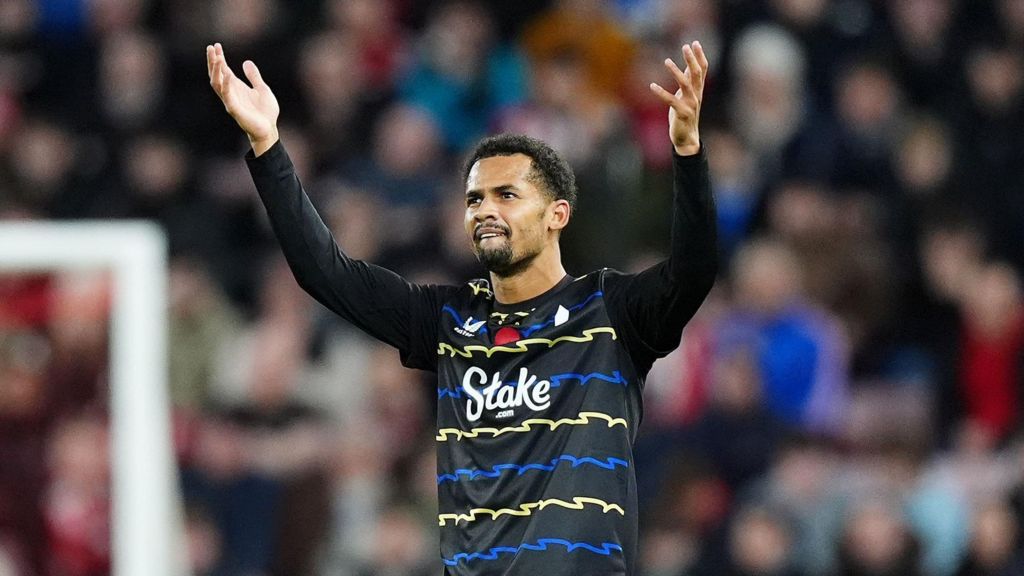
From YouTube team to the Prem: Ndiaye’s unusual run to the top
Iliman Ndiaye’s journey to becoming a Premier League star with Everton is a testament to resilience and determination. Born in France, Ndiaye faced numerous rejections from top clubs like Chelsea and Tottenham before finding his footing. His breakthrough came through Rising Ballers, a media brand that spotlights unsigned talent, which helped him showcase his skills and stay fit during uncertain times. Ndiaye’s perseverance paid off when he signed with Sheffield United and later joined Everton, where his electrifying performances have captivated fans. His early goal against Sunderland this season, marked by speed and precision, is a highlight of his growing influence. Ndiaye’s story is an inspiration to aspiring footballers, proving that success is possible even without traditional academy pathways. He emphasizes the importance of self-belief, hard work, and seizing opportunities when they arise. Rising Ballers, which has helped over 15 players secure professional contracts, continues to support grassroots talent, with young players like Kevar March-Mckenzie and George Edwards looking to follow in Ndiaye’s footsteps. Ndiaye’s journey underscores the value of skill, determination, and the power of grassroots initiatives in shaping football careers.
-

Africa Tech Festival kicks off in South Africa with focus on inclusive digital future
The Africa Tech Festival 2025 commenced on Tuesday in Cape Town, South Africa, bringing together a diverse array of innovators, policymakers, and investors to deliberate on fostering an inclusive digital future for the continent. South Africa’s Minister of Communications and Digital Technologies, Solly Malatsi, emphasized the necessity of establishing robust digital foundations to ensure that emerging technologies, particularly AI, benefit all Africans. Malatsi highlighted three critical pillars: affordable connectivity and devices, reliable digital public infrastructure, and practical digital literacy tailored to meet people’s needs. He asserted that emerging technologies should serve as tools of opportunity rather than symbols of exclusion, transforming prototypes into products and products into public value. Now in its 28th iteration, the Africa Tech Festival is the continent’s premier technology and digital innovation event, running until Thursday. It is anticipated to attract 17,000 delegates, 300 exhibitors, and 450 speakers. The festival, themed ‘Responsible Innovation, Inclusive Investment, Connectivity for Development, and Policy Harmonization,’ features four key sessions: AfricaCom, AfricaTech, AfricaIgnite, and the AI Summit Cape Town. Sean Suzuki, AfricaCom Portfolio Manager, pointed out that Africa’s digital infrastructure challenges are primarily tied to accessibility and affordability of connectivity, regulatory hurdles, and the digital skills gap. Justin Georges Tala, global accounts manager at Cameroon Telecommunications, stressed the importance of strategic partnerships in bridging Africa’s digital divide, advocating for end-to-end meaningful connectivity across the continent.
-

Brothers charged with South African rapper’s murder after extradition
Two brothers, Siyabonga and Malusi Ndimande, have been formally charged with the murder of renowned South African rapper Kiernan Forbes, widely known as “AKA,” following their extradition from Eswatini. The siblings were returned to South Africa after a prolonged legal battle to prevent their extradition failed. Forbes, an acclaimed hip-hop artist, was tragically gunned down alongside his close friend, celebrity chef Tebello “Tibz” Motsoane, outside a restaurant in Durban in 2023. The incident sent shockwaves across the nation, which already grapples with one of the highest murder rates globally. The Ndimande brothers face additional charges, including the murder of Motsoane, attempted murder, and unlawful possession of a firearm. They will stand trial alongside five other defendants already in custody. At the time of his death, Forbes was in Durban to perform during his birthday celebrations. Police have characterized the attack as a meticulously planned hit. Forbes, celebrated for his three solo albums and collaborations with international artists like Nigeria’s Burna Boy, was a prominent figure in South Africa’s music scene. His untimely demise has left a void in the industry and sparked widespread mourning.
-
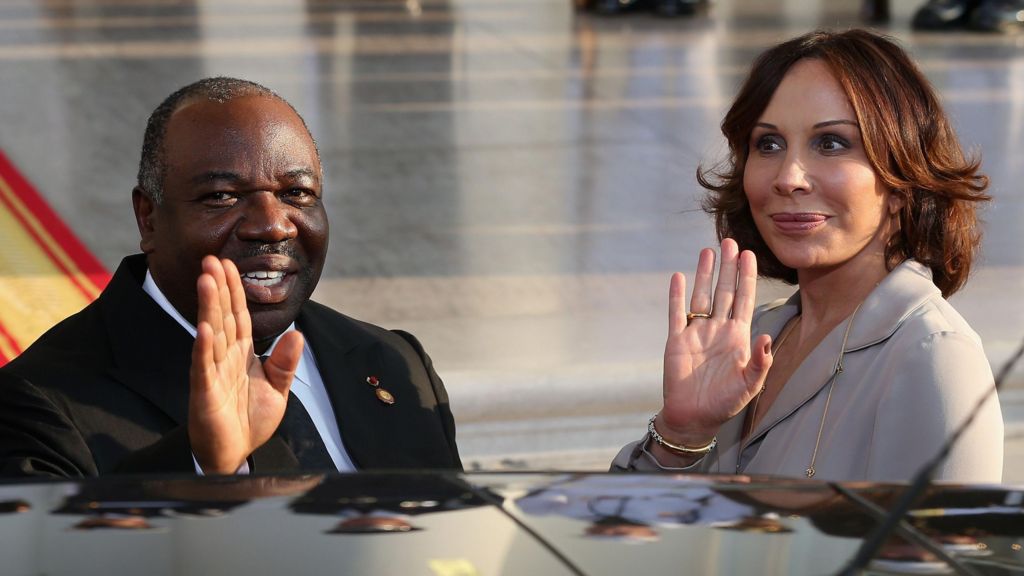
Wife and son of Gabon’s ousted leader given 20-year jail terms in two-day corruption trial
A Gabonese court has handed down a 20-year prison sentence to Sylvia Bongo, the former first lady, and her son, Noureddin Bongo, following a swift two-day trial. The pair were convicted of embezzlement and corruption, charges stemming from allegations that they exploited former President Ali Bongo’s incapacitation after a 2018 stroke to enrich themselves at the state’s expense. Both were fined 100 million CFA francs ($177,000), with Noureddin additionally ordered to pay a staggering 1.2 trillion CFA francs ($2.1 billion) in restitution for financial damages inflicted on Gabon. The trial, which began in their absence, was described by the defendants as a ‘legal farce.’ Ali Bongo, who was ousted in a 2023 coup led by Brice Oligui Nguema, is not facing prosecution and has been released from house arrest. Sylvia and Noureddin were detained for 20 months post-coup before being released on medical grounds in May and allowed to relocate to London. The trial of nine other co-accused, former allies of the Bongo family, continues. The Bongo dynasty, which ruled Gabon for over five decades, has long been accused of siphoning national wealth, despite the country’s oil riches and widespread poverty.
-
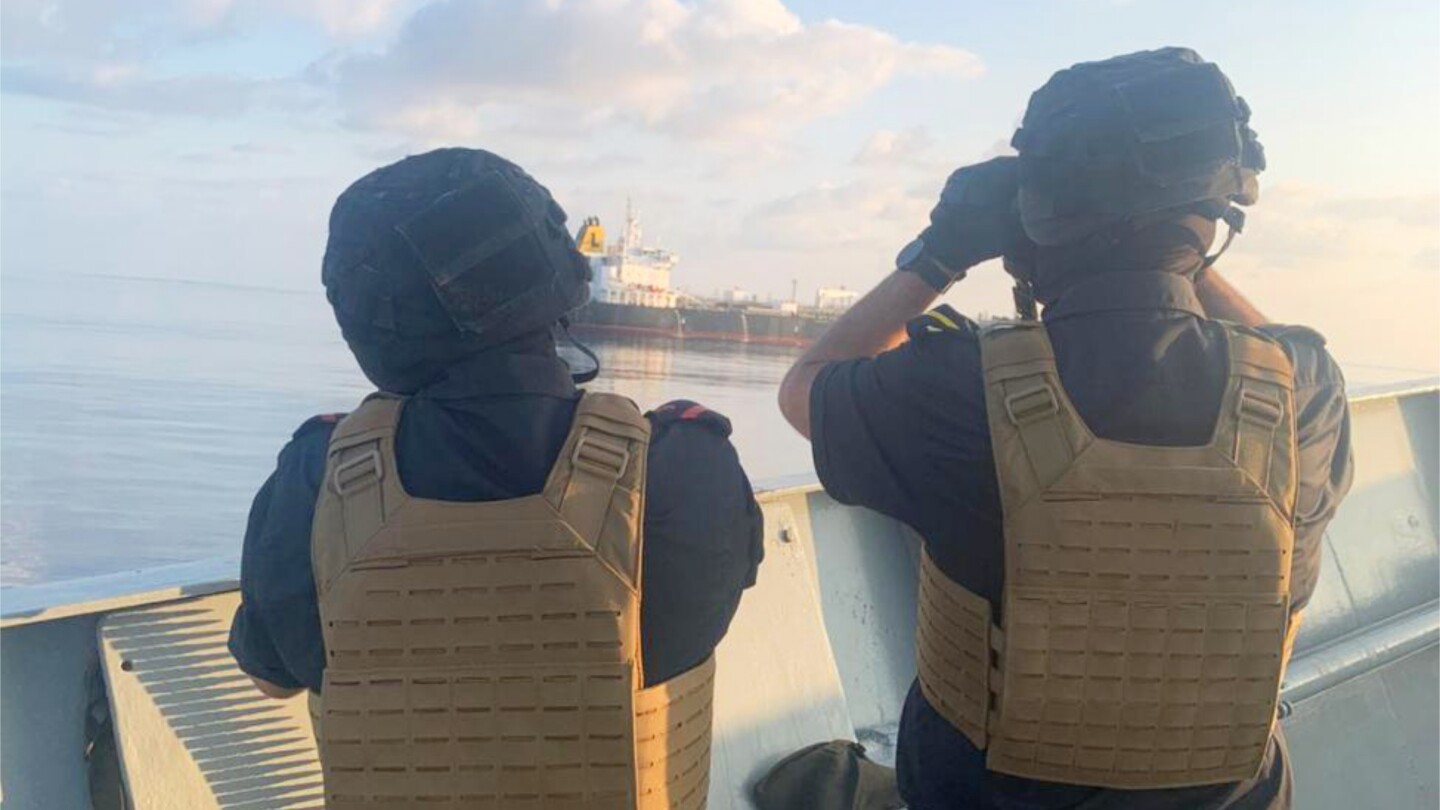
European Union and Indian navies take over ship used by pirates off Somalia to seize tanker
In a significant maritime operation, the European Union and Indian navies successfully intercepted a pirate-controlled vessel off the coast of Somalia. The Iranian fishing ship, Issamohamadi, had been repurposed by pirates as a ‘mother ship’ to facilitate a series of attacks, culminating in the seizure of the Malta-flagged tanker, Hellas Aphrodite. The tanker was en route from India to South Africa with a cargo of gasoline when it was hijacked last week. The EU naval force, Operation Atalanta, confirmed that the Issamohamadi had been abandoned by the pirates and was boarded by a team from the Spanish frigate ESPS Victoria. The original crew of the dhow was found in good health and freed. The EU force stated that the pirate group operating in the area has been ‘definitely disrupted,’ and evidence collected will be used to prosecute the perpetrators. Somali piracy, which peaked in 2011 with 237 attacks, had diminished due to international naval patrols and a stronger Somali government. However, pirate activity has resurged recently, partly due to instability caused by Houthi rebel attacks in the Red Sea. In 2024, there have been seven reported incidents off Somalia, with the Hellas Aphrodite being the first commercial ship seized since May 2024.
-
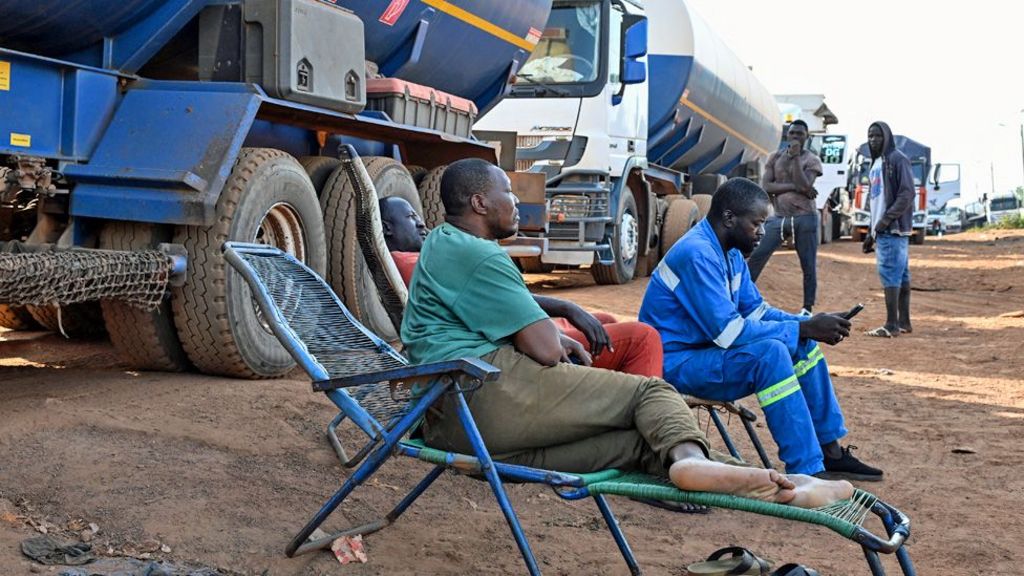
How jihadists have brought a nation to a standstill with their fuel blockade
Mali, a landlocked West African nation, is grappling with a severe fuel crisis that has disrupted daily life and exposed the government’s vulnerabilities. The crisis stems from a blockade orchestrated by Jama’at Nusrat al-Islam wal-Muslimin (JNIM), an al-Qaeda-affiliated jihadist group, which has targeted fuel convoys entering Mali. Over the past two months, JNIM fighters have kidnapped drivers, torched more than 100 trucks, and effectively cut off fuel supplies to the capital, Bamako. This economic warfare has paralyzed the country, forcing schools and universities to close, driving up food prices, and leaving hospitals struggling with power cuts. The crisis has also sparked international concern, with the US and France advising their citizens to avoid or leave Mali. The fuel shortage has led to long queues at petrol stations, with some drivers resorting to sleeping at stations in hopes of refueling. Public transport fares have tripled in some areas, forcing many to walk long distances to work. Traders report that food prices have surged due to increased transport costs and dwindling supplies of imported goods. The blockade has highlighted the government’s inability to secure key transport routes and maintain public confidence. In response, the military-led government has implemented emergency measures, including escorting fuel convoys with army trucks and negotiating a fuel supply agreement with Russia. However, critics argue that the junta’s reactive approach has failed to address the root causes of the crisis. The fuel shortage has also deepened Mali’s reliance on Russia, potentially alienating Western aid and investment. For ordinary Malians, the crisis has brought immense hardship, raising fears of increased crime and a worsening security situation. Amidou Diallo, a welder, warns that prolonged shortages could lead to dangerous consequences. As Mali struggles to navigate this crisis, the government faces mounting pressure to restore stability and regain public trust.
-
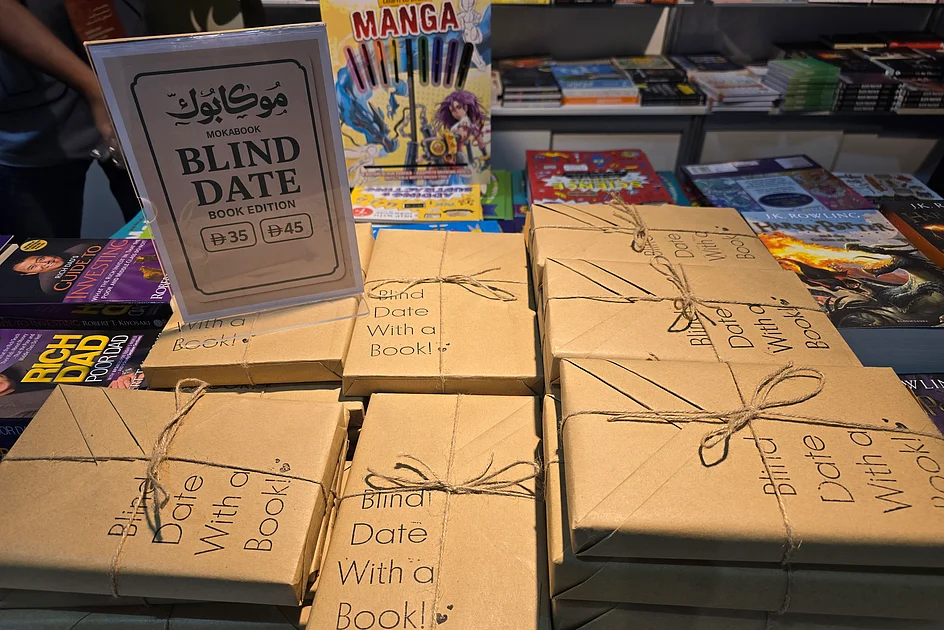
Sharjah Book Fair takes ‘blind date’ route to lure buyers
The Sharjah International Book Fair (SIBF) has introduced an innovative approach to engage readers with its ‘Blind Date with a Book’ initiative. At the Little Puffin Publishing House stand, visitors are enticed by a stack of brown paper-wrapped books tied with twine, challenging them to purchase a book without knowing its title or cover. This concept encourages readers to break free from the habit of judging books by their covers and instead embrace the unknown. Hanes Medanceli, the booth sales manager, emphasized that the initiative aims to help indecisive customers choose books spontaneously, free from the influence of social media trends. The books, which are standalone and span various genres like romance, mystery, thriller, crime, and fantasy, are available in two formats: soft paperback for Dh35 and hardbacks for Dh45. Medanceli reported that the concept has been a hit, with 50% of the batch sold by Monday, and similar success at the Riyadh International Book Fair, where the entire stack was sold out within three days. The ‘Blind Date with a Book’ idea, while not new, has been well-received by visitors who appreciate the opportunity to discover hidden literary gems. The books are carefully curated by the staff, considering both old and new releases suitable for a wide range of readers. The initiative has garnered positive feedback, with many praising the quality of the stories inside, despite the unassuming covers.