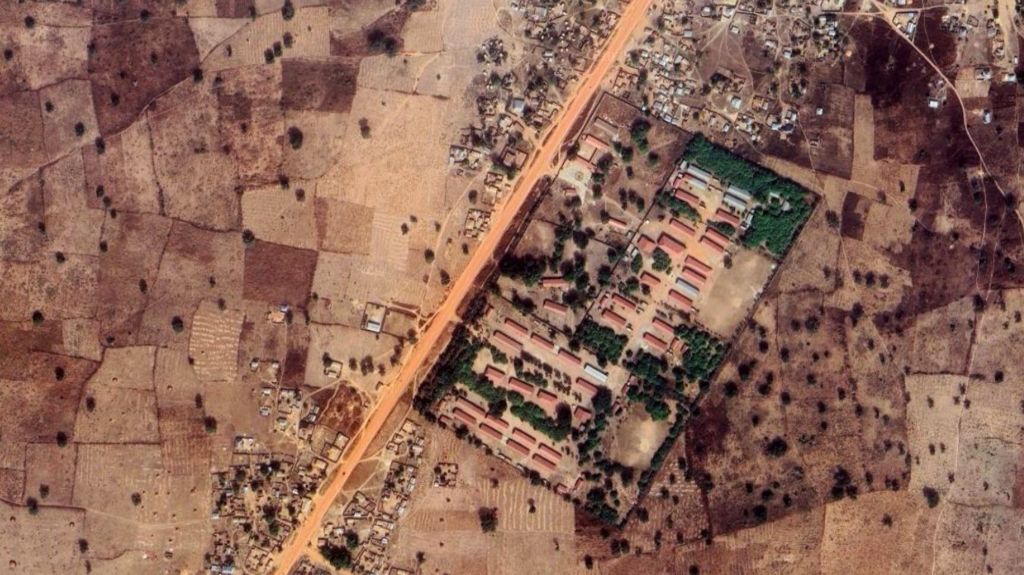
In a troubling escalation of violence, armed men abducted an unknown number of students and staff from St Mary’s School in Papiri, Niger state, central Nigeria. This marks the second mass school kidnapping in the country this week, following the abduction of over 20 schoolgirls from a boarding school in Kebbi state on Monday. The latest attack occurred early Friday morning, with local residents fearing that nearly 100 individuals may have been taken. Authorities had previously ordered the temporary closure of all boarding schools in the region due to heightened security threats, but St Mary’s School reportedly reopened without government clearance, exposing students to avoidable risk. Security agencies are now conducting extensive search operations in nearby forests to rescue the victims. The incident has sparked widespread fear and uncertainty among families awaiting news of their loved ones. Nigeria is currently grappling with multiple overlapping security crises, including kidnappings for ransom by criminal gangs, jihadist insurgencies in the north-east, and deadly clashes between herders and farmers in the central region. These challenges have been compounded by recent claims from US President Donald Trump that Christians are being persecuted in Nigeria, allegations vehemently denied by the Nigerian government. President Bola Tinubu has postponed his foreign trips to address the escalating violence in Africa’s most populous nation. The situation underscores the urgent need for comprehensive security reforms to protect vulnerable communities and restore stability.
标签: Africa
非洲
-

Dh1 items to 90% discount: UAE’s Black, White, Yellow, Green Friday Sales explained
As November draws to a close, the UAE transforms into a shopper’s haven with its much-anticipated Black, White, Yellow, and Green Friday Sales. These sales, offering discounts of up to 90%, span a wide range of products, from homeware and groceries to electronics, beauty, and fashion. Both online retail platforms and physical stores participate in this annual shopping extravaganza, making it the perfect time for residents and tourists to snag the best deals ahead of the festive season and the new year.
The Yellow Friday Sale, named after Noon’s vibrant yellow logo, is one of the most significant events of the year. Running from November 20 to 30, it offers up to 80% off on a variety of items, including home services, skincare, health and nutrition products, electronics, and fashion. Shoppers can also find grocery items starting at just Dh1, making it an ideal opportunity to stock up on essentials.
The Black Friday Sale, originating from the US, has become a staple in the UAE. It begins in the last week of November, coinciding with the Thanksgiving holiday, and offers massive discounts on fashion, electronics, home appliances, and beauty products. The term ‘Black Friday’ was coined by the Philadelphia Police Department due to the heavy traffic on the day, and it also signifies the positive earnings retailers experience during this period.
The White Friday Sale, often confused with Black Friday, is essentially the Middle Eastern version of the same event. It takes place on November 28, 2025, and offers discounts of up to 90%. The name ‘White Friday’ was chosen to align with the region’s cultural and religious significance of Friday as a day of worship and family gatherings.
Lastly, the Green Friday Sale, introduced by e& in 2019, focuses on eco-friendly products such as e-scooters, bikes, and vegan items. This sale typically runs from late November to early December, offering discounts on environmentally conscious products.
Major brands and platforms like Amazon, Noon, Sharaf DG, and Sephora UAE are among the key players in these sales, providing shoppers with a wide array of discounted items. Whether you’re looking to upgrade your electronics, refresh your wardrobe, or stock up on groceries, the UAE’s Black, White, Yellow, and Green Friday Sales offer something for everyone.
-
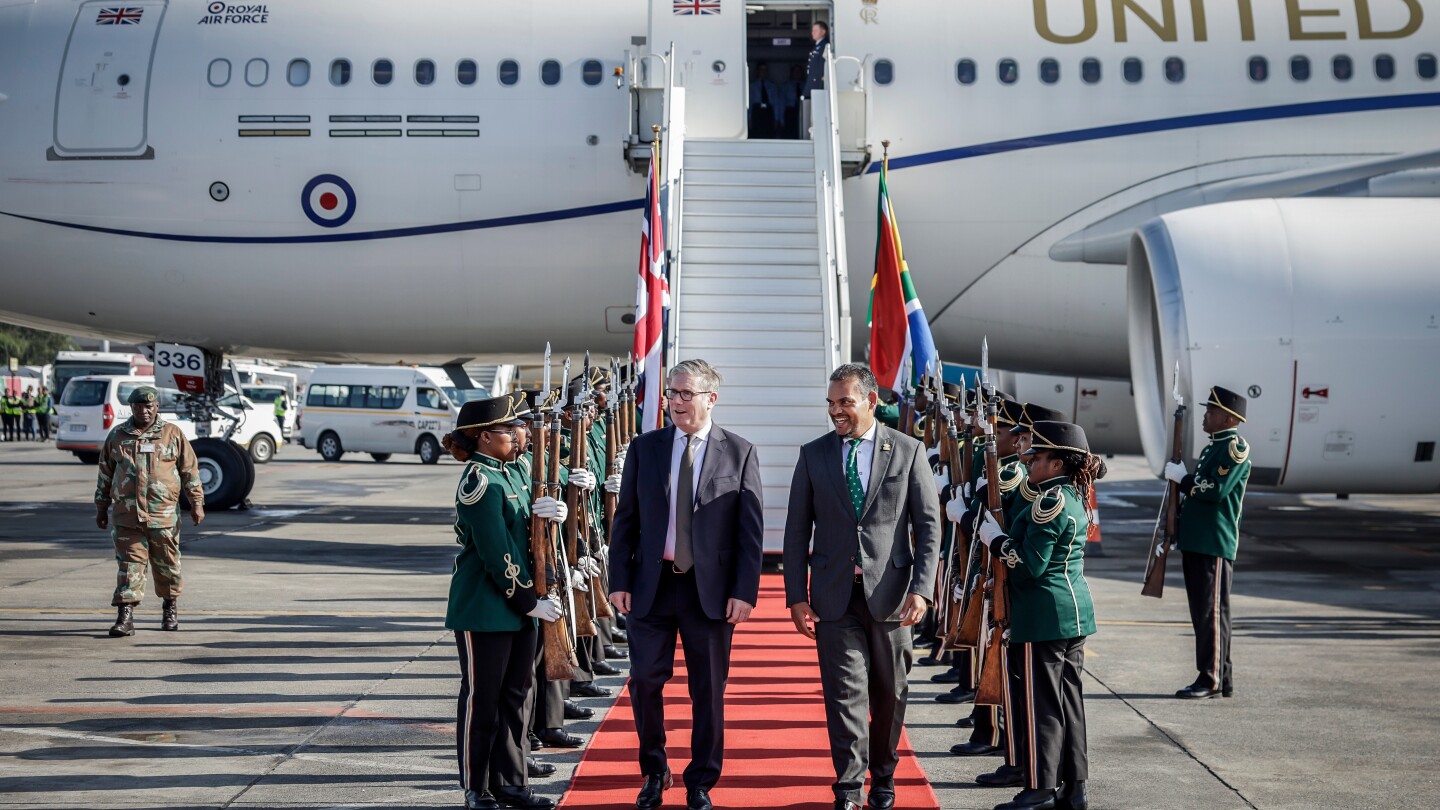
Leaders arrive for a first African G20 summit overshadowed by a rift between the host and the US
In a historic first, the Group of 20 (G20) summit is being held in Africa, with world leaders gathering in Johannesburg to address pressing global issues. However, the event has been overshadowed by a significant rift between host South Africa and the United States, following President Donald Trump’s decision to boycott the summit. Trump’s administration labeled South Africa’s hosting as a ‘disgrace,’ citing unfounded claims of persecution against the white Afrikaner minority in the majority-Black nation. This boycott by the world’s largest economy threatens to undermine the summit’s agenda, which focuses on critical issues such as climate change, debt burdens in poor countries, and global inequality. South African President Cyril Ramaphosa has vowed not to be bullied, emphasizing the importance of the summit for developing nations. Despite the absence of the U.S., other global leaders, including representatives from the European Union, China, and Russia, are actively participating, seeking to forge new partnerships and address shared challenges. The summit also highlights China’s growing influence in Africa, as Chinese Premier Li Qiang signed a $1.4 billion railway refurbishment deal in Zambia, further cementing China’s economic presence on the continent. Analysts suggest that the U.S. boycott may push developing countries to strengthen ties with other global powers, potentially reshaping international governance.
-
UAE weather: Temperatures to drop slightly; fog expected
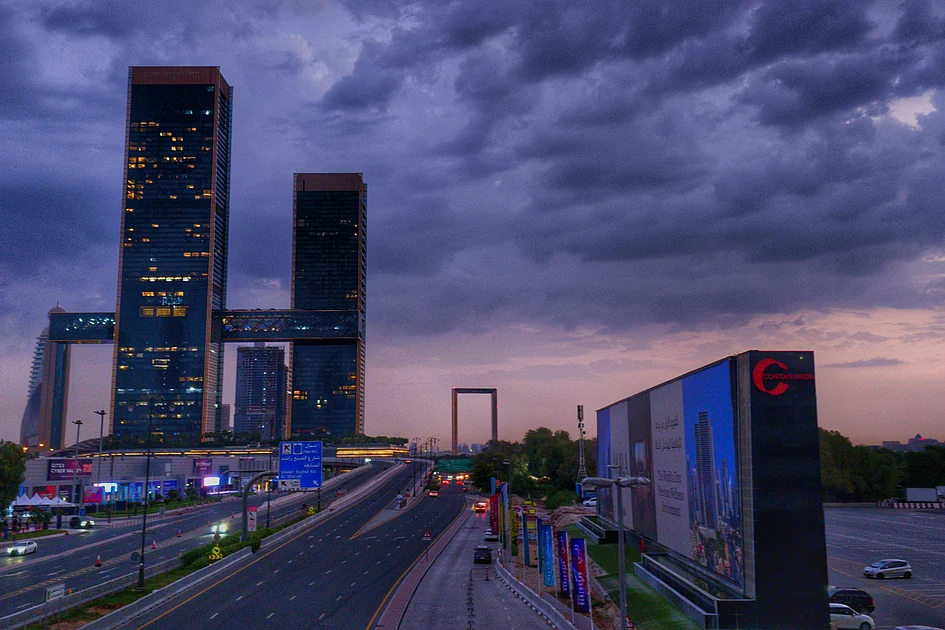
The United Arab Emirates (UAE) is experiencing a significant drop in temperatures, with the mercury plunging to a chilly 7.8°C on Thursday, November 20, marking the coldest day of the winter season so far. According to the National Centre of Meteorology (NCM), Friday, November 21, will bring partly cloudy and dusty conditions, with low clouds forming westward over the sea and islands. Coastal areas are expected to see a slight temperature dip, accompanied by fog that has triggered red and yellow alerts, reducing visibility until 10:30 AM. Authorities in Abu Dhabi have issued emergency alerts and implemented speed reductions on key roads to ensure safety. Humidity is likely to increase by night and into Saturday morning, with fog or mist expected in coastal and internal regions. Winds will blow lightly to moderately from the northeast to northwest, reaching speeds of 10-25 km/hr, and up to 40 km/h westward. Sea conditions will be moderate to rough in the Arabian Gulf and slight in the Oman Sea. Temperatures are forecasted to drop to 15ºC in Sharjah, 19ºC in Dubai, and 21ºC in Abu Dhabi. The recent dense fog has already caused significant disruptions, with landmarks like Burj Khalifa and Burj Al Arab obscured and severe traffic delays reported. Air travel has also been impacted, with Dubai diverting 19 flights and Sharjah experiencing multiple delays and cancellations.
-
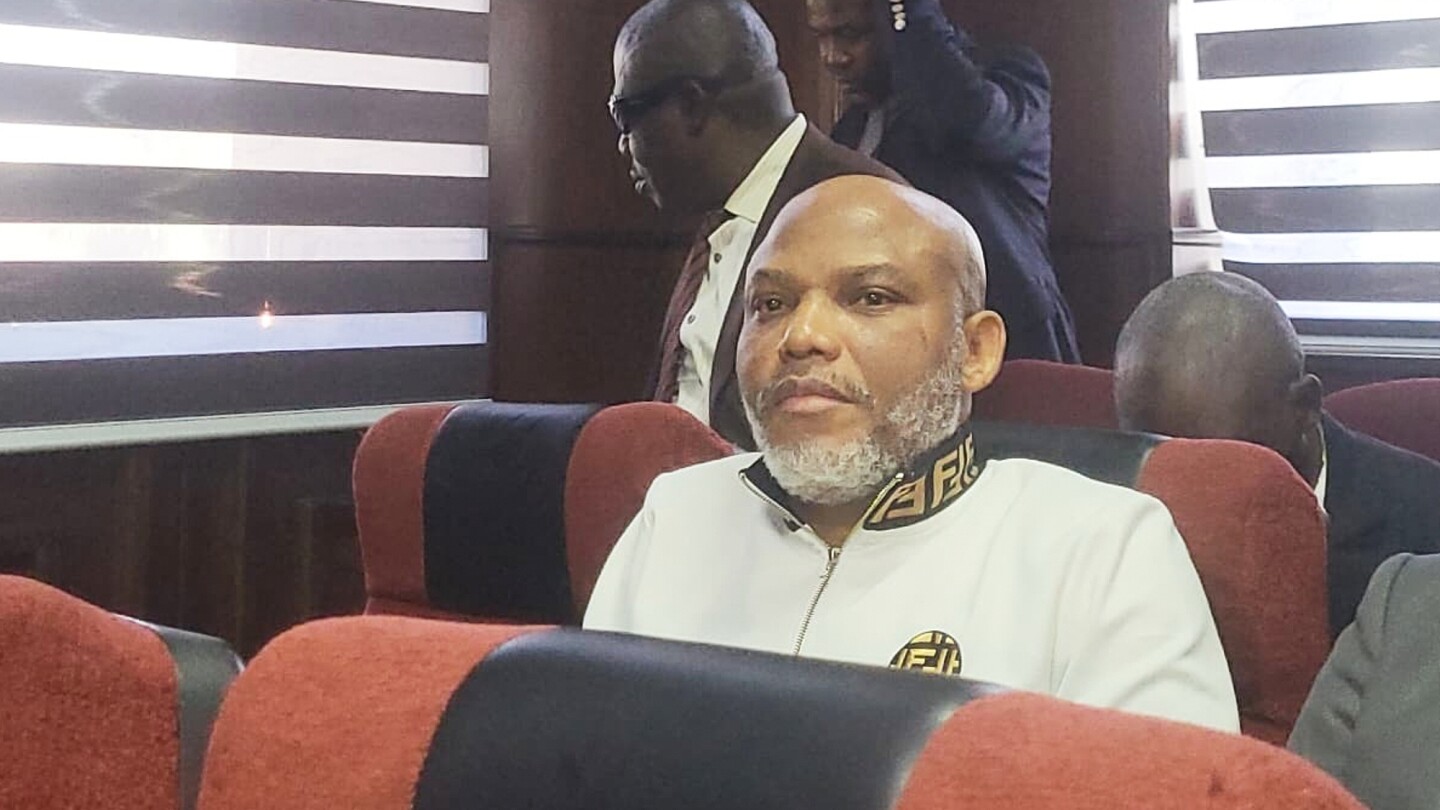
Nigeria separatists say they are committed to peaceful self-determination after leaders sentenced
ABUJA, Nigeria — The Indigenous People of Biafra (IPOB), a separatist movement in southeastern Nigeria, has reaffirmed its commitment to peaceful self-determination following the life imprisonment sentence handed to its leader, Nnamdi Kanu, on terrorism charges. Kanu, the founder of IPOB, was convicted on Thursday by a Nigerian court, which accused him of orchestrating acts of terrorism, enforcing violent stay-at-home orders, and inciting violence in the region. IPOB, which seeks the creation of an independent state in Nigeria’s southeast, has vehemently denied the allegations, asserting that no weapons or attack plans were ever linked to Kanu. The group maintains that its leader has not violated any Nigerian or international laws. In a statement, IPOB spokesperson Emma Powerful emphasized the group’s dedication to peaceful advocacy and its pursuit of a United Nations–supervised referendum. The court’s decision has sparked controversy, with Judge James Omotosho stating that while the right to self-determination is a political right, any such efforts must align with Nigeria’s constitution to be considered legal. Meanwhile, violence in the southeast has been attributed to political motives, with IPOB claiming it is unrelated to Kanu, who remains in detention. The case has drawn parallels to the conviction of another Nigerian separatist leader, Simon Ekpa, who was sentenced to six years in prison in Finland in September for terrorism-related charges.
-
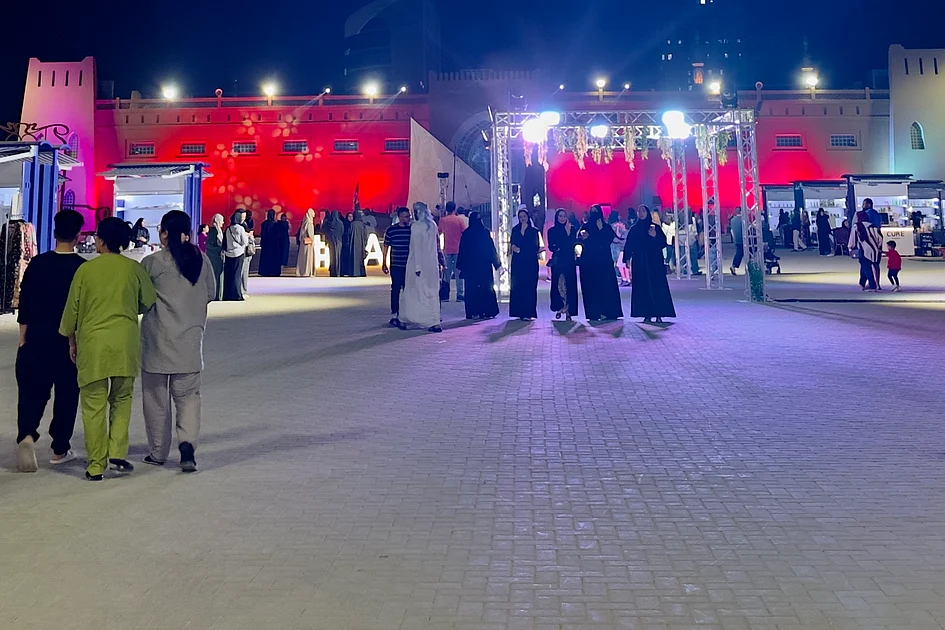
Long queues, cool weather, great food: Ras Al Khaimah’s new night market is a hit
Ras Al Khaimah’s newest weekend attraction, the RAK Night Market, has quickly become a local favorite, drawing crowds with its vibrant mix of food, crafts, and family-friendly entertainment. Launched on November 14, 2025, the market is set up on the plaza of the Ras Al Khaimah Exhibition Center and operates every weekend from 4:30 pm to 10:30 pm. During its opening weekend, over 10,000 visitors, including residents and tourists, flocked to explore the more than 80 stalls offering handmade crafts, diverse street food, and classic sweets. Families enjoyed hot meals together, while kids were thrilled by the treats and activities. The market also provided a platform for young entrepreneurs to showcase their creativity and businesses. Katrina Alvarez, a Filipino resident, praised the event for its reasonable prices and diverse food options, including flavors from her home country. Two Emirati cousins, Mariam Jassem and Mariam Rashid Al Shemeili, stood out with their brands Kunst and Pastel Vibe, respectively, inspiring visitors with their entrepreneurial spirit. Jamal Rashid Hamdoun, owner of Raghuh Honey, captivated crowds with his unique honey products and interactive hive displays. Mohamed Ali Musabbeh Al Nuaimi, Chairman of the RAK Chamber of Commerce & Industry, highlighted the market’s role in supporting small businesses and fostering community connections.
-
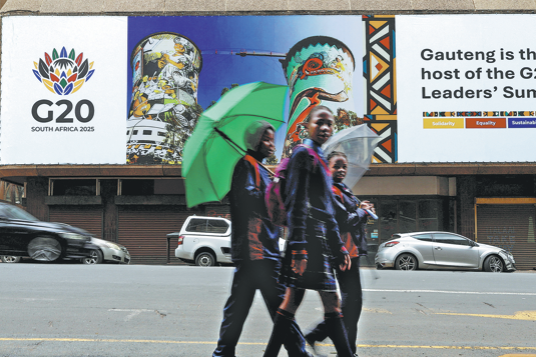
Summit to help Africa reinforce its reforms
The inaugural G20 summit on African soil, hosted in South Africa, represents a pivotal moment for the continent to harness support from Global South nations in driving transformative reforms. This historic event aims to address systemic inequalities in global governance, foster equitable development, and strengthen genuine international cooperation. Scholars and diplomats have long criticized the marginalization of Africa in global affairs, attributing it to the dominance of a few powerful nations that have consistently sidelined the voices and interests of developing countries. David Monyae, director of the Centre for Africa-China Studies at the University of Johannesburg, emphasized that this structural imbalance has perpetuated inequality and restricted meaningful participation in global governance. Despite these challenges, developing economies are increasingly shaping global outcomes, as noted by Wu Peng, China’s ambassador to South Africa. Wu highlighted China’s zero-tariff treatment for products from 53 African countries as a practical step toward fairer trade systems. He also criticized the U.S.-led tariff wars for undermining the modernization efforts of the Global South. The summit underscores the need for unity and leadership from the Global South to reform global governance. China has reaffirmed its support for South Africa’s G20 presidency, emphasizing mutual respect and shared prosperity. Paul Frimpong, an economic analyst, described the summit as an opportunity to recalibrate global engagement, moving beyond aid dependency to genuine partnerships and investment. He stressed that hosting the G20 in Africa allows the continent to reframe global priorities through its lens of justice, sustainability, and shared prosperity. Frimpong also highlighted China’s expanding engagement with Africa as a model for inclusive global cooperation, citing initiatives like the Belt and Road Initiative and green financing as evidence of mutual benefit rather than charity.
-
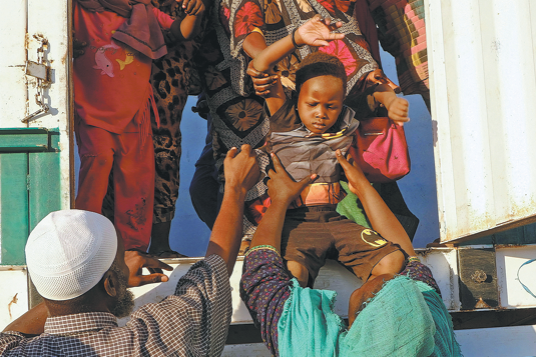
AU criticizes external interference in security issues
The African Union (AU) has issued a strong condemnation of external interference in African nations grappling with security crises, particularly highlighting the ongoing conflict in Sudan. Bankole Adeoye, AU Commissioner for Political Affairs, Peace, and Security, emphasized that the AU must spearhead peace negotiations across the continent, adhering to the principle of ‘African solutions to African problems.’ Speaking in Addis Ababa, Ethiopia, Adeoye stated, ‘We unequivocally condemn all forms of external interference in Sudan or any part of our continent. The AU must lead efforts to identify structural solutions and secure sustainable peace.’ The AU is actively working to end the conflict in Sudan by facilitating political dialogue among all parties, aiming for a comprehensive and unconditional ceasefire. Meanwhile, UN Humanitarian Chief Tom Fletcher expressed concern over the ‘complete impunity’ surrounding atrocities in Sudan’s Darfur region, criticizing global indifference to the crisis. The AU also noted progress in Madagascar, where its Panel of the Wise is assisting in restoring constitutional order, and welcomed the Doha Framework for a Comprehensive Peace Agreement in the Democratic Republic of Congo.
-
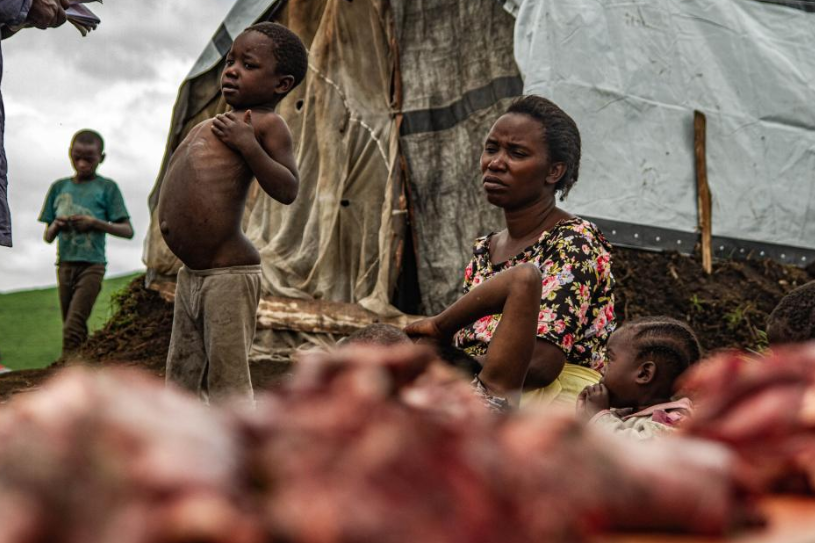
UN humanitarians alarmed by escalating violence in eastern DRC
The United Nations has raised urgent concerns over the escalating violence in the eastern regions of the Democratic Republic of the Congo (DRC), particularly in North Kivu and Ituri provinces. According to the UN Office for the Coordination of Humanitarian Affairs (OCHA), over 45 individuals have been killed in North Kivu since last Friday due to attacks on multiple villages in the Lubero territory. A particularly devastating incident involved an assault on a health center, resulting in the deaths of at least 17 people, including patients. Additionally, two health workers were abducted, medical supplies were stolen, and the facility was set ablaze. The surge in violence has displaced more than 30,000 people in less than a week, with many families continuing to flee amidst fears of further attacks. Humanitarian efforts are being hampered by ongoing insecurity, although OCHA partners are working to assess needs and provide assistance where possible. In Ituri province, two attempted armed attacks on the Lolwa hospital were reportedly thwarted. Since the beginning of the year, over 240 civilians have been killed, and more than 114,500 people have been displaced. OCHA has strongly condemned the attacks on civilians and health facilities, urging all parties to adhere to international humanitarian law and ensure the protection of civilians and civilian infrastructure. The violence is attributed to numerous militia groups operating in the region, including the M23 Movement, the Cooperative for the Development of the Congo, and the Allied Democratic Forces.
-
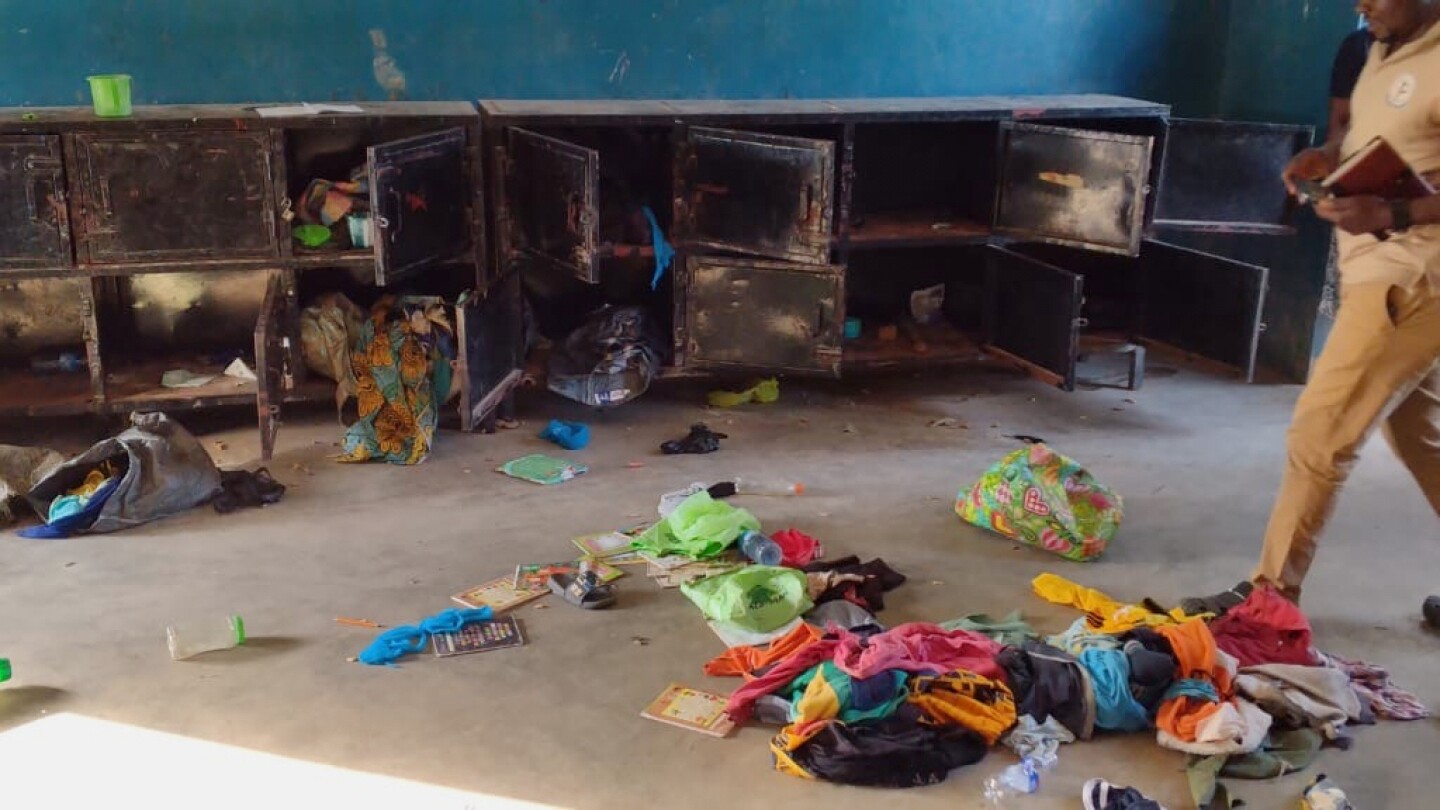
Gunmen abduct more than 200 schoolchildren and 12 teachers in attack on Nigerian Catholic school
In a harrowing incident that underscores the escalating security crisis in Nigeria, gunmen stormed St. Mary’s School, a Catholic boarding institution in the Agwara local government’s Papiri community, abducting more than 200 schoolchildren and 12 teachers. The attack, which occurred in the early hours of Friday, has sent shockwaves across the nation, already grappling with a surge in kidnappings targeting educational institutions. The Christian Association of Nigeria (CAN) confirmed the abduction, with spokesperson Daniel Atori stating that efforts are underway to secure the safe return of the victims. Military and security forces have been deployed to the area, but details about the perpetrators remain unclear. The school, which serves children aged 12 to 17, is located near a major road linking Yelwa and Mokwa, making it a vulnerable target. This incident follows a spate of similar attacks, including the abduction of 25 schoolgirls in Kebbi state earlier in the week. Nigerian President Bola Tinubu has postponed his trip to the G20 summit in South Africa, vowing to prioritize the rescue mission. Analysts attribute the rise in kidnappings to the activities of armed gangs, often composed of former herders, who exploit the region’s insecurity for ransom. The Nigerian government faces mounting criticism for its failure to protect citizens, particularly in conflict-prone northern states. The closure of 47 federal unity colleges highlights the gravity of the situation. As families anxiously await news of their loved ones, calls for enhanced security measures and accountability grow louder.