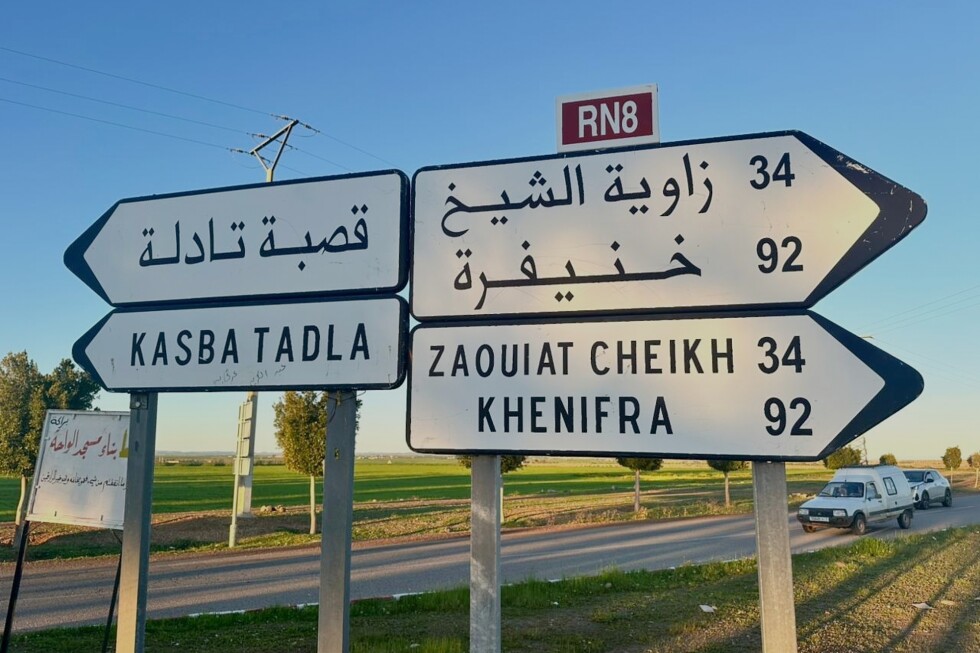
The quiet Moroccan town of Khenifra faces an existential crisis following the shocking arrest of Jacques Leveugle, a 79-year-old French national who embedded himself deeply within the community over decades. Previously celebrated as a benevolent figure who swept streets at dawn, offered free language instruction, and organized children’s excursions, Leveugle now stands formally investigated in France for the systematic rape and sexual assault of 89 minors across a 55-year span in multiple nations.
标签: Africa
非洲
-
A Kenyan school like no other may be an African education blueprint
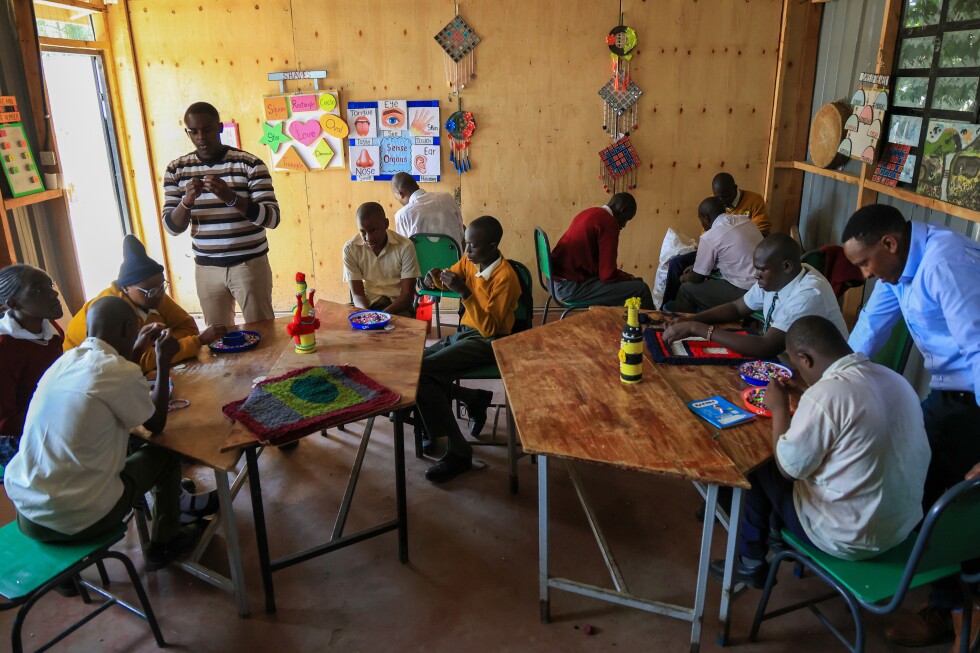
In the Kenyan town of Kitengela, an innovative educational institution is transforming the learning experience for students with dyslexia through specialized teaching methodologies. Rare Gem Talent School has developed a unique educational framework that replaces traditional lecture-based instruction with multi-sensory techniques specifically designed for neurodiverse learners.
The school addresses a critical gap in Kenya’s educational landscape, where despite significant improvements in general education access, students with learning disabilities frequently struggle within conventional systems. Dyslexia affects approximately 10% of learners nationwide, creating substantial barriers to literacy development and academic achievement.
Educational specialists at Rare Gem employ what they term a ‘multi-sensorial approach’ to reading instruction. This methodology incorporates visual techniques such as color-coding word sounds, auditory methods including musical spelling patterns, and tactile learning using physical objects to represent word construction. “You teach step by step until the learner comprehends the material, moving beyond the traditional teacher-centered lecture model,” explained Dorothy Kioko, an educator at the institution.
Founded in 2012 through the Dyslexia Organisation Kenya, the school began with fewer than ten students and has expanded to serve approximately 210 learners today. While primarily focused on dyslexia, the institution also accommodates students with other learning challenges including autism spectrum disorders.
The school’s founder, Phyllis Munyi, established Rare Gem after witnessing the educational struggles of her own son with dyslexia. “Early identification and intervention are crucial,” Munyi emphasized. “With proper support, these students can develop their skills, discover their talents, and complete their education successfully.
Despite Kenya’s remarkable progress in educational access—with primary school enrollment increasing from 5.9 million in 2002 to 10.2 million in 2023—special needs education has lagged considerably. Official statistics indicate that while 11.4% of Kenyan children have special educational requirements, only 250,000 such students are currently enrolled in appropriate educational programs.
Rare Gem offers a potentially scalable model for inclusive education, utilizing a modified version of Kenya’s standard curriculum rather than creating an entirely separate educational framework. The school charges $180 per term, making it more affordable than elite private institutions while remaining financially inaccessible to many Kenyan families compared to government schools.
Significant challenges remain, including persistent social stigma, limited parental awareness, and the traumatic impact of bullying that many students experienced in previous educational settings. Former student Geoffrey Karani, now an art teacher at the school, noted: “In conventional schools, there was extensive discrimination and bullying. Now I mentor students by showing them I’ve traveled the same difficult journey.”
-
UAE Rulers pardon thousands of prisoners as Ramadan 2026 begins
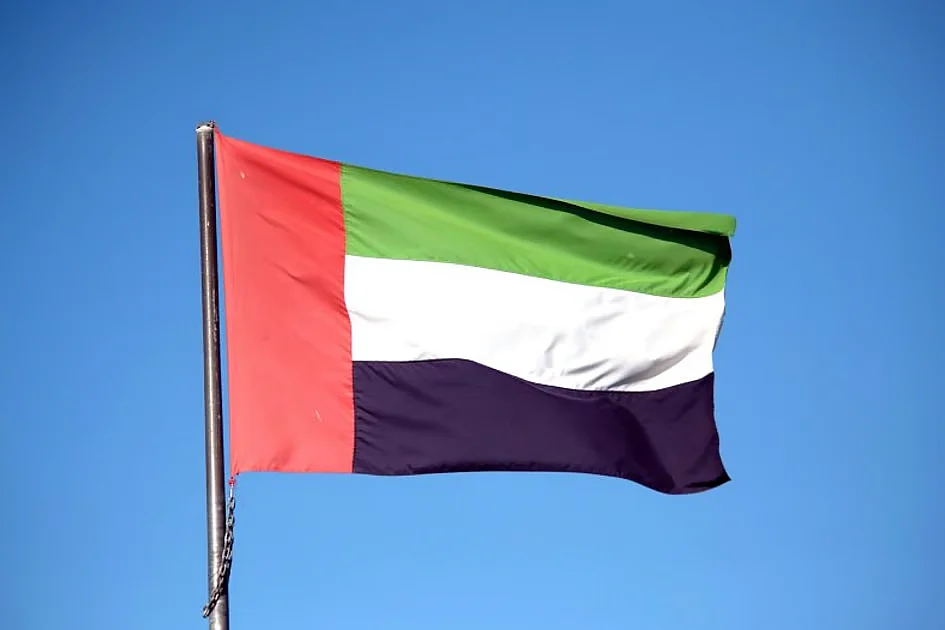
In a profound demonstration of Ramadan’s spirit of compassion and forgiveness, the rulers of the United Arab Emirates have enacted sweeping prisoner pardons across all seven emirates. This annual tradition, marking the commencement of the holy month in February 2026, represents one of the largest clemency initiatives in recent years.
The presidential decree from Sheikh Mohamed bin Zayed Al Nahyan secured freedom for 1,440 inmates from penal institutions—a significant increase of 145 prisoners compared to the previous year’s figures. Simultaneously, Dubai’s Ruler and UAE Vice President Sheikh Mohammed bin Rashid Al Maktoum authorized the release of 1,856 individuals from correctional facilities throughout the emirate.
Beyond mere liberation, the ruling authorities have committed to assuming all outstanding financial penalties owed by the pardoned inmates. This extraordinary financial relief ensures that returning citizens can reintegrate into society without economic burdens, enabling them to celebrate Ramadan with their families under improved circumstances.
The compassionate initiative extended across the federation with Sheikh Dr. Sultan bin Muhammad Al Qasimi of Sharjah ordering 407 releases, while Ajman’s Ruler Sheikh Humaid bin Rashid Al Nuaimi granted clemency to 134 inmates. Ras Al Khaimah witnessed 407 prisoners pardoned under Sheikh Saud bin Saqr Al Qasimi’s directive, and Fujairah’s Sheikh Hamad bin Mohammed Al Sharqi authorized 125 releases.
Selection criteria prioritized individuals demonstrating exemplary conduct and behavioral rehabilitation during their incarceration, with the amnesty benefiting prisoners of diverse nationalities. This collective act of mercy reflects the UAE leadership’s commitment to social reconciliation and the core Islamic values of redemption during the sacred month.
-

Over 70% of cyber threats targeting UAE are state-sponsored, authority says
The United Arab Emirates faces an unprecedented volume of sophisticated cyber attacks, with over 70% originating from state-sponsored threat groups, according to Dr. Mohamed Hamad Al Kuwaiti, Head of the UAE Government Cybersecurity Council. Since January 2026, authorities have documented 128 confirmed cyber incidents targeting critical national infrastructure, including ransomware attacks, government breaches, and sensitive data leaks.
Dr. Al Kuwaiti revealed that UAE defenses withstand between 90,000 to 200,000 breach attempts daily, all successfully neutralized without compromising service continuity or data integrity. Threat intelligence analysis indicates that Asia serves as the primary origin point (66.7%) for state-sponsored attacks, followed by Europe (14.3%), with remaining threats emanating from Middle Eastern or cross-regional actors.
The cybersecurity landscape has evolved beyond traditional attacks, with digital disinformation campaigns and deepfake technologies becoming weapons of choice to erode public trust, manipulate financial markets, and damage international reputation. Although no official statistics exist for deepfake incidents, fabricated videos depicting public figures promoting fraudulent schemes have increased significantly.
Government administration (9.4%) and financial services (9.3%) emerged as the most targeted sectors, with real estate (5.5%), construction (4.7%), and transportation (3.9%) following closely. Attack methodologies show website defacement accounting for 38.3% of incidents, while data leaks (25.8%), data breaches (13.3%), and ransomware attacks (7.8%) represent other significant threats.
The UAE counterstrategy employs an integrated technical and legislative framework featuring early detection systems, advanced content analysis, and community awareness programs. The National Security Operations Center serves as the central hub for real-time threat intelligence sharing and coordinated response across multiple operations centers nationwide.
Dr. Al Kuwaiti emphasized the nation’s commitment to developing national cybersecurity talent through specialized programs and leadership academies, while simultaneously strengthening international partnerships through multilateral channels and bilateral agreements for threat intelligence exchange and incident response coordination.
-
LINKS Business Consultants ranked among UAE’s top 10 advisory firms for service excellence
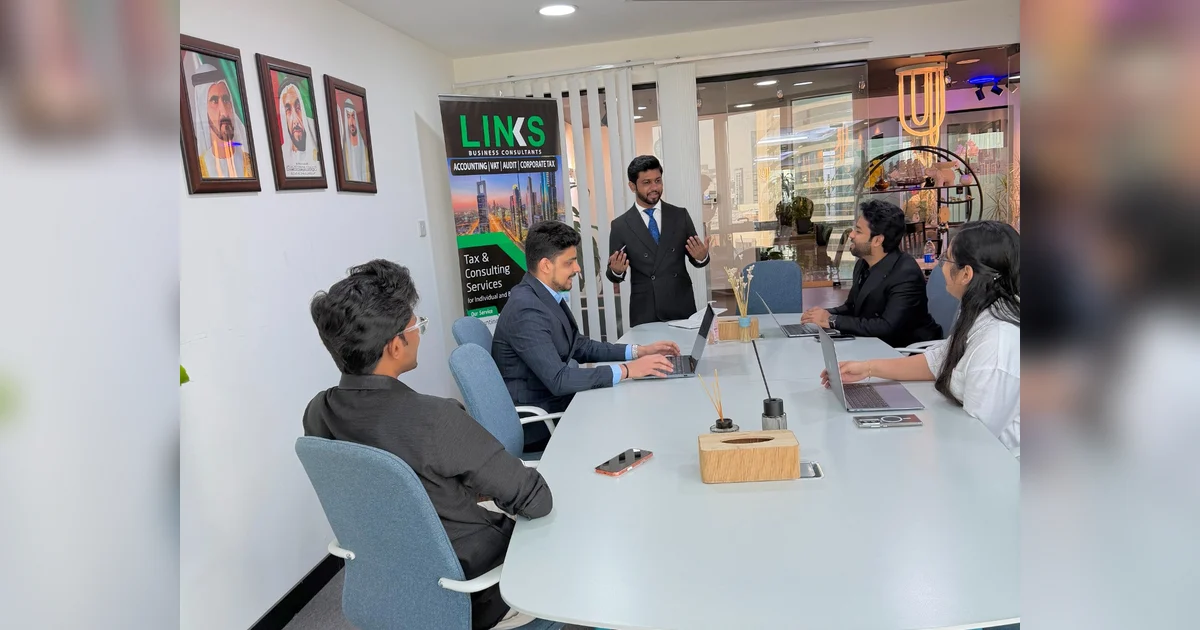
The United Arab Emirates’ corporate advisory landscape is experiencing significant transformation as regulatory frameworks evolve and investor confidence remains robust. In this dynamic environment, LINKS Business Consultants has achieved notable recognition by being ranked among the nation’s top ten business setup and compliance advisory firms.
The prestigious ranking emerged from an independent industry assessment conducted by a UAE-based digital platform, highlighting the growing emphasis on service quality and regulatory expertise within the sector. This acknowledgment reflects the increasing demand for comprehensive advisory partnerships rather than transactional setup services.
Usman Baig, Chief Executive Officer of LINKS Business Consultants, emphasized the significance of this recognition: “This accolade based on service quality and compliance capability underscores the critical importance of strategic early-stage planning and transparent advisory support in today’s business climate.” Mr. Baig brings over thirteen years of market experience, specializing in company formation, compliance structuring, and regulatory navigation.
Since its establishment in 2023, the consultancy has developed a substantial portfolio, advising more than 400 clients across both mainland and free zone jurisdictions. The firm maintains professional collaborations with key free zones including IFZA Dubai and RAK Innovation City, offering services encompassing company formation, accounting, tax compliance, and operational structuring aligned with UAE regulations.
Industry analyst Jonathan Gill, co-founder of the assessment platform, observed a paradigm shift in client expectations: “Businesses are progressively seeking sustained advisory engagement rather than one-time setup services.” This trend reflects the market’s movement toward continuous compliance oversight amid increasing regulatory complexity.
The UAE’s business setup sector continues to demonstrate steady growth, supported by regulatory reforms and streamlined licensing procedures across various jurisdictions. As the nation consolidates its position as a global entrepreneurship hub, enterprises entering the market are prioritizing regulatory clarity, structured compliance management, and long-term advisory relationships.
-

The two farms in Senegal that supply many of the UK’s vegetables
In the arid landscapes of northern Senegal, where temperatures frequently exceed 35°C and rainfall is virtually absent, an agricultural transformation is underway. British-run farms are harnessing innovative irrigation systems to cultivate fresh produce that now fills UK supermarket shelves during winter months.
At the forefront of this operation is Diarra, one of 9,000 predominantly female workers harvesting corn cobs under the relentless Saharan sun. Protected by specialized sunhats, these workers demonstrate remarkable efficiency—within sixty minutes of harvesting, produce is chilled to 0°C in refrigerated facilities, beginning its six-day journey to British retailers including Tesco, Sainsbury’s, and Aldi.
The agricultural venture originated in the early 2000s when French agronomist Michael Laurent utilized satellite imagery to identify Senegal’s Saint-Louis region as possessing ideal conditions: abundant sunlight, available land, and a skilled workforce. Despite the challenging desert environment, the proximity of the Senegal River enabled the development of an extensive canal network that now irrigates 2,000 hectares of previously barren land.
Two major British companies dominate production: Cambridgeshire-based G’s Fresh operates West African Farms, supplying weekly during UK winter months two million spring onion bunches, 100 tonnes of green beans, and 80 tonnes of radishes. Sussex-based Barfoots partners with Laurent’s SCL business in a larger joint venture that annually provides 55 million corn cobs alongside chillis, butternut squash, and additional green beans.
The logistical operation is precisely coordinated—produce travels five hours by road to Dakar’s deep-water port, where container ships depart weekly for the 3,000-mile voyage to Poole, Dorset. This supply chain has positioned Senegal as an emerging alternative to traditional UK winter produce sources in Southern Europe and Latin America.
Multiple factors drive this geographic shift: intensified land competition around the Mediterranean, increasing drought frequency in Spain, reduced consumer acceptance of air-freighted produce, and post-Brexit import dynamics. Senegal’s political stability—unique in West Africa—and structured lease agreements for foreign investors have facilitated approximately £70 million in agricultural investment.
While creating significant employment in a nation grappling with 19% unemployment rates, the economic model faces scrutiny. Agricultural workers earn approximately $4.50 daily—Senegal’s minimum wage—with bonus opportunities for exceeding targets. Critics question the environmental sustainability of long-distance food transportation, despite maritime shipping’s lower emissions compared to air freight.
The economic calculus continues to favor expansion—with Senegalese labor accounting for less than one-third of production costs compared to 60% in UK operations. Industry executives acknowledge that consumer preferences will ultimately determine whether year-round availability outweighs considerations of origin and environmental impact.
-

Style and celebration as stars turn out for DDF Tennis WTA Players’ Party
Dubai’s sporting and social calendars converged this week as the world’s top-ranked women’s tennis professionals attended the exclusive WTA Players’ Party, an elegantly orchestrated precursor to the Dubai Duty Free Tennis Championships. The event transformed an exquisite garden venue into an Arabian-chic sanctuary where athletic excellence met sophisticated entertainment.
Amidst a backdrop of curated live performances and roaming artistic displays, newly crowned Australian Open champion Elena Rybakina, World No. 4 Coco Gauff, and rising phenom Mirra Andreeva joined former Dubai champions Jasmine Paolini and Elina Svitolina in a evening of relaxed camaraderie. The carefully designed atmosphere provided players with a sanctuary from competitive pressures, fostering genuine connections between athletes, tournament organizers, and corporate partners.
Attendees demonstrated sartorial excellence while engaging with representatives from Dubai Duty Free and other tournament stakeholders, reinforcing the strong community ethos that characterizes the women’s event in Dubai. The party’s sophisticated programming—featuring a seamless blend of musical performances and interactive entertainment—created both vibrant energy and intimate moments throughout the venue.
This annual gathering has solidified its status as a premier off-court experience within the WTA tour, showcasing the tournament’s unique capacity to merge world-class athletic competition with unparalleled lifestyle offerings. The event strategically precedes the main draw of the WTA 1000 tournament, which runs from February 15-21 at the Dubai Duty Free Tennis Stadium and features an impressive field including 16 of the world’s top 20 ranked players.
-

Farhan’s maiden ton fires Pakistan into T20 World Cup Super Eight
Pakistan secured their place in the Twenty20 World Cup Super Eight phase with a commanding 102-run victory against Namibia in Colombo on Wednesday, concluding the Group A matches with a spectacular performance. The qualification came through opener Sahibzada Farhan’s exceptional maiden international century, marking a triumphant moment for the team in this crucial must-win encounter.
Farhan delivered a masterclass in controlled aggression, remaining unbeaten on exactly 100 runs from just 58 deliveries. He reached his milestone in the final over of Pakistan’s innings, propelling his team to a formidable total of 199-4 at the Sinhalese Sports Club Ground. Despite a cautious beginning on what he described as a challenging pitch, Farhan’s innings exploded with 11 boundaries and four sixes, demonstrating both technical precision and power-hitting capability.
Captain Salman Agha provided valuable support with 38 runs, while all-rounder Shadab Khan contributed an unbeaten 36 that included two decisive sixes in the final over. The partnership between Farhan and Khan proved particularly devastating to Namibia’s bowling attack, with Farhan explaining their strategy: ‘The idea was to build a partnership and once it got going, I would take charge while Shadab could continue hitting.’
Namibia’s response never threatened Pakistan’s dominance despite opener Louren Steenkamp’s promising start of 23 runs. The African side collapsed to 97 all out as wickets fell consistently throughout their innings. Shadab Khan demonstrated his all-round excellence with bowling figures of 3-19, including the crucial dismissals of captain Gerhard Erasmus and Alexander Busing-Volschenk, who was stumped for 20 while attempting an aggressive charge against the mounting required run rate.
Spinner Usman Tariq delivered a career-best performance, cleaning up the tail with impressive figures of 4-16. Namibia concluded their World Cup campaign without a single victory, finishing at the bottom of Group A.
Captain Salman Agha praised the comprehensive team effort, describing it as a ‘complete performance.’ He particularly highlighted Farhan’s development: ‘Sahibzada has been outstanding, the way he’s been batting for us for the last six months. He scored a hundred today and I’m very happy for him.’ Agha also commended the bowling unit’s ruthless efficiency: ‘When it comes to bowling, we were lethal and we were ruthless. We bowled in the right areas.’
With this victory, Pakistan becomes the final team to advance to the Super Eight stage, where all qualifying teams have simultaneously secured automatic entry to the next T20 World Cup edition scheduled for 2028 in Australia and New Zealand.
-
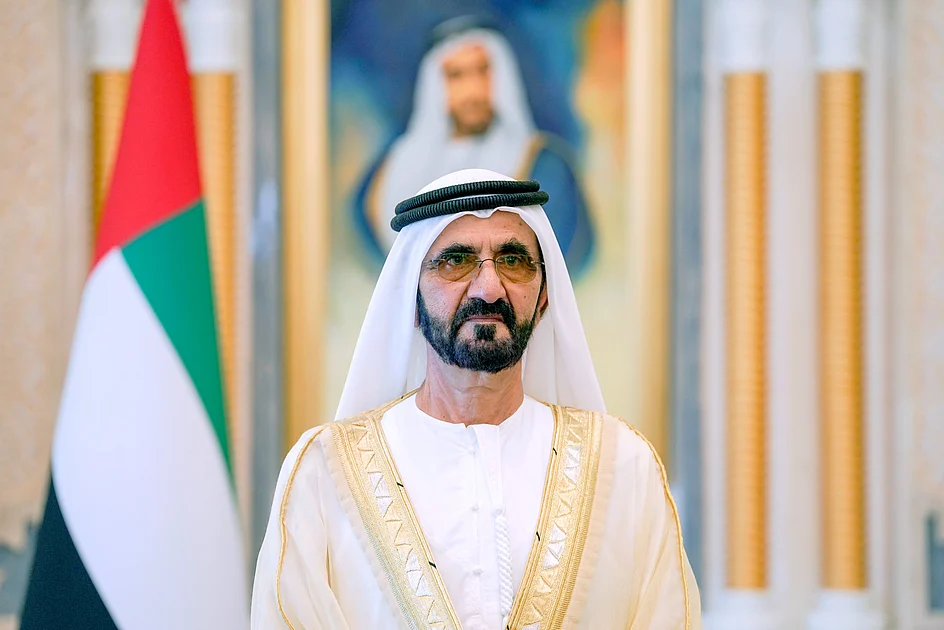
Sheikh Mohammed pardons 1,856 inmates from Dubai facilities for Ramadan
In a significant humanitarian gesture marking the commencement of Ramadan 2026, His Highness Sheikh Mohammed bin Rashid Al Maktoum, Vice-President and Prime Minister of the UAE and Ruler of Dubai, has authorized the release of 1,856 inmates from correctional facilities across the emirate. The pardon, announced on the first day of the holy month, encompasses individuals of diverse nationalities currently detained in various Dubai punitive establishments.
This compassionate act aligns with longstanding UAE traditions where national leaders extend clemency during religious observances and special occasions. The initiative demonstrates Sheikh Mohammed’s commitment to restorative justice principles and providing opportunities for societal reintegration.
Dubai’s Attorney General, Counselor Essam Issa Al Humaidan, emphasized the rehabilitative purpose behind the release, stating it offers beneficiaries a meaningful chance to contemplate past transgressions and embrace positive behavioral transformation. The pardon aims to facilitate their return as law-abiding, productive community members while bringing familial reconciliation during this spiritually significant period.
Immediate implementation procedures were initiated by Dubai Public Prosecution following the royal decree. Authorities are expediting administrative processes to ensure prompt reunification of eligible individuals with their families, thereby spreading Ramadan’s spirit of compassion and forgiveness throughout the community.
The extensive release follows similar Ramadan-focused clemency initiatives across other emirates, including Sharjah’s pardon of 738 inmates and the UAE President’s authorization releasing 1,440 prisoners, collectively reflecting the nation’s commitment to mercy and social harmony during sacred occasions.
-

Ramadan 2026: Paid parking rates, timings revised in 3 emirates; see list here
In observance of the holy month of Ramadan, which commenced in the United Arab Emirates on February 17, 2026, following the sighting of the crescent moon, municipal authorities across three emirates have implemented revised parking and toll fee schedules. These annual adjustments are designed to accommodate altered daily routines and support residents during this period of spiritual reflection.
Dubai’s Roads and Transport Authority (RTA) has established a bifurcated paid parking schedule effective from Monday through Saturday. The first fee period runs from 8:00 AM to 6:00 PM, followed by a second collection window from 8:00 PM until midnight. This structured timing intentionally provides a complimentary two-hour parking window around Maghrib (sunset) prayers, enabling residents to perform religious obligations and partake in Iftar meals without incurring parking costs. The RTA confirmed that multi-storey parking facilities will maintain 24/7 operations without interruption.
In the capital emirate, Q Mobility, administrator of the Darb toll gate system, announced adjusted peak timing tariffs. Toll charges have been set at Dh4 during morning commutes (8:00 AM to 10:00 AM) and evening periods (2:00 PM to 6:00 PM) from Monday to Saturday. Concurrently, Abu Dhabi’s public parking system will enforce fees across two daily intervals: 9:00 AM to 6:00 PM and 9:00 PM to 2:00 AM, with standard spaces costing Dh2 hourly and premium zones Dh3 per hour. Sundays will remain toll-free and parking-exempt throughout the capital.
Sharjah Municipality has implemented distinct regulations, maintaining free public parking on Fridays except for smart parking facilities and zones designated for continuous weekly fees, including public holidays. From Saturday to Thursday, paid parking hours will extend from 8:00 AM until midnight, ensuring consistent enforcement while respecting religious observances.
These coordinated transportation policy adaptations reflect the UAE’s commitment to facilitating comfortable religious observance while maintaining urban mobility and regulatory consistency during Ramadan’s unique temporal rhythms.