
Dubai Police have issued a stern warning to residents following a notable increase in fraudulent online ‘investment opportunities.’ These schemes, often advertised through social media and paid promotions, promise risk-free monthly returns of up to 10 percent. The Anti-Fraud Center at the General Department of Criminal Investigation has identified these offers as clear indicators of financial fraud. Scammers typically employ pyramid-style operations, using funds from new investors to pay earlier participants, creating a false sense of profitability before disappearing with the money. Authorities emphasized that guaranteed high returns are unrealistic in regulated investment environments and urged residents to verify the legitimacy of companies before investing. Suspicious activities should be reported via the eCrime platform or by calling 901. Dubai Police highlighted the importance of community awareness in combating financial fraud and protecting residents from falling victim to such schemes.
标签: Africa
非洲
-

UAE flights: Air Arabia launches non-stop Sharjah–London service
Sharjah-based budget airline Air Arabia has announced the launch of a new non-stop flight service connecting Sharjah International Airport to London Gatwick, set to commence on March 29, 2026. The service will operate twice daily, offering travelers enhanced connectivity and convenience between the United Arab Emirates (UAE) and the United Kingdom (UK). This strategic move underscores Air Arabia’s commitment to expanding its global network and strengthening its presence as a key player in the aviation industry. Adel Al Ali, Group CEO of Air Arabia, emphasized that the new route represents a significant milestone in the airline’s growth journey, providing customers with affordable and reliable travel options for both business and leisure purposes. Jonathan Pollard, Chief Commercial Officer at London Gatwick, highlighted the growing demand for Middle Eastern destinations and welcomed Air Arabia’s addition to the airport’s roster of carriers. The launch aligns with London Gatwick’s recent expansion, including the government-approved routine use of its Northern Runway, further enhancing its operational capacity.
-

Global Investors Forum 2025: A strategic platform connecting the GCC with Eurasia through a unified investment ecosystem
The Global Investors Forum (GIF) 2025, set to take place in Tbilisi, Georgia, from December 4 to 5, 2025, is poised to become a landmark event in the global economic landscape. This premier investment platform will bring together over 1,500 participants, including 70 institutional investors, 50 international speakers, and delegations from more than 40 countries. The forum aims to foster collaboration between the Gulf Cooperation Council (GCC) countries and Eurasia through a unified investment ecosystem, focusing on key sectors such as sustainability, technology, tourism, digital assets, real estate, and agricultural technology. Organized in partnership with EurAsia Gulf and AGI Holding, and supported by the International Chamber of Commerce (ICC) and the Embassy of Georgia to the UAE, GIF 2025 will feature high-level panel discussions, investment showcases, and business matchmaking sessions. The event will also witness the signing of strategic Memoranda of Understanding (MoUs) between government and private investment institutions, aimed at creating cross-border financing channels in vital sectors like clean energy, sustainable technologies, and digital agriculture. Notable participants include Dr. Abdullah Belhaif Al Nuaimi, Chairman of the Sharjah Consultative Council (UAE), Dr. Taysir Al Khunaizi, Partner and Deputy CEO of the Georgia Saudi Investment Corporation, and Dr. Sadeddine Mneimne, Chairman of AGI Holding and Founder of the Global Investors Forum. The forum will also feature global leaders such as Aref bin Ali Al Abbar, President of the Hobbies Club in the UAE, and Arif Anis, an internationally recognized leadership expert. The event is expected to yield major investment agreements valued at hundreds of millions of dollars, with a strong emphasis on advancing green projects and financing innovation in renewable energy and digital infrastructure. The forum represents a significant step forward in advancing international cooperation between emerging markets and global investors, reinforcing the importance of economic collaboration in connecting the Middle East with Europe and Central Asia.
-
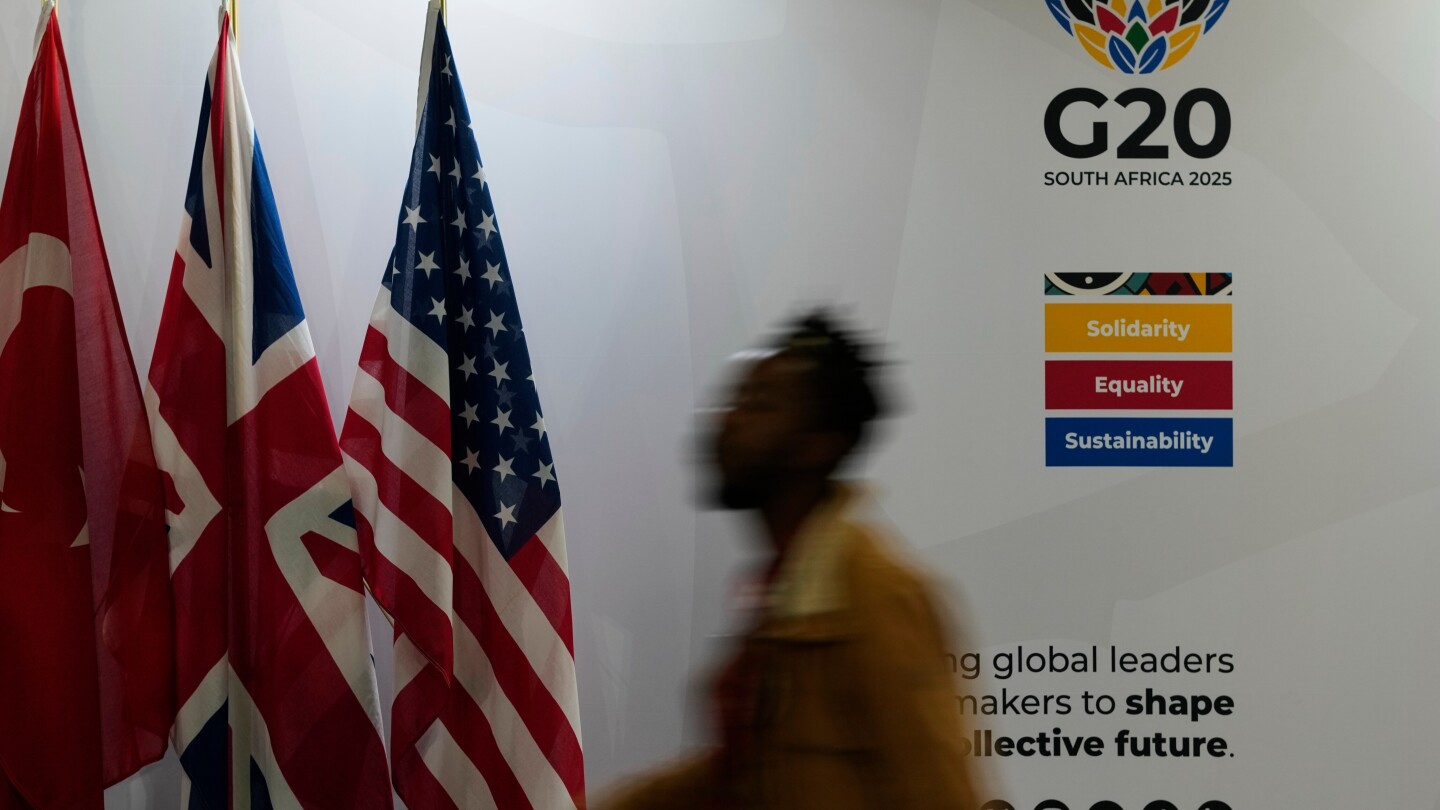
Takeaways from the first G20 summit in Africa and a look ahead to the next one at Trump’s golf club
The inaugural Group of 20 (G20) summit held in Africa concluded on Sunday, marking a historic shift by placing the concerns of developing nations at the forefront of the bloc’s agenda. Hosted by South Africa, the summit culminated in a declaration signed by some of the world’s wealthiest and emerging economies, committing to address critical issues affecting poorer countries. These include the disproportionate impact of climate change, escalating debt burdens, and the urgent need for equitable access to green energy transitions. However, the United States, a founding G20 member and the world’s largest economy, notably boycotted the event, refusing to endorse the declaration. The Trump administration has openly criticized South Africa’s agenda, particularly its focus on climate change. With the U.S. assuming the G20 presidency immediately after the summit, the long-term implications of the Johannesburg declaration remain uncertain. The 122-point declaration, while non-binding, signals a consensus among participating nations to mobilize public and private financing to aid developing countries in recovering from climate-related disasters. Africa, which contributes only 2-3% of global emissions, faces some of the most severe consequences of climate change, as evidenced by recent devastating cyclones in Mozambique, Malawi, and Zimbabwe. Leaders from developing nations, including Sierra Leone’s President Julius Maada Bio, highlighted the unfair borrowing conditions they face, with interest rates up to eight times higher than those for wealthier countries. Despite the summit’s achievements, questions linger about the G20’s effectiveness in addressing global crises, such as the war in Ukraine and the Sudanese civil war, which received minimal attention in the declaration. The summit concluded with an awkward moment as South African President Cyril Ramaphosa handed over the symbolic G20 gavel to Brazil’s President Luiz Inácio Lula da Silva, as no U.S. representative was present due to the boycott. The U.S. had proposed sending a junior embassy official, which South Africa deemed disrespectful. Looking ahead, the G20’s trajectory under U.S. leadership appears starkly different, with the Trump administration criticizing South Africa’s inclusive approach and suggesting a return to a more streamlined G20 framework. The summit’s outcomes underscore the growing divide between developed and developing nations, as well as the challenges of fostering global cooperation in an increasingly polarized world.
-
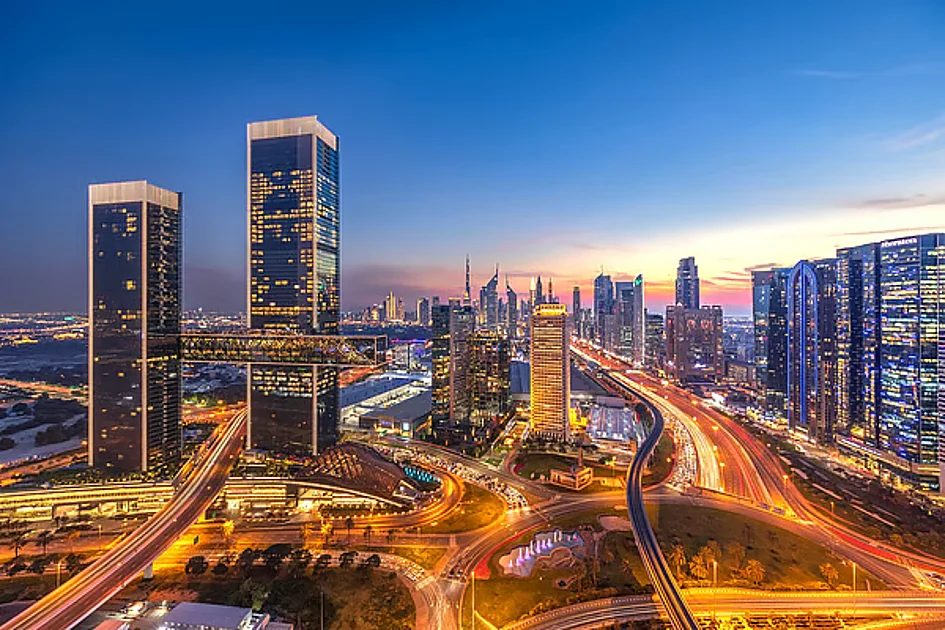
470 new residents, only 150 homes a day: Dubai’s population outpaces supply
Dubai is grappling with a significant housing crisis as its population growth continues to outstrip the supply of new residential units. According to the Dubai Data and Statistics Establishment, the emirate’s population surged by 17,660 in just one month, reaching 4.04 million by mid-November 2025. This influx of expatriates, professionals, and investors has created a demand for approximately 150 new homes daily, yet only 7,800 units were delivered in the third quarter of 2025, with another 14,900 expected in the fourth quarter. This annual total of 44,000 units falls short of the housing needs generated by the city’s rapid population growth.
Experts warn that this imbalance is likely to persist for the next three to four years, driving up property prices and rentals. Ghassan Saliba, CEO of Stage Properties, emphasized that even the units currently being sold or released are insufficient to meet demand. He noted that the city’s infrastructure, including roads and bridges, is also under strain due to the growing population.
To address the housing shortage, Dubai announced in March 2025 the allocation of land to develop over 17,000 affordable units across the emirate. Additionally, the government introduced initiatives such as the First-Time Home Buyer Programme, which offers eligible residents priority on new launches, preferential pricing, and easier mortgage pathways for homes valued up to Dh5 million.
Despite these efforts, concerns remain about the long-term sustainability of Dubai’s housing market. The Dubai 2040 Urban Master Plan aims to increase the city’s population to 5.8 million by 2040, requiring an estimated 128,000 new residents annually. However, with current housing delivery rates at only half of what is needed, there is a risk that new residents and potential buyers may be priced out of the market, potentially limiting population growth in the future.
-
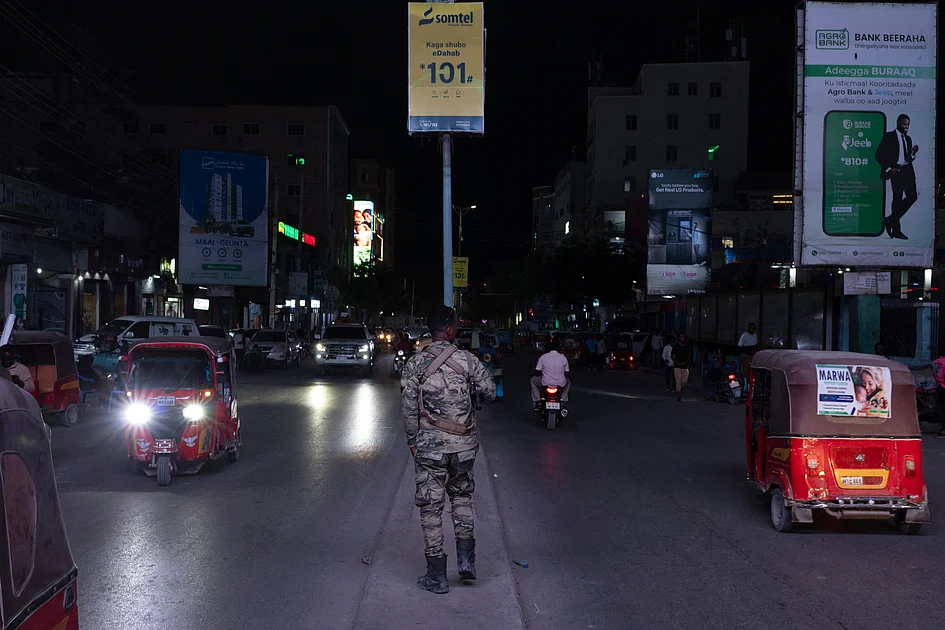
Rising from the ashes of war: Mogadishu’s building boom
Mogadishu, the capital of Somalia, is experiencing a remarkable transformation as it emerges from decades of conflict and instability. For the first time in years, the city’s three million residents are witnessing a construction boom, with new buildings rising amidst the remnants of war-torn streets. Pavements still bear the scars of bullet holes, and ruined structures remain, but the dominant sound is now the clatter of construction rather than the echoes of destruction. This resurgence is a testament to the resilience of a city that has endured civil war in the 1990s and a militant insurgency that continues to threaten parts of the country. Despite these challenges, Mogadishu is making strides toward recovery, driven by improved security measures and investment from the Somali diaspora. The government attributes the decline in insurgent attacks—down 86% from 2023 to mid-2025—to a new system of checkpoints and enhanced professionalism among security forces. However, the city still faces significant hurdles, including the resurgence of Al-Shabaab in surrounding areas and growing inequality. While wealthy officials and foreigners benefit from improved living standards, many residents grapple with forced evictions and limited access to essential services. The construction boom, though a sign of progress, raises questions about who truly benefits from Mogadishu’s rise.
-

Sinner-less Italy see off Spain to complete Davis Cup hat trick
Italy achieved a remarkable feat in the world of tennis by securing their third consecutive Davis Cup title, defeating Spain 2-0 in a thrilling final held in Bologna. The victory was particularly notable as the Italian team managed to retain their crown without the presence of their star player, Jannik Sinner, and other top-ranked athletes. The match saw Flavio Cobolli deliver a stunning comeback against Jaume Munar, winning 1-6, 7-6 (7/5), 7-5, which ignited jubilant celebrations among the home crowd. Earlier, Matteo Berrettini had set the tone with a decisive 6-3, 6-4 victory over Pablo Carreno Busta, ensuring Italy’s dominance throughout the tournament. The Italian team’s unity and depth were on full display, as they triumphed without needing to play the doubles match. Spain, despite missing their top player Carlos Alcaraz due to injury, put up a valiant effort but fell short in their quest for a seventh Davis Cup title. The International Tennis Federation also addressed concerns about top players skipping the competition, emphasizing the participation of many high-ranked athletes in earlier rounds. Italy’s historic hat trick cements their status as a powerhouse in international tennis.
-

AI-powered living: BSH revolutionises home with smart technology
BSH Home Appliances is pioneering a new era of home living by seamlessly integrating artificial intelligence (AI) and Home Connect technology across its brand portfolio. This innovative approach is redefining how individuals interact with their homes, offering smarter, more personalised experiences that enhance comfort and convenience. At the forefront of this transformation is Siemens, one of BSH’s leading brands, which is leveraging AI to elevate lifestyle and well-being while fostering meaningful relationships and environmental sustainability.
-
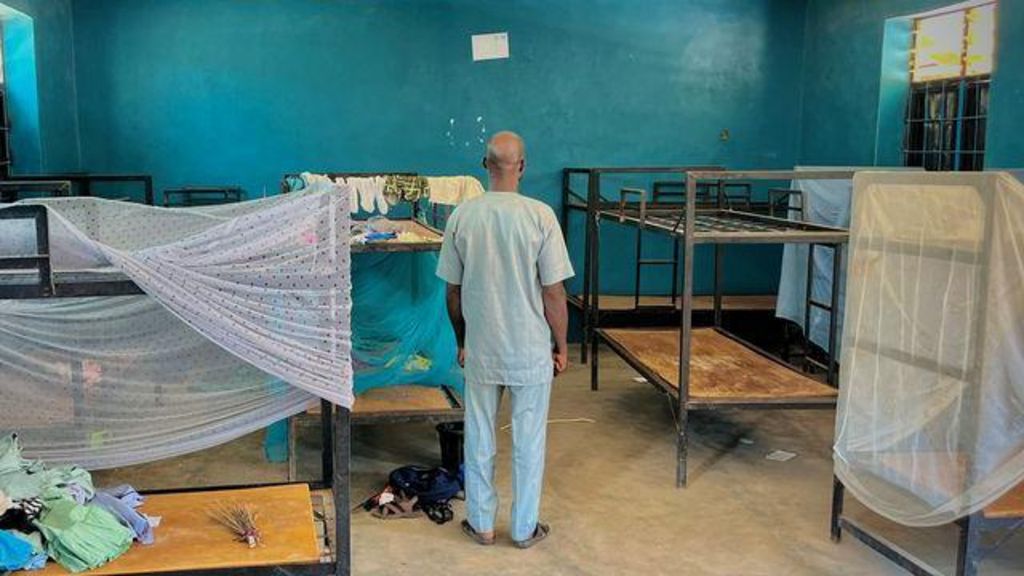
Abducted child’s father tells BBC he felt helpless as he saw mass Nigerian kidnapping
A wave of anger and despair has swept through northern Nigeria following the abduction of over 300 students and staff from St. Mary’s Catholic boarding school in Papiri village, Niger state. The incident, which occurred in the early hours of Friday, has left parents feeling abandoned by the government and desperate for answers. Theo, a father whose son was among those taken, recounted the harrowing scene to the BBC, describing how gunmen on motorcycles stormed the school and herded the children away like livestock. Despite his instinct to intervene, Theo felt powerless, knowing he could do nothing against the armed kidnappers. The Christian Association of Nigeria reported that 303 students and 12 staff were abducted, though 50 children managed to escape and have since been reunited with their families. However, Niger state governor Umar Bago disputed these numbers, claiming the figure was exaggerated and blaming the school for remaining open despite prior threats. Parents like Theo have been camping outside the school, frustrated by the lack of government action and security presence. The northern region of Niger has become a hotspot for kidnappings, with criminal gangs exploiting the area’s vast forests and weak law enforcement. This incident is the third mass abduction in Nigeria within a week, prompting President Bola Tinubu to cancel his G20 summit trip to address the crisis. While Tinubu has vowed to secure the nation, parents remain skeptical, feeling their children’s lives are not a priority. The abductions have forced the closure of many boarding schools across Nigeria, leaving parents in a state of fear and uncertainty.
-
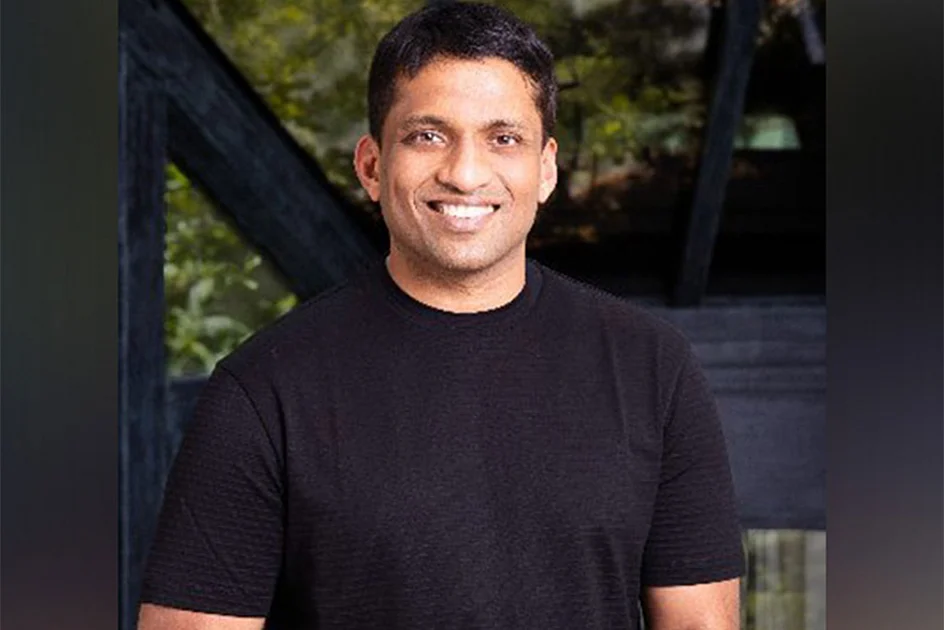
US court orders Byju’s to pay back $1.07 billion; founder to appeal judgement
In a significant legal development, a US court has ordered Byju Raveendran, founder of the Indian ed-tech giant Byju’s, to repay $1.07 billion following a contentious case involving allegations of fund mismanagement. Raveendran has vowed to appeal the judgment, claiming he was denied the opportunity to present a defense. The case, spearheaded by US lenders led by GLAS Trust, centers on $533 million in missing funds and a disputed $500 million partnership stake. Byju’s legal team has accused GLAS Trust of misleading the Delaware Courts to expedite the proceedings, resulting in a default judgment issued without proper defense. The legal team asserts that the funds in question were used for the benefit of Think & Learn Private Limited (TLPL), the parent company of Byju’s, and not for personal gain. Raveendran’s legal advisors have announced plans to file appeals and prepare federal claims against GLAS Trust, alleging racketeering and obstruction of justice, with damages estimated at over $2.5 billion. The case has drawn widespread attention, raising questions about corporate governance and the integrity of legal processes in high-stakes financial disputes.