标签: Africa

非洲

  • Citing AP investigation, new bill seeks to prohibit DHS from using full-body restraints

    Citing AP investigation, new bill seeks to prohibit DHS from using full-body restraints

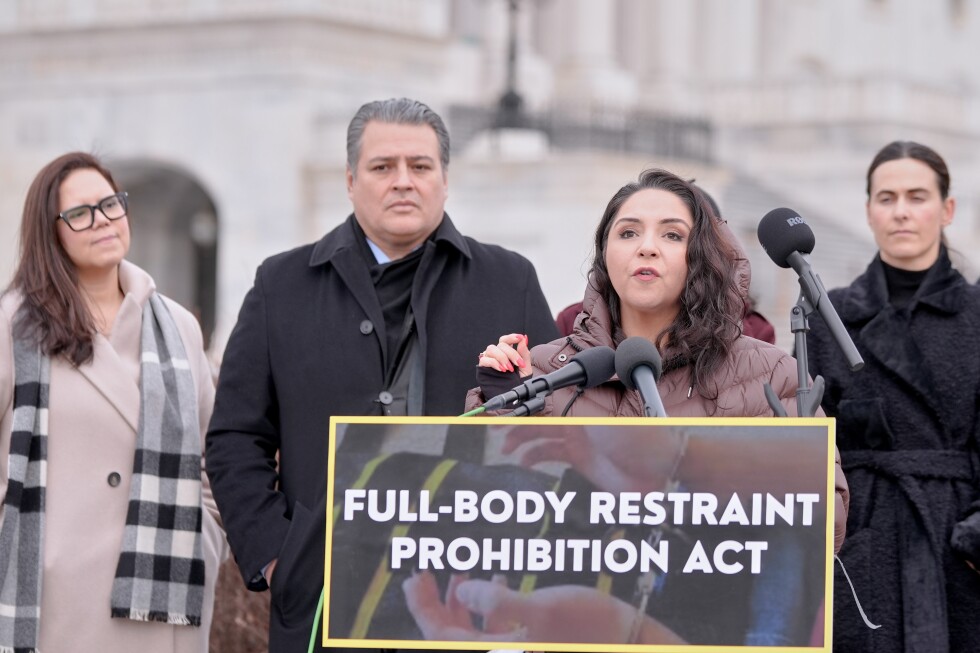
    A groundbreaking legislative initiative has emerged in the U.S. House of Representatives seeking to prohibit the Department of Homeland Security from utilizing the controversial WRAP restraint system. The Full-Body Restraint Prohibition Act, introduced by Illinois Democratic Representative Delia Ramirez on Wednesday, would permanently ban future acquisitions of the device while establishing stringent oversight and reporting protocols.

    The legislative action follows an extensive Associated Press investigation that documented multiple instances of U.S. Immigration and Customs Enforcement deploying the WRAP apparatus during deportation flights since 2020. According to the findings, individuals were frequently restrained in the device for extended periods, sometimes spanning several hours.

    Representative Ramirez condemned the practice, stating that the WRAP “fuels destruction in our communities and human suffering” and characterizing the legislation as a critical step toward ending “the pain and violence caused by DHS.”

    The California-manufactured device, produced by Safe Restraints Inc., has become the subject of numerous federal lawsuits alleging that improper application constitutes punishment and torture. Advocacy groups have raised alarms about ICE’s failure to document WRAP usage in accordance with federal force reporting requirements, creating significant transparency gaps regarding the true scope of implementation.

    Beyond immigration enforcement contexts, the AP investigation identified twelve fatal incidents over the past decade where autopsies determined WRAP usage by local law enforcement agencies contributed to prisoner deaths. This pattern has drawn concern from DHS’s own civil rights division, which voiced internal reservations about the device in a 2023 report.

    Financial records reveal DHS has allocated $268,523 to Safe Restraints Inc. since initial purchases began during the Obama administration in late 2015, with contracts extending through June 2025. Notably, approximately 91% of this expenditure occurred during the two Trump administrations.

    Safe Restraints CEO Charles Hammond defended the product as a “safer, more humane, pain-free alternative to other restraint methods,” warning that elimination would force a return to “alternative restraints and tactics proven to cause pain, injury and even fatalities.” The company developed a modified version specifically for ICE with adaptations for prolonged use during flights and extended transportation.

    However, the AP investigation found ICE personnel routinely deploy the WRAP under circumstances far exceeding manufacturer guidelines. Multiple detainees reported being restrained in the device after already being shackled, often as intimidation or punishment for requesting legal counsel or expressing deportation fears.

    The mounting evidence has prompted significant political response, with eleven Democratic U.S. senators dispatching a formal letter to immigration officials citing “serious human rights concerns” following the AP’s October investigation. DHS has declined repeated requests for comment regarding WRAP usage practices and the newly proposed legislation.
  • UN sanctions paramilitary leaders over Sudan atrocities

    UN sanctions paramilitary leaders over Sudan atrocities

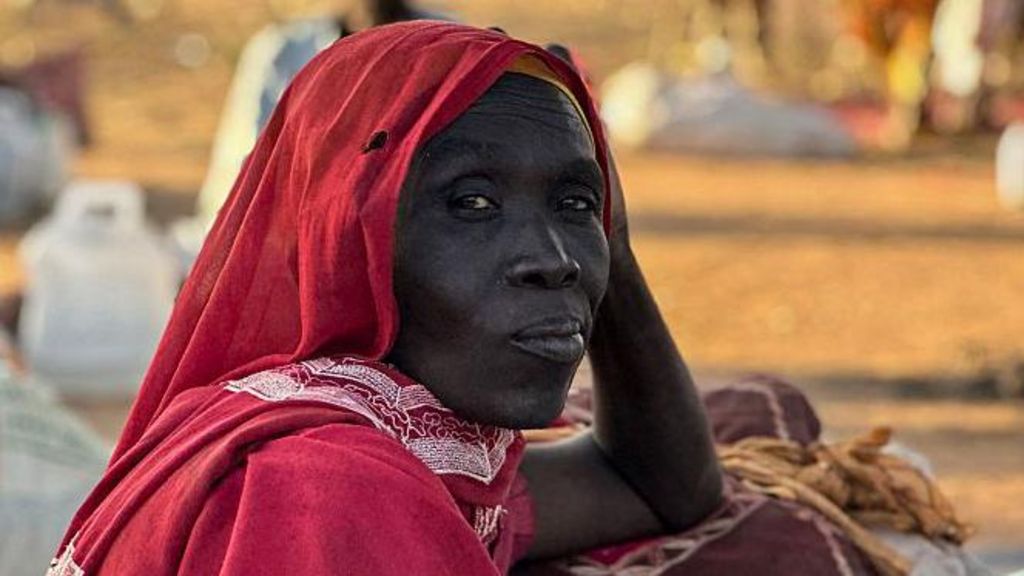
    The United Nations Security Council has levied targeted sanctions against four high-ranking commanders of Sudan’s paramilitary Rapid Support Forces (RSF) for their direct involvement in atrocities committed during the capture of el-Fasher. Among those designated are Abdul Rahim Hamdan Dagalo (brother of RSF chief Mohamed ‘Hemedti’ Dagalo) and Brigadier General Al-Fateh Abdullah Idris, infamously dubbed the ‘Butcher of el-Fasher.’ The list also includes deputy commander Gedo Hamdan Ahmed and field commander Tijani Ibrahim.

    This decisive action follows a damning UN fact-finding mission report that characterized the RSF’s violent October takeover of the city as bearing the ‘hallmarks of a genocide.’ The operation, which ended an 18-month siege on the capital of North Darfur, was described as ‘three days of horror’ marked by summary executions, systematic sexual violence, and mass detentions primarily targeting the ethnic Zaghawa population.

    The UN cited extensive evidence, including graphic videos posted by Idris himself, showing him executing civilians and boasting of killing over 2,000 people. Dagalo was identified as having overseen operations on the day of the capture, during which his forces conducted mass killings and ethnically targeted executions.

    This marks the fourth international sanction designation for Dagalo, following similar actions by the United States, United Kingdom, and European Union. While war crimes investigators from The Sentry organization welcome the coordinated targeting of officials, they emphasize that far more comprehensive measures are needed to impose real financial consequences on the RSF and its support networks.

    The conflict in Sudan, escalating since April 2023 between the RSF and national army, has created what the UN describes as a ‘war of atrocities,’ resulting in tens of thousands of deaths and triggering the world’s most severe hunger and displacement crisis. According to the UN refugee agency, over 70,000 people have fled el-Fasher since its capture, with many civilians remaining trapped, missing, or detained by RSF forces within the city.

    The specific sanctions imposed were not detailed in the announcement, though the UN Security Council holds authority to implement measures including asset freezes and travel bans.

  • Man Utd ruled out signing Osimhen ‘because of Afcon’

    Man Utd ruled out signing Osimhen ‘because of Afcon’

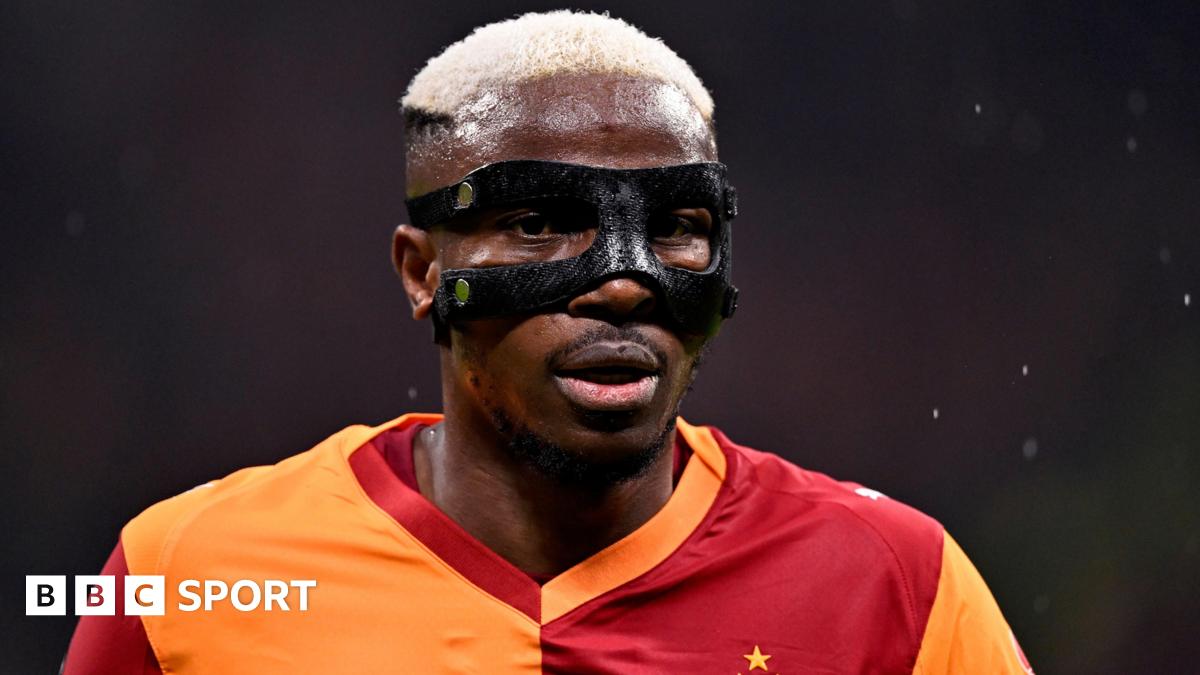
    Former Manchester United first-team coach Benni McCarthy has disclosed that the biennial Africa Cup of Nations (AFCON) tournament was the decisive factor in the club’s decision to abandon a potential move for Nigerian striker Victor Osimhen. McCarthy, who was involved in recruitment under manager Erik ten Hag, revealed that Osimhen was initially ‘at the top of the list’ of targets following his spectacular 26-goal season that propelled Napoli to the 2022-23 Serie A title. The South African coach believed the Nigerian’s robust playing style and mental fortitude made him a ‘perfect fit’ for Old Trafford. However, the prospect of losing a hypothetical £100 million signing for a critical period during the European season proved too significant a risk for the club’s hierarchy. United’s apprehension centered on the tournament’s traditional scheduling in January and February, which would deprive the team of its primary striker during a congested and decisive phase of the domestic campaign. This concern ultimately led United to divert their attention and secure the signature of Danish forward Rasmus Hojlund from Atalanta for £72 million in August 2023. Osimhen, despite being crowned African Footballer of the Year in 2023, later moved to Galatasaray, initially on loan in September 2024 before making the transfer permanent. McCarthy expressed personal disappointment at the outcome, lamenting the persistent club-versus-country conflict that affects African players. He suggested the Confederation of African Football (CAF) could better synchronize the tournament with FIFA and UEFA to avoid clashing with major European league schedules, perhaps by utilizing the June-July window, despite the lack of player rest it would cause. In a significant development, CAF has since announced that AFCON will transition from a biennial to a quadrennial event starting in 2028, a move intended to better align with the global football calendar and potentially alleviate such recruitment dilemmas for European clubs in the future.

  • Zimbabwe rejects ‘lopsided’ US health aid deal over data concerns

    Zimbabwe rejects ‘lopsided’ US health aid deal over data concerns

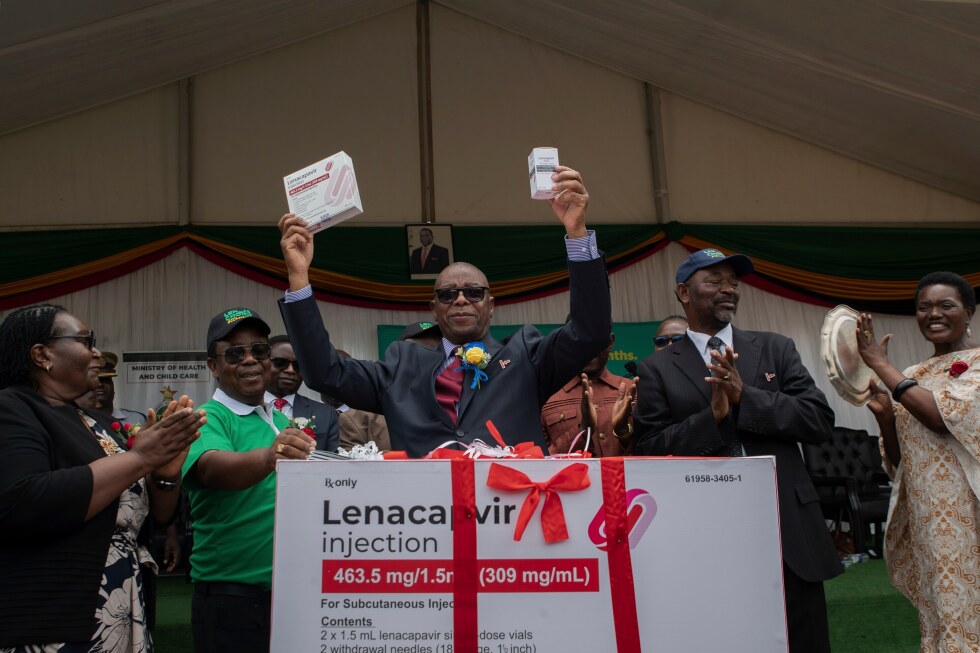
    Zimbabwe has formally declined a substantial health assistance package from the United States valued at $367 million, citing concerns over data sovereignty and inequitable terms. The decision emerged through a leaked government memorandum from December, revealing President Emmerson Mnangagwa’s characterization of the proposed five-year agreement as “lopsided.”

    According to government spokesperson Nick Mangwana, the rejection stemmed from Washington’s demands for unrestricted access to Zimbabwe’s biological samples and health data for research and potential commercial applications, without guaranteeing reciprocal benefits. “Zimbabwe was being asked to share its biological resources and data over an extended period, with no corresponding guarantee of access to any medical innovations—such as vaccines, diagnostics, or treatments—that might result from that shared data,” Mangwana stated.

    The US Embassy in Zimbabwe expressed disappointment, noting that the funding would have supported critical programs addressing HIV/AIDS treatment and prevention, tuberculosis, malaria, maternal and child health, and disease outbreak preparedness. US Ambassador Pamela Tremont announced the “difficult and regrettable task of winding down our health assistance in Zimbabwe,” highlighting that the US had provided over $1.9 billion in health funding to the country over the past two decades.

    This development occurs within the broader context of the Trump administration’s foreign aid restructuring, which has emphasized bilateral government-to-government agreements while reducing support for multilateral institutions. The US withdrawal from the World Health Organization (WHO) and pursuit of direct health pacts with African nations have raised concerns about existing global health frameworks. Zimbabwe pointed to the WHO’s Pathogen Access and Benefit Sharing scheme as a more equitable alternative for future pandemic response.

    Notably, Kenya’s High Court suspended a similar US health agreement in December over data safety concerns, indicating a growing pattern of scrutiny regarding health data sovereignty in US-Africa relations. Despite the rejection, Zimbabwe emphasized that its decision “should not be misconstrued as anti-American sentiment” and expressed willingness to continue dialogue on future cooperation that respects “the sovereignty and dignity of both nations.”

  • US to end health aid to Zimbabwe after funding talks collapse

    US to end health aid to Zimbabwe after funding talks collapse

    ZIMBABWE’S PUBLIC HEALTH SYSTEM faces unprecedented challenges following the collapse of negotiations between Harare and Washington regarding a proposed $367 million health assistance package. The United States has announced it will progressively terminate all health funding to the African nation after Zimbabwean authorities rejected a bilateral agreement requiring comprehensive access to sensitive health data.

    The disputed five-year funding proposal would have represented the largest international health investment in Zimbabwe, supporting critical programs for HIV/AIDS treatment and prevention, tuberculosis control, malaria eradication, and maternal-child healthcare. U.S. Ambassador Pamela Tremont characterized the decision as “difficult and regrettable,” noting that Zimbabwe had indicated preparedness to continue its HIV response independently.

    Zimbabwean government spokesperson Nick Mangwana explained the rejection stemmed from multiple concerns regarding data sovereignty, fairness, and reciprocal benefits. “The United States was not offering reciprocal sharing of its own epidemiological data with our health authorities,” Mangwana stated. “Our nation would provide the raw materials for scientific discovery without assurance that end products like vaccines or treatments would be accessible to our people.”

    The funding termination jeopardizes programs supporting approximately 1.2 million Zimbabweans currently receiving HIV treatment through U.S.-backed initiatives. Medical professionals have expressed alarm, with the College of Public Health Physicians warning that abrupt discontinuation could cause treatment interruptions, increased transmission rates, drug resistance emergence, and additional strain on an already fragile health system.

    This development reflects the Trump administration’s broader shift toward bilateral “America First” health agreements, replacing previous multilateral frameworks. The U.S. has signed similar pacts with 16 African nations totaling over $18 billion, though implementation has faced challenges elsewhere, including legal delays in Kenya over data safety concerns.

    Zimbabwean officials criticized the bilateral model as a departure from established WHO mechanisms designed to ensure equitable benefit sharing when countries contribute pandemic-related data. The nation has been a major recipient of U.S. health assistance, receiving nearly $2 billion since 2006 through programs including PEPFAR, which has been instrumental in helping Zimbabwe achieve UN HIV treatment targets.

  • Guinea confirms detention of 16 Sierra Leonean soldiers

    Guinea confirms detention of 16 Sierra Leonean soldiers

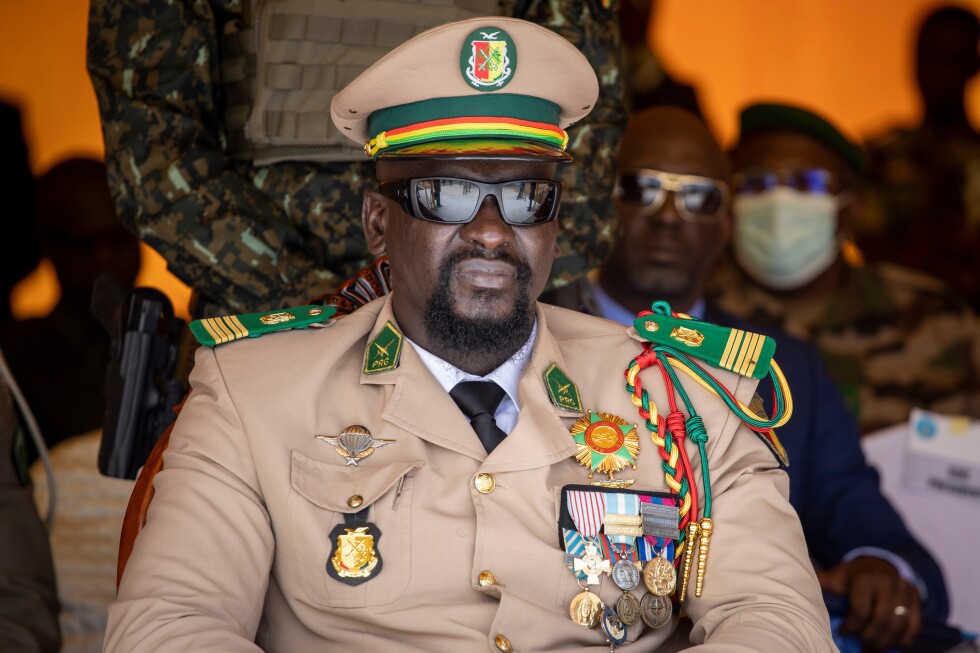
    Guinea’s military authorities have formally announced the detention of sixteen Sierra Leonean military personnel, alleging unauthorized border incursion and provocative flag-raising activities on Guinean territory. The incident occurred in the Koudaya district of Faranah region, a contested border zone between the two West African nations.

    According to an official statement released by Guinea’s Ministry of National Defense late Tuesday, the detained soldiers had established an unauthorized encampment and raised the Sierra Leonean flag on Guinean soil. Guinean security forces subsequently confiscated their military equipment and supplies.

    This development represents the latest escalation in a protracted border dispute dating back to the Sierra Leonean Civil War (1991-2002). Historically, Guinea had deployed troops to assist Sierra Leone in securing its eastern borders during the conflict, but these forces never fully withdrew following the war’s conclusion, creating ongoing territorial ambiguities.

    The Sierra Leonean government provided a contrasting narrative earlier Tuesday, stating that security personnel—including one officer—were engaged in legitimate construction activities for a border post in Kalieyereh, Falaba district, when apprehended on Monday.

    This incident follows similar tensions last year when Guinean military forces entered a mineral-rich border town within Sierra Leone’s territory, demonstrating the persistent volatility in the region. Both nations continue to maintain differing interpretations of their shared border, with this latest detention further complicating diplomatic relations.

  • Joshua crash driver case adjourned to March

    Joshua crash driver case adjourned to March

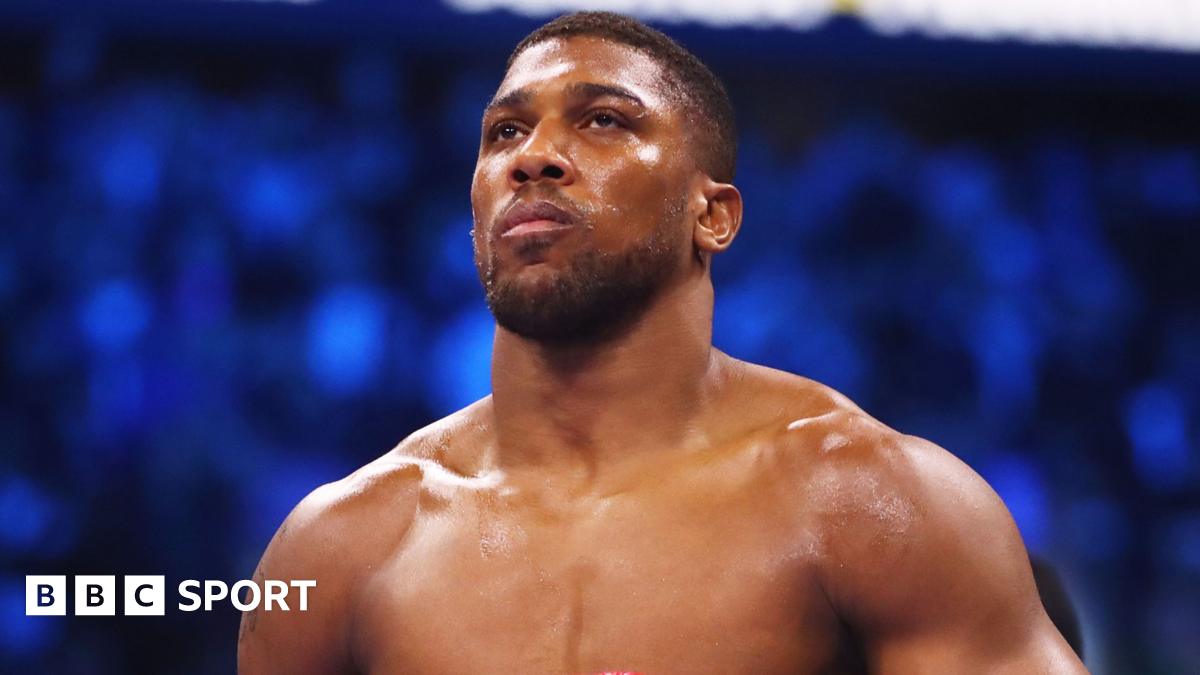
    The driver involved in a December vehicle collision that resulted in the deaths of two members of boxer Anthony Joshua’s training team has been formally charged in Nigerian court. Adeniyi Mobolaji Kayode, 46, appeared before Sagamu Magistrates Court in Ogun state facing serious charges including causing death by dangerous driving, reckless and negligent operation of a vehicle, driving without due care, and operating without a valid driver’s licence.

    The tragic incident occurred on December 29th along the heavily traveled Lagos-Ibadan expressway in southwest Nigeria when the Lexus SUV carrying Joshua collided with a stationary lorry. The accident claimed the lives of Joshua’s personal trainer Latif Ayodele and strength coach Sina Ghami, both of whom were pronounced dead at the scene. The 36-year-old former world heavyweight champion sustained injuries requiring hospital treatment but was discharged after two days of care.

    During Wednesday’s court proceedings, prosecutors requested additional time to prepare their evidence, leading to an adjournment until March 13th. Kayode, who was making his second appearance before the court, has not yet entered a formal plea to the charges. The case continues to develop as Nigerian authorities pursue justice for the victims of this devastating roadway tragedy.

  • How Zimbabwe returned from abyss to World Cup resurgence

    How Zimbabwe returned from abyss to World Cup resurgence

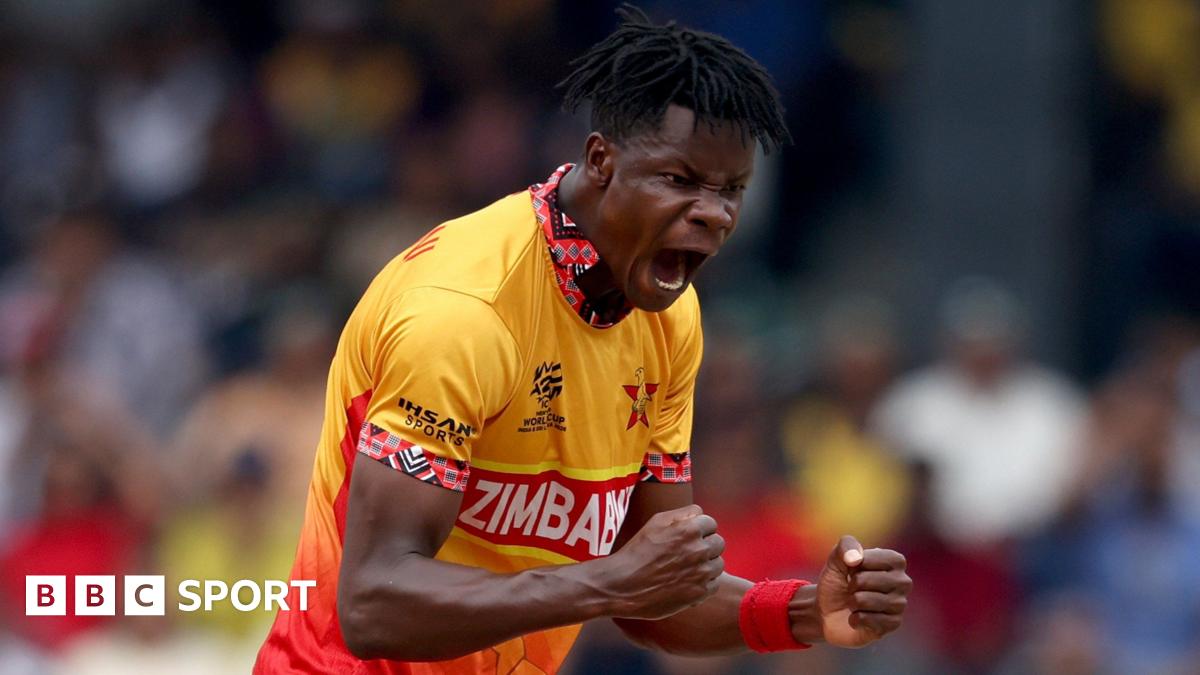
    In a stunning display of resilience, Zimbabwe’s cricket team has completed one of sport’s most remarkable comebacks by defeating Australia and advancing to the Super 8 stage of the T20 World Cup. This achievement marks the culmination of a two-decade journey through political oppression, financial ruin, and international exile that nearly destroyed the nation’s cricket legacy.

    The Chevrons’ current success stands in stark contrast to their dark period beginning in 2003, when players Andy Flower and Henry Olonga staged their iconic black armband protest against Robert Mugabe’s regime, symbolizing the ‘death of democracy’ in Zimbabwe. The subsequent years witnessed mass player resignations, voluntary suspension from Test cricket, and overwhelming debt that reached $27 million.

    Former all-rounder Sean Williams recounted the bleakest era: ‘There were more office members employed than players. It looked like Zimbabwe Cricket was dying – if not dead.’ The crisis peaked in 2019 when the International Cricket Council suspended Zimbabwe from international competitions.

    The turnaround began with chairman Tavengwa Mukuhlani’s financial restructuring that eliminated nearly all debt through stringent budgeting and staff sacrifices. Strategically, the board embraced an old-school approach focused on Test cricket development. ‘Let’s go back and play Tests – this is the only way our team’s going to improve,’ explained Zimbabwe Cricket managing director Givemore Makoni.

    Pivotal appointments included Justin Sammons as head coach in 2024, who implemented rigorous fitness programs and promoted young talents like Brian Bennett and Blessing Muzarabani. However, the team’s heartbeat remains captain Sikandar Raza, whose journey from failed fighter pilot aspirant to cricketing superstar embodies Zimbabwe’s resilience. Raza’s leadership proved crucial when he rallied the team after poor performances forced them to qualify through a tournament in Kenya.

    The current World Cup campaign has electrified the nation, with Raza noting: ‘This is probably the first time in a long time where fans have travelled to support. We have given them hope that this team is onto something.’

    Despite a recent 107-run defeat to West Indies in the Super 8 stage, Zimbabwe’s victories against former champions Australia and Sri Lanka have already secured their place as tournament darlings. With the 2027 ODI World Cup co-hosted by Zimbabwe on the horizon, the nation’s cricket future appears brighter than ever. As former captain Tatenda Taibu reflected: ‘Possibilities? They are always there where Zimbabwe is concerned.’

  • Two Ugandan women detained after allegedly kissing in public

    Two Ugandan women detained after allegedly kissing in public

    Ugandan authorities have detained two women in their twenties following allegations of public same-sex intimacy, marking another enforcement case under the nation’s stringent Anti-Homosexuality Act. The arrest occurred on February 18 in Arua, a northwestern city, after local residents provided photographic evidence to police showing the women kissing outdoors.

    Police spokesperson Josephine Angucia confirmed that neighbors reported witnessing homosexual behavior and documented the incident before alerting law enforcement. Additionally, residents raised suspicions about overnight gatherings at the women’s one-bedroom residence, suggesting possible same-sex activities. The case has now been forwarded to prosecutors for evaluation and potential judicial action.

    Under Uganda’s controversial legislation, enacted in May 2023, consensual same-sex relations carry life imprisonment penalties, while aggravated offenses including repeat incidents or involvement of minors may result in capital punishment. The detained women currently remain in custody without legal representation according to AFP reports.

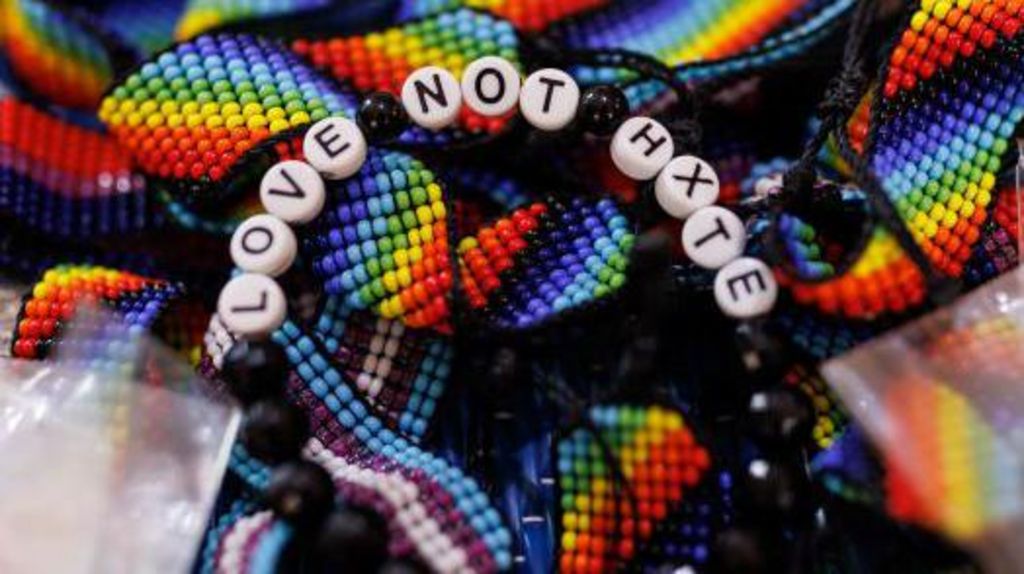
    The law has drawn significant international criticism since its implementation, with human rights advocate Frank Mugisha highlighting increased risks of blackmail and extortion against LGBTQ+ individuals who fear reporting violations. Western governments and global organizations including the United Nations have condemned the legislation, leading to temporary suspension of World Bank lending until 2025. Uganda maintains its conservative Christian values amid ongoing international scrutiny regarding human rights protections.

  • Senegal PM proposes tougher anti-LGBT law, doubling prison terms

    Senegal PM proposes tougher anti-LGBT law, doubling prison terms

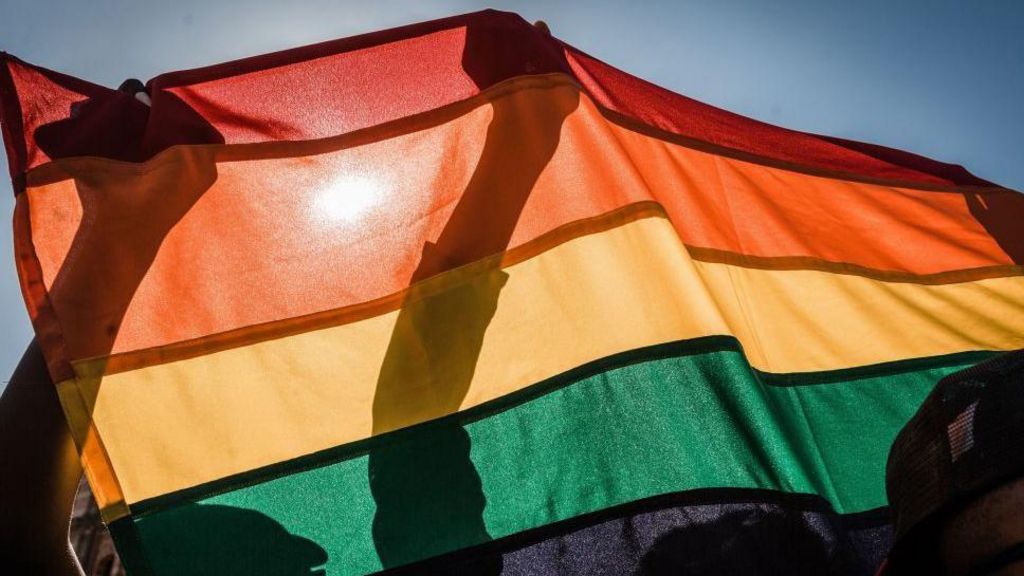
    In a significant legislative move, Senegal’s Prime Minister Ousmane Sonko has proposed substantially increased penalties for same-sex relations, potentially doubling prison terms to a maximum of ten years. The controversial bill, approved by the cabinet last week and formally submitted to parliament on Tuesday, represents the government’s latest effort to strengthen existing prohibitions against homosexual activities in the predominantly Muslim nation.

    The proposed legislation specifically targets what it categorizes as “acts against nature,” elevating potential prison sentences from the current one-to-five year range to five-to-ten years. Notably, the draft law stipulates that offenses involving minors would automatically incur the maximum penalty. Additionally, the bill introduces provisions for punishing those who promote or advocate for same-sex relations with three to seven years imprisonment, while also prescribing penalties for unsubstantiated accusations of homosexuality.

    Financial penalties have also been substantially increased under the proposed legislation, with fines reaching up to 10 million CFA francs (approximately $18,000). Despite these heightened punishments, Prime Minister Sonko emphasized that same-sex relations would maintain their current classification as misdemeanors rather than being elevated to more serious criminal categories.

    The legislative initiative follows a recent wave of arrests targeting alleged same-sex relationships, with local media reporting approximately 30 detentions this month alone, including two public figures and a prominent journalist. These developments occur against a backdrop of longstanding tensions surrounding LGBT rights in Senegal, where conservative religious groups frequently characterize pro-LGBT activism as foreign interference and have organized demonstrations demanding stricter enforcement of anti-homosexuality laws.

    Prime Minister Sonko, a former opposition leader appointed to his current position in 2024, had previously pledged to criminalize same-sex relations in the West African country. His Pastef party maintains control of the parliamentary chamber where the bill will eventually be voted upon, though no specific date has been set for the legislative debate.

    International human rights organizations have condemned both the proposed legislation and recent enforcement actions. Human Rights Watch specifically criticized the crackdown as violating “multiple internationally protected rights,” including principles of equality and nondiscrimination. Senegal’s move aligns with a broader trend across several African nations, including Burkina Faso and Mali, which have recently implemented similar sanctions against LGBT communities. Uganda notably enacted some of the world’s most severe anti-homosexuality legislation in 2023, including potential death penalties for certain same-sex acts.