标签: Africa

非洲

  • Galadari Brothers

    Galadari Brothers

    The Gulf Cooperation Council (GCC) region is experiencing a fundamental transformation in its food and beverage sector, driven by a new generation of digitally-native consumers who are rewriting the established rules of dining. This paradigm shift represents a dramatic departure from traditional restaurant dynamics that once dominated the regional landscape.

    A Digital Payment Revolution has become the cornerstone of this new dining ecosystem. According to a 2026 Visa report, an astonishing 80% of transactions in the UAE are now cashless, with smartphones replacing wallets as the primary payment method. This transformation spans from luxury establishments to modest kiosks, making seamless digital payment integration an absolute necessity rather than an optional feature for F&B operators.

    The emergence of Hyper-Convenience Culture has fundamentally altered consumption patterns. With internet penetration exceeding 90% across GCC nations, app-based food ordering has evolved from novelty to normalcy. Social media platforms have accelerated this digital migration, creating instant pathways from food discovery to purchase without leaving the application interface. Industry projections indicate online orders will constitute over 40% of total sales in certain food categories within this decade, fueling the rapid expansion of cloud kitchens that operate with significantly reduced overhead costs.

    Demographic forces are amplifying this transformation, with nearly 70% of the GCC population under age 35. This youth-dominated market prioritizes speed, personalization, and value over brand heritage alone. Research indicates approximately three-quarters of consumers have switched brands within the past year, demonstrating that promotional offers and perceived value frequently outweigh longstanding brand loyalty.

    The Visual Economy of dining has emerged as a critical factor, particularly among younger demographics. Food must not only satisfy taste buds but also serve as shareable digital content, with multi-colored desserts and limited-edition formats gaining popularity through platforms like TikTok and Instagram. This visual-centric approach has redirected marketing budgets toward creator partnerships and experiential launches that generate organic social media traction.

    Psychological engagement through Gamified Loyalty Systems represents another strategic shift. Points, badges, tier upgrades, and time-limited challenges have transformed routine purchases into progression journeys, with regional platforms increasingly integrating tiered rewards and digital scoring mechanisms to drive customer retention and gather valuable consumer data.

    This comprehensive transformation necessitates a Strategic Reset for F&B operators. Digital infrastructure has transitioned from optional to essential, promotional agility has become critical in value-driven markets, physical formats must accommodate delivery demands, and marketing strategies require interactive elements. Success in this new landscape will belong to the most adaptive operators who recognize that the region hasn’t merely upgraded its technology—it has fundamentally elevated its expectations of the dining experience.
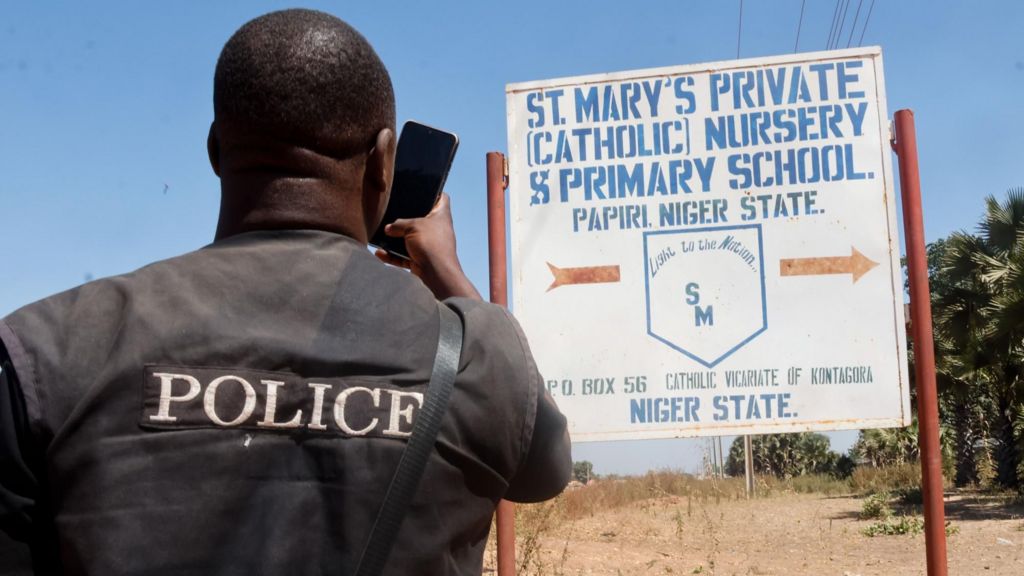
  • Nigeria denies report it paid ‘huge’ ransom to free pupils in mass abduction

    Nigeria denies report it paid ‘huge’ ransom to free pupils in mass abduction

    The Nigerian government has issued a forceful denial of media reports claiming it paid substantial ransom money to Islamist militant group Boko Haram to secure the release of over 200 students and staff members abducted from St. Mary’s Catholic boarding school last November. Information Minister Mohammed Idris characterized the AFP news agency’s report as “completely false and baseless,” asserting that the allegations undermine the professionalism and integrity of the nation’s security forces.

    The controversial report, citing unnamed intelligence sources, suggested Nigeria had paid approximately 40 million naira ($30,000) per captive, with total payments reaching 2 billion naira ($1.5 million). The report further claimed the ransom was delivered via helicopter to Boko Haram’s enclave in Gwoza, Borno state—an assertion Minister Idris dismissed as “fiction.”

    In a separate security development, Police Chief Kayode Egbetokun, a close ally of President Bola Tinubu, has resigned citing “pressing family considerations” one year before his term expiration. His deputy, Tunji Disu, has been appointed acting chief amid escalating security challenges nationwide.

    The school abduction incident represents part of a broader pattern of kidnap-for-ransom operations that have become increasingly prevalent across Nigeria. Security analysts note that while Boko Haram remains most active in northeastern Borno state, splinter factions and criminal networks now operate extensively throughout Nigeria’s northwestern and north central regions.

    The controversy emerges during a period of heightened diplomatic scrutiny from the United States. A recent congressional delegation report presented at the White House recommended sweeping security and trade measures addressing what it described as “long-running persecution of Christians in Nigeria.” The report called for new bilateral security agreements, targeted sanctions, and legal reforms to protect religious freedom—recommendations the Nigerian government has yet to address publicly.

    Nigeria continues to grapple with the legacy of Boko Haram’s 2014 abduction of over 200 schoolgirls from Chibok, which sparked a devastating trend of mass kidnappings. Despite a 2022 law criminalizing ransom payments, enforcement remains challenging as families and intermediaries frequently negotiate with captors to secure loved ones’ release.

  • Sierra Leone says security force members apprehended by Guinea’s military following border incursion

    Sierra Leone says security force members apprehended by Guinea’s military following border incursion

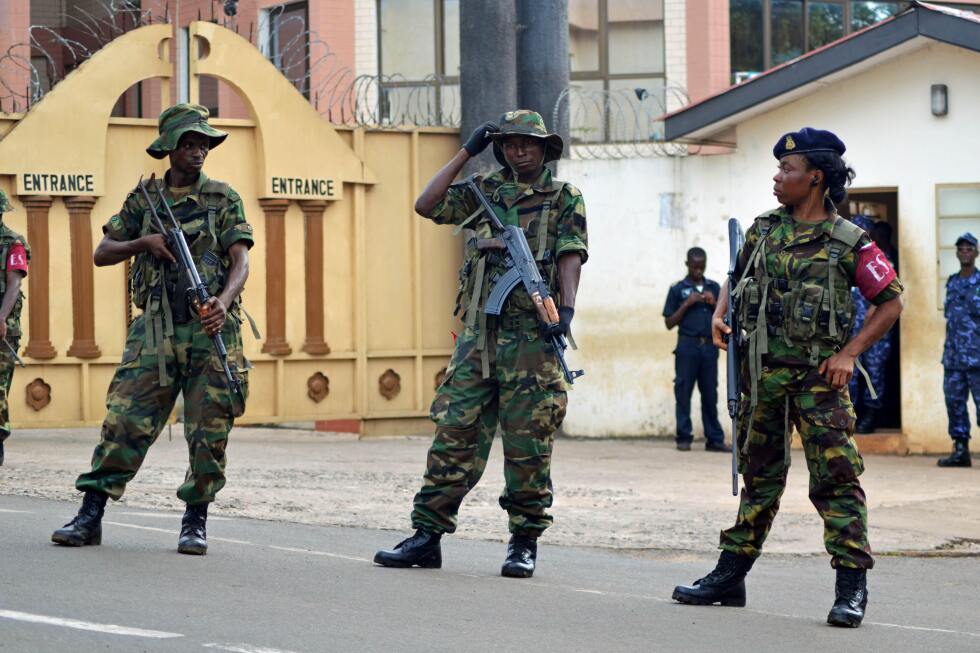
    LAGOS, Nigeria — Tensions between West African nations Sierra Leone and Guinea have intensified following a border incident involving the detention of Sierra Leonean security personnel by Guinean military forces. The confrontation occurred Monday in the disputed border region of Kalieyereh within Falaba district.

    According to an official statement from Sierra Leone’s government, multiple members of a security detail—including at least one officer—were apprehended and transported across the border into Guinean territory. The detained personnel were reportedly engaged in construction activities for a border post and accompanying accommodation facilities at the time of their capture. Their weapons and ammunition were confiscated during the incident.

    The Sierra Leonean administration emphasized that the territory where the incident transpired flies Sierra Leone’s national flag and is internationally recognized as sovereign Sierra Leonean land. Authorities have initiated diplomatic and security channel negotiations to verify the exact location of detained personnel and secure their unconditional release.

    This recent confrontation represents the latest escalation in a protracted border dispute originating from Sierra Leone’s civil war (1991-2002). During the conflict, Sierra Leone had requested Guinean military assistance to secure its eastern borders. However, Guinean forces maintained a presence in the region following the war’s conclusion, creating ongoing territorial tensions.

    The mineral-rich border region has previously witnessed similar incidents, including last year’s incursion by Guinean military personnel into a Sierra Leonean border town, which raised concerns among regional observers. Guinean authorities have not yet issued an official statement regarding Monday’s events.

    The unfolding situation highlights the persistent border security challenges facing West African nations and the complex legacy of regional military cooperation arrangements that evolved during periods of conflict.

  • UN data shows 6.5 million people at risk of severe hunger from drought

    UN data shows 6.5 million people at risk of severe hunger from drought

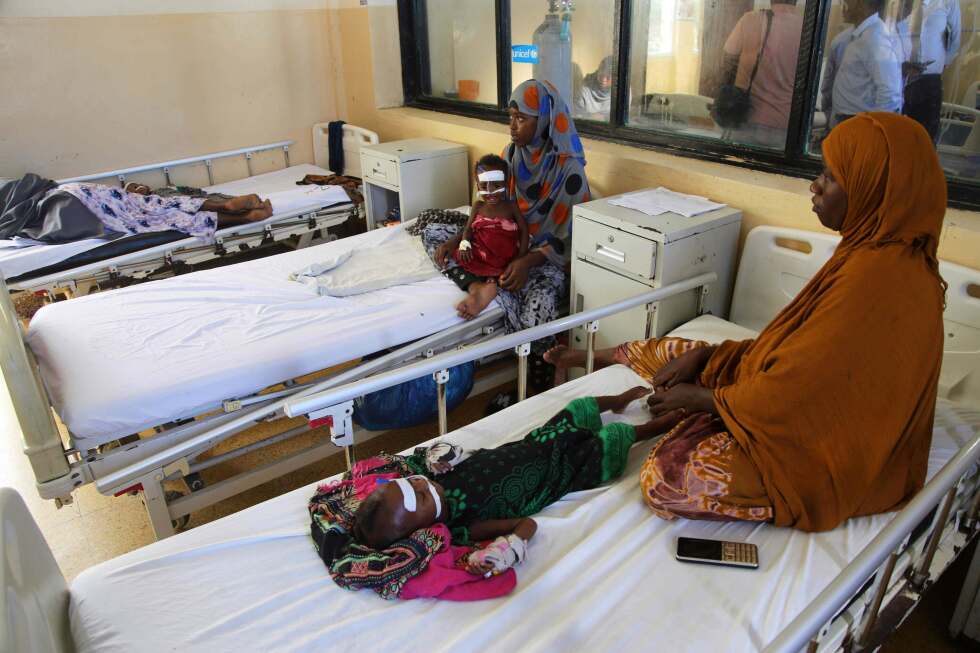
    Somalia is confronting an escalating humanitarian emergency with approximately 6.5 million citizens projected to experience crisis-level food insecurity by March’s end, according to joint assessments by the federal government and United Nations agencies. The alarming data, compiled in the Integrated Food Security Phase Classification report, reveals a multifaceted crisis driven by compounding factors including severe drought conditions, ongoing conflict, and drastic reductions in global humanitarian funding.

    The nutritional outlook appears particularly dire for children, with estimates indicating 1.84 million children under five will likely suffer acute malnutrition throughout 2026. Within this vulnerable demographic, nearly 500,000 are expected to experience severe malnourishment requiring urgent medical intervention.

    Environmental factors have significantly exacerbated the situation, with below-average rainfall creating widespread agricultural failures, substantial livestock losses, and critical water shortages. These conditions have triggered dramatic food price increases and forced approximately 278,000 people from their homes between July and December, further disrupting agricultural production and market accessibility.

    UN Humanitarian Coordinator for Somalia George Conway characterized the drought emergency as ‘deepening alarmingly,’ noting the convergence of exorbitant water prices, diminished food supplies, and inadequate humanitarian funding. Conway emphasized that immediate lifesaving assistance remains essential throughout the coming months, particularly as no meaningful rainfall is anticipated before the primary rainy season commencing in April.

    Even with average rainfall performance during the April-June period, officials project 5.5 million people will remain in crisis conditions throughout later 2026, noting that recovery from such extreme drought requires substantial time.

    Mohamud Moallim Abdulle, Commissioner of the Somalia Disaster Management Agency, described the situation’s severity as ‘undeniable and deeply alarming,’ issuing urgent appeals to international partners, the Somali diaspora, private businesses, and civil society organizations to intensify support efforts.

    The coordinated response capacity has been severely hampered by funding reductions, forcing humanitarian organizations to scale back or completely suspend critical programs addressing food security, health services, nutrition support, and water sanitation infrastructure.

  • Senegal introduces legislation to boost minimum sentence for homosexuality to 5 years

    Senegal introduces legislation to boost minimum sentence for homosexuality to 5 years

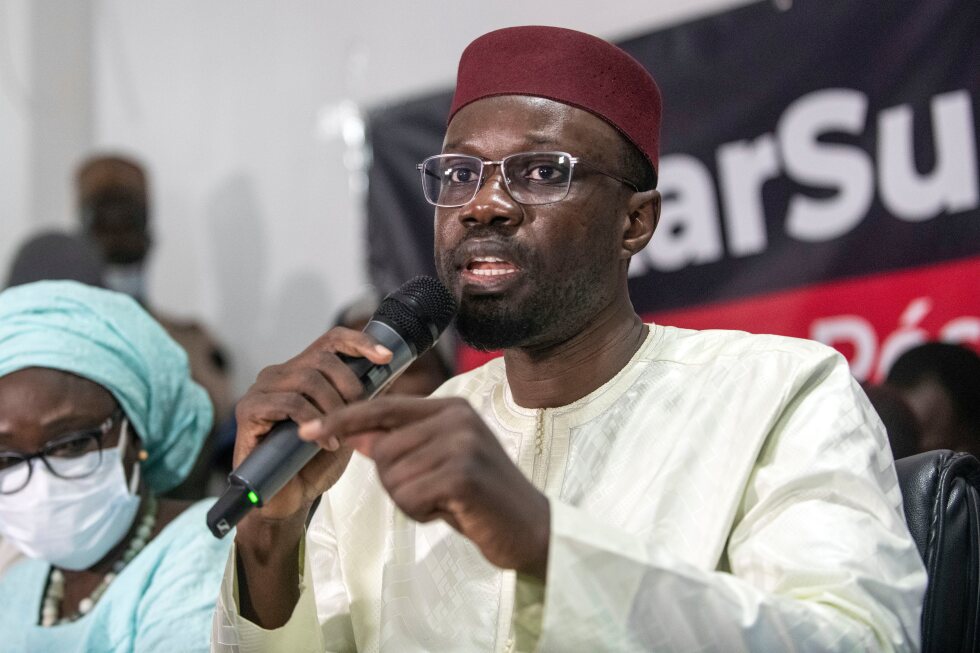
    LAGOS, Nigeria — The Senegalese government, led by Prime Minister Ousmane Sonko, has initiated a significant legislative push to intensify penalties for same-sex relations. On Tuesday, Sonko presented a bill to parliament that proposes increasing the minimum prison sentence for homosexuality from one year to at least five years.

    The proposed legislation aims to expand the legal definition of ‘unnatural acts,’ reinforcing a law that has criminalized homosexuality since the nation gained independence from France in 1960. However, the government has opted not to reclassify the offense from its current status as a misdemeanor to a more serious felony. Prime Minister Sonko defended this decision, stating, ‘We can achieve the intended objectives without going so far as to elevate the acts.’

    This legislative action aligns with a key promise from Sonko’s political campaign and arrives amidst reports from domestic human rights organizations of a worsening climate for the LGBTQ community. These groups report a concerning escalation in arrests, with at least a dozen individuals detained in recent weeks on allegations of homosexuality, a trend they say has been ongoing since 2018.

    The bill’s passage now rests with the National Assembly, where Sonko’s ruling PASTEF party holds a majority, signaling a high likelihood of the law being enacted and marking a further tightening of restrictions in the conservative West African nation.

  • Drone strike in eastern Congo kills senior rebel official, escalating tensions

    Drone strike in eastern Congo kills senior rebel official, escalating tensions

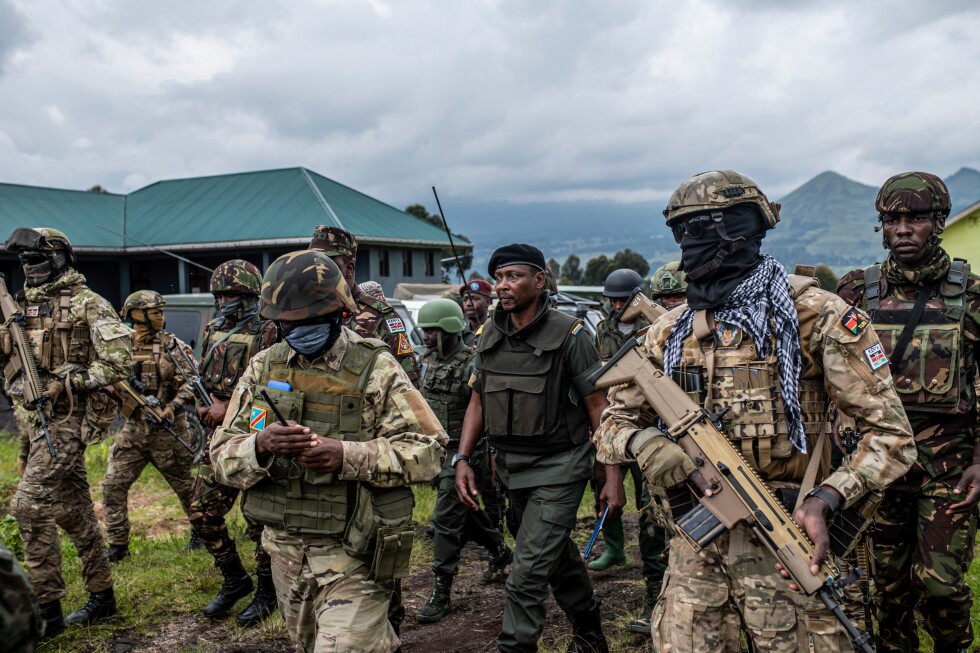
    A senior spokesperson for the Rwanda-supported M23 rebel faction operating in eastern Democratic Republic of Congo has been confirmed killed in a drone strike, according to anonymous sources from both the United Nations and local human rights organizations. The incident occurred near the mining town of Rubaya in North Kivu province during predawn hours on Tuesday.

    Willy Ngoma, recognized as a key operational figure within the M23 leadership structure, was targeted in an attack that struck a known rebel enclave. The strike represents a significant escalation in regional hostilities following the collapse of recent peace negotiations. Both the UN official and rights coordinator provided information under strict anonymity due to legitimate security concerns for their personal safety.

    This development occurs against the backdrop of intensified fighting between Congolese armed forces, supported by Wazalendo militia groups, and the M23 insurgents. The conflict, which spans decades, entered a particularly violent phase in January 2022 when rebels achieved unprecedented territorial gains, including advances toward the strategic cities of Goma and Bukavu.

    While responsibility for the drone strike remains unclaimed, the attack underscores the deteriorating security situation despite diplomatic interventions from international mediators including the United States and Qatar. Both conflicting parties have exchanged accusations regarding violations of previously established ceasefire agreements facilitated by foreign and regional partners.

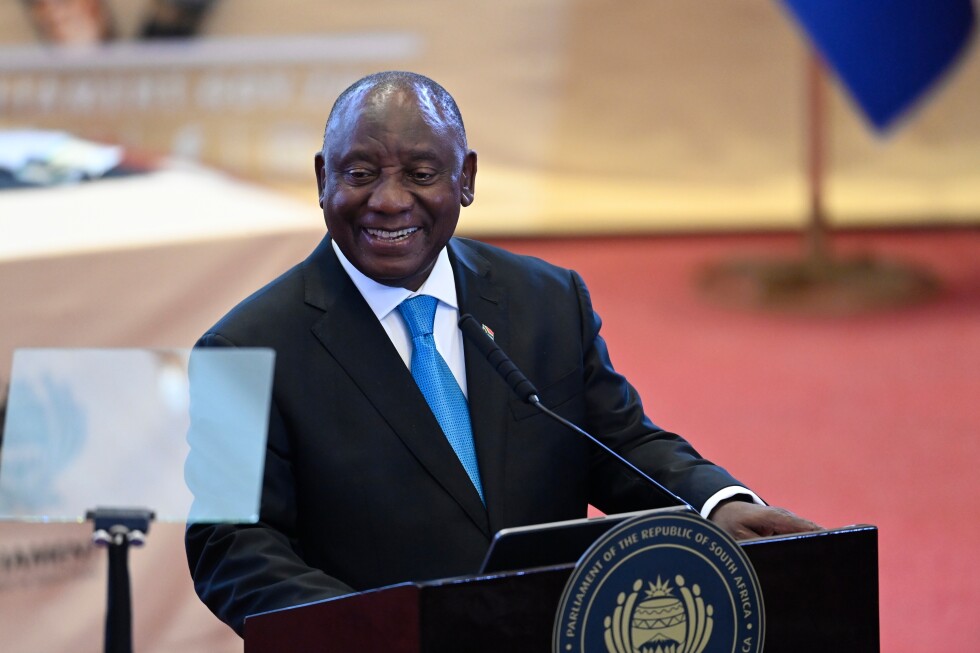
  • Ramaphosa thanks Putin for release of South Africans lured into Russia-Ukraine war

    Ramaphosa thanks Putin for release of South Africans lured into Russia-Ukraine war

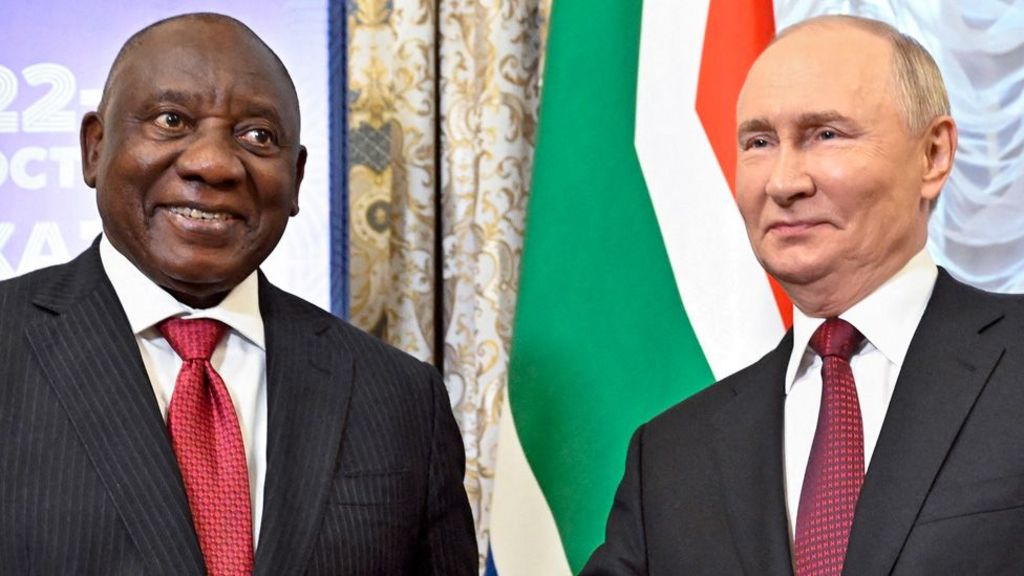
    In a significant diplomatic development, South African President Cyril Ramaphosa has successfully negotiated the repatriation of 17 citizens who were allegedly misled into participating in the Russia-Ukraine conflict as mercenaries. The breakthrough follows a crucial February 10th telephone discussion between President Ramaphosa and Russian President Vladimir Putin, which paved the way for their release.

    According to official statements from the South African presidency, four individuals have already returned home as of last Friday, with eleven others scheduled for imminent repatriation. Two remaining citizens are currently in Russia—one receiving medical treatment at a Moscow hospital and another completing necessary administrative procedures before returning.

    This complex situation began unfolding last November when the South African government received emergency communications from citizens claiming they had been deceived into joining mercenary forces. The individuals reportedly traveled to Russia expecting to receive bodyguard training, only to discover they had been contracted to fight against Ukrainian forces. Due to contracts written exclusively in Russian, the recruits were unable to comprehend the actual nature of their engagement.

    The case has triggered multiple investigations into recruitment practices, with notable figures facing serious allegations. Duduzile Zuma-Sambudla, daughter of former President Jacob Zuma, has been identified as a central figure in the recruitment scheme—an accusation she vehemently denies. In a sworn affidavit, Zuma-Sambudla maintained she believed the training program was legitimate and lawful, stating she would never knowingly endanger family members or other citizens.

    South African authorities have taken parallel legal action, arresting five individuals in December—including a public broadcaster radio personality—on charges related to illicit recruitment activities. All suspects have been released on bail pending trial proceedings.

    The South African government has reiterated that mercenary activities or fighting for foreign governments without official authorization violates national law. The country’s embassy in Moscow continues to monitor the situation and provide consular assistance to the remaining citizen hospitalized in Russia.

  • South Africa secures release of 11 nationals lured to Russia to fight against Ukraine

    South Africa secures release of 11 nationals lured to Russia to fight against Ukraine

    JOHANNESBURG — A group of South African nationals allegedly deceived into combat roles within the Russia-Ukraine war are scheduled to return home following high-level diplomatic interventions, President Cyril Ramaphosa confirmed Tuesday.

    The repatriation initiative will bring the total number of returnees to 15, building upon the four individuals who arrived in Johannesburg last week after enduring months on the front lines. According to official statements, these men were lured to Russia under false pretenses of receiving security training, only to be coerced into mercenary activities.

    President Ramaphosa revealed that two additional South Africans remain in Russian territory—one hospitalized and another undergoing processing before anticipated repatriation. This development follows Russian President Vladimir Putin’s commitment earlier this month to facilitate returns through established diplomatic channels.

    “The South African government, working closely with the Russian government, has secured the safe return of these men,” Ramaphosa stated. “Simultaneously, investigations continue into the circumstances that led to their unlawful recruitment.”

    The case has triggered a criminal investigation targeting at least three individuals connected to the recruitment scheme, including Duduzile Zuma-Sambudla, daughter of former President Jacob Zuma. Despite denying wrongdoing, Zuma-Sambudla resigned from her parliamentary position following the allegations.

    This incident reflects a broader pattern of African nationals being targeted for recruitment into the Ukraine conflict. Recent intelligence presented to Kenya’s parliament indicated over 1,000 Kenyans have been similarly recruited, with numerous families pleading for government intervention to repatriate loved ones either fighting on front lines or held as prisoners of war.

    South African law explicitly prohibits citizens from participating in foreign armed conflicts without government authorization. The returning men underwent police questioning upon arrival but have since been released to their families as investigations continue.

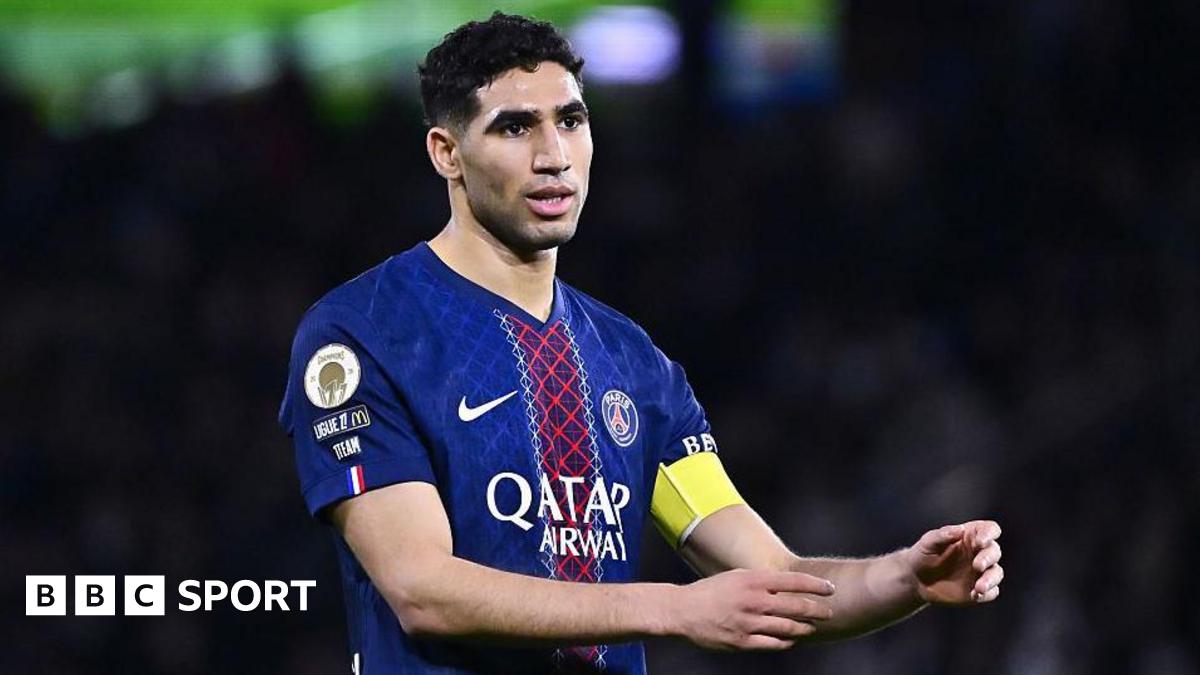
  • PSG’s Hakimi to face trial after rape allegation

    PSG’s Hakimi to face trial after rape allegation

    Paris Saint-Germain defender and Moroccan national team captain Achraf Hakimi has confirmed he will stand trial following rape allegations dating back to 2023. The 27-year-old football star maintains his innocence against accusations made by a then-24-year-old woman who claims she was assaulted at his Paris residence.

    The judicial process began in March 2023 when the Nanterre Public Prosecutor’s Office initiated a preliminary investigation into the serious allegations. While no trial date has been formally set, Hakimi took to social media platform X to express his position, stating: ‘Today, a rape accusation is enough to justify a trial. This is as unjust to the innocent as it is to the genuine victims. I calmly await this trial, which will allow the truth to come out publicly.’

    The timing presents significant complications for both Hakimi’s club and international commitments. The defender remains eligible for selection and was included in PSG’s squad for their crucial Champions League knockout tie against Monaco. His professional achievements continue to accumulate, having recently been honored with inclusion in the Fifpro Men’s World Team of the Year at Monday’s Best FIFA Football Awards ceremony in Paris.

    Hakimi, born in Spain but representing Morocco internationally with 93 caps, has enjoyed tremendous success with PSG, making 194 appearances and securing both Champions League and Ligue 1 titles last season. His upcoming international duties include representing Morocco at the World Cup in the USA, Mexico, and Canada this summer, where they are scheduled to face Scotland, Haiti, and Brazil.

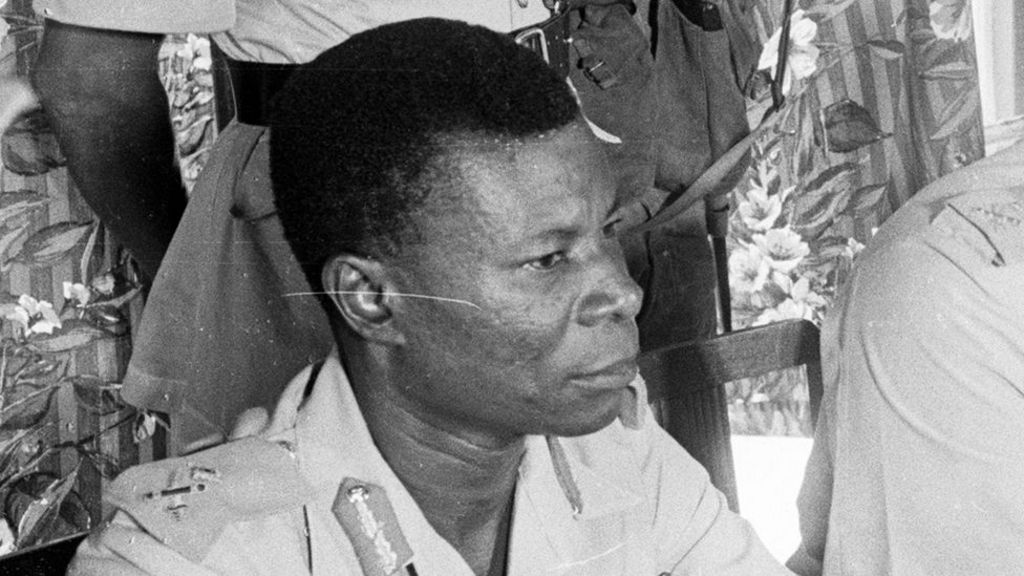
  • Ghana drops coup leader’s name from main airport on putsch anniversary

    Ghana drops coup leader’s name from main airport on putsch anniversary

    In a landmark decision marking the 60th anniversary of Ghana’s first coup, the government has officially removed the name of military leader Emmanuel Kwasi Kotoka from the nation’s primary aviation hub. The facility will revert to its original designation as Accra International Airport, shedding the controversial homage to the officer who overthrew founding president Kwame Nkrumah in 1966.

    The transport ministry defended the move as necessary to project a neutral national image that aligns with Ghana’s democratic values, emphasizing that the change reflects the capital city’s identity rather than memorializing a figure associated with unconstitutional power seizure. Minister Joseph Bukari Nikpe stated the renaming aims to present Ghana as a stable democracy focused on unity rather than divisive historical figures.

    However, the decision has ignited intense debate across Ghanaian society. Kotoka’s family and political representatives from his native Volta Region condemn the erasure of his legacy, arguing it diminishes regional representation in national symbols. Minority Leader Alexander Afenyo-Markin characterized the move as a betrayal of eastern Ghana’s contributions to national history.

    Civil society organizations supporting the change maintain that honoring a coup leader fundamentally contradicts constitutional governance principles. This perspective has gained prominence under President John Mahama’s administration, which returned to power through democratic elections in December 2024.

    The controversy extends beyond historical reinterpretation to practical concerns, with critics questioning the allocation of resources to symbolic changes amid pressing issues like unemployment and living standards. Social media platforms have become arenas for vigorous debate about the legal, social, and political implications of recontextualizing historical figures.

    Authorities assure the public that operational aspects—including safety standards and international travel protocols—remain unaffected by the nomenclature adjustment. The government has called for public cooperation to ensure a seamless transition while acknowledging the complex historical narratives surrounding both Nkrumah’s pan-African visionary leadership and Kotoka’s contested legacy.

    Historical context reveals deeper dimensions: Nkrumah’s 1966 ouster occurred amid allegations of authoritarian tendencies, with historians continuing to debate external influences, including possible CIA involvement in destabilizing Ghana’s first president. The airport itself witnessed Kotoka’s death during a failed counter-coup attempt in 1967, adding layers of historical irony to the naming controversy.

    This decision reflects Ghana’s ongoing negotiation with its post-colonial identity, balancing reverence for independence achievements with critical reassessment of subsequent political turmoil that included multiple coups before establishing stable multiparty democracy in 1992.