标签: Africa

非洲

  • Organizers say a new civilian-led aid flotilla with over 10 will sail to Gaza in March

    Organizers say a new civilian-led aid flotilla with over 10 will sail to Gaza in March

    JOHANNESBURG — In a significant escalation of civilian-led humanitarian efforts, international organizers have unveiled plans for a massive flotilla mission comprising over 100 vessels destined for Gaza in March. The announcement, made at the Nelson Mandela Foundation in South Africa, represents what campaigners describe as the largest civilian mobilization against Israel’s ongoing operations in the Palestinian territory.

    Mandla Mandela, grandson of the late South African president and a participant in last year’s intercepted mission, joined speakers in calling for international protection against Israeli interception of the humanitarian operation. The flotilla organizers explicitly invoked the International Court of Justice’s provisional ruling in South Africa’s case against Israel, arguing that international law prohibits nations from obstructing humanitarian missions to Gaza.

    The upcoming mission will feature an unprecedented scale of participation, with over 1,000 activists including medical professionals, war crimes investigators, and engineers. A supporting land convoy is expected to attract thousands additional participants from across North Africa and the Middle East. Departure points have been established in Spain, Tunisia, and Italy, with organizers anticipating broad mobilization through Egypt, Lebanon, Jordan, and other accessible borders.

    This development occurs despite the UN reporting that hundreds of thousands of humanitarian pallets have been processed through Gaza crossings since October’s fragile ceasefire. However, Israel’s suspension of more than two dozen aid organizations for non-compliance with new registration requirements has exacerbated the humanitarian crisis affecting Gaza’s 2 million residents.

    Organizers acknowledge the likelihood of confrontation with Israeli forces but maintain their legal protection under international law. The choice of the Nelson Mandela Foundation for the announcement deliberately highlighted Nelson Mandela’s historical support for Palestinian self-determination, coinciding with South Africa’s recent diplomatic actions including the expulsion of Israel’s deputy ambassador.

    The previous flotilla mission in 2023 involved approximately 50 vessels and 500 activists, resulting in the detention of 443 participants—including Mandela, climate activist Greta Thunberg, and European Parliament member Rima Hassan—after Israeli forces employed water cannons against boats in international waters.

  • Health warning over Cape Verde travel after stomach bug deaths

    Health warning over Cape Verde travel after stomach bug deaths

    The UK Health Security Agency (UKHSA) has escalated travel health advisories for Cape Verde following a significant outbreak of gastrointestinal infections that have affected British tourists. Official data reveals 118 confirmed cases of shigellosis and 43 instances of salmonella poisoning linked to visits to the West African archipelago since October, with four British nationals having died within months of contracting these illnesses during their holidays.

    This health alert emerges strategically ahead of the February half-term break, a period when substantial numbers of UK travelers traditionally seek winter sun in Cape Verde’s typically warm 25°C climate. Both shigella and salmonella are serious bacterial infections targeting the intestinal system, producing severe symptoms including acute diarrhea, high fever, and abdominal cramps. While most healthy individuals recover within several days, vulnerable populations—particularly young children, elderly adults, pregnant women, and immunocompromised individuals—face potentially life-threatening complications.

    Transmission occurs primarily through fecal-oral routes, either via direct person-to-person contact or indirectly through contaminated food, water, or surfaces. UKHSA epidemiological tracing indicates the majority of shigella cases originated from the Santa Maria resort area on Sal Island and Boa Vista, the archipelago’s easternmost island.

    Medical experts emphasize preventive measures including consuming only freshly prepared, thoroughly cooked foods served hot; drinking bottled or boiled water while avoiding ice; using purified water for dental hygiene; personally peeling all fruits; and avoiding salads potentially washed in contaminated water. Dr. Gauri Godbole, UKHSA’s deputy director for gastrointestinal infections, stressed that ‘taking simple precautions against traveler’s diarrhoea can make all the difference,’ highlighting meticulous hand hygiene with soap or alcohol gel as the primary defense mechanism.

    Professor Damien Tully of the London School of Hygiene and Tropical Medicine noted that such outbreaks are ‘not unusual in busy hospitality settings,’ particularly identifying buffet-style catering as potential ‘breeding grounds’ for pathogens.

    The human impact includes four documented British fatalities in 2023: Mark Ashley (55, Bedfordshire), Elena Walsh (64, Birmingham), Karen Pooley (64, Gloucestershire), and an unnamed 56-year-old Watford man. These individuals are among six British tourists who died after vacationing in Cape Verde since January 2023, with all families now pursuing personal injury litigation against package holiday giant Tui. Relatives have reported concerning hygiene standards at resorts, though Tui has acknowledged investigating these claims while refraining from detailed commentary during active legal proceedings.

    Compounding the situation, Hurricane Erin’s August strike damaged critical water and sanitation infrastructure across Cape Verde, prompting World Health Organization assessments warning of elevated disease risks from contaminated water and insect vectors.

  • UAE focuses on family growth with new policies, healthcare support

    UAE focuses on family growth with new policies, healthcare support

    In response to plummeting global fertility rates, the United Arab Emirates has unveiled an ambitious multi-faceted approach to encourage family growth through comprehensive policy reforms and societal support systems. Under the leadership of Minister of Family Sana bint Mohammed Suhail, the nation has established a cross-governmental task force involving more than 20 federal and local entities that has already implemented over 60 family-focused policies.

    The comprehensive strategy addresses critical gaps in housing, healthcare, education, employment, and social support frameworks. At the recent World Government Summit 2026, officials introduced the ‘Family First’ program as part of the National Family Growth Agenda 2031, designed to transform public spaces into family-friendly environments through practical measures including priority parking for expectant mothers, dedicated family seating on public transport, and specialized childcare facilities. The initiative will launch initially in Dubai before expanding nationwide.

    Minister Sana emphasized that policy alone cannot reverse demographic trends, noting that while a strong majority of Emirati youth still value family institutions, many delay family formation due to educational pursuits, career advancement, or financial considerations. The UAE’s approach combines legislative reform with behavioral insights, mindset transformation, and enhanced healthcare support based on extensive national research including youth surveys conducted over several years.

    The strategy leverages the nation’s unique demographic advantage—with its population aged 15-35 expected to grow by approximately 30% over the next decade—creating what officials describe as a critical opportunity window for well-timed interventions. Rather than pursuing numerical targets, the government aims to establish an enabling ecosystem that allows young citizens to align personal aspirations with family life when prepared.

    International perspectives at the summit reinforced the complexity of demographic challenges, with Serbian Minister Tatjana Macura sharing similar experiences despite her country’s liberal IVF policies, highlighting the need for educational approaches that inform youth about biological realities without pressuring family decisions.

  • Gold prices swing sharply: What UAE investors should know amid regional tensions

    Gold prices swing sharply: What UAE investors should know amid regional tensions

    The UAE gold market has been experiencing unprecedented price swings in recent weeks, with values fluctuating dramatically amid escalating geopolitical tensions between the United States and Iran. This volatility has challenged gold’s traditional status as a stable safe-haven asset, creating both risks and opportunities for investors in the Emirates and globally.

    Market data reveals extraordinary price movements, with gold reaching peaks exceeding $5,500 per ounce before plummeting below $4,700 within days. In Dubai’s local markets, this translated to a decrease of Dh100 per gram within a remarkably short timeframe. As of Wednesday evening, international gold traded at $5,061 per ounce, marking a 3.1 percent increase, while Dubai’s 24K and 22K gold traded at Dh609 and Dh563.75 per gram respectively.

    The primary driver of this volatility stems from the rapidly changing dynamics in US-Iran relations. Prices declined when diplomatic talks between the nations surfaced, but sharply rebounded following incidents such as a US fighter jet shooting down an Iranian drone near the USS Abraham Lincoln in the Arabian Sea, prompting renewed investor flight to safety.

    Financial experts emphasize that while geopolitical tensions typically create bullish conditions for gold, investors must consider multiple factors. George Pavel, General Manager at Naga.com Middle East, notes that “gold typically reacts to sudden changes in perceived escalation risks. Short-term rallies could be driven by hedging demand and can fade quickly if tensions stabilize or diplomatic progress materializes.”

    Beyond geopolitical concerns, analysts identify additional factors influencing gold’s performance, including central bank interest rate decisions and sustained institutional buying. Michael Brown, Senior Research Strategist at Pepperstone, observes that “the rebound being more of a mechanical one than anything else, though ongoing haven demand remains a key part of the underlying fundamental bull case.”

    For UAE investors navigating this turbulent market, experts recommend implementing robust risk management strategies. These include disciplined position-sizing to ensure gold exposure aligns with its safe-haven role rather than speculative positioning, maintaining diversification across asset classes, and conducting thorough research to distinguish between temporary market movements and sustained trends.

  • Nigeria sets up new military operation after deadly attack, while abducted Christians return home

    Nigeria sets up new military operation after deadly attack, while abducted Christians return home

    Nigerian authorities have initiated a significant military deployment following coordinated security crises involving both deadly extremist attacks and mass abductions. The government’s response comes after militants slaughtered approximately 162 villagers in Woro and Nuku, Muslim-majority communities in Kwara state, in one of the country’s most severe attacks outside traditional conflict zones.

    According to local officials, the victims were targeted for resisting extremist indoctrination attempts. The assault, characterized by Amnesty International’s Nigeria office as a ‘stunning security failure,’ involved comprehensive destruction of property including burned homes and looted businesses. While no group has formally claimed responsibility, evidence points toward Islamic militant organizations expanding their operations into new territories.

    In a parallel development, Kaduna state authorities confirmed the successful release of all 183 Christians abducted during simultaneous church attacks last month. The resolution of this hostage situation involved complex negotiations, with analysts suggesting potential ransom payments despite official characterization as a ‘rescue operation.’

    President Bola Tinubu has authorized the establishment of Operation Savannah Shield, deploying an army battalion to the previously underserved Kaiama region in Kwara. This strategic military command aims to protect vulnerable communities and counter terrorist expansion. Security experts note that militant groups are increasingly operating in non-traditional areas due to heightened competition in their usual territories.

    The complex religious dynamics of these attacks contradict simplified narratives, as evidenced by the predominantly Muslim victims in the Kwara massacre. While international attention often focuses on Christian targeting, statistical analysis confirms that Muslims constitute the majority of victims in Nigeria’s northern conflict zones.

    The United States maintains limited military cooperation with Nigeria, including targeted airstrikes against Islamic militants and a small contingent of American officers providing advisory support on the ground.

  • Aid workers missing after airstrikes hit South Sudan hospital

    Aid workers missing after airstrikes hit South Sudan hospital

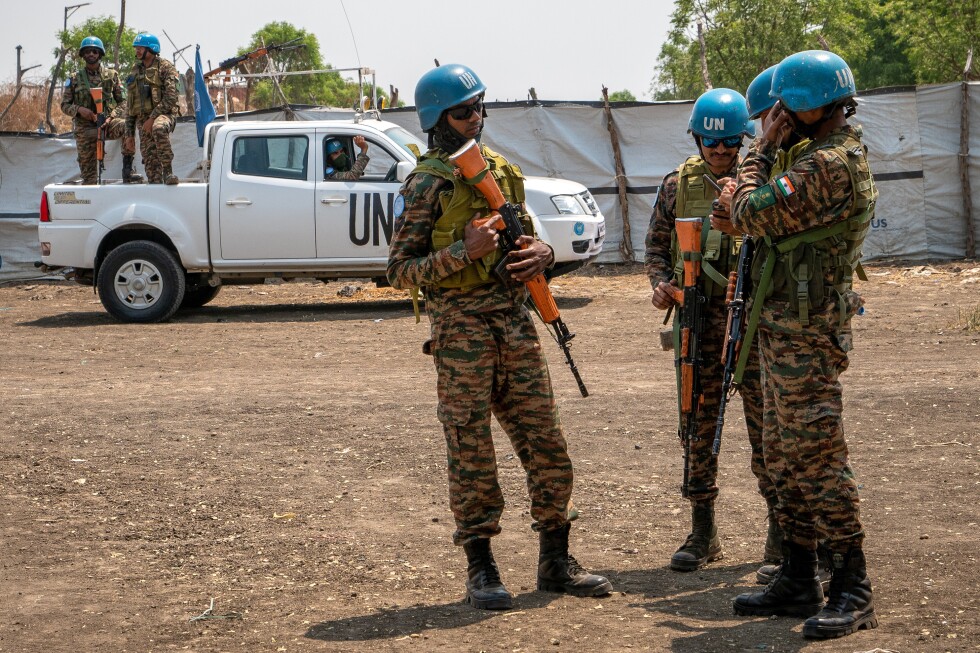
    Medical charity Doctors Without Borders (MSF) reports that a government airstrike has destroyed its hospital in South Sudan’s Jonglei state near the Ethiopian border, leaving an unknown number of aid workers missing and raising fears of renewed civil conflict.

    The attack occurred Tuesday night in the Lankien area, where MSF facilities served approximately 250,000 people. Although the hospital had been evacuated following warnings of an imminent strike, one staff member was injured and the facility’s main warehouse containing critical medical supplies was completely destroyed.

    In a simultaneous assault, MSF’s health facility in Pieri was looted by unidentified attackers, rendering it unusable for local communities. Medical personnel were forced to flee with surrounding communities, and their current whereabouts remain unknown.

    This violence emerges amid escalating tensions between government forces loyal to President Salva Kiir and opposition factions supporting suspended First Vice-President Riek Machar, who faces charges of plotting to overthrow the government. The resurgence of fighting threatens to reignite a full-blown civil war in the world’s youngest nation.

    The United Nations estimates approximately 280,000 people have been displaced by fighting and aerial bombardments in Jonglei since December. The region already suffers from severe food insecurity and critical healthcare shortages, compounded by government restrictions on humanitarian access in opposition-held territories.

    MSF operations manager Gul Badshah condemned the attacks, stating, ‘While we are aware of the enormous needs in the country, we find it unacceptable to be a target for attacks.’ The organization experienced eight targeted attacks in South Sudan during the previous year, resulting in the closure of two hospitals and suspension of general healthcare activities across multiple states.

    The current conflict traces back to 2013, when fighting first erupted between forces supporting Kiir and Machar. Although a 2018 peace agreement formally ended a civil war that claimed nearly 400,000 lives, implementation has been inconsistent amid ongoing ethnic tensions and sporadic violence.

  • Famine spreads to more towns in Sudan’s Darfur region, hunger experts warn as war rages on

    Famine spreads to more towns in Sudan’s Darfur region, hunger experts warn as war rages on

    CAIRO — The humanitarian catastrophe in Sudan’s Darfur region has dramatically worsened with famine conditions now confirmed in two additional towns, according to a Thursday report from the global hunger monitoring organization Integrated Food Security Phase Classification (IPC). The towns of Umm Baru and Kernoi have joined the major city of el-Fasher in experiencing full-scale famine, creating an escalating pattern of food insecurity across the western conflict zone.

    This alarming development occurs against the backdrop of Sudan’s devastating civil war, which erupted in April 2023 following a violent power struggle between the country’s military and the paramilitary Rapid Support Forces (RSF). The RSF had previously besieged el-Fasher for 18 months before overrunning the strategic city.

    The IPC report emerged simultaneously with news of a deadly paramilitary assault on a military hospital in Kouik, located in South Kordofan province. Medical authorities confirmed the attack resulted in 22 fatalities, including the hospital’s medical director and three additional healthcare staff members. Eight others sustained injuries in the assault, though the exact number of civilian casualties remains undetermined.

    United Nations agencies have classified the widespread humanitarian consequences of the ongoing conflict as the world’s most severe crisis. Beyond the newly confirmed famine locations, approximately 20 additional regions across Sudan currently face imminent famine risks according to previous IPC assessments. The organization had previously declared famine conditions in both el-Fasher and Kadugli, another city in South Kordofan, last November.

  • Instagram recovers after brief outage disrupts US users

    Instagram recovers after brief outage disrupts US users

    Instagram, the popular social media platform owned by Meta Platforms, experienced a temporary service disruption on Wednesday evening that impacted users across the United States. The outage, which began around 8:30 PM Eastern Time, was documented by Downdetector.com, a leading outage-tracking service that aggregates status reports from multiple sources.

    According to Downdetector’s real-time data, the platform recorded exactly 10,108 incident reports from users experiencing difficulties accessing Instagram’s services during the peak of the disruption. The technical issues manifested as problems with the application’s core functionality, though the specific nature of the glitch remained unspecified.

    Remarkably, the service interruption proved to be short-lived. Within approximately one hour of the initial reports, the number of incident submissions had decreased dramatically, indicating a rapid resolution to whatever technical complications had caused the widespread access problems.

    Meta Platforms, Instagram’s parent company, maintained its characteristic silence regarding the incident. Despite requests for comment from Reuters journalists, the technology giant offered no official explanation for the service disruption or details about the remediation process.

    This incident marks another in a series of recent outages affecting major social media platforms, highlighting the ongoing challenges of maintaining uninterrupted service for massive user bases numbering in the billions. The swift recovery, however, demonstrates the robust infrastructure and technical response capabilities that underpin today’s major digital platforms.

  • China driving Africa’s switch to solar: Report

    China driving Africa’s switch to solar: Report

    Africa is rapidly establishing itself as the globe’s most dynamic solar energy market, with Chinese technological expertise and manufacturing capabilities serving as the primary catalyst for this remarkable transformation. According to the African Solar Industry Association’s (AFSIA) 2026 outlook report, recent export data reveals a startling discrepancy between documented and actual solar capacity across the continent.

    While official records indicate 23.4 gigawatts peak (GWp) of operational solar infrastructure, shipping manifests suggest approximately 63.9 GWp of solar equipment has been delivered to African nations—indicating solar energy penetration may be nearly triple previous estimates. This dramatic revision elevates Africa’s contribution to global solar capacity from below 1% to between 2.5-3%, fundamentally reshaping the continent’s position in the renewable energy landscape.

    AFSIA CEO John van Zuylen emphasized China’s indispensable role in this energy revolution, noting that Chinese manufacturers have simultaneously driven technological innovation while dramatically reducing costs. “This dual approach is genuinely expanding electricity access for millions across Africa,” van Zuylen stated, highlighting that numerous Chinese corporations are actively developing solar projects throughout the region.

    The report details how Chinese solar products dominate global exports due to their exceptional efficiency, affordability, and diverse product range—from budget-friendly options to premium solutions. Notably, Chinese companies have begun establishing local manufacturing facilities in Nigeria, South Africa, and Ethiopia, responding to soaring regional demand.

    Van Zuylen identified Nigeria’s solar market as particularly promising, noting its potential to surpass other African markets due to massive local demand that justifies domestic production infrastructure. The data reveals 32 African nations now generate over 10% of their electricity from solar sources, with 13 countries exceeding this threshold—a achievement unparalleled in other global regions.

    By the end of 2025, AFSIA documented over 42,000 solar projects representing 296 GWp of cumulative capacity, with operational capacity growing 26% year-over-year. Africa’s solar expansion has positioned it among the world’s three fastest-growing solar regions since the COVID-19 pandemic, alongside China and the Middle East.

    This growth momentum has attracted significant international investment, with manufacturers, developers, and investors establishing production and assembly facilities across the continent. The report also highlights the crucial emergence of battery energy storage systems, which are enabling solar power to provide consistent, dispatchable electricity regardless of weather conditions.

    In many African nations dependent on imported fuels, 24-hour solar electricity with storage has become more cost-effective than fossil fuel generation. Solar-plus-storage projects now support applications previously considered unviable, including industrial baseload supply and utility-scale installations.

    “Solar with storage is no longer a future concept,” van Zuylen concluded. “It has emerged as one of the most competitive and reliable power solutions available to African economies today.”

  • What to know about the attacks in Nigeria that killed over 160 people

    What to know about the attacks in Nigeria that killed over 160 people

    ABUJA, Nigeria — In one of the most devastating attacks to hit Nigeria in recent months, coordinated assaults by armed militants on two neighboring villages in Kwara state have left staggering casualties, with estimates ranging from 162 to over 170 fatalities. The Tuesday evening raids on Woro and Nuku villages involved extensive burning of homes and systematic looting of local businesses, according to eyewitness accounts and humanitarian organizations.

    Amnesty International condemned what it described as “a stunning security failure” in the region, highlighting the government’s inability to protect vulnerable communities. The attack represents a dangerous expansion of extremist violence beyond Nigeria’s traditional conflict zones into previously less-affected areas.

    Nigeria currently confronts multiple overlapping security challenges, including a persistent Islamist insurgency and rampant kidnappings for ransom by criminal networks. While so-called “bandit” groups have historically operated primarily in northwestern territories, their recent migration into central regions like Kwara signals an alarming escalation of the crisis.

    Although no group has officially claimed responsibility for the massacres, preliminary investigations point to involvement by Islamic State-affiliated factions. Local parliament representative Mohammed Omar Bio attributed the attacks to the IS-linked Lakurawa group, while regional security experts suggest possible involvement by Jama’atu Ahlis Sunna Lidda’awati wal-Jihad, a Boko Haram splinter faction responsible for recent atrocities.

    Kwara State Governor AbdulRahman AbdulRazaq characterized the assault as likely retaliation against recent counter-terrorism successes, stating militants sought to divert security forces from their ongoing operations against terrorist and kidnapping networks.

    The tragedy coincides with intensified United States engagement in Nigeria’s security crisis. Days before the attack, U.S. Africa Command confirmed deployment of a specialized military team to provide intelligence support at Nigeria’s official request. This cooperation represents a significant diplomatic shift from earlier tensions, when the Trump administration threatened military action over perceived inadequate protection of Christian communities.

    Analysts note that while religious tensions have been exacerbated by the violence, most victims of armed groups across Nigeria’s Muslim-majority northern regions are actually Muslims. The U.S. has recently demonstrated commitment to the partnership through airstrikes against IS-affiliated militants and promises to deliver previously delayed military equipment, including drones and helicopters, despite ongoing concerns about human rights compliance by Nigerian security forces.