标签: Africa

非洲

  • Whitetip sharks obtain protection: UN

    Whitetip sharks obtain protection: UN

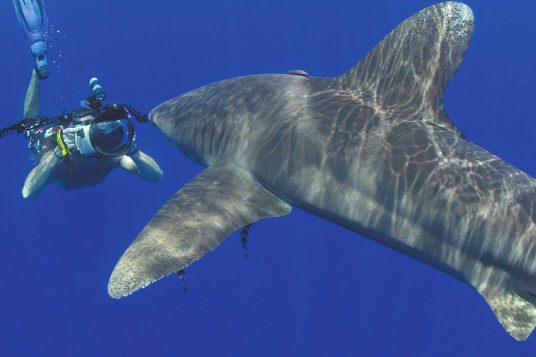
    In a landmark conservation decision, the oceanic whitetip shark has received the highest level of international protection at the ongoing UN wildlife conference in Samarkand, Uzbekistan. The species becomes the first among more than 70 proposed shark and ray species to be uplisted to Appendix I of the Convention on International Trade in Endangered Species (CITES), effectively banning all commercial international trade of these sharks and their products.

    The decision, adopted during the 20th Meeting of the CITES Conference of Parties (November 24-December 5), has been hailed by conservationists as a historic breakthrough for marine protection. The oceanic whitetip has experienced catastrophic population declines of 80-90% within just three generations due to relentless hunting for its fins and meat.

    Barbara Slee, senior program manager at the International Fund for Animal Welfare, described the move as “our last hope for the oceanic whitetips,” emphasizing that these ancient predators have roamed oceans for millions of years but faced systematic slaughter. Luke Warwick, director of shark and ray conservation at the Wildlife Conservation Society, called the decision “a watershed moment for all sharks and rays,” noting it represents the first time CITES has granted full protection with a complete international trade ban to any shark species.

    The protection comes amid alarming scientific evidence about global shark declines. A recent study in Science Advances revealed that over 37% of shark species now face extinction threats due to overexploitation. Another study in PLOS One documented severe ecological stress in coastal marine protected areas, with researchers observing a disturbing trend of “fishing down the food web” where removal of large species forces targeting of increasingly smaller species, pushing ecosystems toward collapse.

    Lester Gittens, lead delegate from the Bahamas, stressed both economic and ecological imperatives for protection: “Sharks support jobs across our islands and further declines benefit no one. We cannot allow ourselves to become numb to the term critically endangered—the next category is extinct in the wild.”

    The Appendix I listing is expected to eliminate incentives for illegal fishing and provide the species with critical recovery opportunities. With over 3,000 delegates attending the conference, further discussions will address additional proposals for shark and ray species protections.
  • G20 summit lauded for amplifying African voice

    G20 summit lauded for amplifying African voice

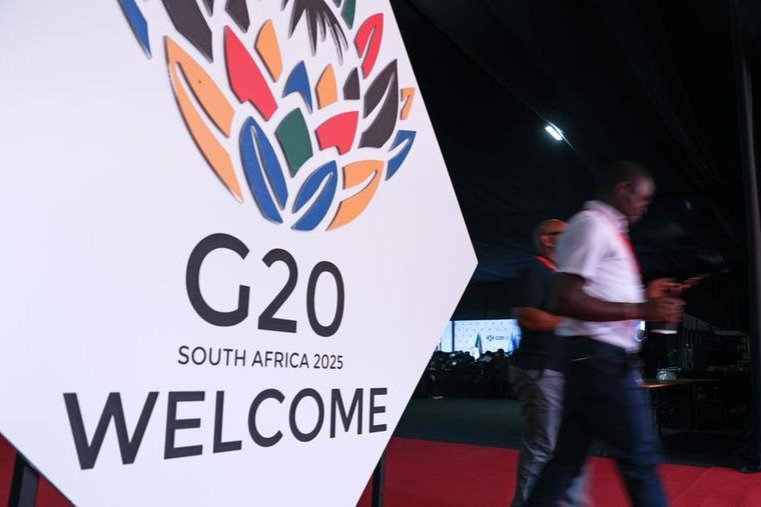
    The recently concluded G20 Leaders’ Summit in Johannesburg has received widespread acclaim from South African officials and policy experts for its unprecedented focus on African priorities and reinforcement of multilateral cooperation. Supra Mahumapelo, Chairperson of the South African Parliament’s Portfolio Committee on International Relations, emphasized that the presidency successfully positioned African concerns at the forefront of the global agenda, creating what he described as “a strategic diplomatic focus on Africa that will never disappear in future global history.

    The summit, which concluded with South Africa formally passing the presidency to the United States, produced a landmark declaration that extensively addresses continental issues. The comprehensive document includes commitments on Africa’s debt sustainability, support for the African Union, development of the African Continental Free Trade Area, and policies on artificial intelligence and strategic mineral beneficiation.

    According to Sizo Nkala, Senior Researcher at the University of Johannesburg’s Centre for Africa-China Studies, the declaration represents “the most Africa-focused G20 Declaration we have seen since its inception in 1990.” He noted that Africa was referenced 52 times throughout the document, reflecting South Africa’s Pan-Africanist approach and the continent’s growing influence in global forums following the African Union’s permanent membership.

    The declaration captures critical issues affecting both Africa and the Global South, including climate finance, food security, and reform of international financial institutions. Despite Africa’s abundance of critical minerals, Nkala highlighted that these resources have not been sufficiently leveraged to benefit African citizens, while many nations continue to face acute food insecurity and substantial debt-servicing burdens.

    The diplomatic process itself drew praise for building consensus among diverse global actors, with the declaration receiving overwhelming approval on the first day of proceedings. Aleta Miller, UN Women South Africa Country Representative, noted that while disagreements emerged during negotiations, member states successfully found common ground, demonstrating the continued strength of multilateral cooperation in addressing global challenges.

  • An archaeologist is racing to preserve Sudan’s heritage as war threatens to erase its cultural past

    An archaeologist is racing to preserve Sudan’s heritage as war threatens to erase its cultural past

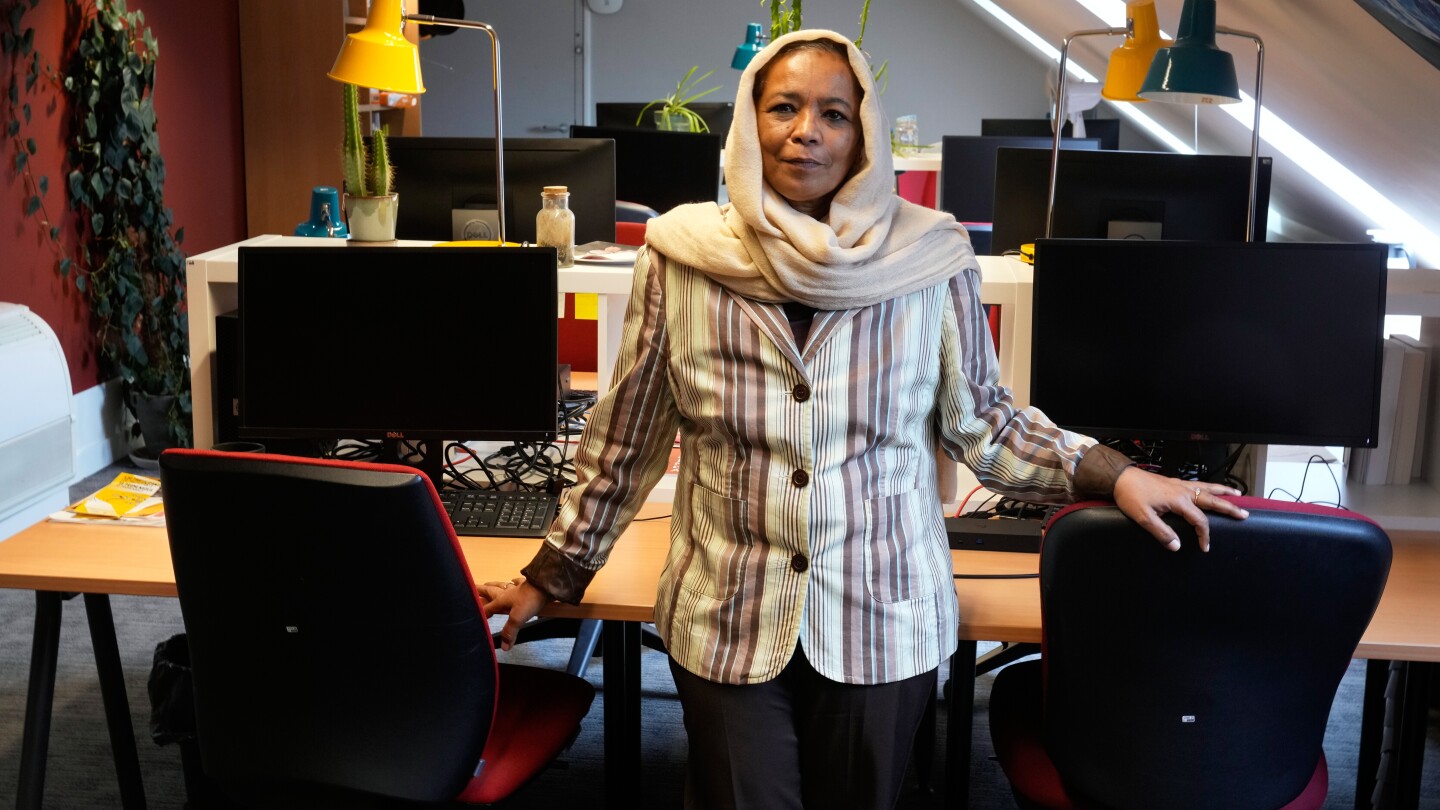
    In the subdued lighting of Paris’s French National Institute for Art History, Sudanese archaeologist Shadia Abdrabo meticulously examines photographic evidence of Neolithic pottery dating back to 7,000 B.C. Her presence in France represents a critical emergency mission: to create a comprehensive digital inventory of Sudan’s cultural heritage while her homeland suffers devastating conflict.

    The devastating civil war between Sudan’s Rapid Support Forces (RSF) and Sudanese Armed Forces (SAF), erupting in April 2023, has precipitated a cultural catastrophe of unprecedented scale. Multiple museums have been systematically looted and destroyed, including the regional museums in El Geneina and Nyala which were nearly obliterated. Most alarmingly, Khartoum’s National Museum—housing approximately 100,000 artifacts spanning millennia—was ransacked by militias who documented their destruction through social media videos.

    This institution contained priceless treasures including prehistoric relics from the Kerma Kingdom, artifacts from the Napatan era of Kushite rule, remains of the pyramid-building Meroitic civilization, and later Christian and Islamic collections. Among the most significant losses were mummies dating to 2,500 B.C.—some of the world’s oldest and most archaeologically important—along with royal Kushite treasures.

    UNESCO has raised urgent alarms about the systematic plundering, noting the threat to Sudanese culture has reached unprecedented levels. According to cultural heritage advocate Ali Nour, protective measures proved tragically insufficient: “While applications were being drafted, sites were being emptied. While risk assessments were reviewed, entire archives vanished.”

    Abdrabo’s personal connection intensifies her mission. “I’m from Nubia, from the north, an area filled with monuments, archaeological sites and ancient life,” she explains, referencing a region that once rivaled ancient Egypt in power and wealth. Having fled Khartoum with her sisters as conditions deteriorated, she now works against time with funding until April 2026 to complete her digital preservation project.

    The challenge is monumental. Datasets arrive in various formats—spreadsheets, handwritten inventories, decades-old photographs—and she has documented merely 1,080 objects thus far, representing approximately 20% of the national museum’s collection alone. Despite support from institutions like the Louvre and British Museum, the task remains overwhelmingly solitary.

    International response has been hampered by insufficient media coverage compared to similar cultural emergencies in Afghanistan and Iraq, according to researcher Meryam Amarir. However, the recently established Sudan Cultural Emergency Recovery Fund, involving institutions like the University of Michigan’s Kelsey Museum, aims to coordinate global recovery efforts.

    Geoff Emberling of the Kelsey Museum emphasizes the historical significance: “Ancient Sudan was connected through trade and military activity with Egypt, the Mediterranean world and Mesopotamia, and was the source of much of the gold available in the region. If we’re interested in these ancient cultures, then we have to be interested in Sudan.”

    For Abdrabo, the emotional weight is palpable. “I cry when I talk about this,” she confesses. “My only goal is to bring back as much as possible, to do as much as I can for Sudan.” Beyond immediate destruction, she fears the war’s consequences—displaced populations, militia activity—will continue endangering cultural artifacts long after hostilities cease. Her database represents both a race against time and an act of cultural resistance, preserving what remains of Sudan’s heritage for future generations.

  • This African nation built its development on diamonds. Now it’s crashing down

    This African nation built its development on diamonds. Now it’s crashing down

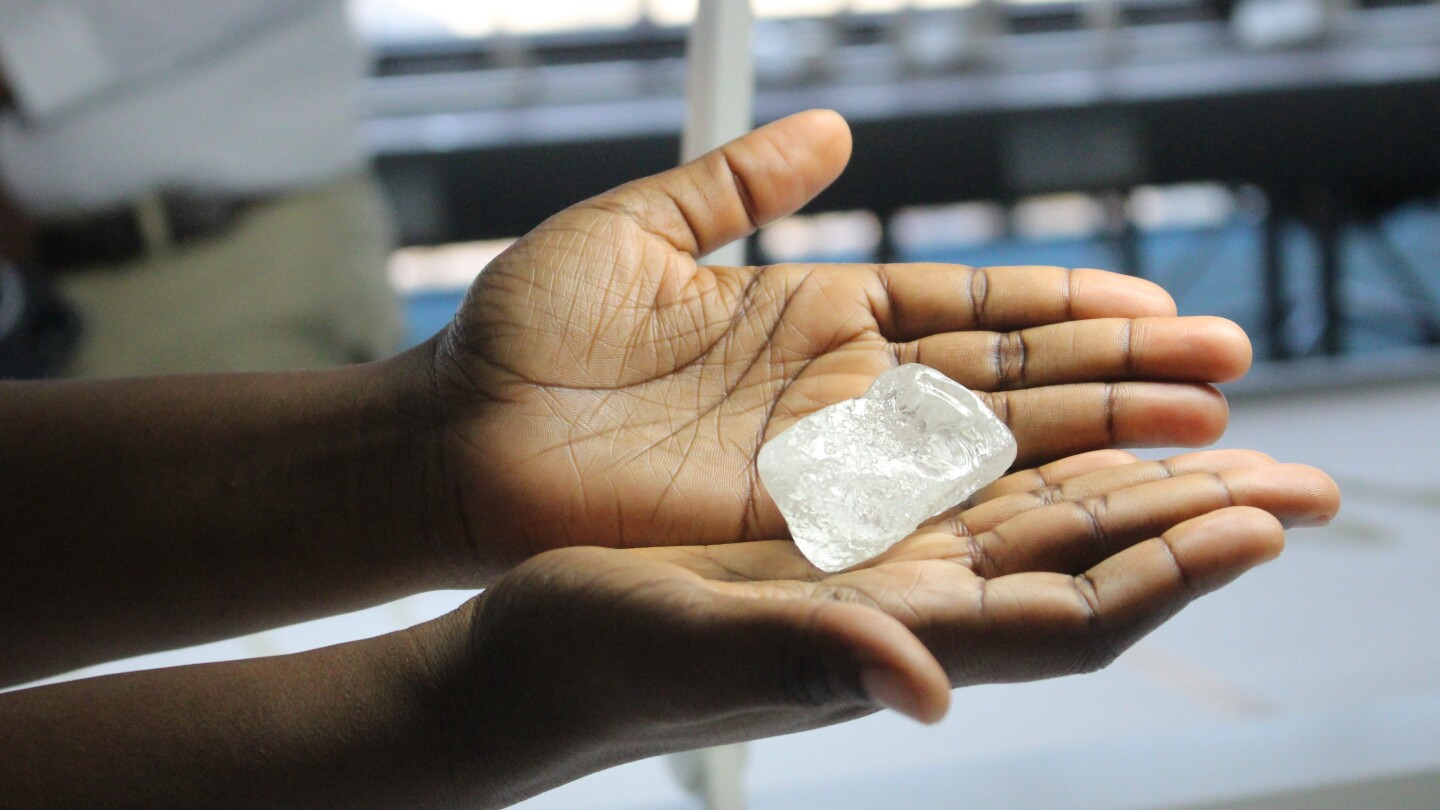
    GABORONE, Botswana — Botswana’s diamond-dependent economy, once celebrated as Africa’s remarkable success story, now confronts an existential threat from the rapid ascent of laboratory-grown diamonds. This seismic shift in the global gem market has triggered widespread job losses, economic contraction, and urgent calls for diversification in a nation where diamonds fundamentally shaped national development.

    For Keorapetse Koko, a 17-year veteran diamond polisher recently laid off from her position, the crisis manifests as personal financial devastation. “I have debts and I don’t know how I am going to pay them,” lamented the mother of two, who previously earned approximately $300 monthly with medical benefits—a respectable income in a country where the average monthly salary hovers around $500. Her specialized skills, honed over nearly two decades, now render her unemployable in a contracting industry.

    Botswana’s diamond narrative began with a transformative 1967 discovery, just one year post-independence, catapulting the nation from profound poverty to becoming the world’s foremost diamond producer by value. The gems financed critical national infrastructure, healthcare systems, and educational institutions, deftly avoiding the ‘resource curse’ that plagued many mineral-rich African counterparts.

    However, the industry now faces compounded challenges. Lab-grown diamonds, primarily mass-produced in China and India, now command nearly 20% of global market share—a dramatic surge from merely 1% in 2015. These synthetics, marketed as ethical, eco-friendly alternatives priced up to 80% lower than natural stones, have particularly captured younger consumers through sophisticated social media campaigns and celebrity endorsements from figures like Billie Eilish and Pamela Anderson.

    The economic repercussions are severe: Diamond exports, constituting approximately 80% of Botswana’s foreign earnings and one-third of government revenue, have plummeted. Debswana, the dominant local producer jointly owned by the government and De Beers, witnessed revenues halve in the past year. Second-quarter diamond production crashed by 43%—the steepest decline in Botswana’s modern mining history—with the World Bank projecting a 3% economic contraction for 2024.

    Southern African nations are mounting a coordinated response. Botswana, Angola, Namibia, South Africa, and Congo have agreed to allocate 1% of annual diamond revenues toward a global marketing initiative led by the Natural Diamond Council. This effort promotes natural diamonds as “Real. Rare. Responsible” through campaigns featuring actress Lily James, attempting to reestablish their unique value proposition.

    Botswana’s government has initiated a sovereign wealth fund to pursue economic diversification beyond mining, though details remain vague. The nation’s substantial tourism sector—featuring elephant-based attractions—and other mineral resources including gold, silver, and uranium now assume heightened importance.

    Yet for displaced workers like Koko, these strategic shifts arrive too late. “I was the breadwinner in a big family,” she reflected. “Now I don’t even know how to feed my own.” Her poignant reality underscores the human dimension of an industry in transformation: despite dedicating her career to diamonds, she never owned one herself, as even the smallest stone remained an unaffordable luxury.

  • How Trump’s pledge to tackle Sudan atrocities could play out

    How Trump’s pledge to tackle Sudan atrocities could play out

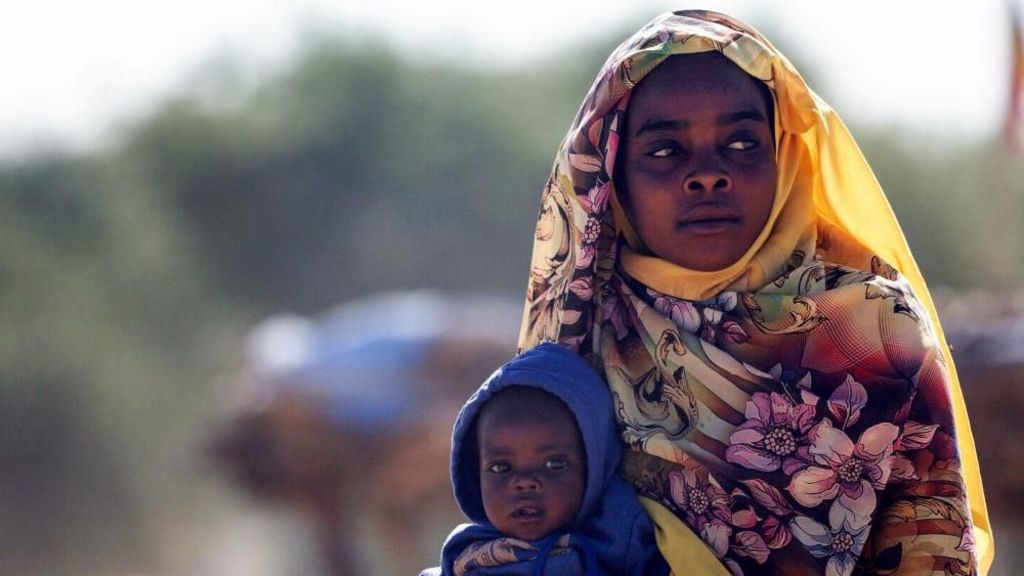
    After enduring thirty months of devastating civil war, Sudan stands on the brink of collapse with previous international peace initiatives failing to achieve breakthrough compromises. The conflict has displaced nearly 12 million people and created famine conditions across multiple regions, leaving citizens questioning whether the global community acknowledges their suffering.

    A potential shift emerged when Saudi Crown Prince Mohammed bin Salman personally briefed U.S. President Donald Trump on the crisis during a White House meeting. Following their discussion, Trump publicly acknowledged the ‘tremendous atrocities’ occurring in Sudan, which he described as ‘the most violent place on Earth,’ and committed to collaborate with Egypt, Saudi Arabia, and the United Arab Emirates to end the violence.

    This development comes amid escalating brutality in the conflict. In late October, paramilitary Rapid Support Forces (RSF) captured el-Fasher, the army’s final stronghold in Darfur, following a 500-day siege. The capture was accompanied by widespread atrocities, including ethnically targeted massacres that claimed over 5,000 lives, with RSF fighters circulating ‘trophy videos’ of their actions on social media.

    The war originated in April 2023 from a power struggle between Armed Forces Chief Gen Abdel Fattah al-Burhan, who leads the UN-recognized government, and RSF commander Gen Mohamed Hamdan Dagalo (Hemedti) over Sudan’s political future. Despite Hemedti’s post-victory ceasefire offers, Burhan’s faction has rejected compromise, particularly the Islamists within his coalition who demand complete defeat of the RSF.

    Regional powers have exacerbated the conflict through weapon supplies: Egypt and Turkey support the regular army, while multiple reports indicate the UAE arms the RSF, though Emirati officials consistently deny these allegations. This external involvement has created a complex geopolitical landscape that peace efforts must navigate.

    For six months, U.S. Secretary of State Marco Rubio and Senior Africa Advisor Massad Boulos have developed a three-point peace framework through the ‘Quad’ mechanism (U.S., Egypt, Saudi Arabia, UAE) featuring: an immediate ceasefire, humanitarian access, and civilian-led transition negotiations. However, the RSF’s assault on el-Fasher undermined these diplomatic efforts.

    Trump’s personal involvement potentially strengthens the Quad initiative, as he maintains unique relationships with regional leaders. However, significant obstacles remain, including the fierce Saudi-Emirati rivalry for influence across the Arab world, differing approaches to Islamist groups, and competing priorities that place Sudan behind issues like Gaza and commercial interests.

    Effective peacemaking would require convincing the UAE to cease its alleged support for the RSF—a challenging proposition given Abu Dhabi’s status as a major U.S. investment partner and architect of the Abraham Accords. The U.S. has avoided public criticism of Emirati actions and shows no appetite for sanctions, preferring quiet diplomacy instead.

    Even if a ceasefire is achieved, humanitarian challenges loom large. Aid organizations require approximately $3 billion for immediate relief, while political solutions must address deep public distrust of military leaders and civilian demands for democracy following the 2019 revolution that ousted longtime ruler Omar al-Bashir. Many Sudanese also fear that Arab-led mediation might reduce their nation to dependency status rather than achieving genuine self-determination.

  • Paris’ Louvre raises ticket prices by 45% for non-EU tourists to fund renovations

    Paris’ Louvre raises ticket prices by 45% for non-EU tourists to fund renovations

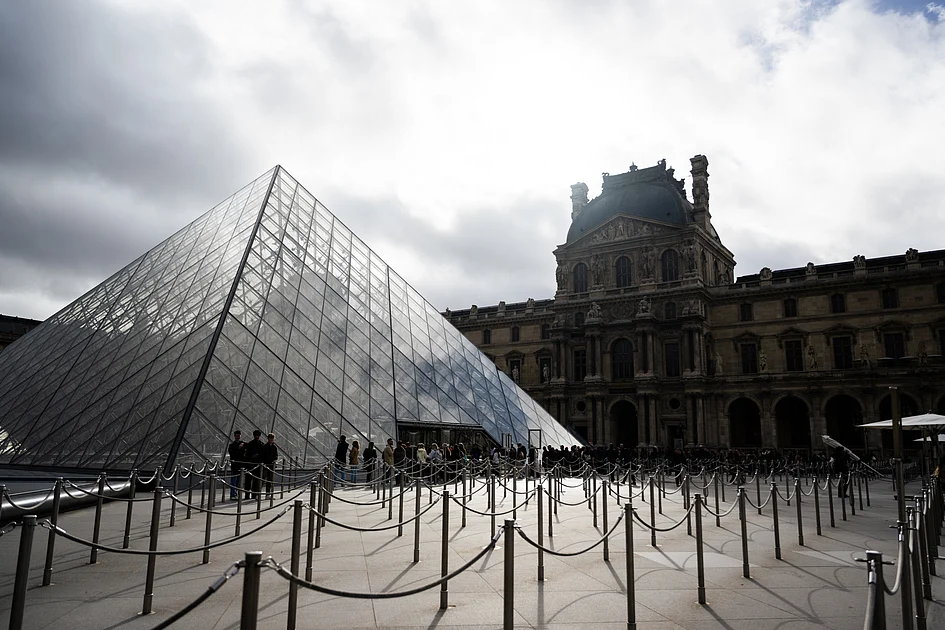
    The Louvre Museum in Paris has announced a substantial 45% increase in admission fees for visitors from outside the European Union and European Economic Area, effective January 14th. This strategic move aims to generate crucial funding for extensive renovation projects and security enhancements following a recent high-profile jewel theft that exposed systemic vulnerabilities.

    Non-EU/EEA visitors will now pay €32 ($37), with British tourists included in this revised pricing structure. The decision comes after October’s daring daylight heist where burglars stole crown jewels valued at approximately $102 million, revealing significant security deficiencies at the world’s most visited museum. Subsequent inspections identified structural weaknesses that necessitated the partial closure of one wing.

    Museum administration, responding to recommendations from France’s state auditor, has prioritized security improvements alongside ongoing renovations. The comprehensive plan includes installation of 100 external surveillance cameras by late 2026 as part of a six-year refurbishment initiative.

    The Louvre welcomed nearly 9 million visitors last year, with foreign tourists comprising approximately three-quarters of total attendance. The price adjustment is projected to generate an additional €15-20 million annually to support these essential upgrades.

    This pricing strategy reflects a broader trend among French cultural institutions, with the Palace of Versailles, Sainte Chapelle, Paris Opera House, and Chambord Chateau also expected to implement similar increases in the coming year.

    Judicial proceedings continue regarding October’s theft, with French authorities having arrested and charged four primary suspects plus additional individuals suspected of complicity. The stolen jewels remain unrecovered as investigations persist.

  • UAE: 300 horses from 19 countries to compete at Dubai Racing Carnival

    UAE: 300 horses from 19 countries to compete at Dubai Racing Carnival

    The 2025-26 Dubai Racing Carnival has emerged as a truly international equestrian spectacle, with Meydan Racecourse preparing to host over 300 thoroughbreds representing 19 different countries. The prestigious event, which commenced on November 7th, will continue through March 2026, culminating in the landmark 30th Dubai World Cup on March 28, 2026.

    According to the Dubai Racing Club’s media office, the carnival has already received participants from the United Kingdom, Denmark, and Norway, with additional international contenders expected to arrive in the coming weeks. This diverse gathering underscores Dubai’s growing prominence as a global racing hub.

    Erwan Charpy, Head of Racing Operations & International Relations at Dubai Racing Club, emphasized the significance of this international turnout: “We are delighted to have acceptors for the Carnival from so many different countries. This further underlines the position of Dubai as the centre of the racing world and is a compliment to both our facilities and our racing programme.”

    The event features an impressive roster of accomplished trainers and champion horses. British trainer Jamie Osborne arrived early with his team, including the notable Heart Of Honor, who placed second in the G2 UAE Derby and fifth in the G1 Preakness. Norwegian trainer Niels Petersen brought 11 horses, featuring Norsk Derby winner War Socks.

    Czech-based trainer Miroslav Nieslanik returned to Meydan with globetrotting sprinter Ponntos and five other competitors, while Denmark’s Veronika Jandova arrived with seven horses, including Listed race winner Hans Andersen.

    Newmarket trainer Phil Spencer and principal backer Phil Cunningham have deployed a 10-horse team under their Rebel Racing banner, featuring Goodwood Stewards’ Cup winner Two Tribes and Ayr Gold Cup champion Run Boy Run.

    The competition intensifies with several trainers targeting later meetings. Notable entries include G2 Lennox Stakes winner Witness Stand, high-class sprinter Mitbaahy for Charles Hills, and G1 Lockinge Stakes champion Audience returning for trainers John and Thady Gosden.

    Meydan Racecourse will host three race meetings in December on the 5th, 12th, and 19th, culminating in Festive Friday featuring two Thoroughbred G2 events: the Al Maktoum Mile and the Al Rashidiya.

  • Dubai: When, where to watch Al Etihad Parade on UAE National Day; guidelines to follow

    Dubai: When, where to watch Al Etihad Parade on UAE National Day; guidelines to follow

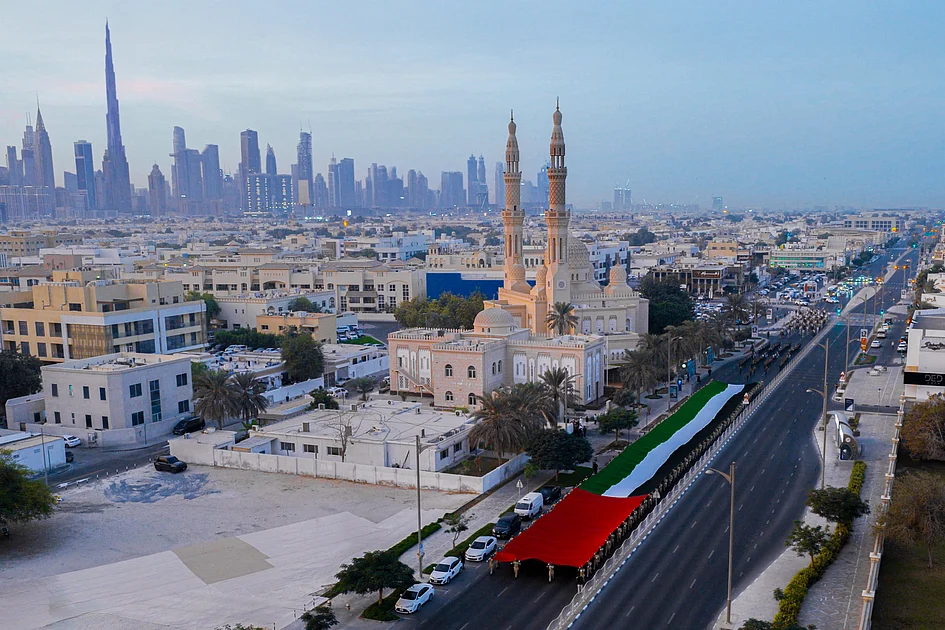
    Dubai authorities have unveiled detailed operational guidelines for the upcoming Al Etihad Parade, scheduled for December 2nd to commemorate the UAE’s 54th National Day. The event represents a collaborative effort between Brand Dubai, the creative division of the Government of Dubai Media Office, and the Events Security Committee in Dubai.

    The procession will commence at Dubai Maritime City at 3:00 PM, proceeding along Jumeirah Road from Union House intersection to Burj Al Arab intersection between 4:00 PM and 5:30 PM. This carefully planned route aims to showcase national pride while maintaining public safety and traffic flow.

    Shaima Al Suwaidi, Director of Brand Dubai, emphasized that strict adherence to established protocols is essential for participant safety and for delivering an event that reflects Dubai’s cultural values. The initiative forms part of the broader ‘National Month’ campaign launched under the patronage of Sheikh Ahmed bin Mohammed bin Rashid Al Maktoum, Second Deputy Ruler of Dubai and Chairman of the Dubai Media Council.

    Security measures will include deployed police patrols along the parade route and volunteer support from the Community Development Authority, with over 30 volunteers distributing more than 1,000 UAE flags to participants.

    The comprehensive guidelines prohibit numerous activities including unauthorized processions, vehicle stunts, obstruction of traffic, window obstructions, celebratory aerosol products, excessive passenger loads, inappropriate decorations, fireworks usage, license plate concealment, unauthorized vehicle modifications, and excessively loud music. Violations may result in penalties ranging from AED 10,000 to AED 100,000, vehicle impoundment exceeding 90 days, 24 black points, and potential driving license suspension under Decree No. 30.

    Organizers urge participants to remain within vehicles while moving, maintain cleanliness standards, and follow all traffic instructions to ensure a secure and smoothly executed national celebration. The public is encouraged to monitor official channels for latest updates and instructions.

  • Want to join UAE’s military forces? MoD announces openings for national cadres

    Want to join UAE’s military forces? MoD announces openings for national cadres

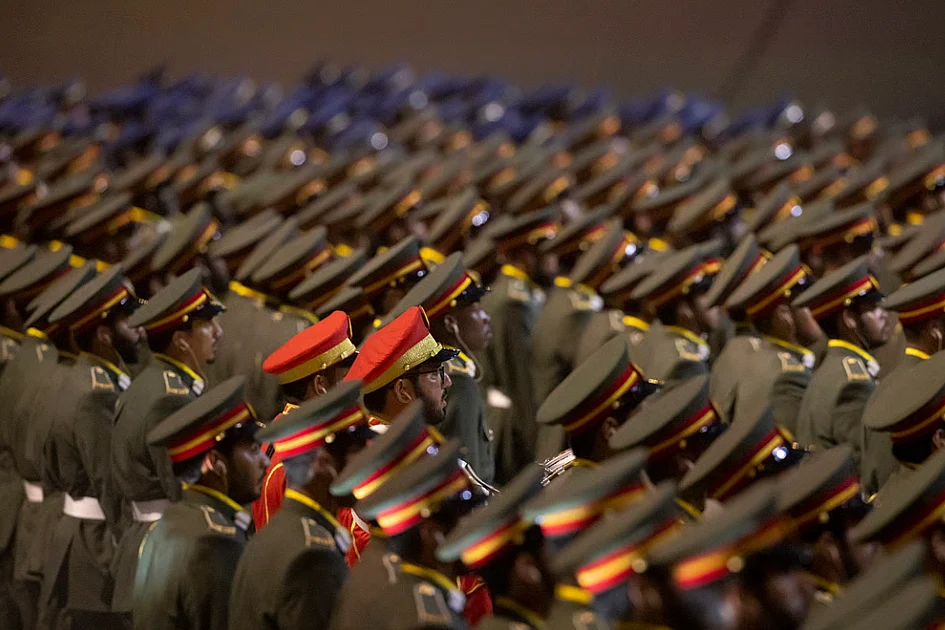
    The United Arab Emirates Ministry of Defence has launched a comprehensive recruitment initiative targeting Emirati citizens seeking to join the nation’s prestigious military forces. The Presidential Guard Command officially announced the opening of applications, providing detailed eligibility criteria and recruitment procedures through official social media channels.

    Prospective candidates must meet stringent requirements including UAE citizenship, age between 18 and 30 years, medical fitness, and a minimum height of 160cm. The recruitment drive represents a significant opportunity for national service and career development within the country’s elite defense apparatus.

    The Ministry has established multiple recruitment centers across all seven emirates with specified contact numbers for each location: Fujairah (Heritage Village): 026187885 / 0508073062, Abu Dhabi: 044026055, Al Ain: 037121741, Dubai: 0508073950, Sharjah: 072071515, Ras Al Khaimah: 026187885, and Umm Al Quwain: 0508073950.

    Recruitment operations will occur during evening hours from 4:00 PM to 10:00 PM at various locations throughout late November and early December 2025. The scheduled recruitment dates and venues include: Ras Al Khaimah Expo (November 29-30), Umm Al Quwain Waterfront (December 1-2), and Abu Dhabi Sheikh Zayed/Al Wathba Festival (December 2-3).

    This strategic initiative strengthens national defense capabilities while providing career opportunities for Emirati youth in the military sector, reflecting the government’s commitment to developing indigenous defense personnel and enhancing national security infrastructure.

  • Guinea-Bissau’s coup called a ‘sham’ by West African political figures

    Guinea-Bissau’s coup called a ‘sham’ by West African political figures

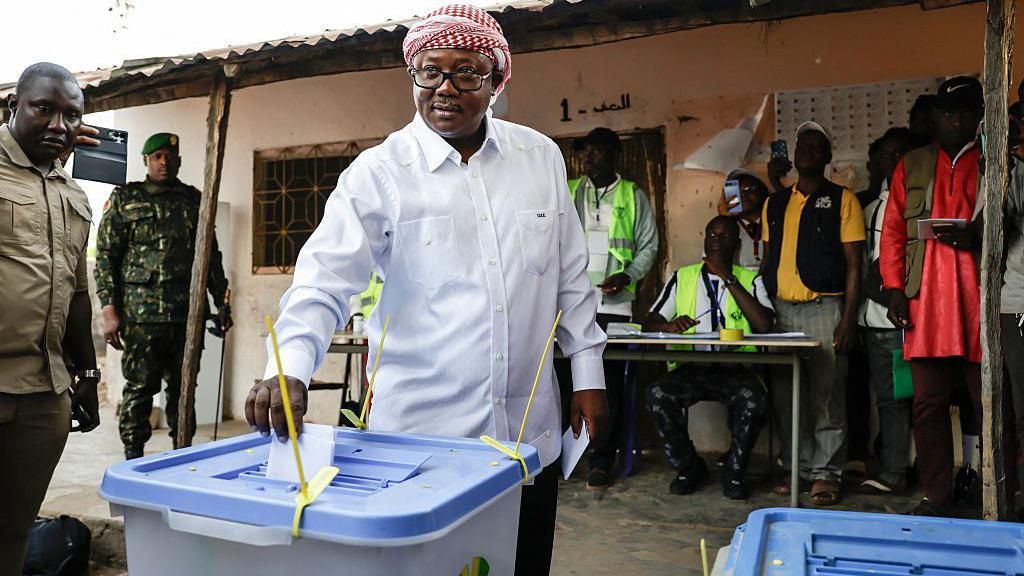
    In a development that has sparked regional controversy, the military intervention in Guinea-Bissau that displaced President Umaro Sissoco Embaló is being characterized as a fabricated coup by prominent West African figures. The political upheaval occurred precisely as the nation awaited official results from its recent presidential election, with military authorities subsequently suspending the electoral process and preventing the release of outcomes.

    Senegal’s Prime Minister Ousmane Sonko and former Nigerian President Goodluck Jonathan have jointly expressed skepticism regarding the nature of the power transition. Jonathan, who headed an election observation mission from the West African Elders Forum, notably described the event as a ‘ceremonial coup’ rather than a genuine military takeover. He highlighted the unusual circumstance of President Embaló personally announcing his own deposition to France 24 television, contrasting this with established patterns of regional coups.

    The ousted leader arrived in Senegal via military transport late Thursday following his release by the armed forces that overthrew his administration. Meanwhile, General Horta N’Tam has been proclaimed transitional president and has appointed former Finance Minister Ilídio Vieira Té as prime minister.

    The military justification centers on claims of preventing a destabilization plot allegedly supported by unidentified politicians and a known drug trafficker. However, these assertions remain unsubstantiated by publicly presented evidence.

    International response has been swift, with both the African Union and ECOWAS regional bloc suspending Guinea-Bissau’s membership in response to the unconstitutional power change. These organizations have concurrently urged military forces to return to their barracks and restore constitutional order.

    Citizen reactions in the capital city of Bissau reflect profound division. While some residents expressed frustration over renewed instability, others cautiously welcomed military intervention as a potential catalyst for improved living conditions in a nation historically plagued by political volatility and drug trafficking influences.