标签: Africa

非洲

  • ‘It didn’t look good’ – Erasmus on Etzebeth red card

    ‘It didn’t look good’ – Erasmus on Etzebeth red card

    Cardiff witnessed a historic yet controversial conclusion to the autumn internationals as South Africa delivered a crushing 73-0 defeat to Wales on Saturday. The reigning world champions demonstrated their formidable dominance by scoring eleven tries in a display of pure rugby supremacy.

    However, the spectacular performance was overshadowed in the final minutes when veteran lock Eben Etzebeth received a red card for making contact with the eye area of Welsh flanker Alex Mann. The incident occurred during a scuffle in the 79th minute, with referee Luc Ramos immediately dismissing the 34-year-old Springbok legend.

    South Africa’s director of rugby Rassie Erasmus acknowledged the seriousness of the incident, stating: ‘The optics weren’t great. It didn’t look good and it was a justified red card.’ Erasmus expressed disappointment that the match concluded on such a note, particularly as Etzebeth had just scored the final try moments before the infraction.

    The victory completed South Africa’s perfect autumn campaign and cemented their position as the world’s top-ranked team. Meanwhile, Wales suffered their most lopsided defeat in history, extending their dismal record to 21 losses in their last 23 Test matches under new coach Steve Tandy.

    Erasmus offered words of encouragement to the struggling Welsh side, drawing parallels to South Africa’s own rebuilding period: ‘We were in that situation where people were burning jerseys. Get one or two wins, get on a roll and things will change. I know that things changed from 2016, when we were nowhere, to 2019 when we won the World Cup.’

    Etzebeth, who earned his record 141st cap for South Africa during the match, now faces a potentially lengthy suspension. World Rugby regulations mandate bans ranging from 6 to 208 weeks for eye contact incidents, depending on severity and intent.

  • UAE: Demand for turkey up as many families celebrate Thanksgiving over long weekend

    UAE: Demand for turkey up as many families celebrate Thanksgiving over long weekend

    The United Arab Emirates is witnessing a remarkable surge in Thanksgiving celebrations, with demand for traditional turkey meals reaching unprecedented levels during the extended National Day weekend. This American holiday has transcended its cultural origins, becoming an increasingly popular occasion for communal gatherings among diverse communities in the Gulf nation.

    Major food retailers and restaurants report exceptional growth in turkey sales, with some establishments experiencing 100% increased demand compared to 2024. The trend reflects the UAE’s evolving cultural landscape, where international traditions blend with local customs to create unique hybrid celebrations.

    According to industry experts, the phenomenon demonstrates significant shifts in consumer behavior. Warwick Gird, General Manager of Marketing at Spinneys, noted particularly strong demand for large turkeys in the 6-8 kg range, indicating that residents are hosting substantial gatherings. “We’ve seen high double-digit growth versus last year,” Gird confirmed, highlighting the scale of the increase.

    The trend extends beyond retail to prepared meals, with restaurants reporting substantial pre-order volumes. Joe Dourans, Operations Manager at Rodeo Drive, observed that while Thanksgiving originated as a US holiday, UAE families are embracing it as a warm, communal celebration. “Each year, we see more returning guests and larger group bookings,” Dourans noted, indicating the tradition’s growing roots beyond its original cultural context.

    Sajan Alex, CEO of Tablez Food Company, attributed the surge to strong economic performance and positive consumer sentiment. “Individuals are more willing to spend on premium festive experiences,” Alex stated, noting that their Famous Dave’s brand has seen 100% growth in demand for their oak-smoked turkey feast offerings.

    Industry professionals anticipate the trend will continue through the Christmas season and beyond, with turkey becoming a preferred centerpiece for various celebrations throughout the year. Interestingly, there’s growing interest in locally-infused variations that incorporate Middle Eastern flavors while maintaining the dish’s festive essence, creating a distinctive UAE interpretation of the Thanksgiving tradition.

  • UAE President waives Dh475 million in debt for over 1,400 citizens

    UAE President waives Dh475 million in debt for over 1,400 citizens

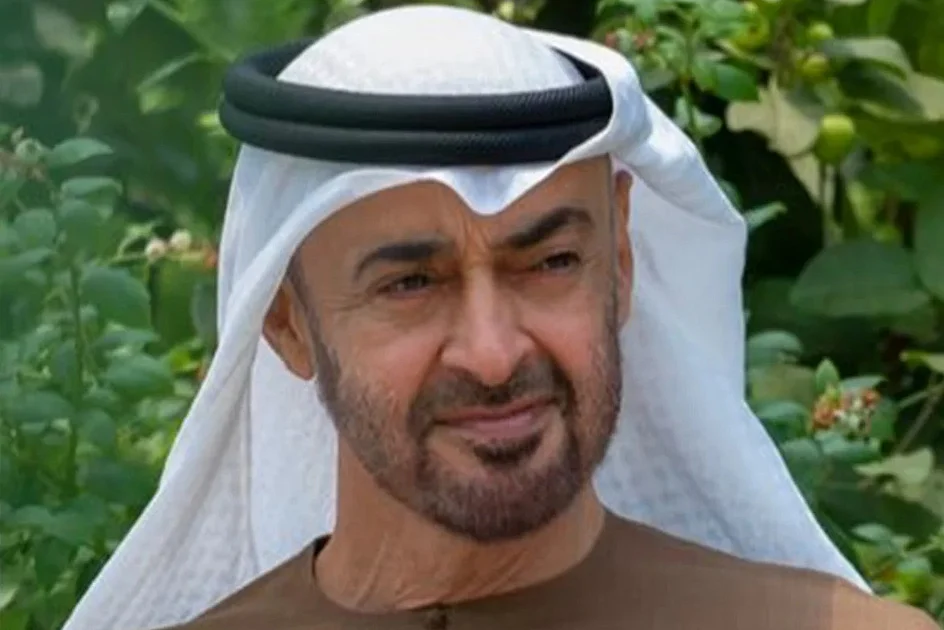
    In a sweeping humanitarian gesture, UAE President Sheikh Mohamed bin Zayed Al Nahyan has authorized the cancellation of debts exceeding Dh475 million for 1,435 Emirati citizens facing financial hardship. The monumental debt relief initiative, coordinated through the Defaulted Debts Settlement Fund, represents one of the most substantial social welfare measures undertaken in the nation’s recent history.

    The comprehensive debt waiver program specifically targets vulnerable segments of society, including humanitarian and medical cases, low-income borrowers, families of deceased individuals, retirees with limited means, and senior citizens. The program operates in collaboration with 19 major banking institutions and financial entities across the Emirates, ensuring widespread impact across the financial sector.

    Sheikh Mansour bin Zayed Al Nahyan, Vice President, Deputy Prime Minister and Chairman of the Presidential Court, has been personally overseeing the implementation of this presidential directive. The initiative reflects the leadership’s profound commitment to alleviating financial pressures on citizens while promoting family stability and social development.

    Debt settlement procedures are being conducted according to rigorous legal and regulatory frameworks that carefully consider the nature and purpose of each loan. Priority is given to essential living expenses and necessary costs that affect citizens’ quality of life and financial security.

    The participating financial institutions include Abu Dhabi Commercial Bank Group, Emirates NBD, First Abu Dhabi Bank, Abu Dhabi Islamic Bank, Mashreq Bank, RAKBANK, Sharjah Islamic Bank, Dubai Islamic Bank, e&, United Arab Bank, Arab Bank for Investment & Foreign Trade (Al Masraf), Commercial Bank of Dubai, HSBC, Ajman Bank, Amlak Finance, Emirates Islamic Bank, Standard Chartered Bank, National Bank of Umm Al Qaiwain, and Citibank.

    This unprecedented debt relief measure demonstrates the UAE government’s proactive approach to social welfare and economic stability, providing citizens with a fresh financial start while reinforcing the nation’s commitment to compassionate governance.

  • Pointless Wales humiliated by 11-try South Africa

    Pointless Wales humiliated by 11-try South Africa

    In a display of absolute rugby supremacy, South Africa’s Springboks delivered a crushing 73-0 victory over Wales at Cardiff’s Principality Stadium, marking the most devastating home defeat in Welsh rugby history. The November 29, 2025 match saw the world champions execute a flawless performance with 11 tries against a hapless Welsh side that failed to register a single point.

    Fly-half Sacha Feinberg-Mngomezulu emerged as the architect of destruction, accumulating 28 points through his clinical execution. The scoring onslaught began with prop Gerhard Steenekamp’s early try and continued unabated with contributions from Wilco Louw, Ethan Hooker, Canan Moodie, Jasper Wiese, Morne van den Berg, Andre Esterhuizen, and Ruan Nortje. Replacement lock Eben Etzebeth added to the tally before receiving a late red card for foul play against Welsh flanker Alex Mann.

    The match statistics painted a grim picture for Wales, who suffered their second-worst defeat ever, surpassed only by a 96-13 loss to these same opponents in Pretoria in 1998. This marked the first time since 1967 that Wales failed to score at home, with the attendance of 50,112 representing the lowest for a Springboks encounter in Cardiff in 15 meetings.

    The contest occurred outside World Rugby’s international window, resulting in both sides missing key players. Wales lacked 13 England and France-based professionals, while South Africa operated without stars like Malcolm Marx and Cheslin Kolbe. Despite these absences, the Springboks’ bench alone boasted 374 caps—more than Wales’ entire 23-man squad combined.

    The match’s scheduling, originally planned for 2020 before COVID-19 postponement, raised questions about its financial viability given the sparse attendance and clash with United Rugby Championship fixtures. For new Welsh head coach Steve Tandy, the defeat caps a disappointing autumn series that included losses to Argentina and New Zealand, with only a narrow victory against Japan providing minimal consolation ahead of the 2026 Six Nations campaign.

  • Abu Dhabi Crown Prince approves Dh4-billion housing package for 3,310 citizens

    Abu Dhabi Crown Prince approves Dh4-billion housing package for 3,310 citizens

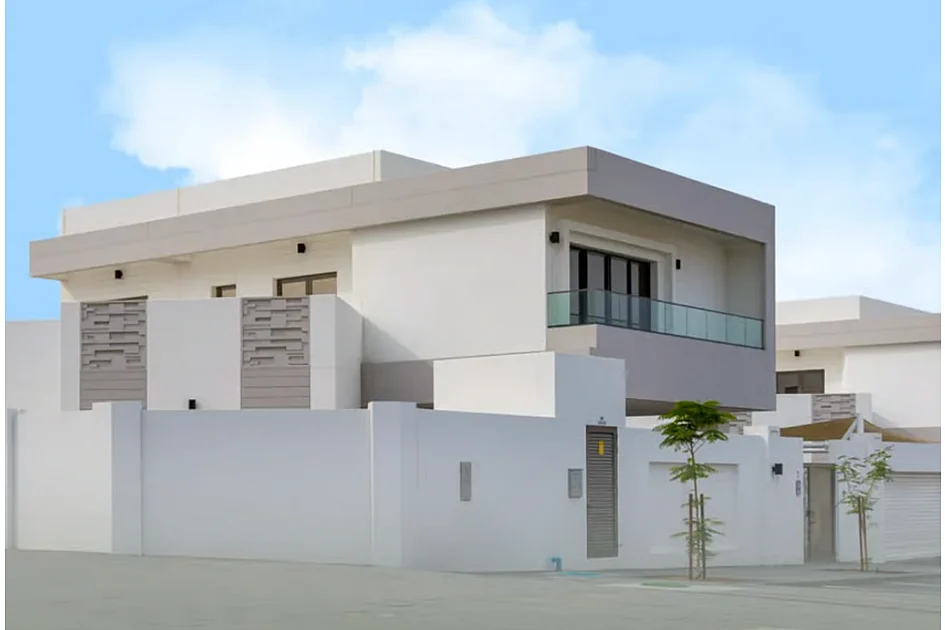
    In a landmark move marking the UAE’s 54th National Day celebrations, Abu Dhabi’s leadership has authorized a comprehensive housing assistance package valued at 4 billion dirhams (approximately $1.1 billion) to benefit 3,310 Emirati citizens across the capital region.

    The substantial housing initiative, approved under the directives of UAE President Sheikh Mohamed bin Zayed Al Nahyan and formally authorized by Crown Prince Sheikh Khaled bin Mohamed bin Zayed Al Nahyan, represents the third such package disbursed in the emirate during 2025. This latest allocation brings the total value of housing benefits distributed to Abu Dhabi citizens this year to 15.384 billion dirhams, directly assisting 10,718 individuals through various support mechanisms.

    The comprehensive package encompasses multiple forms of housing assistance, including 2.27 billion dirhams in housing loans allocated to 1,768 citizens, alongside housing grants and ready-built residential units valued at 1.51 billion dirhams. A particularly significant component involves 208 million dirhams in loan repayment exemptions and reductions specifically designed to support limited-income senior citizens, retirees, and families of deceased borrowers, with 204 citizens qualifying for this financial relief.

    Mohamed Ali Al Shorafa, Chairman of the Board of Directors of the Abu Dhabi Housing Authority, emphasized the symbolic importance of the timing, noting: “As we mark Eid Al Etihad, we express our profound appreciation for our leadership, which consistently prioritizes the welfare and stability of Emirati citizens. This housing package demonstrates the leadership’s unwavering commitment to enhancing quality of life for Emirati families while fostering the spirit of unity and generosity that characterizes our society.”

    The initiative falls under the broader Emirati Family Growth programme, which has already provided 514.75 million dirhams in housing support to 478 citizens through various exemption and reduction schemes. The comprehensive approach addresses both immediate housing needs through ready-built homes and long-term financial support through favorable loan terms, reflecting the government’s multidimensional strategy to ensure housing security for its citizens.

  • UAE airlines Etihad, Air Arabia issue statements amid Airbus A320 recall

    UAE airlines Etihad, Air Arabia issue statements amid Airbus A320 recall

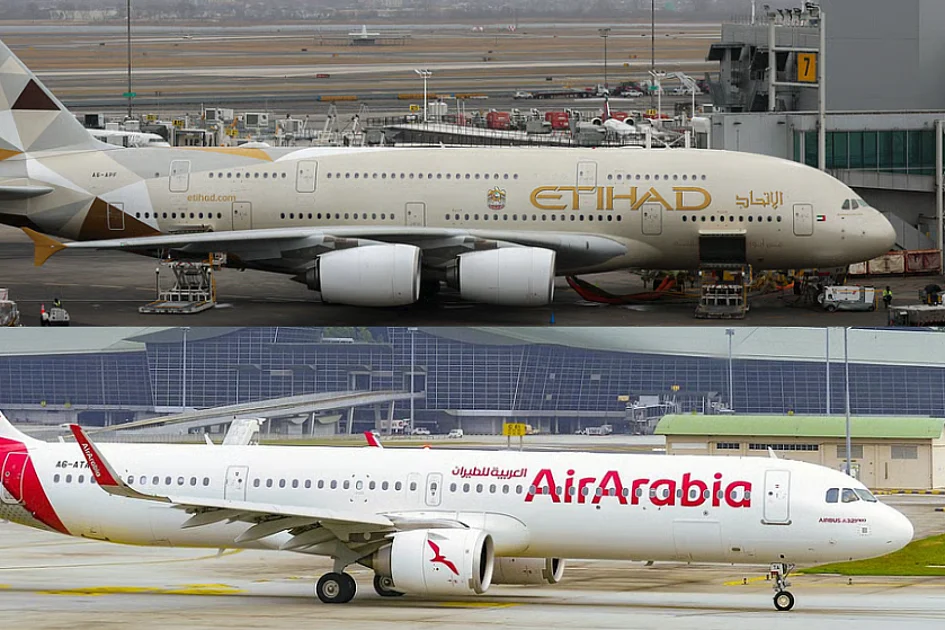
    In response to an unprecedented global recall initiated by Airbus, UAE carriers Etihad Airways and Air Arabia have swiftly implemented mandatory software updates across their A320 family aircraft fleets. The European manufacturer’s directive, affecting approximately 6,000 aircraft worldwide, follows a reported flight control anomaly linked to intense solar radiation exposure.

    Air Arabia confirmed immediate compliance with the technical advisory, with a spokesperson stating: “We have begun implementing the required measures across the impacted aircraft in our fleet and expect to complete all updates by the end of today. Our teams have worked diligently to ensure minimal impact on our customers.” The Sharjah-based low-cost carrier operates 67 A320 family aircraft according to Cirium data.

    Etihad Airways similarly reported successful completion of the software installation across its 39 A320 family aircraft. The Abu Dhabi-based carrier emphasized that normal operations had resumed despite the challenge occurring during one of the busiest travel periods at Zayed International Airport ahead of the long weekend.

    Saj Ahmad, chief analyst at London-based StrategicAero Research, characterized the situation as “rather unprecedented,” noting that the recall stems from a JetBlue A320 incident involving rapid descent and passenger injuries. Ahmad warned that while software updates require few hours, potential hardware modifications could ground aircraft for several days awaiting replacement parts, potentially disrupting flight schedules across the Middle East’s 376 operational A320 family aircraft.

    The proactive response from UAE carriers demonstrates the aviation industry’s commitment to safety-first protocols while minimizing traveler inconvenience during critical holiday periods.

  • UAE National Day travel faces delays amid Airbus A320 major recall

    UAE National Day travel faces delays amid Airbus A320 major recall

    A major global aviation safety directive has cast a shadow over UAE National Day travel plans, mandating urgent inspections for approximately 6,000 Airbus A319, A320, and A321 aircraft worldwide. The European Union Aviation Safety Agency (EASA) issued an Emergency Airworthiness Directive following the discovery that intense solar radiation can corrupt critical flight control data.

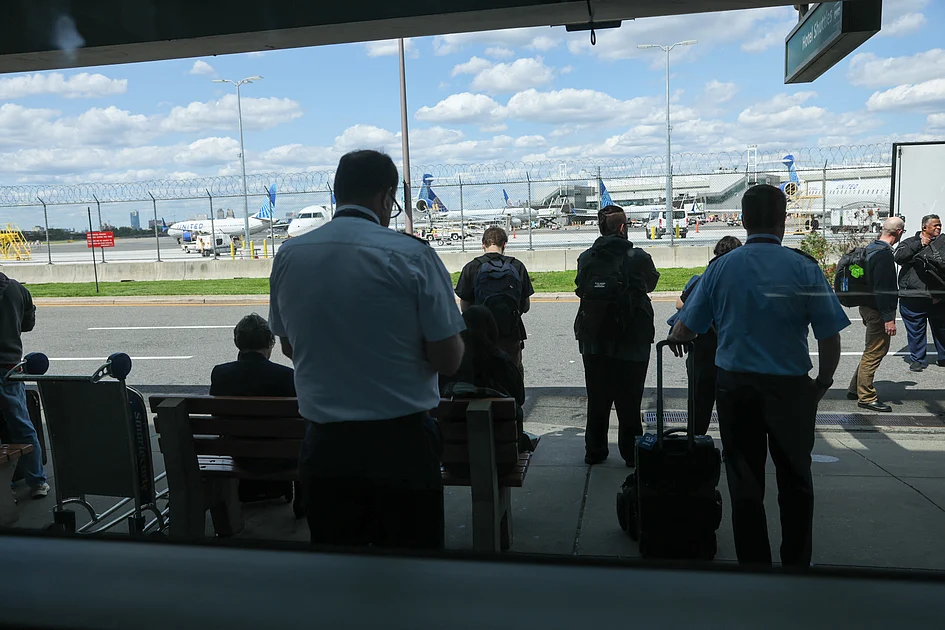
    The safety alert emerged after an October 30 incident involving a JetBlue A320 en route from Cancun to Newark, where the aircraft experienced an uncommanded nose-down movement, forcing an emergency diversion to Tampa that resulted in injuries to 15 passengers. Subsequent investigation revealed solar radiation had compromised the aircraft’s Elevator Aileron Computer (ELAC) system, potentially triggering similar dangerous maneuvers when autopilot is engaged.

    EASA now requires airlines to install radiation-hardened ELAC units or revert to earlier certified software before affected aircraft can carry passengers. While empty ferry flights to maintenance facilities remain permitted, any non-compliant aircraft after the November 29 deadline (03:59 UAE time November 30) cannot operate commercial services.

    The directive coincides with both the UAE National Day long weekend and the beginning of winter school holidays, creating perfect storm conditions for travel disruption at Dubai International (DXB) and Al Maktoum International (DWC) airports. The India-UAE corridor, among DXB’s busiest routes, faces particular strain as Indian carriers must address approximately 200-250 affected aircraft from their 560-strong A320-family fleet.

    Major carriers including IndiGo, Air India, and Air India Express have acknowledged potential schedule changes while implementing around-the-clock modifications. Air India reported completing over 40% of required updates, expressing confidence in meeting EASA’s timeline while warning passengers of possible delays. Aviation authorities recommend travelers verify flight status through official channels and arrive at airports at least three hours before scheduled departures.

    Airbus and airline officials emphasize that the hardware and software modifications typically require only a few hours per aircraft, though the massive scale of the global operation presents significant logistical challenges during one of the region’s peak travel periods.

  • Mass flight disruptions expected as Airbus recalls 6,000 A320 jets

    Mass flight disruptions expected as Airbus recalls 6,000 A320 jets

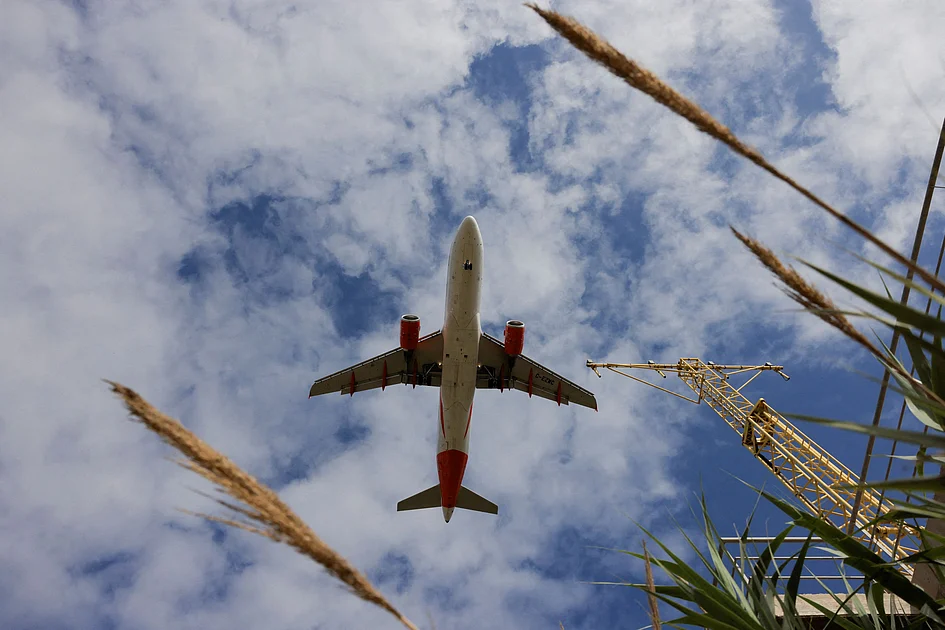
    In an unprecedented move that threatens to disrupt global air travel, Airbus has mandated immediate safety inspections and software modifications for approximately 6,000 of its A320-family aircraft. The emergency recall, affecting over half of the worldwide fleet, comes in response to a recently identified vulnerability where intense solar radiation can corrupt critical flight control data.

    The European plane manufacturer announced the sweeping directive on Friday, acknowledging that the necessary maintenance would inevitably cause significant operational disruptions for airlines and passengers worldwide. The European Union Aviation Safety Agency is preparing to issue an emergency airworthiness directive to formalize the requirements.

    Industry analysts indicate the recall will have varying impacts across the fleet. Approximately two-thirds of affected aircraft will undergo relatively brief software downgrades to a previous stable version, while the remaining jets—numbering in the hundreds—will require extensive hardware replacements that could ground them for several weeks.

    The timing compounds the logistical challenge, coinciding with one of the busiest travel weekends of the year in the United States. Major carriers including Wizz Air and Air India have already confirmed their fleets are impacted and warned passengers of potential delays and cancellations.

    Air India issued an official advisory stating: ‘This will result in a software/hardware realignment on a part of our fleet, leading to longer turnaround time and delays to our scheduled operations.’ The airline urged customers to verify flight status before heading to airports.

    The urgent safety action was triggered by an October 30 incident involving a JetBlue flight from Cancun to Newark, which experienced an uncommanded altitude drop and made an emergency landing in Tampa. Several passengers required hospitalization following the terrifying incident.

    With approximately 11,300 A320-family aircraft currently in service worldwide—including 6,440 of the core A320 model—this recall represents one of the most extensive safety actions in modern aviation history, testing the resilience of global air travel infrastructure during peak holiday season.

  • Nigeria blames jihadist groups for wave of kidnappings but others accuse criminal gangs

    Nigeria blames jihadist groups for wave of kidnappings but others accuse criminal gangs

    Nigeria confronts a severe security emergency as conflicting narratives emerge regarding perpetrators behind a recent wave of mass abductions. While the government attributes these kidnappings to jihadist organizations Boko Haram and Islamic State West Africa Province (ISWAP), independent analysts present contradictory evidence pointing to local criminal networks.

    The crisis intensified through three major incidents within one week: On November 17, 25 students and a teacher were abducted from Government Girls Comprehensive Secondary School in Kebbi state; November 18 witnessed 38 worshippers kidnapped from Christ Apostolic Church in Kwara state; and November 21 saw the most devastating attack with approximately 250 children and 12 staff members taken from St. Mary’s Catholic School in Niger state. While most victims from the first two incidents have been released, the majority from the Niger state kidnapping remain captive.

    Presidential spokesman Sunday Dare asserted to BBC that ‘abundant data nationally and internationally reveals clearly that ISWAP are all over the place,’ maintaining that both ISWAP and remnants of Boko Haram are responsible. However, the government has not produced concrete evidence supporting these claims.

    Contrary to official statements, security analysts and the Armed Conflict Location & Event Data Project (ACLED) identify Fulani militia groups—locally termed ‘bandits’—as the actual perpetrators. These decentralized criminal networks operate primarily in northwestern Nigeria, distinct from the jihadist groups concentrated in the northeast. According to ACLED’s analysis, the school abduction in Niger state appears partially motivated by political objectives against the government, while the church attack in Kwara state aligns with Fulani expansionist agendas and displacement campaigns for illegal mining operations.

    The kidnapping epidemic represents a lucrative criminal enterprise in Nigeria, where ransom payments remain illegal but widely suspected to occur. Presidential spokesman Dare ambiguously referenced ‘kinetic, non-kinetic, negotiations, etc.’ as successful processes for securing releases, avoiding direct confirmation of ransom payments.

    This security crisis has attracted international attention, particularly after former US President Donald Trump threatened military intervention if Christian targeting continues. However, Nigerian officials and experts emphasize that victims span all religious affiliations, contradicting narratives of sectarian targeting.

    The situation echoes Nigeria’s tragic history with mass abductions, notably the infamous Chibok schoolgirls incident where many children remained captive for years or died in captivity. Current President Bola Tinubu has promised to rescue remaining abductees but provided no timeline for resolution.

  • Namibia aims to attract investors: Envoy

    Namibia aims to attract investors: Envoy

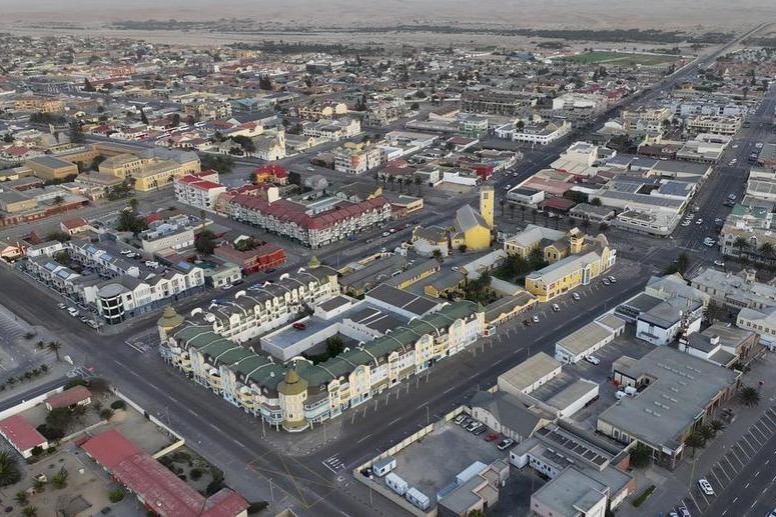
    Namibia is actively courting Chinese investment across multiple strategic sectors, positioning itself as China’s premier cooperation partner in southern Africa. The African nation’s newly appointed ambassador to China, Tonata Itenge-Emvula, has articulated a clear vision for bilateral economic collaboration rooted in mutual benefit and sustainable development.

    With China already established as Namibia’s largest source of foreign direct investment—accounting for approximately 30% of total inflows—and its second-largest trading partner after South Africa, the foundation for expanded cooperation is firmly established. More than 50 Chinese enterprises currently operate within Namibian borders, including major stakeholders in significant mining operations such as the Husab Mine and Rossing Uranium Mine.

    The investment priorities identified by Namibia align strategically with China’s global leadership areas, particularly renewable energy technologies, agricultural modernization, and large-scale industrial processing. Namibia is rapidly emerging as a green energy frontier, with its southern coastline hosting one of Africa’s most advanced large-scale green hydrogen initiatives. The country’s abundant wind and solar resources position it to produce clean fuels, green ammonia, and sustainable industrial products for global markets, including China’s expanding clean energy sector.

    Recent offshore oil discoveries exceeding 3 billion barrels have further elevated Namibia’s status as an emerging petroleum region. Ambassador Itenge-Emvula specifically encouraged Chinese investors to participate in refining and downstream processing operations, moving beyond raw material exports to build industrial capacity that generates employment and develops local expertise.

    Agriculture and food processing represent another priority sector for enhanced cooperation. Through targeted investments in irrigation infrastructure, cold chain technology, and modern agro-processing facilities, Namibia aims to transform into a reliable supplier of premium food products to Asian markets while supporting China’s food security objectives.

    As the world’s third-largest uranium producer with significant deposits of lithium, cobalt, nickel, manganese, and copper, Namibia serves as a crucial supplier of minerals essential to new energy industries. The ambassador emphasized the importance of developing local value chains and mineral processing capabilities rather than continuing the export of unprocessed ore.

    These opportunities are strengthened through Namibia’s active participation in the Forum on China-Africa Cooperation and the Belt and Road Initiative, which provide favorable financing arrangements, trade facilitation measures, and technology exchange mechanisms for enterprises from both nations.