标签: Africa

非洲

  • Fake WiFi networks, juice jacking; UAE experts warn of cyber threats travellers face

    Fake WiFi networks, juice jacking; UAE experts warn of cyber threats travellers face

    Cybersecurity specialists in the United Arab Emirates have issued critical warnings to international travelers regarding sophisticated digital threats targeting mobile devices in transit environments. According to security professionals, cybercriminals are capitalizing on the distracted nature of travelers through various attack vectors including counterfeit WiFi networks, fraudulent payment schemes, and malicious USB charging stations.

    Rafal Hyps, Chief Executive Officer at Sicuro Group, emphasized that the combination of urgency and reduced situational awareness during travel creates ideal conditions for basic cyber scams. This is particularly concerning for travelers accustomed to the UAE’s robust digital security infrastructure.

    The threat landscape includes several sophisticated methods:

    Fake WiFi networks strategically deployed in high-traffic areas like airports mimic legitimate networks through deceptive naming conventions. Security experts advise travelers to scrutinize network authentication pages requesting unusual credentials, unexpected payments, or forced application downloads. Immediate disconnection and switching to cellular data is recommended upon encountering suspicious networks.

    Juice jacking attacks represent another significant concern, where compromised public USB charging stations install malware or extract sensitive data from connected devices. Travelers should exclusively use personal chargers or power-only USB cables to mitigate this risk.

    Phishing campaigns targeting travelers include fabricated booking cancellations, visa issue notifications, and urgent refund scams containing malicious links. Haider Pasha, Chief Security Officer for EMEA at Palo Alto Networks, stresses that maintaining basic cyber hygiene—including network verification, permission limitations, and regular device updates—provides essential protection.

    Device theft remains among the most severe threats, with attackers potentially accessing banking applications, email accounts, and cloud storage through weak passcodes and unlocked devices. Security professionals recommend implementing robust remote locking and wiping capabilities, alongside immediate password changes and financial institution notifications upon device loss.

    Additional protective measures include enabling two-factor authentication, implementing biometric locking systems, reducing auto-lock timers, and restricting lock-screen message previews. Travelers should avoid using public networks for sensitive transactions, opting instead for cellular data or personal hotspots when accessing financial or email accounts.

    Experts unanimously advise maintaining heightened digital awareness throughout travel, treating foreign environments with appropriate security skepticism, and avoiding password reuse across multiple platforms.

  • India v SA T20 abandoned because of ‘excessive fog’

    India v SA T20 abandoned because of ‘excessive fog’

    The fourth T20 international cricket match between India and South Africa was officially abandoned on Wednesday, December 17th, 2025, due to what officials cited as “excessive fog” at Ekana Stadium in Lucknow. The decision came after multiple pitch inspections by match officials, who ultimately determined that playing conditions were unsafe for competition.

    The scheduled toss at 13:00 GMT never occurred as umpires continued to monitor conditions throughout the afternoon before calling off the match approximately three hours later. The abandonment raises significant questions about scheduling and environmental factors affecting international sports events in northern India during winter months.

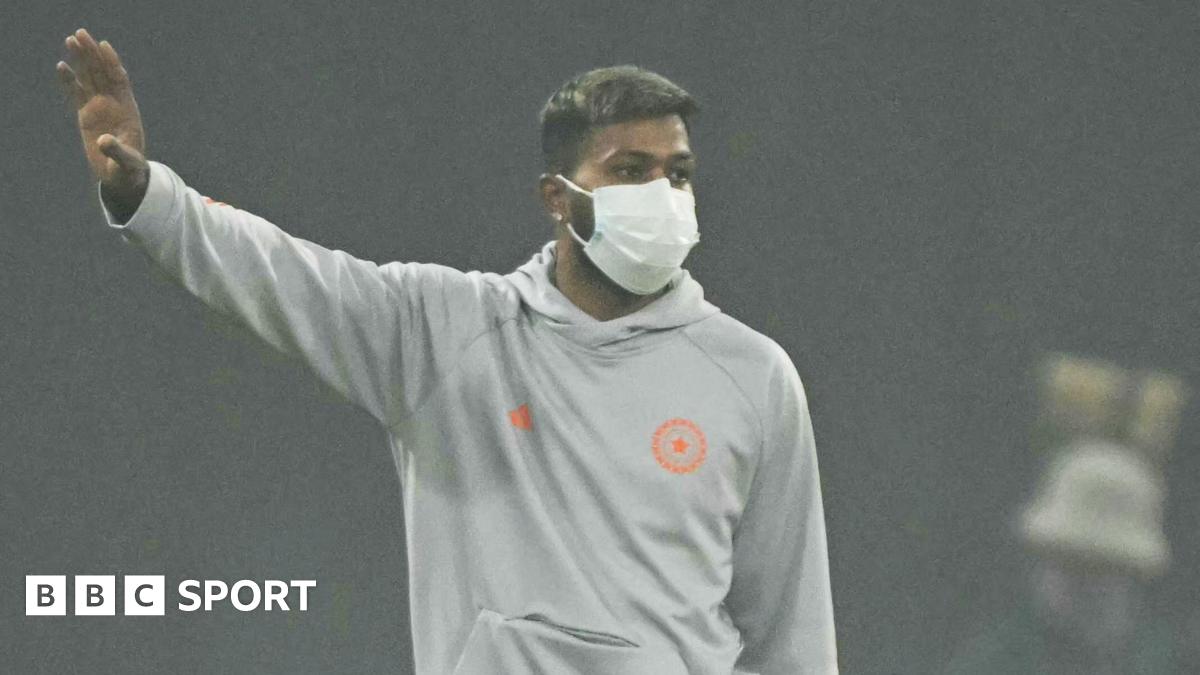
    Adding to concerns about playing conditions, Indian all-rounder Hardik Pandya was observed wearing a protective mask during warm-up exercises on the pitch prior to the abandoned match. This visual evidence coincided with air quality readings showing particularly hazardous conditions in Lucknow, with the Air Quality Index (AQI) reaching approximately 400 around the scheduled start time—a level classified as posing serious health risks to all individuals exposed.

    Despite the visible pollution concerns, the official statement from cricket authorities specifically cited fog as the sole reason for the cancellation, avoiding any direct reference to air quality issues. The series now moves to its decisive final match with India leading 2-1, setting up a crucial encounter scheduled for Friday in Ahmedabad, where environmental conditions are expected to be more favorable for play.

  • Nigeria allege DR Congo ‘fraud’ as they hunt World Cup reprieve

    Nigeria allege DR Congo ‘fraud’ as they hunt World Cup reprieve

    Nigeria’s football governing body has launched a formal protest with FIFA, contesting the eligibility of several Democratic Republic of Congo players featured in last month’s decisive World Cup qualifying match. The Super Eagles’ defeat to DR Congo on penalties in Morocco cost Nigeria a spot in the upcoming intercontinental qualifiers for the 2026 World Cup.

    The Nigeria Football Federation (NFF) alleges that DR Congo violated both FIFA regulations and Congolese nationality laws by fielding players with dual citizenship. Specifically mentioned are Aaron Wan-Bissaka and Axel Tuanzebe, who recently switched international allegiance to represent DR Congo despite Congolese law prohibiting dual nationality.

    NFF General Secretary Mohammed Sanusi stated: ‘Our contention is that FIFA was deceived into clearing these players. The Congolese rule explicitly states you cannot have dual nationality, yet some of their players possess European and French passports. We consider this a breach of FIFA’s regulations and potentially fraudulent.’

    The federation has submitted comprehensive documentation and legal arguments to world football’s governing body. In response, the Congolese Football Federation (Fecofa) has dismissed the petition as an attempt to ‘win via the back door,’ characterizing Nigeria as ‘bad losers’ in social media statements.

    This controversy emerges against a backdrop of similar eligibility cases in African football. FIFA recently deducted points from Equatorial Guinea during qualifiers after captain Emilio Nsue was deemed ineligible due to prior appearances for Spain’s youth teams. Similarly, South Africa had a victory overturned for fielding a suspended player.

    FIFA’s statutes permit players to change national representation once with proper approval, requiring only a valid passport for the new nation regardless of dual citizenship status. However, this conflicts with DR Congo’s domestic laws, creating a complex jurisdictional dilemma for football’s governing body.

    The outcome could range from case dismissal to potential sporting sanctions if FIFA finds material breaches of registration rules, possibly including match forfeiture or point deductions that could alter World Cup qualification.

  • UAE school admissions explained: What the new age cut-off means for parents, students

    UAE school admissions explained: What the new age cut-off means for parents, students

    In a transformative educational policy shift, the United Arab Emirates has fundamentally restructured its school admission framework by implementing a calendar-year-based eligibility system. Effective from the 2026-27 academic year, children will now qualify for Pre-Kindergarten enrollment upon reaching three years of age at any point during the admission year, extending the previous August 31 deadline to December 31.

    This groundbreaking reform, formally endorsed by the Education, Human Development and Community Development Council, represents a significant departure from the previous month-specific cutoff approach. The revised policy establishes uniform eligibility standards across all educational stages: Pre-KG at age 3, KG1 at age 4, KG2 at age 5, and Grade 1 at age 6, with all age requirements determined by December 31 of the admission year.

    The policy alteration delivers particular advantages to children born during the September-December period, who previously faced mandatory enrollment deferrals. Extensive research involving analysis of over 39,000 student records demonstrated that early enrollment does not correlate with academic disadvantages, with some younger entrants actually exhibiting enhanced educational outcomes.

    Crucially, the reform maintains parental autonomy, allowing rather than mandating earlier enrollment. The updated regulations apply exclusively to new admissions commencing in 2026-27, preserving existing students’ original placement arrangements. While the policy standardizes admissions across August/September-starting institutions regardless of curriculum—including British (FS1/FS2/Year 1/Year 2) and French (Petite/Moyenne/Grande Section/CP) systems—schools with April academic years continue operating under the established March 31 cutoff.

    The comprehensive policy framework ensures educational continuity for transfer students and international arrivals through standardized grade equivalency protocols, prioritizing consistent academic progression above all other considerations.

  • Watch: Pakistani man ‘fears for his life’ after being wrongly linked as Bondi shooter

    Watch: Pakistani man ‘fears for his life’ after being wrongly linked as Bondi shooter

    A Pakistani businessman residing in Windsor, Australia, is confronting severe personal safety concerns and psychological distress after becoming an unintended victim of rampant online misinformation. Naveed Akram, 30, found himself at the center of a digital firestorm when his photograph was falsely circulated across social media platforms as one of the perpetrators of the Bondi Beach shooting that claimed 15 lives last Sunday.

    The case of mistaken identity originated from the coincidental name similarity between the innocent businessman and the actual alleged attacker. Despite having no connection to the tragic incident, Akram experienced immediate reputational damage and intense personal fear as his image spread virally alongside inaccurate accusations.

    “This has been deeply shocking for me,” expressed Akram in a video statement released to counter the misinformation. “I was extremely worried about my safety. I am traumatized by this false association. My photo being circulated everywhere has left me stressed, scared, and unable to move around freely.”

    The misinformation ecosystem amplified rapidly as several Indian media outlets propagated the narrative that the Bondi attacker was Pakistani, relying solely on the name coincidence without factual verification. This reporting intensified the ordeal for Akram, who relocated to Australia in 2018 seeking better opportunities.

    The Bondi tragedy triggered multiple strands of misinformation beyond Akram’s case. Ahmed Al Ahmed, the Syrian Muslim hero who courageously disarmed one shooter, was subject to false identity claims with some sources misidentifying him as a 47-year-old IT worker with a British name—misinformation that was even repeated by X’s AI chatbot Grok. Other accounts incorrectly labeled him as a Maronite Christian.

    Regarding the actual perpetrator, social media platforms circulated numerous unverified claims before official identification, including false assertions that he was a former Israeli Defense Force member, a Mossad agent, or that he had studied at Islamabad University on behalf of Iranian interests. A Lebanese national of Palestinian descent was also wrongly implicated in the digital speculation.

    This incident highlights the dangerous consequences of digital vigilantism and the critical need for media outlets and social platforms to verify information before dissemination, particularly during developing tragedies where accurate information is essential yet often scarce.

  • Driving growth through innovation, partnerships, and sustainable development

    Driving growth through innovation, partnerships, and sustainable development

    For more than three decades, Luceo Group has successfully merged Madagascar’s extraordinary natural resources with global business expertise, establishing itself as a multifaceted conglomerate driving economic growth while prioritizing community empowerment. Operating across four distinct sectors—Home & Lifestyle Retail, Distribution & Large Retail, Hospitality & Hotel Management, and Health, Pharmaceuticals, Cosmetics, and Aromatherapy—the organization employs over 1,000 people while maintaining core values of leadership, unity, commitment, and openness.

    The group’s retail division has revolutionized Madagascar’s home improvement market through flagship brands ABC by Bricorama and BUT, providing comprehensive solutions ranging from construction materials to premium furniture. These establishments have fundamentally changed how Malagasy families approach home building and furnishing, making quality products accessible across the nation.

    In a strategic move within the hospitality sector, Luceo Group has partnered with Marriott International to introduce world-class service standards to Madagascar. The forthcoming Delta Hotels by Marriott Antananarivo represents a significant elevation of the country’s hospitality offerings while maintaining respect for local cultural and environmental considerations.

    The health and wellness division, operating under Homeopharma, leverages Madagascar’s remarkable biodiversity to develop high-value natural products. By collaborating directly with local farmers, the group ensures fair income distribution, proper agricultural training, and sustainable sourcing practices. This model effectively combines industrial excellence with environmental stewardship, generating lasting community benefits while delivering premium natural health solutions to the market.

    Throughout its diverse operations, Luceo Group maintains a consistent commitment to balancing modernity with tradition, progress with responsibility, and international standards with local engagement. The organization’s long-term vision remains firmly rooted in sustainability principles, social impact initiatives, and quality experiences across all business verticals, positioning itself as both an economic force and a catalyst for positive change in Madagascar.

  • Magic Awaits: Step Into Wafi City’s Whimsical Wonderland

    Magic Awaits: Step Into Wafi City’s Whimsical Wonderland

    Dubai’s Wafi City has undergone a spectacular metamorphosis into a magical holiday destination, unveiling its ‘Whimsical Wonderland’ experience that promises to captivate visitors throughout the festive season. The comprehensive transformation encompasses both Wafi City Mall and the architecturally stunning Khan Murjan Souk, creating an immersive environment brimming with seasonal enchantment.

    The venue now features an array of whimsical installations and dazzling light displays that establish an atmosphere of creative discovery and joyful celebration. Young visitors can engage in interactive craft stations and hands-on activities designed to stimulate imagination, while adults appreciate seasonal culinary offerings and unique marketplace finds. Throughout the complex, countless photo opportunities await amidst the elaborate festive décor.

    Entertainment forms a core component of the experience, with costumed characters bringing stories to life and performers filling the air with holiday melodies. Families can participate in treasure hunts through Khan Murjan Souk’s atmospheric corridors and explore specially designed play zones that encourage curiosity and creativity.

    The centerpiece remains the ticketed Santa Experience, operating until December 24, 2025, where children can share holiday wishes in a beautifully themed grotto. This encounter includes a special gift, framed keepsake photograph, and complimentary festive beverage. Ticket pricing is set at AED 85 for general visitors, with discounted rates of AED 70 for pre-registered guests and Wafi Rewards members, while People of Determination enjoy complimentary access.

    All mall visitors can participate in free activities including open workshops, interactive zones, and encounters with roaming entertainers. Those purchasing the festive coupon booklet gain automatic entry into the Whimsical Wonderland Raffle Draw, offering two winners AED 10,000 each in gift vouchers during the December 31 drawing.

    The comprehensive programming ensures that whether visitors seek a brief seasonal stroll or full-day immersion, Wafi City delivers memorable moments that capture the essential spirit of holiday magic and togetherness.

  • SMMC: Guaranteeing Madagascar’s supply chain resilience and international compliance

    SMMC: Guaranteeing Madagascar’s supply chain resilience and international compliance

    Under the strategic leadership of Director General Niriko Tsirenge, Madagascar’s Société de Manutention des Marchandises Conventionnelles (SMMC) has undergone a transformative restructuring since 2018 to strengthen national supply chain security. Operating from Toamasina, the nation’s primary maritime gateway, SMMC manages all non-containerized cargo including essential commodities such as cement, rice, industrial supplies, and vehicles.

    The company achieved a significant throughput of approximately 1.12 million tonnes in 2024, reflecting its critical role in maintaining national food security and supporting industrial development. This operational success stems from strengthened partnerships with key national stakeholders and an enhanced reputation for reliability.

    SMMC has embarked on an ambitious governance modernization program, currently in the final stages of ISO 9001 certification. This initiative represents a comprehensive overhaul of operational processes aimed at ensuring quality assurance and full traceability. Digital transformation of workflow systems further enhances operational transparency, creating more secure and predictable port operations.

    Environmental sustainability constitutes a cornerstone of SMMC’s development strategy. The company is engineering an ecological bulk hopper system to minimize dust pollution and reduce material losses, while simultaneously planning solar power installations to decrease its carbon footprint. As an active participant in the Resilience4Ports (R4P) initiative, SMMC aligns its operations with international climate objectives, demonstrating practical commitment to green port development.

    Human capital development receives equal priority, with continuous training programs in international standards including the International Ship and Port Facility Security (ISPS) Code. This investment in workforce excellence ensures safety, quality, and operational flexibility. At the Vohémar facility, where SMMC has assumed port authority responsibilities, these standards are being implemented through infrastructure rehabilitation and security upgrades to achieve full international compliance.

    The company functions as a strategic convener of port ecosystem stakeholders, regularly coordinating with customs authorities, municipal leadership, and commercial users to optimize trade facilitation. This collaborative approach enhances Madagascar’s position as a reliable node within regional supply chains.

    Through technical partnerships with globally recognized port complexes including Morocco’s Tanger Med, SMMC benchmarks international best practices for implementation in Madagascar. The organization remains focused on its fundamental mission: ensuring safe and transparent trade flows while securing the nation’s supply of strategic commodities and building modern, resilient port infrastructure for long-term development.

  • India’s Modi visits Ethiopia and calls for renewed bilateral relations

    India’s Modi visits Ethiopia and calls for renewed bilateral relations

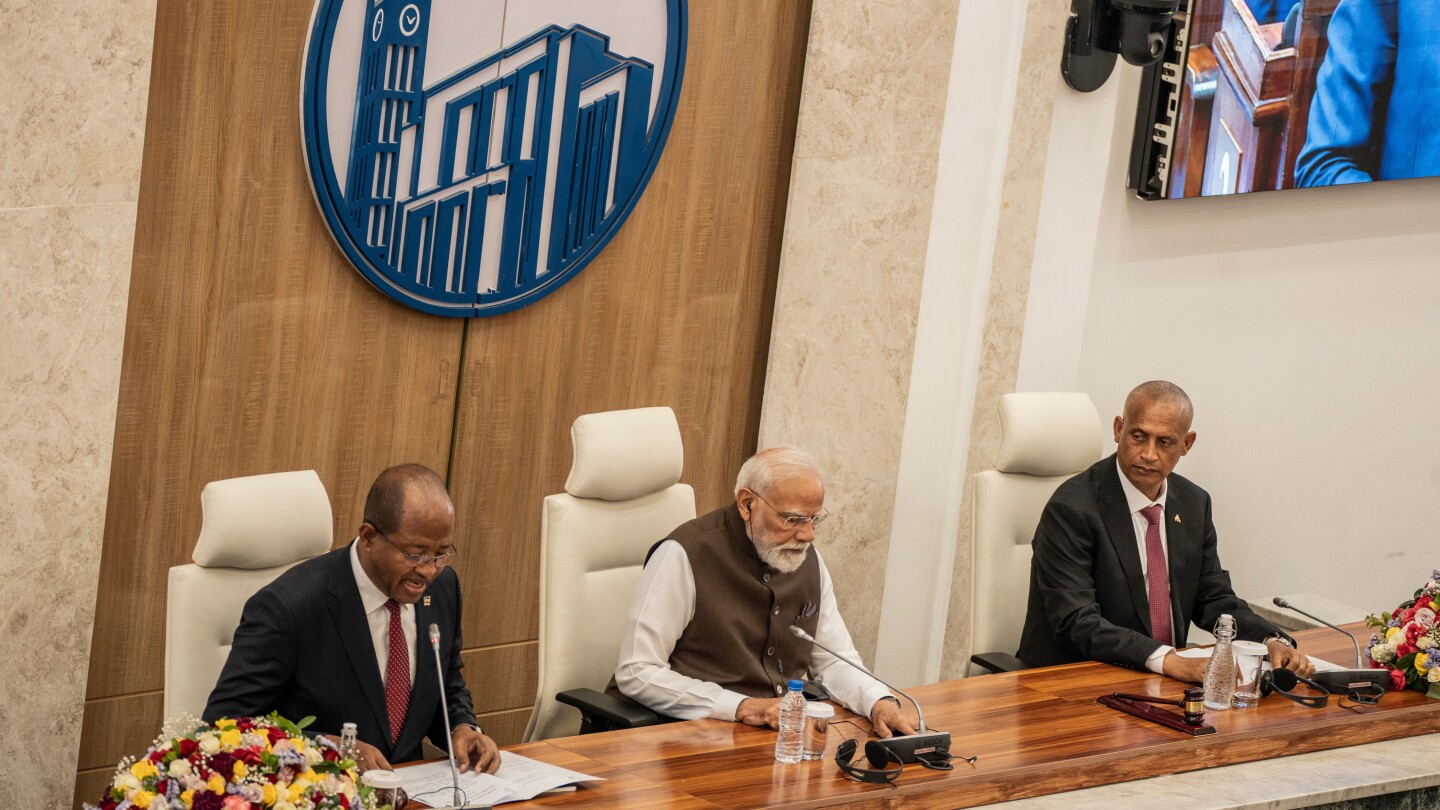
    ADDIS ABABA, Ethiopia — Indian Prime Minister Narendra Modi articulated a compelling vision for South-South cooperation during his landmark visit to Ethiopia on Wednesday, marking the first-ever trip by an Indian head of government to the African nation. Addressing Ethiopian parliamentarians in a special session, Modi emphasized the shared destiny of developing nations in reshaping global dynamics.

    “The Global South is actively scripting its own future, with India and Ethiopia united in this transformative vision,” declared the Prime Minister. “We envision a world where emerging nations advance not in opposition to others, but for the benefit of all—a world characterized by equitable development, accessible technology, and respected sovereignty.”

    The bilateral engagement yielded substantial agreements as both nations signed multiple memorandums of understanding covering diverse sectors. The partnership will encompass specialized training for United Nations peacekeeping forces, educational collaboration, and the establishment of a sophisticated data center within Ethiopia’s Ministry of Foreign Affairs infrastructure.

    Significantly, India committed to supporting Ethiopia’s navigation of its substantial international debt burden through the G20 Common Framework mechanism while pledging enhanced cooperation in counterterrorism efforts. The visit was further distinguished by Prime Minister Modi receiving Ethiopia’s highest civilian honor, the “Great Honor Nishan Ethiopia,” presented by Ethiopian Prime Minister Abiy Ahmed—marking the first time a foreign head of state has been accorded this recognition.

    This diplomatic advancement occurs against the backdrop of Ethiopia’s strategic reorientation following its 2022 admission as a full member of the BRICS coalition, which includes nations such as Iran and Egypt. This membership represents part of Ethiopia’s broader strategy to cultivate new international partnerships after emerging from a devastating two-year civil conflict in the Tigray region.

    The timing of strengthened India-Ethiopia relations coincides with deteriorating ties between Ethiopia and the United States. Washington suspended Ethiopia’s preferential trade access to American markets in 2022—a move that significantly impacted the country’s economic trajectory—and recently terminated humanitarian assistance programs following the cancellation of USAID-funded initiatives.

    Beyond governmental cooperation, India maintains substantial people-to-connections with Ethiopia, serving as a preferred destination for medical tourism and higher education among Ethiopians seeking quality services at accessible costs that remain challenging to obtain domestically.

  • Five of the greatest players never to win Afcon

    Five of the greatest players never to win Afcon

    As Mohamed Salah prepares for his fifth attempt at Africa Cup of Nations glory with Egypt in Morocco, the Liverpool superstar finds himself among an exclusive group of African football legends who never captured the continent’s most prestigious trophy. Despite his remarkable club success and individual accolades, the Nations Cup title remains the missing piece in Salah’s illustrious career.

    The Egyptian captain has experienced repeated heartbreak in the tournament since his 2011 international debut. Egypt’s most successful nation with seven titles has endured a drought since 2010, with Salah suffering final defeats in 2017 (against Cameroon) and 2021 (against Senegal), where he was denied even taking a penalty in the shootout. His campaigns have been marred by unexpected eliminations and injuries, most notably in 2023 when he watched from the sidelines as DR Congo eliminated his team.

    Salah joins a distinguished list of African greats who never lifted the trophy. Didier Drogba, despite his legendary status at Chelsea and nine goals in ten major finals for the Blues, twice captained Ivory Coast to final defeats in 2006 and 2012. His penalty misfires proved particularly costly, with missed opportunities in both championship matches.

    George Weah, the only African Ballon d’Or winner (1995), could not translate his individual brilliance into team success with Liberia. The nation made only two tournament appearances during his career, failing to advance from the group stage on both occasions despite Weah’s leadership.

    Nwankwo Kanu, the Nigerian maestro who won Champions League and UEFA Cup honors, experienced his Nations Cup nadir in the 2000 final against Cameroon. His missed penalty in the shootout denied Nigeria the title, and despite multiple semi-final appearances, the trophy remained beyond his reach.

    Michael Essien, Ghana’s midfield dynamo who won numerous trophies with Chelsea, never progressed beyond the semi-finals with the Black Stars. Injuries hampered several of his campaigns, including the 2010 tournament where he missed Ghana’s final defeat to Egypt.

    These stories highlight the unique challenge of international tournament football, where individual brilliance doesn’t always guarantee team success. As Salah mounts his latest attempt in Morocco, he carries not only Egypt’s hopes but also the legacy of these great players who never achieved Nations Cup glory.