标签: Africa

非洲

  • Dubai Metro to extend operating hours on February 1, RTA announces

    Dubai Metro to extend operating hours on February 1, RTA announces

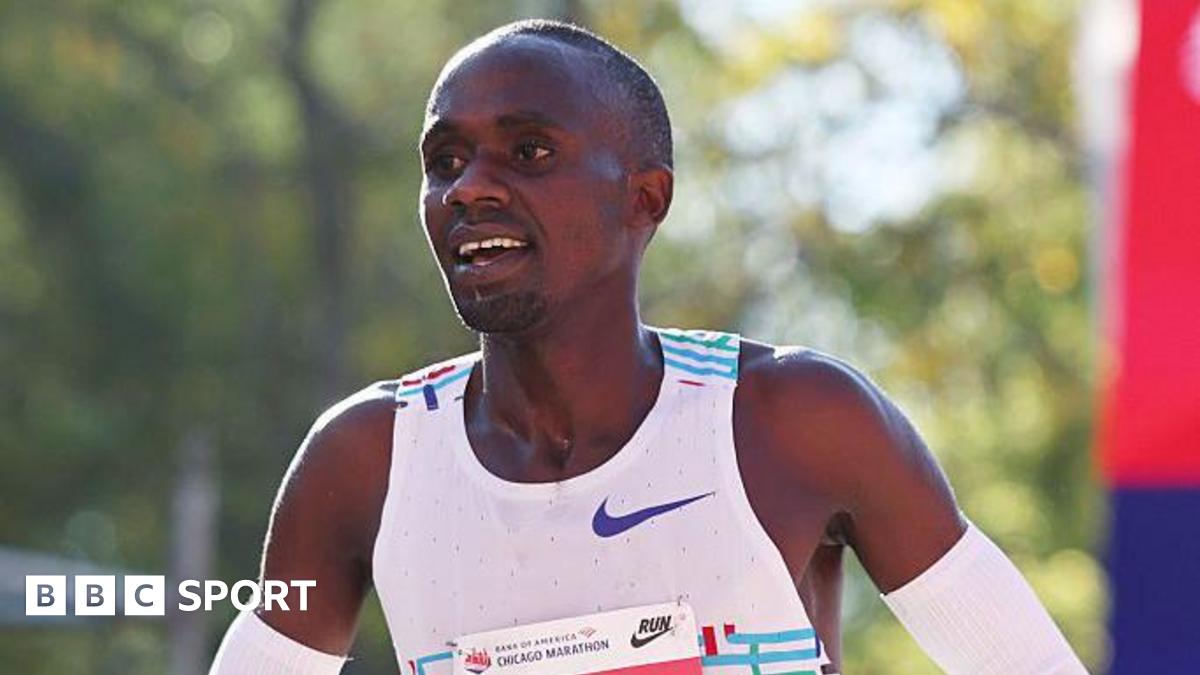
    Dubai’s Roads and Transport Authority (RTA) has announced a significant adjustment to metro operating hours in preparation for the upcoming Dubai Marathon 2026. Instead of the standard Sunday opening time of 8:00 AM, metro services will commence operations at 5:00 AM on February 1, 2026, maintaining service until midnight to accommodate the anticipated influx of participants and spectators.

    The temporary schedule modification represents a strategic response to the transportation demands created by one of Dubai’s premier sporting events. The extended hours will provide enhanced accessibility for marathon attendees while demonstrating the RTA’s commitment to supporting major city events through flexible public transportation solutions.

    This operational adjustment follows the authority’s ongoing efforts to optimize Dubai’s transit network, which recently included public awareness campaigns promoting metro etiquette and the development of station infrastructure projects. The early morning start time particularly addresses the logistical needs of marathon participants requiring transportation to event starting points before dawn.

    Regular Sunday metro service typically begins at 8:00 AM and continues until midnight. The RTA’s proactive announcement allows residents and visitors to plan their travel arrangements accordingly for the event day, ensuring smooth transit operations throughout the marathon proceedings.

  • Al Habtoor Motors launches Mitsubishi Destinator 7-seater SUV in the UAE

    Al Habtoor Motors launches Mitsubishi Destinator 7-seater SUV in the UAE

    Al Habtoor Motors, the exclusive UAE distributor for Mitsubishi Motors, has officially launched the all-new Mitsubishi Destinator SUV in the Emirates. The vehicle made its inaugural appearance at a dedicated launch event held at the Al Joud Ballroom within Dubai’s Hilton Al Habtoor City.

    Positioned as a mid-size seven-seater SUV, the Destinator represents a strategic expansion within Mitsubishi’s vehicle lineup. It is engineered specifically to address the growing consumer shift in the UAE automotive market toward vehicles that seamlessly blend urban sophistication with weekend adventure capability.

    Design and Engineering
    The Destinator’s exterior is built upon a design philosophy termed “Gravitas & Dynamism,” aiming to project both a stable, commanding presence and an energetic profile. Its front fascia is dominated by the evolved “Dynamic Shield” grille, which integrates strong horizontal and vertical elements. This is complemented by an innovative honeycomb-patterned inner grille set beneath a transparent acrylic surface. The rear design draws from Mitsubishi’s heritage, featuring the “Hexaguard Horizon” concept. Rugged styling cues are emphasized by pronounced front and rear skid plates, 18-inch wheels, and distinctive T-shaped LED lighting.

    Performance and Capability
    Under the hood, the SUV is powered by a high-efficiency 1.5-litre MIVEC Turbo engine, designed to deliver responsive performance and robust torque. This is paired with a Continuously Variable Transmission (CVT) tuned for smooth power delivery across diverse driving conditions. A key feature for regional adaptability is the inclusion of five selectable drive modes: NORMAL, GRAVEL, TARMAC, WET, and MUD. With a class-leading ground clearance of 214 millimeters and optimized approach, break-over, and departure angles, the Destinator is positioned as a confident performer on both city roads and varied terrain.

    Interior and Technology
    The cabin is crafted as a spacious, high-quality environment focused on family comfort and shared experiences. It is equipped with a monolithic display integrating a 12.3-inch Smartphone-link Display Audio (SDA) system and an 8-inch Digital Driver Display, offering standard Apple CarPlay and Android Auto connectivity. A notable first for Mitsubishi is the inclusion of a 64-colour ambient lighting system, controllable via the central screen. Premium comfort is further enhanced by a panoramic sunroof, dual-zone automatic climate control, and a bespoke console tray with wireless charging.
    For acoustic excellence, the vehicle features a Dynamic Sound Yamaha Premium audio system with an eight-speaker setup, fine-tuned by a Yamaha “sound meister” and offering four optimized sound modes. Practicality is addressed with generous storage solutions, including seatback tables, multiple USB ports (Type A and C) for all three rows, and significant cargo capacity that remains functional even with all seven seats in use.

    Market Positioning and Availability
    Ahmed Khalaf Al Habtoor, CEO of Al Habtoor Motors, stated that the Destinator’s launch responds to a clear market evolution. He highlighted increasing customer demand for mid-size SUVs that deliver advanced technology, genuine space, and everyday versatility without the compromises of larger vehicles. The Destinator is now available at Al Habtoor Motors showrooms across the UAE, offered in a palette of six monotone exterior colours including Quartz White Pearl, Blade Silver Metallic, and Lunar Blue Mica.

  • UAE-based founder launches tech platform focused on access over ownership

    UAE-based founder launches tech platform focused on access over ownership

    A new technology platform emerging from the United Arab Emirates is challenging traditional consumption models by prioritizing access over ownership. Life4Rent, founded by UAE entrepreneur Dr. Hamza Mohammed, has launched a peer-to-peer rental service that enables community members to monetize underutilized possessions while providing neighbors with temporary access to everyday items.

    The platform capitalizes on evolving consumer behaviors and the UAE’s advanced digital infrastructure, which collectively create an ideal environment for access-based business models. With rising living costs and increasing urban density, residents are seeking more flexible alternatives to outright ownership of infrequently used items.

    Life4Rent distinguishes itself by focusing on practical, everyday assets rather than commercial-scale rentals. The platform facilitates local sharing of tools, equipment, and lifestyle items that typically remain idle for extended periods. This approach not only generates supplemental income for owners but also provides renters with cost-effective access to necessities without long-term commitments.

    Dr. Mohammed explained the platform’s rationale: “Globally, valuable assets sit idle while others face the burden of purchasing items for temporary use. Our technology creates a secure, trustworthy environment for this exchange, eliminating unnecessary expenditure and reducing waste.”

    The service holds particular significance for the UAE’s growing freelance and small business community, offering a structured system for resource sharing within local neighborhoods. The platform’s design emphasizes user-friendly interfaces, transparent listing processes, and integrated communication tools to build confidence among participants.

    Beyond economic benefits, Life4Rent aligns with sustainability objectives by promoting circular economy principles. Shared usage extends product lifecycles and reduces unnecessary consumption, addressing environmental concerns while meeting practical needs.

    Although conceived with global scalability, the platform incorporates regional insights from the UAE’s innovation ecosystem. Its development reflects the practical realities of modern urban living rather than abstract trends.

    Currently accessible via web application, Life4Rent plans to expand to mobile platforms with upcoming releases on Google Play and Apple App Store. The platform represents a growing shift toward access-led consumption models that redefine community resource sharing in increasingly digital societies.

  • South Africa expels Israeli envoy over ‘violations of diplomatic norms’

    South Africa expels Israeli envoy over ‘violations of diplomatic norms’

    South Africa has declared Israeli chargé d’affaires Ariel Seidman persona non grata, ordering his expulsion within 72 hours for multiple violations of diplomatic protocols. The diplomatic rupture comes amid deteriorating relations between the two nations following South Africa’s genocide case against Israel at the International Court of Justice.

    According to South Africa’s foreign ministry, Seidman committed serious breaches of diplomatic norms, including using official social media channels to launch personal attacks against President Cyril Ramaphosa and arranging unauthorized visits by Israeli officials. The ministry characterized these actions as “a gross abuse of diplomatic privilege” that warranted immediate diplomatic consequences.

    The current diplomatic crisis stems from South Africa’s unprecedented move to bring genocide charges against Israel at the UN’s highest court regarding its military operations in Gaza. Israel has vehemently denied these allegations, calling them baseless and politically motivated.

    Seidman, who assumed his position last year, held diplomatic responsibilities extending beyond South Africa to several neighboring nations including Eswatini, Lesotho, Madagascar, Mauritius, and Namibia. Israel currently maintains no ambassadorial representation in South Africa, further complicating bilateral communications.

    The BBC’s attempts to obtain commentary from the Israeli embassy in Pretoria have thus far gone unanswered. This development represents one of the most significant diplomatic confrontations between the two nations in recent history, reflecting the deepening divide over Israel’s military actions in Palestinian territories.

  • South Africa declares Israel’s deputy ambassador persona non grata, orders him to leave country

    South Africa declares Israel’s deputy ambassador persona non grata, orders him to leave country

    CAPE TOWN, South Africa — In a significant deterioration of bilateral relations, South Africa has declared Israeli charge d’affaires Ariel Seidman persona non grata, demanding his departure within 72 hours. The expulsion order, announced Friday by the South African Foreign Ministry, follows what officials describe as systematic violations of diplomatic protocols by Israeli representatives.

    The diplomatic rupture stems from multiple grievances, including repeated inflammatory social media posts from official Israeli accounts that targeted South African President Cyril Ramaphosa with perceived insults. Additionally, South African authorities cited Israel’s deliberate failure to notify them of official visits by Israeli delegations, characterizing these actions as unacceptable breaches of established diplomatic norms.

    Seidman represents the most senior Israeli diplomatic presence in South Africa since Israel recalled its ambassador in 2023. The current escalation occurs against the backdrop of South Africa’s genocide case against Israel at the International Court of Justice, where Pretoria has accused Israel of committing genocide against Palestinians in Gaza—allegations Israel vehemently denies.

    The expulsion decision is anticipated to provoke strong reactions from the United States, Israel’s primary ally. Previous administrations have criticized South Africa’s foreign policy orientation, particularly regarding its support for the Palestinian cause, which has previously created diplomatic tensions with Washington.

  • How financial centres can reimagine the global dynamics of finance?

    How financial centres can reimagine the global dynamics of finance?

    Global financial centers are undergoing a fundamental transformation as they confront the limitations of aging infrastructure in an era of digital assets, AI innovation, and continuous operational demands. Historically, these hubs have driven remarkable economic growth—economies with international financial centers have achieved 3.3% annual per capita growth since the 1980s, significantly outpacing the global average of 1.4%. Yet their physical environments have largely remained static while the ecosystem of occupants has dramatically evolved.

    Today’s financial districts host not only traditional institutions but technology firms, data-intensive businesses, regulatory specialists, and AI-driven startups operating beyond cyclical patterns. This new reality demands infrastructure that supports closer coordination between regulators and firms across disciplines including FinTech, RegTech, data analytics, and artificial intelligence.

    The challenge extends beyond physical space to talent retention. Senior professionals and technologists now evaluate locations through a practical lens that considers commute times, housing options, and lifestyle amenities alongside professional networking opportunities. Single-use office zones are increasingly giving way to mixed-use environments that integrate residential space, education, hospitality, and public amenities to support round-the-clock activity.

    Dubai International Financial Centre (DIFC) exemplifies this evolution with its expansion into Zabeel District. Rather than creating a disconnected satellite, DIFC is developing a physically contiguous extension designed as a polycentric hub that maintains governance consistency while absorbing future demand. This strategic approach addresses the critical need for infrastructure, governance, and connectivity to scale together—preserving the proximity between institutions that fosters innovation and institutional trust.

    The Zabeel District represents a structural response to growth challenges, positioning DIFC as a regional driver of global finance’s next era. By implementing an integrated masterplan, the expansion supports emerging areas like advanced technology and AI within the same operational environment that made DIFC successful. This model demonstrates how mature financial centers must adapt to remain functional at scale while preserving their competitive advantages.

    As urban populations are projected to exceed two-thirds of humanity by 2050, the success of financial districts will increasingly depend on their ability to sustain density through thoughtful design of streets, public spaces, and pedestrian connections. For investors, mixed-use developments offer diversified income and long-term growth potential despite the challenges of capital investment, land acquisition, and regulatory navigation.

    The transformation underway at DIFC underscores a broader shift in global finance: competitiveness will be determined by whether districts can maintain operational effectiveness, governance coherence, and talent retention as they grow. Zabeel District represents not merely a real estate project but a strategic blueprint for reimagining finance’s global dynamics through integrated, future-ready design.

  • Burkina Faso junta announces ban on all political parties

    Burkina Faso junta announces ban on all political parties

    Burkina Faso’s military regime has formally outlawed all political organizations in a decisive consolidation of power, marking the most significant authoritarian shift since Captain Ibrahim Traoré’s 2022 coup. Interior Minister Emile Zerbo declared the comprehensive ban as part of broader state reconstruction efforts, citing what authorities describe as systemic abuses within the nation’s multiparty framework.

    The junta administration contends that political parties have exacerbated societal divisions and undermined national cohesion through their operations. This sweeping prohibition extends beyond previous restrictions on public assemblies to completely eliminate party operations across the territory. According to the decree, all assets belonging to the dissolved political entities will be transferred to state ownership.

    A formal draft legislation enacting these measures will be presented to the Transitional Legislative Assembly imminently. Before the military takeover, Burkina Faso’s political landscape featured over 100 registered parties, with 15 holding parliamentary seats following the 2020 general elections.

    Captain Traoré, who seized power from Paul-Henri Sandaogo Damiba in September 2022, had initially committed to restoring civilian governance by July 2024. However, the junta recently announced a five-year extension to military rule, just two months prior to the promised transition deadline.

    Despite international criticism of his authoritarian methods, the 37-year-old leader has garnered substantial popularity across Africa for his pan-Africanist ideology and vocal opposition to Western influence. Burkina Faso joins several West African nations experiencing military takeovers in recent years, raising profound concerns about regional democratic stability and governance patterns.

  • Ethiopia’s national carrier cancels flights to Tigray region as fears grow of renewed fighting

    Ethiopia’s national carrier cancels flights to Tigray region as fears grow of renewed fighting

    Ethiopian Airlines has abruptly suspended all flights to and from the northern Tigray region, citing “unplanned circumstances” as tensions escalate between federal forces and Tigrayan authorities. The cancellation, now extending into its second day, signals deteriorating security conditions with reports of drone surveillance and military movements in western and southern Tigray.

    Anonymous security officials confirm the flight suspensions are directly linked to renewed hostilities, triggering civilian exodus attempts by road. In Mekele, Tigray’s capital, transportation services face overwhelming demand with bus bookings to Addis Ababa completely full until next Tuesday. Residents report forming extensive queues at banks and ATMs, many of which have exhausted their cash reserves, as panic buying intensifies.

    This crisis emerges just three years after the landmark 2022 peace agreement that ended a devastating two-year civil war claiming hundreds of thousands of lives. Both sides now accuse each other of violating the truce—Tigray leaders cite federal government drone strikes while Ethiopia alleges Eritrean mobilization of armed groups along their shared border.

    The geopolitical landscape has shifted dramatically since the previous conflict. Peace and conflict experts note the potential formation of a strategic alliance between Tigray’s ruling party (TPLF) and Eritrean President Isaias Afwerki, which could fundamentally alter regional dynamics. Unlike the 2020-2022 war where Tigray was encircled by hostile forces, this configuration might provide Tigray with open supply lines and military support from Eritrea.

    The escalating situation occurs against broader regional tensions regarding sea access. Ethiopian Prime Minister Abiy Ahmed, who previously won the Nobel Peace Prize for reconciling with Eritrea, has recently adopted assertive rhetoric about securing Red Sea access—comments perceived as provocative by neighboring nations. With Ethiopia currently dependent on Djibouti’s ports amid high fees, and Eritrea accusing Ethiopia of harboring “war agendas” targeting its ports, the region faces compounded instability.

  • Niger’s junta leader accuses France, Benin and Ivory Coast of being behind airport attack

    Niger’s junta leader accuses France, Benin and Ivory Coast of being behind airport attack

    NIAMEY, Niger — Niger’s military leadership has leveled explosive allegations against the presidents of France and two West African nations, claiming they sponsored armed militants who launched a brazen assault on a strategic air force base in the capital. The attack early Thursday resulted in four soldiers wounded and significant damage to military aircraft.

    General Abdourahamane Tchiani, Niger’s military ruler, delivered a fiery address on state television Thursday evening, directly implicating French President Emmanuel Macron, Benin’s President Patrice Talon, and Ivorian President Alassane Ouattara in supporting the mercenary operation. “We have sufficiently heard them bark, and they should now in turn be prepared to hear us roar,” Tchiani declared, though he presented no concrete evidence to substantiate his claims.

    The assault targeted the Diori Hamani International Airport complex in Niamey, a strategically critical installation housing military bases, the headquarters of the Niger-Burkina Faso-Mali Joint Force, and substantial uranium reserves currently at the center of a diplomatic dispute with French nuclear conglomerate Orano. Security footage from the scene captured intense explosions that illuminated the night sky during the two-hour firefight that began around midnight.

    Nigerien defense forces responded with decisive force, neutralizing 20 attackers and capturing 11 others according to official reports. State television additionally claimed one slain assailant was a French national, displaying graphic footage of bloodied bodies at the scene, though verification remained impossible.

    The attack damaged an Air Côte d’Ivoire aircraft parked on the tarmac, with projectiles striking both the fuselage and right wing. No armed group has claimed responsibility for the assault, which occurs amid deteriorating security conditions across Africa’s Sahel region.

    This incident exacerbates already strained relations between Niger’s military junta and former Western allies. Since seizing power in 2023, Niger’s leadership—along with neighboring Mali and Burkina Faso—has severed security ties with France and other Western nations while increasingly embracing Russian military support. The juntas regularly accuse Benin and Ivory Coast, both maintaining close French relations, of acting as proxies for Paris.

    Security analysts note that jihadist violence has intensified dramatically across the Sahel since 2025, with al-Qaida and Islamic State-affiliated militants exploiting the political instability created by military takeovers in Niger, Mali, and Burkina Faso. These nations have experienced worsening security conditions under military rule despite their rhetoric of strengthened sovereignty.

  • Uganda’s army chief accuses US Embassy officials of aiding opposition figure who went into hiding

    Uganda’s army chief accuses US Embassy officials of aiding opposition figure who went into hiding

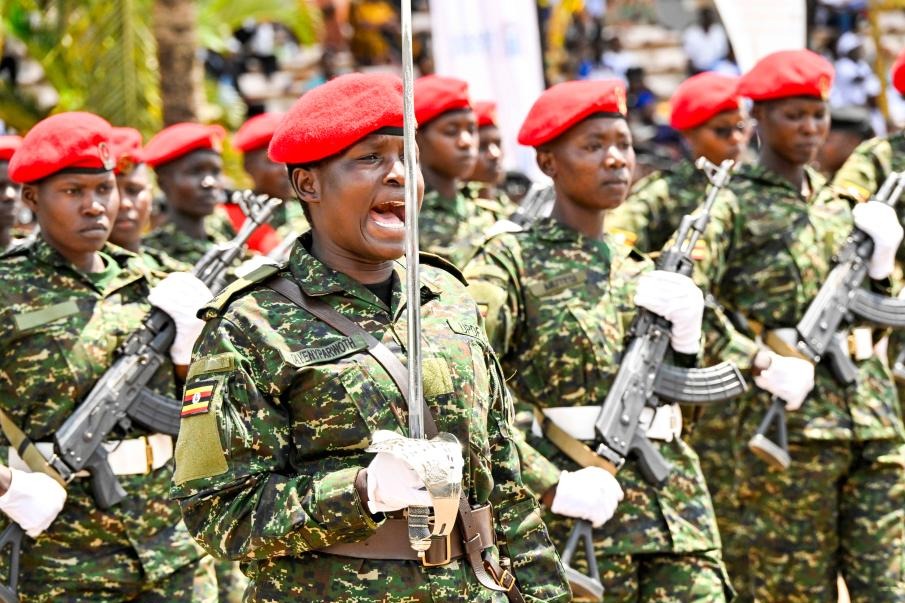
    Uganda’s military leadership has ignited a significant diplomatic controversy by alleging that U.S. Embassy officials assisted opposition figure Bobi Wine in evading capture following the country’s contentious presidential election. General Muhoozi Kainerugaba, who serves as both army chief and presumed political successor to President Yoweri Museveni, made explosive claims via social media platform X that American diplomats had coordinated with Wine to undermine Uganda’s national security.

    The general asserted, based on unspecified intelligence sources, that Wine orchestrated his own disappearance in collaboration with U.S. officials—accusations he subsequently retracted by deleting the posts. Wine, whose legal name is Kyagulanyi Ssentamu, has been circulating videos from various locations across Uganda, demonstrating his ability to evade security forces while criticizing what he describes as systemic injustice.

    This confrontation escalated dramatically when Kainerugaba declared Wine ‘wanted dead or alive,’ employing a derogatory variation of the opposition leader’s name and warning that foreign powers attempting to assist his escape would face severe diplomatic consequences. The military commander additionally claimed responsibility for a recent raid on Wine’s residence, though he denied allegations that soldiers assaulted Wine’s wife during the operation.

    Official election results show Museveni securing 71.6% of the vote compared to Wine’s 24.7%, granting the 81-year-old president a seventh term extending his four-decade rule. Wine has rejected these results as fraudulent while his supporters point to his continued evasion as evidence of government weakness. Hundreds of Wine’s supporters have been detained according to police reports, with one of his deputies facing terrorism charges related to election violence.

    The United States Embassy in Kampala has maintained silence regarding these allegations, while the Ugandan government has yet to specify formal charges against the opposition leader. This developing situation reflects deepening political divisions and growing international concern about democratic processes in the East African nation.