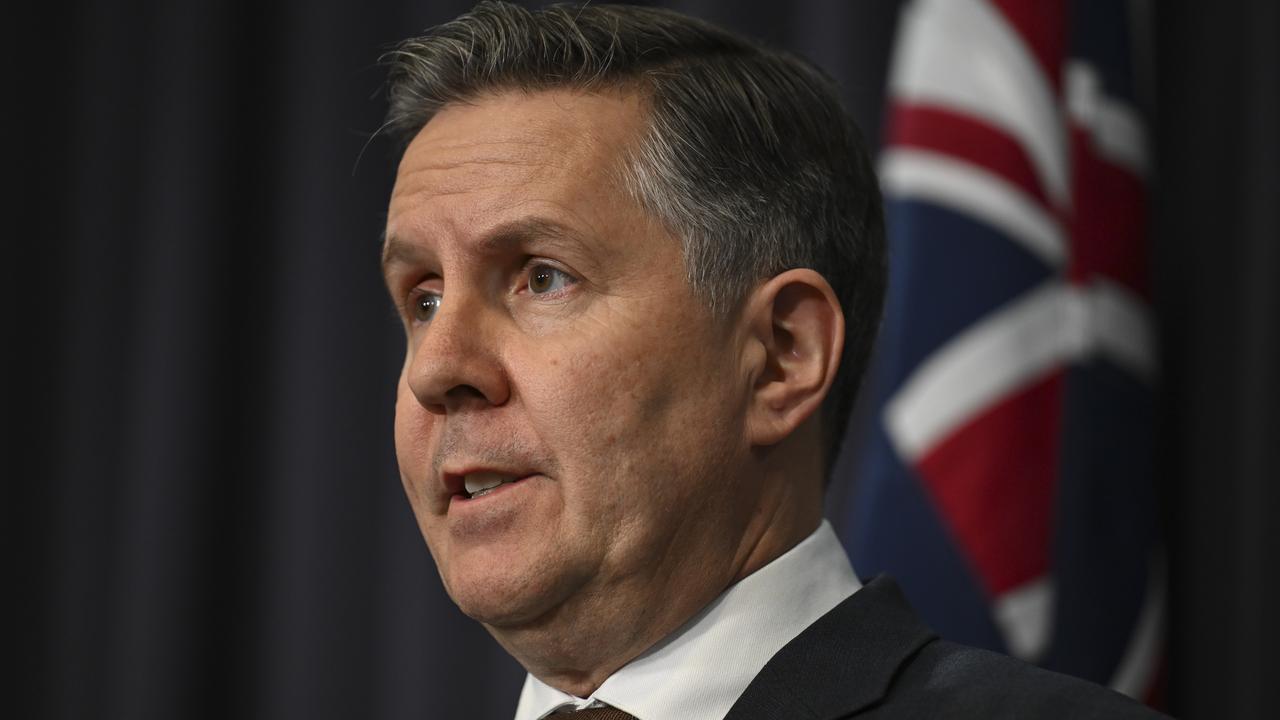
A fierce political clash has erupted over the Albanese government’s sweeping planned changes to Australia’s National Disability Insurance Scheme (NDIS), with state and territory governments launching an extraordinary rebuke of proposals that would remove an estimated 160,000 participants from the scheme to cut billions in spending. The federal government’s legislative package, which aims to slash $35 billion in long-term expenditure by tightening provider requirements and shifting almost 200,000 people off NDIS rolls, has already cleared the lower house of parliament. It now faces a Senate vote following a ongoing parliamentary inquiry, and will require crossbench support from either the Coalition — which has signaled tentative backing for reform — or the Greens to pass. In their formal submission to the inquiry, state and territory health ministers acknowledge that the NDIS, which has ballooned since its launch, faces urgent systemic pressures: prior reviews have documented widespread financial strain, market distortion, rising fraud, and a gradual drift away from the scheme’s original core purpose. Ministers agree that targeted reform is necessary to keep the NDIS effective, participant-centered, and financially sustainable — but they argue the federal government’s current approach is disproportionate, rushed, and poorly coordinated. Critically, the subnational governments stress they never agreed to take on funding responsibility for the 160,000 people set to be removed from NDIS, including participants shifted to off-scheme foundational support programs such as Thriving Kids, which serves children with mild to moderate autism. “While elements of the proposed reforms have the potential to deliver improved outcomes, the Bill in its current form risks undermining the original intent of the NDIS,” the ministers wrote in their submission. They warn that the government’s laser focus on rapid expenditure cuts, paired with a lack of clear planning for a broader disability support ecosystem and insufficient consultation with subnational governments, creates a severe risk of fragmented, chaotic service delivery. Without a coordinated, carefully phased approach that integrates these changes with broader improvements to the national disability support system, the ministers argue, many people with disability could end up in inappropriate care settings such as hospitals, or lose access to critical support entirely. To address these gaps, the state and territory governments have put forward two key amendments: first, that the most fiscally impactful components of the bill can only proceed if they are agreed to by all states and territories; second, that the NDIS Act be updated to include a formal “Category A rule-making power” for outlining alternative support arrangements, and that the federal government clarify future NDIS pricing frameworks. The ministers note these recommendations align with agreements reached during a January meeting with federal officials, and that their submission focuses only on the most contentious section of the legislation, Schedule 1, with more concerns potentially to come. Another major flashpoint is the consolidation of extensive decision-making power in federal Health Minister Mark Butler, the submission argues. The proposed changes would allow Butler to enact long-lasting modifications to the scheme without adequate safeguards, parliamentary scrutiny, or agreement from state and territory co-governors. Specifically, the reforms would let the minister set binding caps, limits, or funding ratios for support categories and make broad changes to individual participant budgets via a simple determination, with no clear rules around how the powers would be applied, whether they would apply across the entire scheme, or which participants would be exempt. “This is a significant power with limited safeguards, and there is insufficient clarity about how these changes would operate in practice,” the submission reads. Amid growing cross-party and advocacy pushback, Butler has defended the government’s reform plan, telling reporters the government is monitoring the inquiry and reviewing thousands of public submissions closely, and will not make final adjustments until the inquiry concludes. He stressed that the government’s plan was carefully developed to put the NDIS back on a sustainable long-term footing, while still keeping people with disability at the center of the scheme. The inquiry has already heard damning testimony from disability advocates and NDIS participants, who have repeatedly urged parliament to reject the reforms in their current form.