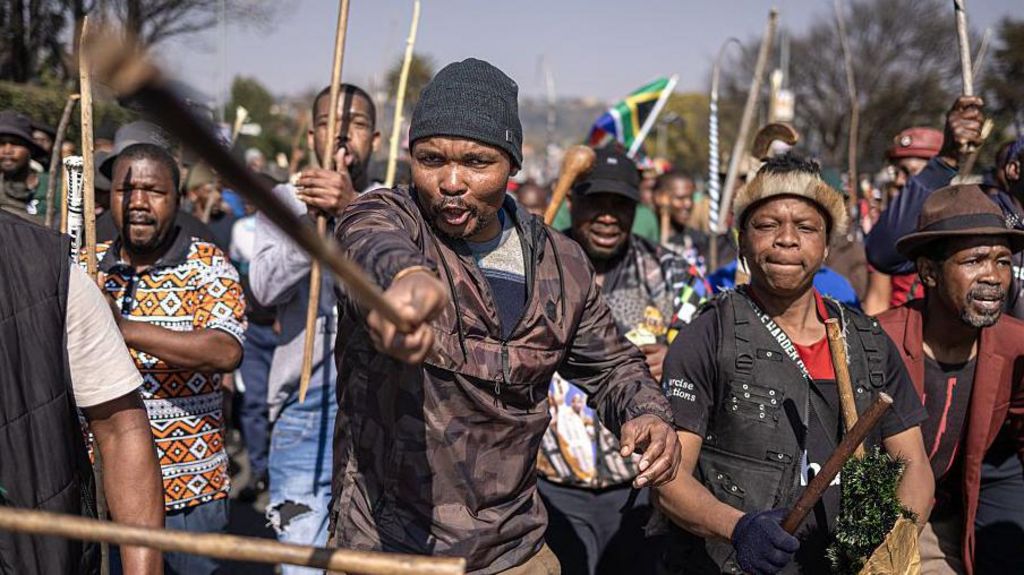
Five weeks into a national migration management operation, South Africa has confirmed that more than 53,000 undocumented foreign nationals have been deported or repatriated, in one of the broadest crackdowns on irregular migration in the country in recent years. The operation was triggered by weeks of large-scale anti-immigration protests that have been marked by sporadic violence, targeted intimidation, and widespread looting of migrant-owned properties.
Protesters across the country have poured into streets demanding tightened border security and mass expulsions, blaming undocumented migrants for South Africa’s persistent socioeconomic crises: sky-high national unemployment, surging violent crime, and the steady breakdown of core public services from healthcare to education. Demonstrators set an unofficial 30 June deadline for all irregular migrants to self-deport, a threat that has already pushed thousands of foreign residents to flee the country to avoid rising hostility. Multiple African nations including Ghana, Nigeria, Uganda and Kenya have organized emergency repatriation flights to bring their vulnerable citizens home in recent weeks.
Anti-migration activists have not softened their demands, threatening to hold weekly demonstrations until the government clears all undocumented migrants from the country. Observers and global bodies have raised growing alarms that the unrest could escalate into broader, more widespread violence against foreign communities.
Justice and Constitutional Development Minister Mmamoloko Kubayi officially confirmed the deportation figures in a Pretoria press conference Sunday, noting that the vast majority of those repatriated are from three neighboring Southern African states: Malawi, Zimbabwe, and Mozambique. She added that the count will continue to climb as immigration enforcement operations proceed across the country.
Kubayi emphasized that the government’s campaign aims to establish orderly, regulated migration that addresses public anxieties while upholding international human rights standards and preserving the dignity of all people within South Africa’s borders, regardless of their citizenship or immigration status. She also confirmed that the deportation operation has assisted law enforcement in apprehending individuals wanted on criminal charges, a secondary win for national security.
Going forward, Kubayi said authorities will continue to enforce the country’s existing immigration laws, but issued a sharp warning to protesters: vigilante actions including unauthorised searches of private homes and businesses suspected of housing undocumented migrants violate the law and will not be tolerated. President Cyril Ramaphosa has echoed this stance, acknowledging that the public has legitimate concerns about unregulated migration but explicitly condemning targeted attacks on migrant communities and warning citizens against taking enforcement into their own hands.
As the most economically developed nation on the African continent, South Africa has long drawn migrants from across the region seeking improved employment prospects and higher living standards. A portion of these migrants cross the border without formal authorization, a reality that has fueled long-running public resentment that boiled over into open protest in recent months. The United Nations has previously spoken out against the crackdown, warning South African leaders against scapegoating migrants for the country’s deep-rooted socioeconomic challenges.