A sharp, unprecedented rise in harmful substance use across Israel has been documented by leading mental health researchers, linking the growing public health crisis to the cumulative psychological toll of ongoing military conflict in Gaza and escalating instability across the Middle East. Data published in Israeli outlet Haaretz, drawn from analysis by the Israeli Centre for Addiction and Mental Health, reveals that one in four Israelis now engage in harmful substance misuse — a figure that has more than doubled since before the COVID-19 pandemic.
Pre-pandemic, the national rate of problematic substance use sat at just 10% (one in 10 Israelis). That figure climbed to 14% (one in seven) during the height of global pandemic-related lockdowns and uncertainty, before spiking dramatically to 25% in the months following October 2023, when Israel launched its large-scale military campaign in Gaza in response to attacks led by Hamas.
The research breaks down the specific shifts in substance consumption: use of prescription sedatives has increased 250% compared to pre-conflict levels, while consumption of opiates and stimulants has nearly doubled. Rates of harmful alcohol and cannabis use have also ticked upward across all demographic groups. For Israelis living with post-traumatic stress disorder (PTSD) linked to ongoing conflict, the rate of problematic substance misuse now reaches 54.2%, highlighting the deep intersection of trauma and addiction in the current crisis.
Prof. Shauli Lev-Ran, founder of the Israeli Centre for Addiction and Mental Health, explained that repeated waves of national crisis have cemented harmful coping habits that formed during periods of extreme stress. “The more stress there is, the more people use,” Lev-Ran told Haaretz, adding a critical warning that these addictive patterns often persist long after periods of immediate crisis abate.
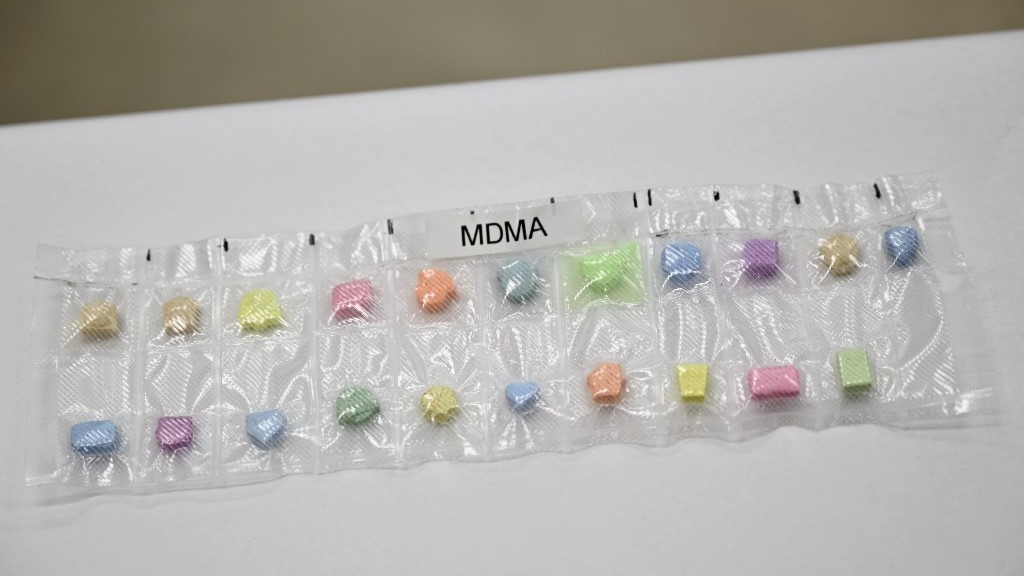
Firsthand accounts from people who use substances across the country paint a stark picture of how conflict has normalized drug use as a coping mechanism for daily uncertainty. Many report relying on ketamine, cocaine, amphetamines, cannabis, and prescription sedatives to navigate repeated missile alerts, attend funerals of conflict victims, cope with military mobilization of loved ones, and process a constant stream of violent death reporting.
One Israeli man described his drug use escalating in lockstep with the expansion of Israel’s regional military campaigns, explaining that substances helped him create emotional distance from “all the blood and death” dominating news cycles. Another account noted that mourners have used amphetamines to get through funerals held for conflict victims since October 2023. Other residents report using ketamine before entering bomb shelters to manage extreme anxiety, while working adults turn to stimulants to maintain productivity despite chronic sleeplessness and stress.
This rise in misuse is not limited to informal nightlife settings: interviewees described open substance use taking place in private homes, office workplaces, neighborhood bars, and public bomb shelters. Widespread access to encrypted messaging apps and anonymous digital payment platforms has also made it easier than ever for Israelis to obtain controlled substances, removing barriers that previously limited access.
Dr. Roy Zucker, a clinician working in drug harm reduction, notes that the changing nature of substance use has created new risks for public health: more than 80% of drug-related emergency department cases now involve polysubstance use, a dangerous mix of multiple different drugs that increases the risk of fatal overdose and severe medical complications compared to single-substance use.
The crisis also extends to Palestinian citizens of Israel, who face the compounded trauma of witnessing the destruction of Gaza while coping with growing systemic repression within Israel’s borders. Many Palestinian residents report turning to substances to cope after the trauma of seeing massacres of Palestinians in Gaza, with limited access to affordable or accessible mental health treatment leaving few alternative coping options. One Palestinian citizen described whole communities “falling apart” in the wake of the Gaza campaign, with substance use becoming a default for many struggling with unaddressed trauma.
Lev-Ran warned that without targeted intervention, the public health crisis will only deepen as long as conflict and permanent national alert continue. Prolonged cycles of violence, he explained, make it impossible for people to reset and return to normal daily life, as just one crisis begins to ease another attack, military mobilization, or regional escalation begins.
This reporting is from independent outlet Middle East Eye, which provides dedicated, unrivaled coverage of the Middle East and North Africa region.