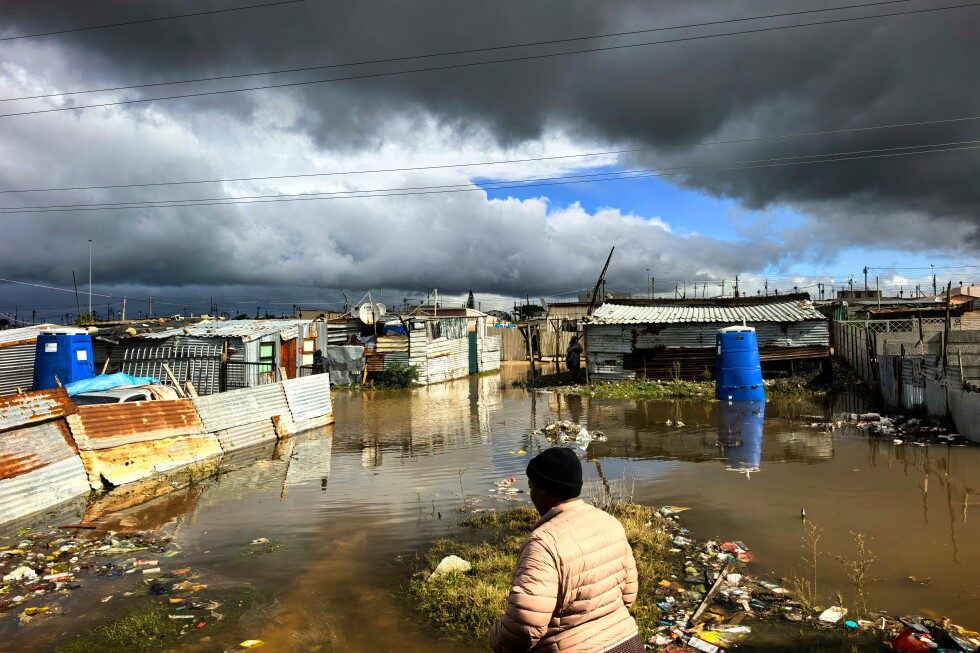
JOHANNESBURG – A catastrophic weather system bringing record-breaking torrential rainfall has unleashed devastating flooding across six of South Africa’s provinces, leaving at least 10 people dead and destroying hundreds of vulnerable residential structures, with low-income informal communities bearing the brunt of the destruction. Since May 4, extreme weather spanning flooding, severe thunderstorms, powerful high winds, and unseasonal snowfall has impacted regions including Western Cape, North West, Free State, Eastern Cape, Northern Cape, and Mpumalanga, prompting national authorities to issue an official natural disaster designation. This official declaration unlocks immediate access to emergency government funding and priority deployment of response resources, allowing rapid relief action to reach affected communities. The coastal hub of Cape Town, located in Western Cape, has emerged as one of the hardest-hit urban centers. In response to rapidly deteriorating conditions, the Western Cape provincial government has ordered temporary closures for all public and private schools across high-risk flood zones, as well as restricted access to portions of the iconic Table Mountain, one of the city’s most popular global tourist attractions. Local officials confirmed Tuesday that at least 26 informal settlements on the outskirts of Cape Town have been inundated by floodwaters, damaging more than 10,000 informal residential structures that largely lack engineered flood-resilient infrastructure. South African President Cyril Ramaphosa, speaking Monday as winter officially gets underway across the Southern Hemisphere, voiced deep sorrow over the lives lost to the extreme weather event. “We grieve with the families who have lost their loved ones, and we are standing with all those who have lost their homes and livelihoods to this disaster,” Ramaphosa stated, adding that national disaster management authorities are leveraging modern meteorological science to improve early warning for future extreme weather events and streamline response efforts in the wake of disasters. The current disaster marks the second major flooding crisis to hit South Africa in 2024, underscoring a growing regional trend of intensifying extreme weather linked to shifting global climate patterns. Climate researchers have repeatedly warned that severe flood events across Southern Africa are growing more frequent and more destructive, driven by rising global temperatures that amplify extreme rainfall patterns. In recent months, neighboring Mozambique and Zimbabwe have also experienced unusually high rainfall and the worst regional flooding in decades. Back in January, South Africa was forced to declare a separate national disaster after torrential rains and flooding in the country’s northern regions killed at least 30 people, destroyed thousands of homes, and washed out critical road and bridge infrastructure connecting rural and urban communities.