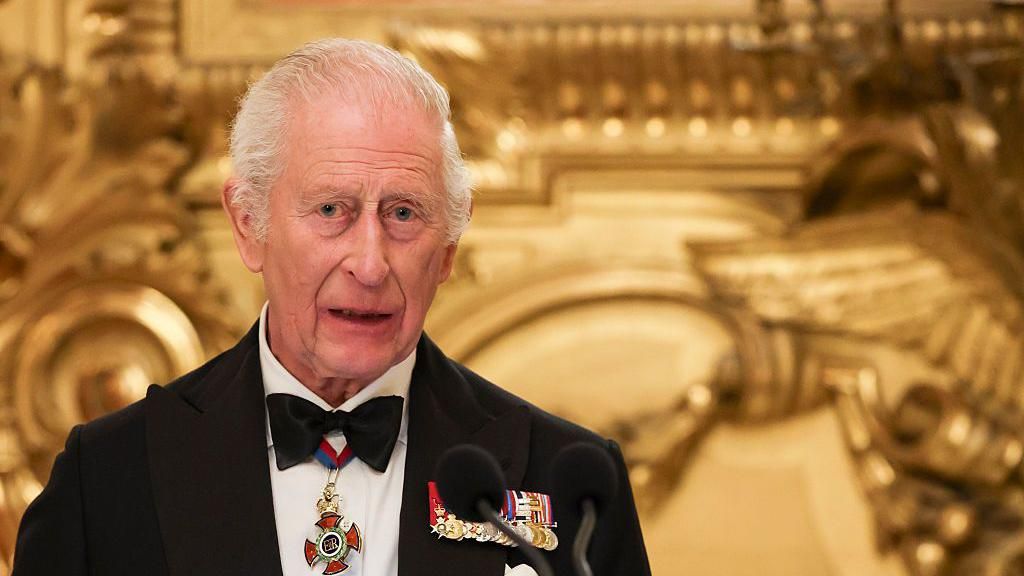
Two and a half centuries after the United States severed its political ties to the British monarchy, a six-day state visit from King Charles III and Queen Camilla has captivated the American public, upending long-running polling that has placed the British monarch among the least popular senior royals in US public opinion.
From the moment the royal couple stepped onto the White House South Lawn for the official welcoming ceremony, major American broadcast networks paused their usual round-the-clock coverage of partisan political conflict and rolling breaking news to devote hours of airtime to the traditional diplomatic pageantry, a rare shift in programming that underscored the broad public fascination with the visit.
Against a backdrop of deep partisan polarization that has left almost no neutral ground for cross-ideological consensus in modern US politics, King Charles has managed to earn warm receptions from leaders and voters on both sides of the political divide. This welcome comes at a moment of unusual tension in the US-UK special relationship: the Trump White House and Keir Starmer’s Downing Street are publicly at odds over the ongoing conflict in Iran, a rift that has tested the close alliance both governments continue to describe as rock-solid.
Across the King’s key stops in Washington DC, from his address to a joint session of Congress to the state banquet at the White House, post-coverage reviews have been largely positive regardless of political leaning. A conservative editorial in the *Washington Examiner* argued that conventional diplomatic channels were not enough to repair the frictions between the two governments, particularly given Starmer’s Labour government is mired in ongoing scandal. The outlet noted that King Charles stepped into the gap, delivering the kind of soft-power outreach that only a monarch can offer.
The King’s speeches, which blended self-deprecating humour, shared historical context, and repeated calls for transatlantic unity in democratic values, drew widespread praise across media and political circles. Many commentators interpreted his remarks on democratic principles as a subtle rebuke of growing political extremism in the US, a point echoed by an opinion contributor to the *Arizona Republic*, who wrote: “Sometimes it takes an outside perspective to see what’s really going on. It’s striking to have a king remind us of what democracy is all about.”
Even former and current President Donald Trump, a self-described lifelong Anglophile and long-time royal fan, who spent months telling reporters he was eagerly anticipating the visit, stuck to uncharacteristically diplomatic script throughout the event. Avoiding any mention of policy disagreements with the Starmer government, Trump lauded the centuries-long cultural and political ties that bind the two nations, telling attendees at the state banquet: “Before we ever proclaimed our independence, Americans carried within us the rare gifts of moral courage. And it came from a small but mighty kingdom from across the sea.” He later joked that the King had managed a feat he never could: drawing standing ovations from both sides of the aisle on Capitol Hill, where King Charles became only the second British monarch in history to address a joint session of Congress. “They liked him more than they’ve ever liked any Republican or Democrat, actually,” Trump said.
Not all reactions aligned with the broad acclaim, however. Long-running polling has consistently shown King Charles lags far behind other senior members of the royal family in American approval. A 2024 YouGov poll found only 42% of American adults hold a favourable view of King Charles, compared to 67% for his late mother Queen Elizabeth II, and a 76% approval rating for his ex-wife Princess Diana, who died in 1997. Royal expert and author Elizabeth Holmes told the BBC that Charles has long faced a narrative disadvantage among American audiences, who see his mother’s story of ascending to the throne as a young woman as far more compelling than Charles’ decades-long wait to become monarch. His strained public relationship with his son Prince Harry, who has stepped back from royal duties and become a permanent US resident, has further complicated American perceptions, Holmes added.
Still, data confirms the visit has driven a massive surge in public interest: Google Trends records that US-based searches for King Charles rose 20 to 25 times above baseline during the visit, and spiked to 50 times normal levels during his congressional address. Even Americans not closely following the event expressed enthusiasm. 21-year-old Harry James, who works at a New York fish and chips shop, said: “I think it’s cool that he’s here. It’s cool we can keep these traditions going.”
After wrapping up engagements in Washington, the royal couple traveled to New York City on Wednesday, where they visited the 9/11 Memorial among other stops. Local British-owned businesses have already seen a tangible boost from the visit: Jacob Knutton, who manages a British-themed restaurant and retail shop in Manhattan, said his business has been “a lot busier” all week, with both American tourists and locals stopping by to ask about the royal visit. Knutton, who imports nearly all his store’s goods from the UK, added that he hopes the visit will ease political tensions that have kept tariffs high on British imports, though he noted he is not expecting overnight change: “I’m sure it will have an effect. But I’m not expecting magical wand-waving.”
Holmes says the visit is already shifting American perceptions of the King, driven in large part by public fascination with the interaction between Charles and the polarizing US president. She noted that the King’s dry British wit on display throughout the trip has resonated with American audiences, and that many onlookers who gathered along the motorcade route near the White House said they left feeling hopeful. Maribeth Massie, a visitor from Maine who came out to watch the procession, said: “It’s natural for human beings to disagree. Hopefully they’ll lay some common ground together and move forward.”