In a sweeping environmental policy reversal, the Trump administration has formally rescinded the Obama-era “endangerment finding,” a foundational scientific determination that has guided U.S. climate regulation for over a decade. This pivotal 2009 ruling, mandated by a Supreme Court decision, classified six greenhouse gases—including carbon dioxide and methane—as pollutants threatening public health, thereby compelling the Environmental Protection Agency (EPA) to regulate them under the Clean Air Act.
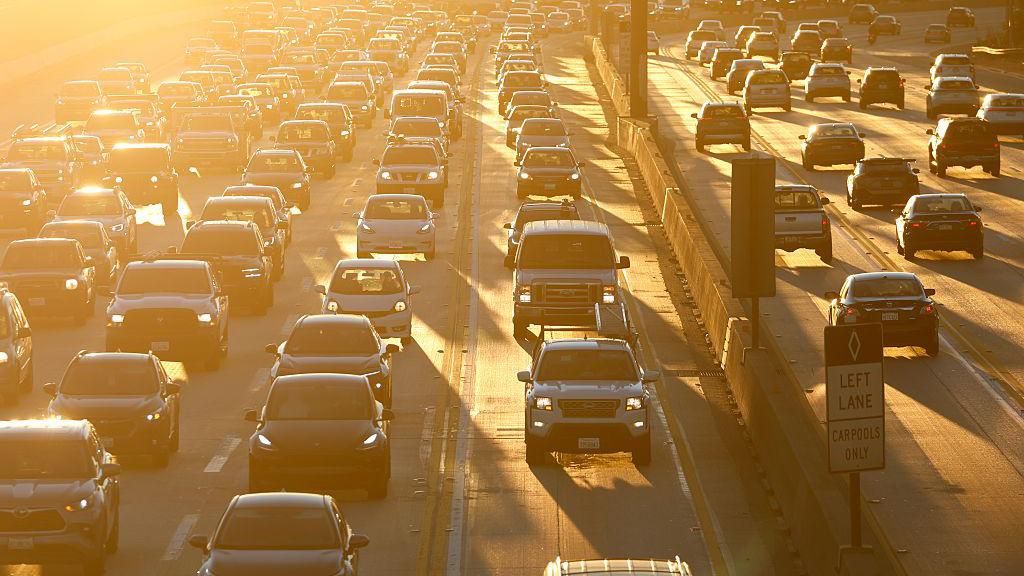
The immediate consequence of this repeal dismantles the legal framework that has restricted industrial greenhouse gas emissions, particularly targeting the automotive sector. The White House projects significant economic benefits, asserting that eliminating these regulations will reduce manufacturing costs by approximately $2,400 per vehicle. Industry representatives, including Ford and the Alliance for Automotive Innovation, have welcomed the change, citing improved alignment between regulatory standards and consumer preferences.
However, environmental organizations warn of severe repercussions. The Environmental Defense Fund estimates this policy shift could result in 7.5-18 billion additional tonnes of greenhouse emissions by 2055—equivalent to three times America’s current annual output—potentially causing tens of thousands of premature deaths and millions of asthma attacks. Legal experts anticipate a resurgence of “public nuisance” lawsuits against polluting corporations, as the repeal invalidates a 2011 Supreme Court ruling that centralized emissions regulation with the EPA.
The decision has ignited concerns about America’s competitive standing in renewable technology. Former EPA official Margo Oge cautioned that while global markets accelerate toward electric vehicles, U.S. automakers risk isolation with obsolete technology. This perspective echoes former Secretary of State John Kerry’s observations regarding China’s dominance in renewable energy deployment.
EPA Administrator Lee Zeldin defended the reversal as “the single largest deregulatory action in U.S. history,” claiming $1.3 trillion in taxpayer savings. The administration maintains that previous regulations drove manufacturing overseas to countries with weaker environmental standards, ultimately increasing global emissions. The policy is expected to face immediate legal challenges from environmental groups.