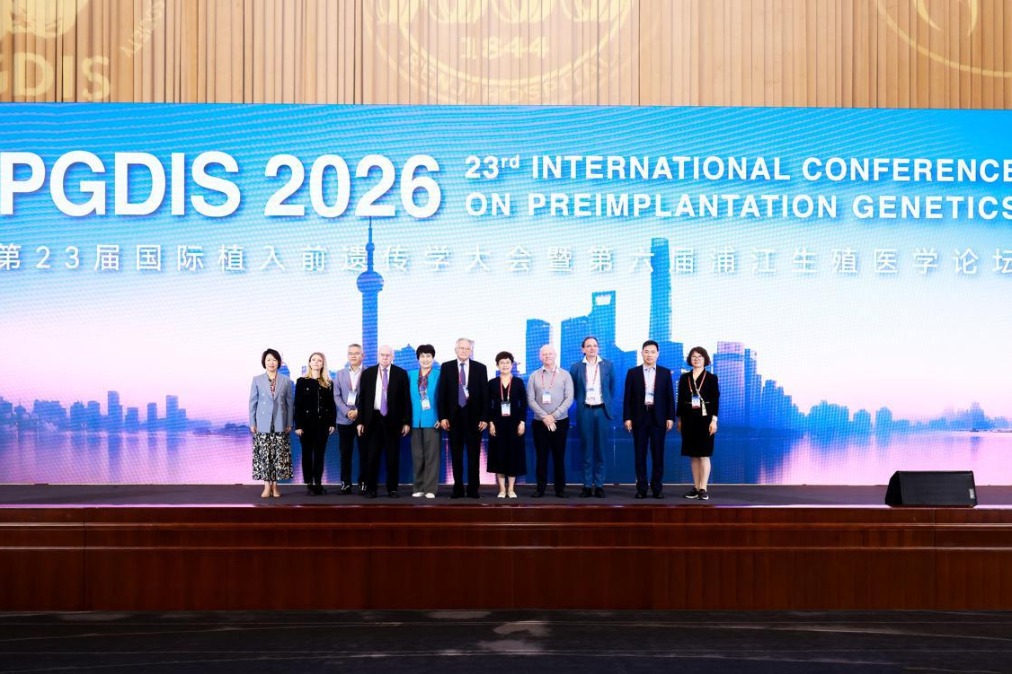
In a landmark moment for global reproductive health collaboration, the 23rd International Conference on Preimplantation Genetics officially opened its doors in Shanghai on April 25, 2026. This gathering marks the first time the leading international event in the specialized field of reproductive genetics has been hosted on Chinese soil, breaking new ground for cross-border knowledge exchange in the region.
Over four days, the conference brings together more than 300 clinical practitioners and research scientists from 23 countries and regions across the globe. Attendees have gathered to explore cutting-edge advancements reshaping preimplantation genetic testing, or PGT, a life-changing technology that plays a critical role in advancing global reproductive health and curbing the global prevalence of birth defects. The event is co-hosted by the Preimplantation Genetic Diagnosis International Society (PGDIS) and Renji Hospital Affiliated with Shanghai Jiao Tong University School of Medicine, alongside other leading national healthcare institutions.
Specialists in the field note that traditional prenatal screening methods have long carried a significant limitation: they frequently fail to detect single-gene genetic disorders early in pregnancy. When these conditions are identified after conception, they often leave families facing devastating decisions, imposing heavy long-term emotional and financial burdens that extend to broader society. PGT, widely recognized as a core technological tool for preventing birth defects, addresses this gap by allowing clinicians to conduct a highly precise analysis of an embryo’s genetic material before implantation. This process enables care teams to select only healthy embryos that do not carry pathogenic genetic mutations, drastically reducing the risk of inherited genetic conditions being passed to newborns.
This year’s conference agenda features deep dives into some of the most pressing topics in the field, including the expanding clinical use of non-invasive PGT techniques, as well as the ethical frameworks and real-world implementation practices for PGT designed to assess polygenic disease risk. In a highlight of the program, Chinese leading researchers and clinicians shared the latest breakthroughs and outcomes from PGT clinical adoption across China, offering global peers valuable insight into the nation’s rapid progress in the sector.
Global industry leaders have praised the milestone hosting of the conference in Shanghai, noting that the event reflects the city’s rising international influence in reproductive genetics and its sustained commitment to nurturing international partnership and innovation in life-saving healthcare technology. For the global reproductive health community, the conference is expected to drive faster, more equitable advancement of PGT technology, improving outcomes for families seeking to build healthy families across the world.