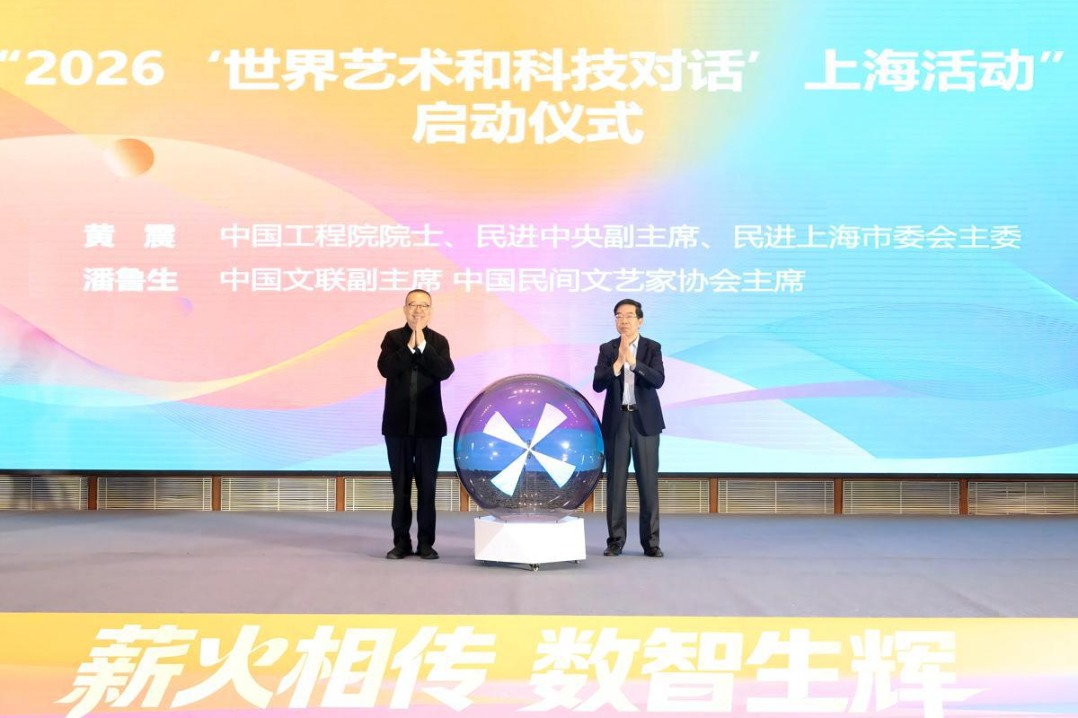
On April 26, 2026, Shanghai played host to the Shanghai sub-forum of the 2026 World Dialogue on Art and Technology, a gathering that spotlights the coastal metropolis’ long-term ambition to carve out its status as a leading international cultural hub and global design capital. Held under the guidance of the China Federation of Literary and Art Circles and co-organized by Shanghai University and a cohort of partner institutions, the one-day event convened scholars, industry practitioners and educators from across the globe to unpack cross-cutting questions at the intersection of art, technology and cultural development. Centered on two core themes, the forum pooled international research insights and real-world case studies to investigate how cutting-edge digital tools can both supercharge innovation in folk arts and strengthen efforts to preserve centuries-old traditional cultural practices, while mapping out new collaborative pathways for integrating technology and creative design in the increasingly digital 21st century. Speaking at the opening of the forum, Hu Dawei, Deputy Party Secretary and Vice President of Shanghai University, underscored the institution’s longstanding dedication to breaking down silos between academic disciplines. The university, he noted, has prioritized combining strengths in science and engineering with expertise in humanities, social sciences and the arts to align with national development strategies and advance Shanghai’s ongoing urban transformation. “This gathering is more than an academic exchange—it is a starting point for boosting the revitalization of China’s outstanding traditional culture and expanding its global footprint through cross-civilizational dialogue and mutual learning,” Hu added. Over the course of the event, participants delved into rich, in-depth discussions across a range of high-priority topics, from the broader integration of science and art and digital innovation in folk arts to cultural heritage revitalization and the digitization of cultural and museum collections. Attendees also shared a diverse set of research outcomes that merge groundbreaking theoretical innovation with hands-on practical application, laying a foundation for future collaborative projects across sectors and borders. To cap off the forum, organizers also officially launched the Eighth China Creativity Festival for College Students. Organized by the Shanghai Municipal Education Commission, the annual festival is designed to establish a national platform for emerging creative talent from colleges and universities across the country to showcase their original work, while encouraging young innovators to contribute fresh perspectives and new energy to the creative expression and forward-thinking development of China’s vast and diverse cultural heritage.