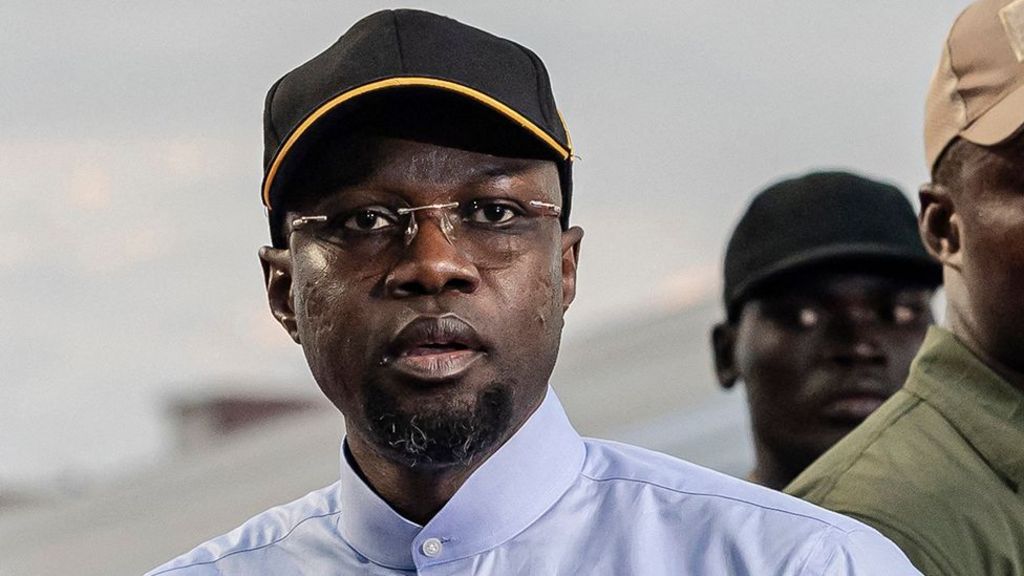
Just days after being abruptly dismissed from his post as Senegal’s prime minister, Ousmane Sonko has secured one of the most powerful positions in the West African nation: Speaker of the National Assembly. The unexpected political shakeup has amplified long-simmering tensions between Sonko and his former ally-turned-president Bassirou Diomaye Faye, setting the stage for potential gridlock at the highest levels of Senegalese government.
The path to Sonko’s new role cleared quickly over the weekend, when the outgoing parliamentary speaker stepped aside voluntarily to make way for the popular opposition-turned-government figure. Sonko’s Pastef party holds an absolute majority in the National Assembly, a controlling bloc that gave him unobstructed path to the speaker’s office. Within 24 hours of Monday’s vote confirming his new position, Faye moved to fill the vacant prime minister role, appointing respected economist Ahmadou Al Aminou Lo to the post.
The rupture between Faye and Sonko is the culmination of months of steadily deteriorating relations. Sonko, a fiery populist who has built his political brand on unflinching criticism of establishment leadership, has openly pushed back against Faye’s approach to managing Senegal’s mounting debt crisis, breaking ranks publicly with the president he helped put in office. The 51-year-old politician has remained a towering figure in Senegalese politics, particularly among the nation’s large youth demographic, where his anti-establishment rhetoric resonates deeply.
Political analysts warn that Sonko’s new role as the country’s second-highest ranking official will create significant headwinds for Faye’s policy agenda. Without Sonko and his parliamentary majority on his side, Faye could face major obstacles passing and implementing key legislation. Complicating any potential move to break the deadlock is Senegal’s constitutional framework: the president is barred from dissolving parliament until at least two years after the most recent legislative election, meaning any attempt to dissolve the body before November 2026 would be legally invalid.
This current political standoff has a clear backstory that stretches back to the 2024 presidential election. Sonko was widely expected to run for the nation’s top office that year, but a defamation conviction barred him from appearing on the ballot. In his place, Sonko endorsed Faye, who went on to win the presidency and appointed Sonko as his prime minister. What began as a united political partnership quickly fractured, however, as disagreements over economic policy and leadership style widened into an open rift.
For Senegal, a country that has a history of recurring leadership tussles amid ongoing economic strain from its growing debt burden, the latest split between the president and the newly installed parliamentary speaker adds another layer of uncertainty to the nation’s political future.