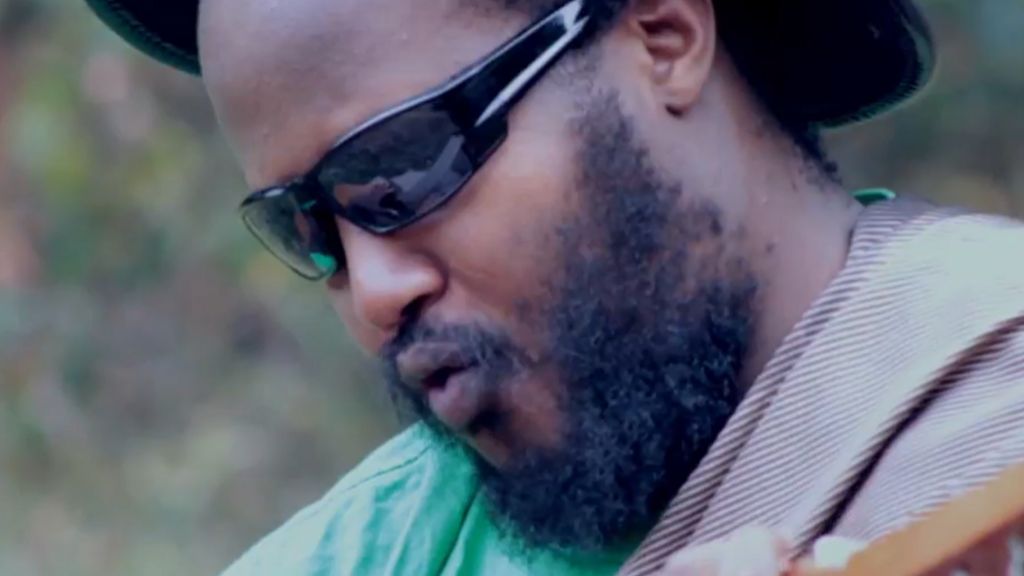
The sudden death of 48-year-old Rwandan singer, academic and government critic Aimable Karasira on the cusp of his prison release in Kigali has triggered deep controversy and demands for a transparent, independent investigation into the circumstances of his passing. According to official statements from the Rwanda Correctional Service (RCS), Karasira suffered a fatal overdose of his prescription medication while being escorted out of prison Wednesday afternoon, between 2 p.m. and 3 p.m. He was rushed to Nyarugenge Hospital, where he was pronounced dead. RCS spokesperson Hillary Sengabo confirmed that Karasira had been living with chronic conditions including diabetes, high blood pressure, and unaddressed mental health struggles, and announced that an official post-mortem examination would be conducted to determine the exact cause of death.
Karasira was no stranger to public life in Rwanda before his arrest in 2021. A trained computer scientist, he worked for years as a lecturer at the University of Rwanda until his dismissal, a move the university framed as a response to “disciplinary faults” rather than retaliation for his outspoken anti-government views. He rose to wider prominence through his popular YouTube channel Ukuri Mbona, which translates to “The Truth As I See It,” where he regularly published criticism of President Paul Kagame and the long-ruling Rwandan Patriotic Front (RPF) party. He also appeared as a guest commentator on other independent platforms, drawing a large audience of Rwandans seeking alternative perspectives to the government’s official narrative.
In 2025, Karasira was sentenced to five years in prison on charges of inciting ethnic division, after a Rwandan high court acquitted him of more serious counts including inciting public disorder, genocide justification and genocide denial. This release, planned for earlier this week, would have been the first step in his return to public life after five years behind bars.
The official account of Karasira’s death has been immediately met with skepticism from opposition figures, human rights activists, and other critics of the Kagame government, who have pointed to a long pattern of suspicious deaths involving detained government opponents in Rwanda. Denise Zaneza, a Rwandan human rights activist based in Belgium, wrote in a public post on X that the timing of Karasira’s death — just as he was set to regain his freedom after years of detention — raised urgent, unaddressed questions. Citing Rwanda’s well-documented history of political repression, lack of judicial transparency, and a string of suspicious deaths of dissidents in custody, Zaneza called for an international independent investigation to uncover the truth of what happened.
“After years of persecution and imprisonment, the authorities announce your death just as you were supposed to regain your freedom,” Zaneza wrote, praising Karasira for his courage to speak openly about experiences that many Rwandans are too afraid to share publicly. Karasira, an ethnic Tutsi who lost his parents in the 1994 Rwandan genocide, broke with the RPF’s official narrative of the genocide by publicly blaming RPF fighters for his family’s killings, claiming the rebel group suspected his family of sharing intelligence with the opposing Hutu regime. The RPF, which was founded by current President Paul Kagame and other Tutsi exiles to overthrow the Hutu government that orchestrated the 1994 genocide that killed an estimated 800,000 mostly Tutsi people, has dismissed these claims. The Rwandan government has pursued a policy of national reconciliation that discourages public discussion of ethnic identity, asking citizens to identify simply as Rwandan rather than along ethnic lines, and has a widely recognized reputation for cracking down on all forms of political dissent.
This is not the first time a high-profile Rwandan dissident and genocide survivor has died in state custody under suspicious circumstances. In 2020, gospel singer and prominent government critic Kizito Mihigo was found dead in his prison cell; Rwandan authorities ruled his death a suicide, a conclusion that was also rejected by independent rights advocates. The international human rights organization Human Rights Watch has repeatedly called on Rwandan authorities to open independent investigations into the suspicious deaths, disappearances, and arbitrary detentions of opposition members, journalists, civil society leaders, and government critics, following the 2021 arrests of Karasira and other outspoken dissidents. To date, no high-level Rwandan official has been held accountable for the deaths of detained opponents, a reality that has fueled ongoing distrust of official government accounts.