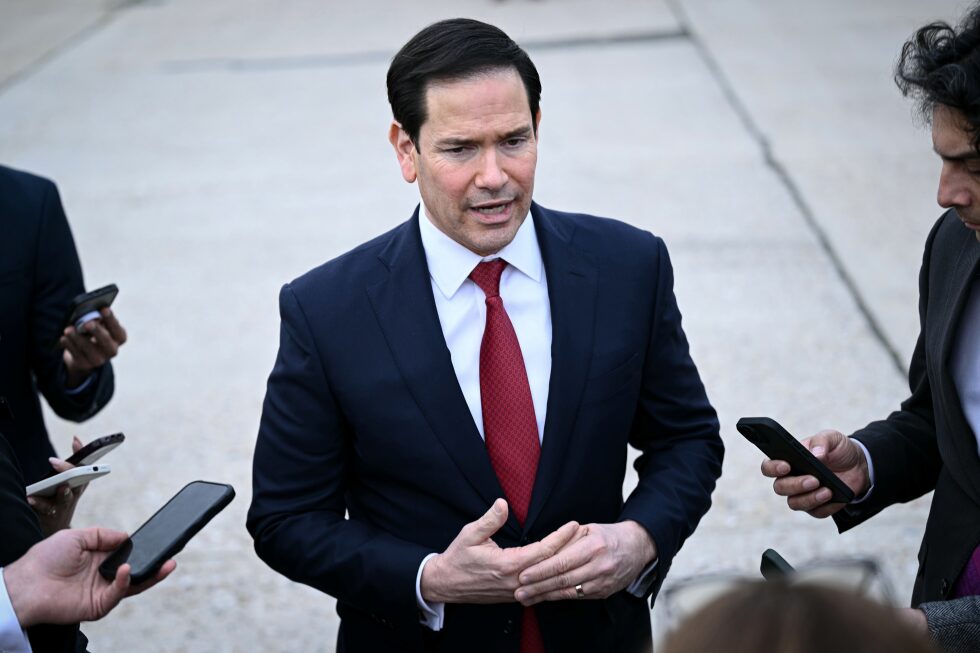
PARIS — U.S. Secretary of State Marco Rubio has forcefully rejected Ukrainian President Volodymyr Zelenskyy’s allegations that the Trump administration requires Kyiv to surrender the eastern Donbas region to Russia in exchange for American security guarantees. The diplomatic confrontation emerged during a Group of Seven meeting in France, where Rubio characterized Zelenskyy’s claims as fundamentally inaccurate.
In a press briefing, Rubio explicitly stated, “That’s a lie. And I saw him say that. It’s unfortunate he would make such assertions when he knows perfectly well that’s not what was communicated to Ukrainian officials.” The Secretary of State clarified that the U.S. has merely conveyed Moscow’s demands to Kyiv without endorsing them, emphasizing that ultimate decisions remain Ukraine’s sovereign prerogative.
The controversy stems from Zelenskyy’s recent Reuters interview where he suggested Washington had made security guarantees conditional upon Ukraine’s withdrawal from Donbas, the industrial heartland that has been partially occupied by Russian forces since 2014. Despite significant territorial control, Russian forces haven’t captured the entire region, leaving heavily fortified front lines intact.
Rubio elaborated on America’s mediating role: “We’ve explained Russian positions to the Ukrainian side without advocacy. It’s their choice to make—not ours. Our diplomatic efforts focus on identifying common ground between both parties.”
The Ukrainian presidential office maintained silence regarding the contradictory statements. Meanwhile, analysts note that complete control over Donbas would provide Moscow with a permanent strategic advantage to threaten other Ukrainian territories.
Amid growing concerns about resource allocation, Rubio acknowledged that while no weapons destined for Ukraine have been redirected to the Middle East yet, such reassignments could occur if deemed necessary for American security priorities. This statement follows reports of Patriot air-defense systems being relocated from Europe to the Middle East as Washington intensifies its military engagement with Iran.