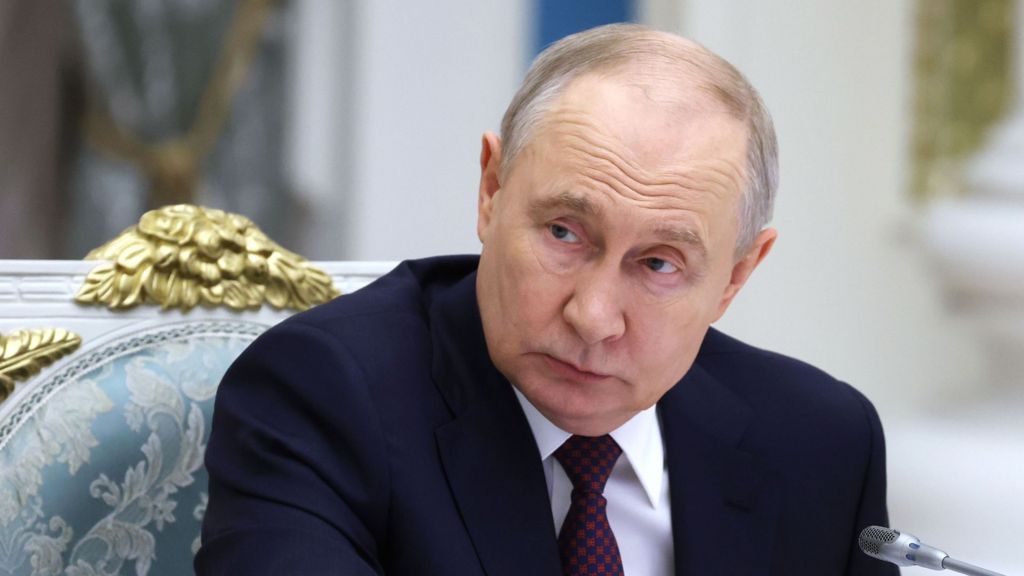
Following closed-door negotiations with US envoys Steve Witkoff and Jared Kushner in Moscow, Russian President Vladimir Putin has struck a notably unyielding and self-assured tone while laying out the Kremlin’s latest terms for resolving the nearly five-year full-scale conflict in Ukraine, framing his vision as a path to “eternal peace” for the country. At the core of Moscow’s publicized post-talk position is a call to construct an entirely new, long-term “indivisible security architecture” for Europe — a demand that analysts interpret as a push for sweeping, Russia-friendly revisions to the continent’s post-Cold War security order, potentially the most radical restructuring of European defense arrangements in decades. The proposal revives the highly controversial set of draft treaties the Kremlin first presented to the US and NATO in December 2021, two months before it launched its full-scale invasion of Ukraine. Those original 2021 documents included non-negotiable demands for formal, binding guarantees that Ukraine and Georgia would never be admitted to NATO membership, alongside a requirement to roll back all NATO military infrastructure deployed in Central and Eastern European nations that joined the alliance after the collapse of the Soviet Union. Western leaders at the time rejected the proposals as an unacceptable Russian ultimatum, and the draft treaties were effectively sidelined as the war escalated. Now, Putin’s top foreign policy aide Yuri Ushakov has confirmed Moscow is set to add new, updated clauses to its list of demands, citing ongoing Western efforts to secure a strategic defeat for Russia on the battlefield. While there is no immediate indication that Western governments will concede to these terms, Russian state-aligned outlets such as Komsomolskaya Pravda have framed the very fact that European security structure is now a central topic of Ukraine conflict negotiations as a major diplomatic win for Moscow, noting that the 2021 proposals were once widely dismissed as absurd by Western counterparts. EU High Representative for Foreign Affairs Kaja Kallas has pushed back sharply against the Kremlin’s framing, describing the demand for a pre-ceasefire European security overhaul as a deliberate “trap” intended to distract from immediate efforts to end hostilities. Kallas emphasized that the proper sequencing of peace talks must prioritize a full, verifiable ceasefire first, followed by a formal bilateral peace agreement between Kyiv and Moscow, with broader European security architecture discussions only permitted as a final, later stage of the process. A key point of contention emerging from the recent talks is the exclusion of European Union representatives from the core negotiation table. For months, Moscow has refused to offer European leaders a formal seat at Ukraine peace talks, repeatedly criticizing EU capitals for their unwavering military support for Kyiv and strict sanctions regimes targeting Russia. While US envoy Steve Witkoff indicated after his Moscow meetings that Putin had tentatively agreed to allow European representatives to join the next round of negotiations, Kremlin spokesperson Dmitry Peskov clarified on Friday that no final decision on European participation has been made, noting that Moscow will only greenlight wider-format talks after it verifies European nations are fully committed to facilitating a genuine, sustainable peace process rather than continuing to back what it calls anti-Russian aggression. The uncommonly confident posture Putin displayed during his discussions with the US delegation appears to stem from a shifting geopolitical landscape that has seen Washington actively pursuing a negotiated deal with Moscow, and European heads of state including the leaders of Finland and Norway initiating direct outreach to the Russian president in recent weeks. Russian state media has also stoked speculation that Putin may hold a landmark trilateral meeting with former US President Donald Trump and Chinese leader Xi Jinping on the sidelines of next week’s APEC summit in Shenzhen, drawing explicit comparisons to the 1945 Yalta Conference where the Allied “Big Three” redrew the global geopolitical order in the aftermath of the Second World War. This apparent diplomatic momentum persists despite nearly five years of catastrophic Russian military losses on the Ukrainian battlefield, growing strain on the Russian domestic economy, and repeated Ukrainian long-range drone strikes targeting critical Russian oil refining infrastructure that have raised widespread domestic fears of looming national fuel shortages. To date, none of these mounting pressures have prompted the Putin administration to consider unilateral concessions or an immediate full ceasefire.