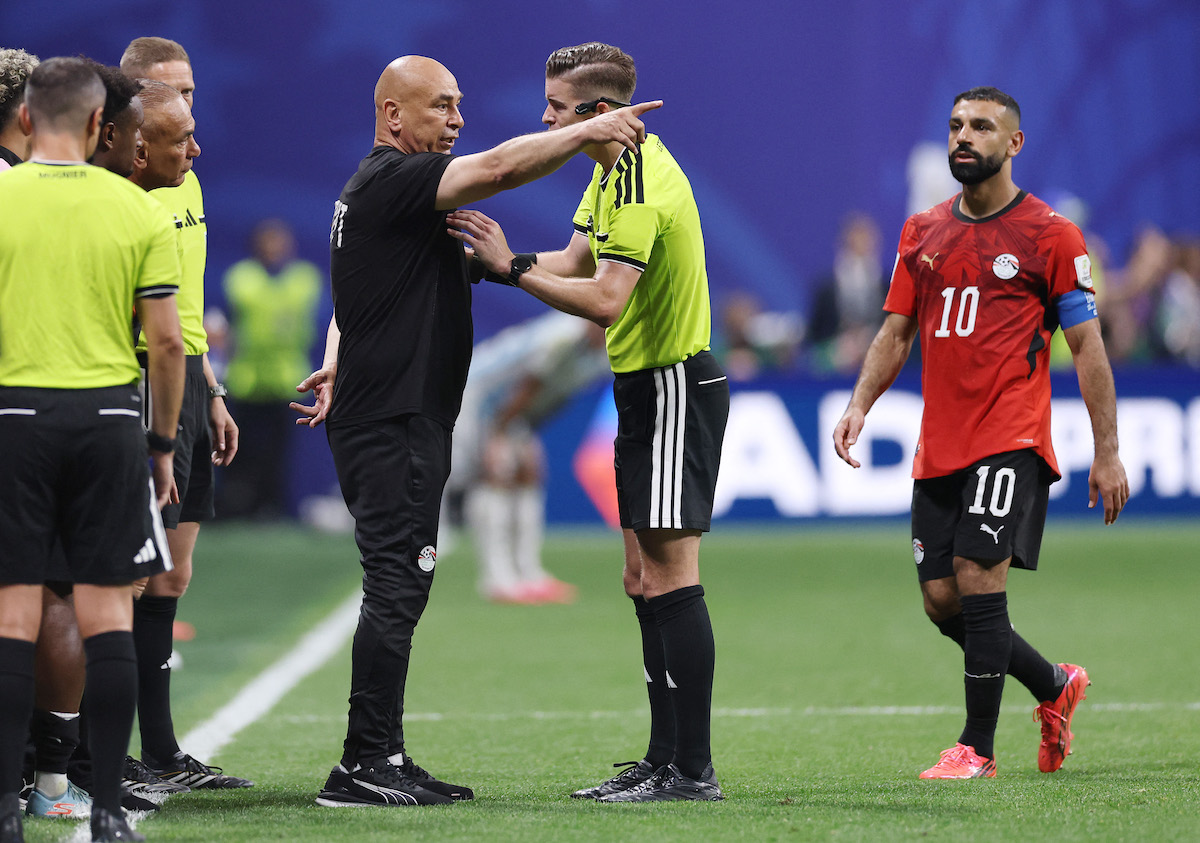
A dramatic late comeback victory for Argentina against Egypt in the World Cup round of 16 has been drowned out by widespread controversy, with Egyptian players, coaching staff, fans, and high-profile public figures calling out a series of lopsided key refereeing decisions that they claim cost Egypt a historic quarter-final spot. Egypt looked set to secure a stunning upset after jumping out to a 2-0 lead early in the second half, holding the advantage deep into the closing stages of the match. But Argentina flipped the script with three unanswered late goals, snatching a stoppage-time winner to seal a 3-2 win and advance to the final eight. What should have been a celebration of one of the most dramatic knockout-stage comebacks in recent World Cup history quickly turned into a national outcry for Egypt, with multiple questionable calls at critical junctures sparking fury over biased officiating. The most high-profile dispute came over a disallowed Egypt goal that would have put the North African side 3-1 up, a call that Egyptian camp says changed the entire trajectory of the match. The Egyptian side also had repeated late penalty appeals turned down by officials, and protests from the Egyptian bench were ignored in the moments before Argentina’s match-winning stoppage-time goal. Scenes of anger played out on the touchline immediately after key calls, with members of Egypt’s coaching staff surrounding officials to contest decisions, and players confronting match referees over the rulings. The frustration spilled over onto social media platform X, where thousands of fans and dozens of high-profile figures weighed in to condemn the inconsistent officiating, with many arguing the lopsided calls robbed Egypt of a fair shot at advancing. In his post-match press conference, Egypt head coach Hossam Hassan did not hold back in his criticism, insisting his side was the better team on the pitch and that the final result was fundamentally unfair. He questioned the logic behind the disallowed Egypt goal, and raised eyebrows by suggesting that tournament organizers had implicit “marketing” incentives to keep the previous World Cup champions in the competition. Despite the disappointment, Hassan praised his players’ effort, saying they had delivered everything the nation asked of them. Egyptian winger Mustafa Ziko was visibly overcome with emotion in his post-match interview, breaking down in tears as he accused the referee of unfair officiating. He said the incorrect calls had wasted the hard work and hope of an entire nation, and labelled the entire tournament’s officiating in the match as biased. The criticism extended far beyond the Egyptian camp, with prominent global figures from sports, politics, and other fields adding their voices to the outcry. Former world chess champion and political commentator Garry Kasparov highlighted the clear inconsistency in rulings: he pointed out that Egypt’s goal was disallowed for a minor foul far from the goalmouth, but an identical scenario just minutes later that led to an Argentina goal was allowed to stand. He went further, calling FIFA a “corrupt joke” and accusing the governing body of favoring high-profile star teams. Former England captain and legendary striker Alan Shearer, now a leading football pundit, echoed the criticism of inconsistent decision-making, writing on X that “Either both are fouls or neither is a foul. But they’re not going to re-referee they told us.” BBC Sport football correspondent Dale Johnson also argued that the ruling to disallow Egypt’s goal ran completely counter to the officiating standard used throughout the entire tournament. He noted that match officials had adopted a “light touch” approach to minor contact for the entirety of the competition, making it inexplicable that they would overturn a goal for a very minor shirt-tugging incident via VAR. Football analyst Geronimo Morgans added another layer of criticism, pointing out that VAR failed to review two clear fouls against Egyptian players inside the Argentina penalty area in the build-up to Argentina’s equalizing goal scored by Enzo Fernandez, while a far less significant foul was used to overturn Egypt’s valid second goal. “Why does the treatment have to be so one-sided?” he asked, concluding that “Egypt have been robbed.” Even Egyptian Nobel Peace Prize laureate and former International Atomic Energy Agency head Mohamed ElBaradei waded into the debate, writing on X that FIFA had “lost a lot of credibility and trust” for reasons “known to everyone.” Former British ambassador and political commentator Craig Murray summed up the widespread sentiment of foul play with a viral quip: “Not my invention, but FIFA = Fixing It For Argentina has been blatant.” For Argentina, the controversial win moves them forward to the World Cup quarter-finals, where they will turn their focus to their next matchup. For Egypt, the tournament ends far earlier than the team and its supporters hoped, bringing an end to an impressive unbeaten campaign that captured the imagination of the football world. The early exit leaves a bitter taste for the Egyptian camp, who remain united in their belief that they were denied a fair opportunity to continue their historic World Cup run through lopsided officiating.