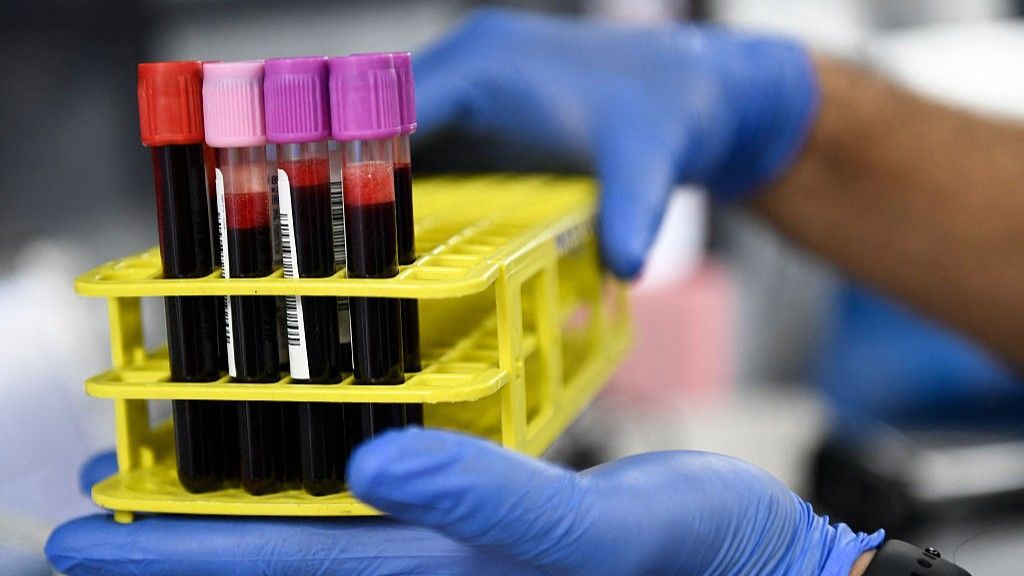
The American Red Cross, the United States’ largest blood provider, has issued a dire alert that national blood inventories have dropped to a historic crisis level — marking only the second time in the organization’s 141-year history that supplies have fallen this low. What makes this shortage particularly acute is that it has hit during the summer months, a period when demand for blood at hospitals already surges, driven by higher rates of outdoor activity, traffic accidents, and traumatic injuries that require urgent transfusions. Last month alone, available blood supplies fell by 25%, according to Dr. Courtney Lawrence, a medical leader with the American Red Cross, who spoke to the BBC about the unfolding emergency.
Right now, the organization is distributing roughly 3,500 more units of blood weekly than it typically does at this time of year, forcing it to draw down reserves to critically low levels. Unlike many medical supplies, blood cannot be stockpiled long-term to offset shortages: red blood cells have a maximum shelf life of just 42 days before they degrade and become unusable. While all blood types are in urgent need of replenishment, demand is most pressing for O positive blood, the universal donor type that is critical for emergency care when a patient’s blood type is unknown.
A perfect storm of overlapping crises has pushed a pre-existing mild shortage into a full-blown public health emergency, Dr. Lawrence explained. Record-breaking extreme heat across much of the U.S. has deterred potential donors from leaving their homes to attend donation events, and many planned blood drives at community and commercial sites have been unable to maintain cool, comfortable environments that meet donor safety standards. Widespread wildfires across North America have further strained logistics and diverted organizational resources away from donation outreach. Additionally, the country is currently facing an unusual outbreak of cyclosporiasis, a foodborne parasitic infection that causes severe gastrointestinal illness, which has ruled out many recently infected people from donating blood under existing safety guidelines.
The only other time the American Red Cross has declared a blood supply crisis of this magnitude was in January 2022, when surging Covid-19 cases combined with brutal winter weather to collapse donation rates. The current crisis is already starting to impact patient care: hospitals that work with the Red Cross have reported that routine medical procedures may be disrupted, and some facilities are already evaluating whether they will need to redirect emergency trauma patients to other centers if they cannot maintain sufficient blood reserves to handle critical cases.
The crisis is not limited to the United States. Neighboring Canada is also facing a significant drop in blood donations, with Canadian Blood Services reporting that donations have fallen nearly 20% since the start of June. Over the past six weeks, the organization has seen between 1,500 and 2,500 unfilled donation appointments every week, forcing it to draw on existing reserves to meet ongoing patient needs. While a small seasonal dip in summer donations is expected and accounted for in annual planning, the current decline has fallen far below typical seasonal patterns. Several blood types now have only a few days of reserve stock on hand, a situation that Canadian Blood Services warns is unsustainable for long-term patient care unless donation trends reverse quickly. Unlike in the U.S., Canadian health officials have not identified a clear set of causes for the unexpected drop in donor turnout.