A hantavirus outbreak on board a Dutch-owned expedition cruise ship has triggered an international public health response, with multiple fatalities recorded and health authorities across half a dozen countries racing to trace potentially exposed passengers.
The MV Hondius, operated by Netherlands-based cruise firm Oceanwide Expeditions, departed the Argentinian port of Ushuaia on 1 April for a South Atlantic voyage. What began as a routine expedition has since escalated into a global public health scare, with three deaths linked to the vessel and multiple confirmed or suspected infections recorded.
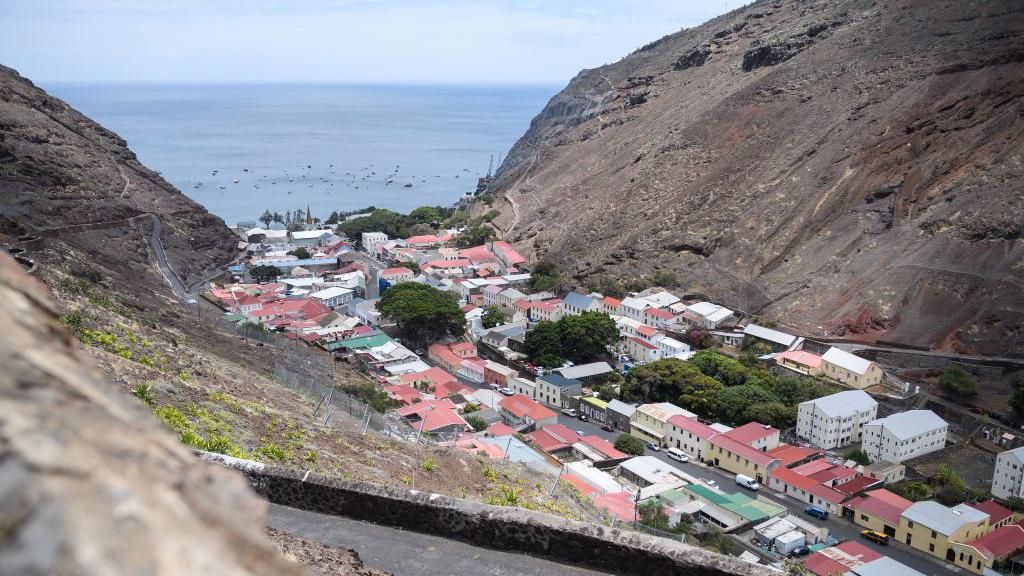
Disembarkation at the remote British Overseas Territory of St Helena on 24 April has complicated contact tracing efforts. Discrepancies remain over the exact number of passengers who left the ship at that stop: the Dutch government puts the figure at 40, while operator Oceanwide Expeditions confirms 30 people (including the remains of one deceased passenger) disembarked, representing at least 12 nationalities. The group included seven British citizens, six Americans, and passengers from Canada, Germany, Singapore, Turkey and Switzerland, among other nations.
As of the latest updates, three people connected to the outbreak have died. A 69-year-old Swiss woman (previously misreported in some early accounts as Dutch) disembarked at St Helena before traveling to South Africa, where she died two days after leaving the ship. She has been confirmed as a hantavirus case. Two other fatalities — the woman’s husband, who died on board on 11 April, and a female German passenger whose body remains on the ship — are still under investigation to confirm whether their deaths were caused by the virus.
On 1 May, three additional symptomatic people were evacuated from the vessel: 56-year-old British passenger Martin Anstee, who remains in stable condition, a 41-year-old Dutch crew member, and a 65-year-old German passenger. The World Health Organization (WHO) currently reports eight total cases linked to the ship: three confirmed infections and five suspected cases.
The first formal confirmation of a hantavirus case on board was not issued until 4 May, weeks after the initial disembarkation at St Helena. Oceanwide Expeditions has stated that all passengers who left the ship at St Helena have now been contacted by the company, and that it maintains constant communication with global health authorities to coordinate quarantine, testing and arrival protocols. The MV Hondius is currently scheduled to dock in the Spanish Canary Islands in the coming days to complete the remainder of its journey.
International contact tracing efforts are now underway across multiple countries. In the Netherlands, public health officials are sending notification letters to all passengers who were on a KLM flight from Johannesburg to Amsterdam that the deceased 69-year-old woman was scheduled to board before falling ill at the gate. Dutch media has also reported that a KLM flight attendant has been hospitalized in Amsterdam after developing hantavirus symptoms following potential exposure.
Singapore’s Communicable Diseases Agency has placed two men who disembarked at St Helena — a 67-year-old Singaporean citizen and a 65-year-old permanent resident — into isolation for testing. Both individuals traveled on the same Johannesburg-bound flight from St Helena as the deceased passenger, and their test results are still pending.
In the United States, public health agencies in Arizona and Georgia are monitoring three passengers who returned home after disembarking the ship, none of whom have displayed symptoms to date. The U.S. Department of State confirmed it is in direct communication with all affected U.S. citizens connected to the outbreak. Two other British passengers who returned to the United Kingdom after disembarking are currently self-isolating at home.
Argentinian health authorities have announced they will begin testing rodent populations in Ushuaia, the port where the MV Hondius began its voyage, to identify the potential source of the outbreak. Hantavirus is most commonly transmitted to humans through contact with infected rodent excreta, with person-to-person transmission rare.
St Helena, where most of the exposed passengers disembarked, is one of the most remote inhabited islands on Earth, covering just 47 square miles with a population of roughly 4,400 residents and only one hospital, placing limited local public health infrastructure under strain as authorities coordinate the response.