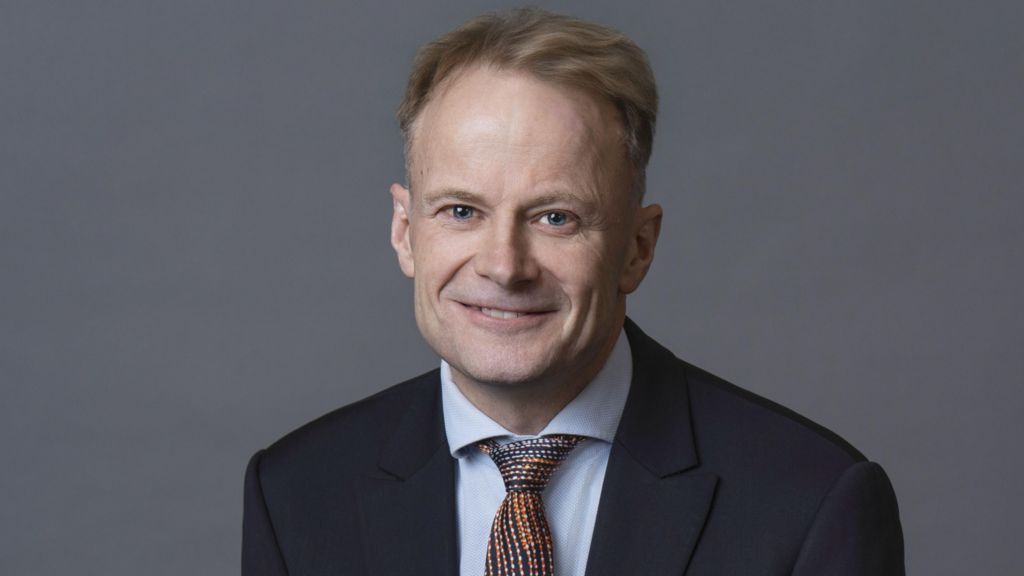
Renowned Australian oncologist and melanoma research pioneer Professor Richard Scolyer has passed away at the age of 59, three years after receiving a devastating diagnosis of glioblastoma, one of the most aggressive forms of brain cancer. Globally celebrated for revolutionizing the treatment of advanced skin cancer, Scolyer leaves behind a legacy of scientific breakthrough that has saved tens of thousands of lives around the world.
Three years ago, when Scolyer received his terminal diagnosis, the professor refused to surrender to what conventional medicine framed as an inevitable death sentence. For context, standard treatment protocols for glioblastoma — immediate surgical removal followed by chemotherapy and radiation — have remained largely unchanged for more than 20 years, with most patients sharing Scolyer’s diagnosis surviving less than 12 months. Rejecting the idea of accepting his fate without a fight, Scolyer partnered with his long-time collaborator and friend Professor Georgina Long to test a world-first experimental approach to his treatment, drawing on the groundbreaking research the pair had spent decades developing for advanced melanoma.
As co-directors of Melanoma Institute Australia, Scolyer and Long spent 10 years transforming outcomes for advanced melanoma patients through their work on combination immunotherapy. Prior to their breakthroughs, less than 10% of patients with late-stage melanoma survived; today, half of all patients can expect an effective cure, thanks to their research that proved combining immunotherapy drugs and administering them before surgical removal of tumours dramatically improves results. It was this same framework that Scolyer and Long adapted to treat his inoperable brain tumour, making Scolyer the first brain cancer patient in the world to receive pre-surgery combination immunotherapy paired with a personalized cancer vaccine tailored to the unique genetic markers of his tumour.
Though Scolyer and Long knew the odds of a full cure were minuscule, they saw the experimental treatment as a chance to advance global understanding of brain cancer care, even if it only prolonged Scolyer’s life. Initial scans after treatment revealed a promising positive immune response in Scolyer’s brain, a result that has already spurred the launch of an early-stage clinical trial in the United States to replicate and expand on these preliminary findings.
In a moving open letter Scolyer wrote to be released after his death, the professor reflected on a career driven by a core belief: all people have a responsibility to work to leave the world a better place for future generations. “I wanted to keep contributing, even in my darkest hour,” he wrote. “I pen this letter as a final goodbye to all those I have had the immense privilege of loving, sharing life’s adventures with, working alongside and meeting during what can only be described as a life filled with happiness, optimism, opportunity and passion.”
Scolyer’s contributions to global cancer research earned him widespread recognition across his career. In 2024, he was named Australian of the Year alongside Long, a title that cemented his status as a national treasure and one of the country’s most respected medical minds. Beyond his research, he often cited mentoring the next generation of pathologists as one of his proudest professional achievements.
Paying tribute to Scolyer, esteemed Australian melanoma surgeon John Thompson AO remembered him as a brilliant, down-to-earth scientist who embodied the spirit of bold medical innovation. “This was science in action!” Thompson said. “He will be remembered as a truly great Australian.”
In his final letter, Scolyer expressed gratitude for the support of his wife, fellow pathologist Katie Nicholl, and their three children, who stood by him throughout his cancer journey. He also thanked the Australian public for the outpouring of love he received while documenting his treatment publicly, noting that he had chosen to share his experience honestly, without sugarcoating the challenges of his diagnosis. In a final call to action for the global medical community, he urged fellow scientists to continue pushing boundaries and taking brave risks in cancer research, while calling on governments around the world to increase funding for life-saving medical innovation. “We can and should continue to push boundaries to propel the cancer field forward,” he wrote.
Scolyer is survived by his wife Katie and their three children.