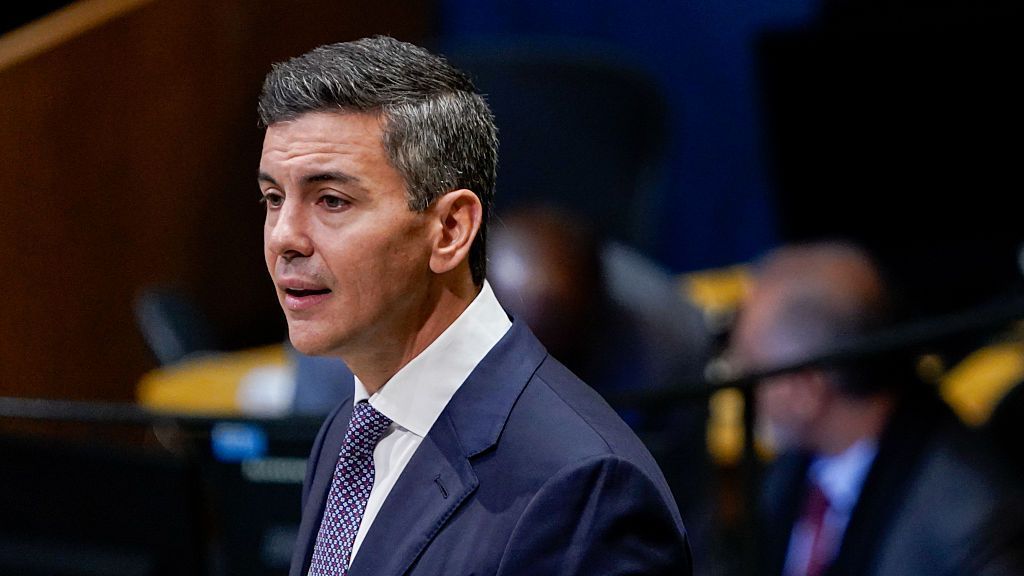
In a dramatic development that has shaken Paraguayan political circles, President Santiago Peña has formally stepped down from office, following a cascading political crisis ignited by the high-profile insolvency of a financial institution with direct personal ties to his past business holdings. Delivering a pre-recorded address shared across major social media platforms, Peña offered a direct, unreserved apology to the Paraguayan public for any perceived missteps during his tenure. “It was never my intention to betray the trust you placed in me,” the 2023-elected leader stated, acknowledging public frustration over the fallout of the Ueno Bank collapse. The crisis first exploded onto the national stage when Ueno Bank, a major domestic financial entity that held a large volume of public pension funds and other state-managed assets, entered court-ordered insolvency proceedings earlier this week, immediately freezing all customer operations. The sudden shutdown left millions of ordinary Paraguayans locked out of their savings accounts, triggering widespread grassroots demonstrations across major urban centres, where crowds gathered to demand the president’s immediate departure. Lawmakers from both opposition ranks and dissident factions within the ruling conservative Colorado Party launched formal proceedings against Peña after public records confirmed he held a direct shareholding in the parent company that owned Ueno Bank up until 2023, the same year he won the national presidential election by defeating a centre-left rival. Accusations of unreported conflicts of interest and official misconduct quickly gained traction, culminating in a formal vote by Paraguay’s lower congressional chamber to advance a full impeachment trial against the sitting head of state. Peña announced his resignation in a separate public video posted to social platform X, just 24 hours after opposition legislators submitted their formal impeachment petition. He framed the unexpected decision as a deliberate choice to safeguard national stability, preserve social peace, and protect the integrity of Paraguay’s longstanding democratic institutions, rather than prolong a divisive political fight that could deepen public unrest.