博客

  • Kids with special needs: What Dubai parents must know about ‘external assessments’

    Kids with special needs: What Dubai parents must know about ‘external assessments’

    Dubai’s private education sector is undergoing a significant transformation in its approach to inclusive learning, moving beyond theoretical principles to implement concrete support systems for Students of Determination. The Knowledge and Human Development Authority (KHDA) has introduced comprehensive updated guidelines governing external assessments for children with special educational needs, establishing a framework that prioritizes equity over mere equality.

    The revised standards emphasize personalized support tailored to each child’s unique requirements rather than attempting to fit diverse learners into standardized molds. At the core of this educational philosophy lies the recognition that inclusion means providing every student with the specific resources they need to thrive academically, socially, and emotionally.

    External assessments, conducted by qualified specialists licensed by the Dubai Health Authority (DHA) or Community Development Authority (CDA), serve as diagnostic tools to better understand how children learn, communicate, and manage emotions. These evaluations involve professionals including psychologists, speech and language therapists, occupational therapists, and psychiatrists, depending on individual needs.

    Schools follow a structured eight-step process when considering external assessments, beginning with initial observation and progressing through in-school evaluation, additional support implementation, formal review, and only then—if necessary—recommending external assessment with mandatory parental consent. The process emphasizes collaboration between educators and families, with parents participating as essential partners throughout the journey.

    The guidelines establish clear parental rights, including involvement from the earliest stages, transparent communication, input in specialist selection, cost disclosure, and participation in developing individualized education plans. Confidentiality protocols ensure assessment reports remain securely stored with restricted access, requiring parental permission for sharing beyond essential educational staff and authorities.

    For families who disagree with assessment recommendations, the framework provides escalation pathways to KHDA while maintaining parental authority. The system also includes mechanisms to address schools that fail to follow proper procedures, with dedicated channels for resolution through KHDA’s Parent Empowerment and Inclusion teams.

    This progressive approach reflects the UAE’s broader commitment to ensuring learning differences never become barriers to education, focusing on understanding each child’s potential rather than limiting them with labels.


  • Philippines plans to ban Grok ‘by tonight’ over deepfakes

    Philippines plans to ban Grok ‘by tonight’ over deepfakes

    The Philippine government has announced an immediate nationwide ban on Elon Musk’s Grok AI chatbot, becoming the third Southeast Asian nation to block access to the controversial platform within days. Telecommunications Secretary Henry Rhoel Aguda confirmed the decisive action during a Thursday press briefing, citing urgent concerns about AI-generated toxic content, particularly sexualized deepfakes targeting real individuals including children.

    The ban follows similar moves by Indonesia and Malaysia, which blocked Grok over the weekend, creating a regional consensus against the platform’s content generation capabilities. Philippine authorities stated that social media platform X’s recent pledge to implement restrictions would not alter their decision, with cybercrime officials emphasizing the need for immediate action rather than waiting for platform promises.

    Renato Paraiso, acting executive director of the country’s cybercrime center, confirmed to AFP that telecommunications providers would be required to implement the block within hours. The National Telecommunications Commission order mandates immediate compliance from all service providers, with government agencies monitoring implementation throughout the day.

    This development occurs amidst growing global scrutiny of AI image generation tools. Earlier this week, X announced measures to prevent Grok from creating undressed images of real people, responding to both international backlash and an official investigation launched by California authorities. The Philippine decision reflects increasing governmental concerns about regulating rapidly evolving AI technologies and their potential for harmful applications.

  • Children expected to die of hunger in Darfur ‘within days’, says UN Sudan chief

    Children expected to die of hunger in Darfur ‘within days’, says UN Sudan chief

    The United Nations has issued a dire warning that children in Sudan’s Darfur region face imminent death from starvation within days, marking a catastrophic escalation in the world’s worst humanitarian crisis. UN Humanitarian Coordinator for Sudan Denise Brown revealed to Middle East Eye that malnutrition rates among children in North Darfur’s Um Baru have reached a staggering 53%—triple the emergency threshold—describing conditions as the most severe she has witnessed in her career.

    The conflict between the Sudanese Armed Forces (SAF) and Rapid Support Forces (RSF), ongoing since April 2023, has created a devastating pattern of atrocities that has displaced nearly 13 million people and pushed over 40% of the population into acute food insecurity. Recent UN assessments confirm that famine conditions persist in multiple locations including el-Fasher in North Darfur and Kadugli in South Kordofan, even during what should be Sudan’s post-harvest period.

    Humanitarian access remains critically constrained, with Fews Net warning that besieged towns face worsening conditions as RSF forces implement full blockades. The situation in el-Fasher—brutally seized by the RSF in October after a 550-day siege—is particularly volatile, with widespread destruction, unexploded ordnance contamination, and destroyed water infrastructure leading to cholera outbreaks. Between January and November 2025, Sudan recorded over 72,000 cholera cases, more than double the previous year’s count.

    Evidence suggests systematic violence against civilians, with multiple reports of RSF fighters killing fleeing civilians and conducting door-to-door executions during the capture of el-Fasher. A Yale Humanitarian Research Lab report indicates the paramilitary group has likely buried or burned tens of thousands of bodies to conceal evidence of mass killings.

    Despite the scale of suffering, the international response remains severely underfunded, with the UN’s Sudan appeal only 27% funded by late 2025. Brown emphasized that world leaders must urgently interrupt the pattern of atrocities before further devastation occurs, particularly for women and children who bear the war’s heaviest burden.

  • Autostrad accelerates UAE mobility with rapid fleet growth and sector-focused solutions

    Autostrad accelerates UAE mobility with rapid fleet growth and sector-focused solutions

    Dubai-based mobility innovator Autostrad has emerged as a dominant force in the United Arab Emirates’ transportation sector, achieving remarkable expansion with its fleet surpassing 6,000 vehicles while maintaining an extraordinary 50% year-on-year growth trajectory over the past two years. The company’s strategic positioning within the rapidly evolving UAE mobility market demonstrates how specialized, sector-specific solutions are reshaping corporate transportation.

    Autostrad has pioneered a unique operational model that delivers tailored mobility services across diverse industry verticals including oil and gas, aviation, port operations, educational institutions, and government fleets. This sector-focused methodology ensures each vehicle is purpose-engineered with advanced safety systems, regulatory compliance technologies, and data-driven management platforms. The company’s substantial footprint includes over 500 dedicated vehicles serving long-term contracts in the oil and gas sector alone, while its educational transportation division now safely transports more than 14,000 students daily—a significant increase from 9,000 the previous year.

    Technological integration forms the cornerstone of Autostrad’s operational excellence. The company has deployed sophisticated telematics and fleet management systems that enable real-time vehicle monitoring, predictive maintenance algorithms, and operational optimization. Their digital ecosystem features integrated booking platforms, customer relationship management systems, and a proprietary mobile application that has exceeded 2,000 downloads, creating seamless customer experiences across all touchpoints.

    The UAE’s mobility sector continues to demonstrate robust growth, with market research projecting the car rental and leasing market to reach AED 14.3 billion by 2027, representing a compound annual growth rate of 6.4%. This expansion is primarily driven by increasing demand for digital fleet optimization solutions and connected mobility services across corporate and institutional sectors.

    Karunesh Arya, General Manager of Autostrad, emphasized the company’s vision: ‘We are delivering comprehensive mobility ecosystems rather than merely providing vehicles. Our solutions combine technological sophistication, operational reliability, and sector-specific customization that addresses the unique transportation challenges faced by different industries. Our sustained growth reflects both market confidence in our approach and our unwavering commitment to innovation, safety, and service excellence across the UAE.’

  • World tour in Dubai: Have you visited these 3 streets in Global Village?

    World tour in Dubai: Have you visited these 3 streets in Global Village?

    Dubai’s Global Village has transformed into a premier gastronomic destination, featuring three specially curated streets that deliver an immersive global dining experience. Fiesta Street electrifies visitors with authentic international street food, Happiness Street specializes in innovative comfort cuisine, and Dessert District caters exclusively to sweet indulgence seekers.

    Fiesta Street captures the vibrant essence of global street food culture. Taco Loco serves authentic Mexican birria tacos slow-cooked to perfection, while Tantuni offers flavour-packed Turkish wraps with tender chicken or beef. Koko Korean Chicken specializes in various forms of Korean fried chicken, including burgers, tenders, and popcorn chicken, all seasoned with signature spices and sauces.

    Happiness Street focuses on mood-boosting comfort food with creative twists. Wheel 35 provides a unique pasta experience with dishes prepared inside a cheese wheel, featuring signature creamy sauces including the distinctive blue matcha option. Shawarma Edgar has gained fame for its shawarma accompanied by a special dipping sauce made from garlic, sumac, and Kuwait’s iconic mabooch chilli paste. Indo-yo elevates instant noodles with inventive fusion toppings and loaded creations.

    The Dessert District invites visitors to indulge without restraint. Chimney Cake serves the famous Central European spiral-shaped pastry freshly baked to golden perfection. Mango Tango caters to mango enthusiasts with offerings ranging from mango ice cream to mango sticky rice, highlighted by their signature Mango Tango Float. Mish Tiramisu provides a haven for tiramisu lovers, featuring innovative variations including chocolate, matcha, and mango interpretations.

    With over 250 dining options available throughout the park, Global Village has established itself as a culinary hotspot that satisfies diverse palates and culinary curiosity. The three themed streets provide structured culinary journeys that allow visitors to explore world flavors without leaving Dubai, making each visit an opportunity for new gastronomic discoveries.

  • Ethiopia says seized ammunition sent by Eritrea to rebels as tensions rise

    Ethiopia says seized ammunition sent by Eritrea to rebels as tensions rise

    Ethiopian authorities have made explosive allegations that Eritrea supplied thousands of ammunition rounds to armed rebels, dramatically escalating tensions between the Horn of Africa neighbors. Police in Ethiopia’s Amhara region announced Wednesday they intercepted over 56,000 rounds of ammunition allegedly intended for the Fano rebel group, arresting two suspects in the operation.

    According to an official Facebook statement, preliminary investigations indicated the ammunition originated from what Ethiopian officials term the ‘Shabiya government’ – a reference to Eritrea’s ruling party. The discovery has ignited fears of renewed armed conflict between the historically adversarial nations.

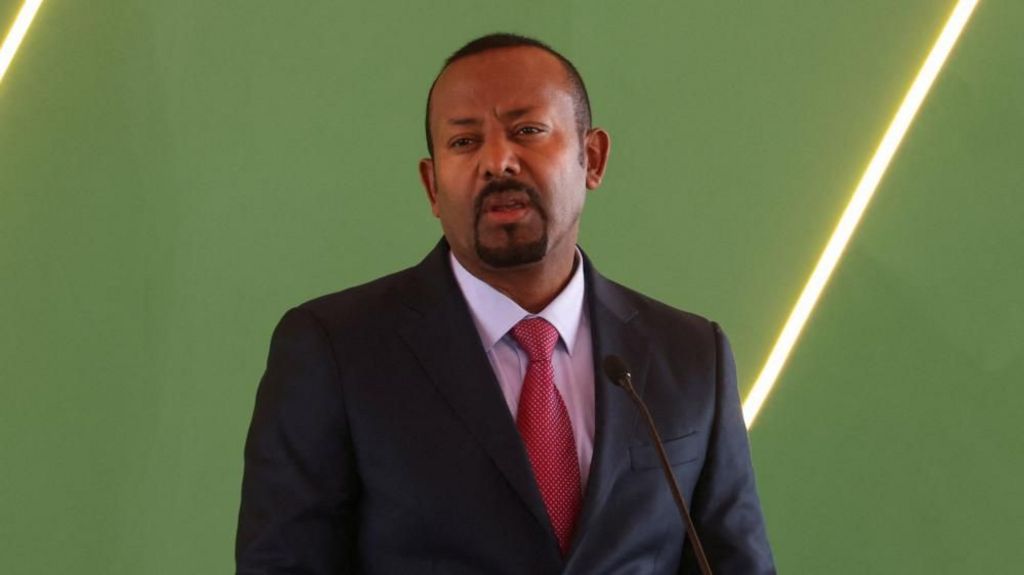
    Eritrea immediately issued a forceful denial through Information Minister Yemane Gebremeskel, who characterized the allegations as ‘false flag’ operations intended to justify military action that Ethiopia ‘has been itching to unleash.’ The minister accused Prime Minister Abiy Ahmed’s Prosperity Party of manufacturing pretexts for aggression.

    The allegations emerge amid deteriorating relations between the neighboring countries, which share a complex history of conflict and temporary reconciliation. Eritrea gained independence from Ethiopia in 1993 after decades of struggle, rendering Ethiopia landlocked despite their 2018 peace agreement that normalized relations.

    Recent months have seen mounting tensions over Ethiopia’s persistent demands for guaranteed access to the Red Sea through Eritrean territory. Prime Minister Abiy has characterized sea access as an existential national priority, while Eritrean President Isaias Afwerki recently accused Ethiopia of effectively declaring war through its maritime claims.

    The current crisis represents a sharp reversal from the cooperation seen during Ethiopia’s 2020-22 civil war, when Eritrean troops supported the Ethiopian government against Tigrayan forces. Relations soured significantly when Eritrea was excluded from the 2022 peace agreement that ended that conflict.

    Ethiopia now faces a violent insurgency from Fano rebels who control substantial territory in northern Amhara region, while simultaneously navigating increasingly hostile relations with its northern neighbor. Both leaders have publicly stated they prefer dialogue over conflict, but the ammunition allegations have brought bilateral tensions to their highest point in years.

  • Nearly 5-hour Iran airspace closure: What is Flightradar24 showing?

    Nearly 5-hour Iran airspace closure: What is Flightradar24 showing?

    Iran implemented an unexpected five-hour closure of its national airspace overnight Wednesday, creating significant aviation disruptions amid escalating geopolitical tensions with the United States. The unprecedented move, affecting numerous international flight paths, came as both nations engaged in diplomatic maneuvering regarding Iran’s internal protest situation.

    The airspace restriction, lasting from approximately 10:00 PM to 3:00 AM local time on January 14, required special permits for any aircraft seeking to traverse Iranian territory. This development occurred against the backdrop of stern warnings from the Trump administration, which had previously threatened ‘very strong action’ should Iran proceed with executing protesters.

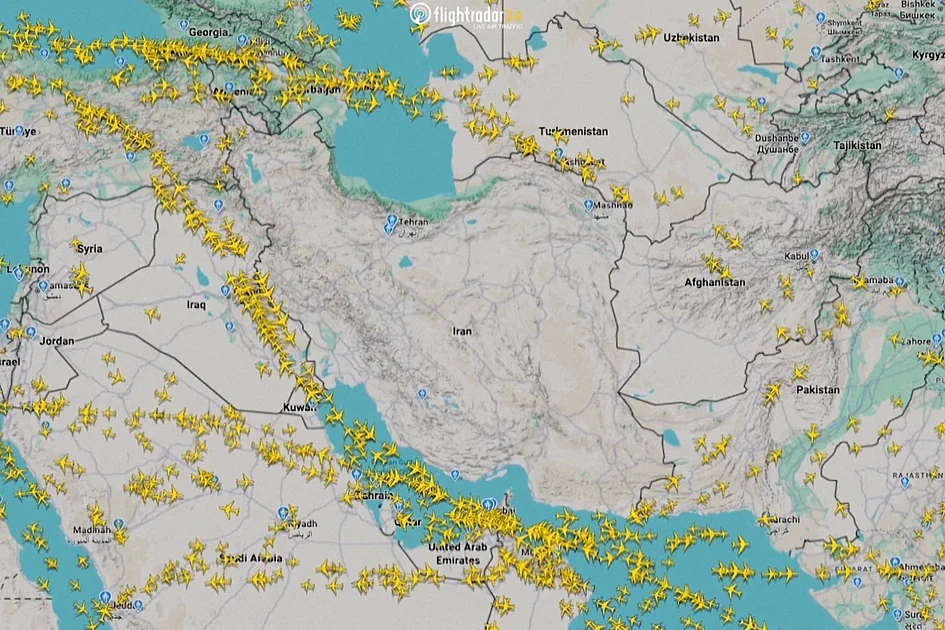
    Aviation tracking service Flightradar24 documented the immediate impact, showing aircraft circumventing Iranian airspace entirely during the closure period. Major carriers including India’s IndiGo and Air India reported substantial schedule disruptions, with many flights requiring alternative routing that resulted in extended flight times and potential cancellations. Russia’s Aeroflot notably returned a Tehran-bound flight to Moscow mid-journey.

    The airspace closure represents a precautionary measure by Iranian authorities following the United States’ partial withdrawal of personnel from Middle Eastern bases. This military repositioning came after Iranian officials warned neighboring countries that American bases would be targeted if Washington initiated strikes against Iran.

    Civil aviation experts note that such airspace restrictions, communicated through official Notice to Air Missions (NOTAM) systems, force airlines to implement extensive safety protocols. These include avoiding high-risk airspace entirely and adhering strictly to international civil aviation advisories, even when resulting in substantial operational inconveniences and increased fuel consumption.

    As of Thursday morning, Flightradar24 data indicates normal traffic patterns have resumed over Iranian airspace, though the aviation community remains alert to potential further developments in the politically volatile region.

  • German air traffic control advises avoiding Iranian airspace until Feb 10

    German air traffic control advises avoiding Iranian airspace until Feb 10

    Germany’s national air traffic control authority has issued a formal recommendation for all aircraft to avoid Iranian airspace through February 10th, citing heightened regional security concerns. The directive from Germany’s Flight Safety Office comes amid escalating geopolitical tensions and follows recent warnings from the United States regarding potential military intervention in Iran.

    The aviation advisory, implemented under instruction from Germany’s Federal Transport Ministry, represents a significant precautionary measure for international air travel routing. While not a mandatory flight ban, the recommendation carries substantial weight within global aviation circles and reflects growing apprehension among Western nations about potential airspace risks.

    This development marks a notable escalation in international response to the deteriorating security situation in the region. Aviation experts note that such advisories typically precede more formal airspace restrictions and often trigger similar actions from other nations’ aviation authorities. The February 10th timeframe suggests intelligence assessments anticipate a prolonged period of elevated risk rather than an immediate, short-term threat.

    The recommendation affects numerous international flight paths that traditionally traverse Iranian airspace, potentially necessizing significant rerouting for airlines operating between Europe, the Middle East, and Asia. This could result in extended flight times, increased fuel consumption, and operational complications for carriers that regularly use these corridors.

    Aviation industry analysts are monitoring whether other nations will issue similar guidance, which could further isolate Iranian airspace and create substantial disruptions to global flight patterns. The German advisory represents the most specific and time-delimited warning issued by any nation to date regarding air travel in the region.

  • Iranian press review: Fears grow for thousands of detainees whose fate remains unknown

    Iranian press review: Fears grow for thousands of detainees whose fate remains unknown

    International alarm is mounting over Iran’s severe response to nationwide demonstrations, with human rights organizations estimating security forces have detained over 10,000 protesters amid escalating concerns about potential death sentences. The situation intensified dramatically when Justice Minister Amin Hossein Rahimi characterized recent unrest as “a civil war” rather than legitimate protest, signaling possible execution orders for those arrested during January 8-11 operations.

    Hossein Bastani, an exiled Iranian journalist, warned via social media platform X that authorities might consider executions “a cheap option,” extending the lethal crackdown beyond street violence to judicial proceedings. This fear materialized temporarily when rights group Hengaw reported 26-year-old Erfan Soltani faced imminent execution in Karaj before international pressure, including explicit warnings from the United States, prompted Iranian officials to deny execution plans and retract Soltani’s death sentence.

    The legal advocacy group Dadban, operating externally, has urgently mobilized Persian-speaking lawyers to provide critical defense for detainees, particularly emphasizing that many young protesters lack awareness of their legal rights. However, a nationwide telecommunications blackout severely hampers these efforts, isolating prisoners from potential legal assistance.

    From within Tehran’s notorious Evin Prison, Kurdish political prisoner Verisheh Moradi—whose own death sentence was recently overturned—issued a powerful message championing the continuing “Women, Life, Freedom” movement that began following Mahsa Amini’s 2022 custodial death. Moradi condemned both the current Islamic Republic system and potential restoration of the pre-1979 monarchy, asserting that “no wall, no bar, and no rope has been able to extinguish the fire of resistance.”

    Simultaneously, Iran’s parliament—comprising lawmakers vetted by intelligence agencies—advanced urgent legislation to further restrict demonstration locations and impose stricter permit requirements, effectively constitutionalizing protest suppression under the guise of maintaining Islamic Republic foundations and public order.

  • Nato Arctic defence needed against Russia, says Cooper

    Nato Arctic defence needed against Russia, says Cooper

    UK Foreign Secretary Yvette Cooper has urged NATO allies to significantly bolster Arctic security measures during her visit to British forces in northern Norway. Cooper emphasized the critical need for a coordinated defense initiative—dubbed “Arctic Sentry”—to counter growing Russian military activities in the region.

    Speaking alongside Norwegian Foreign Minister Espen Barth Eide, Cooper warned that Russia’s Northern Fleet utilizes Arctic routes as strategic gateways to threaten Western Europe, the United Kingdom, and North America. “Our entire transatlantic security depends on Arctic security,” she stated during joint military observations with Norwegian forces.

    Cooper’s proposed Arctic Sentry framework would mirror existing NATO operations in the Baltic Sea, featuring enhanced intelligence sharing, coordinated military exercises, and joint operational planning. This initiative comes despite ongoing diplomatic tensions between the United States and Denmark regarding Greenland’s status, which Cooper characterized as secondary to collective security concerns.

    Norwegian Foreign Minister Eide endorsed Cooper’s proposal while cautioning against distractions from the primary security challenge. “We must avoid distractions from issue number one,” Eide remarked, referencing his recent visit to Ukrainian shelters in Kyiv. “Helping Ukraine achieve a just and lasting peace matters more than anything else for transatlantic security.

    Both officials emphasized that despite internal NATO disagreements, particularly regarding US interest in acquiring mineral-rich Greenland, the alliance must maintain unity against Russian aggression. Cooper explicitly stated that Greenland’s future should be determined solely by its people and Danish authorities, while urging focused cooperation on Arctic defense strategies.